Is it too late to put in a garden? A Complete Guide to Late Season Gardening
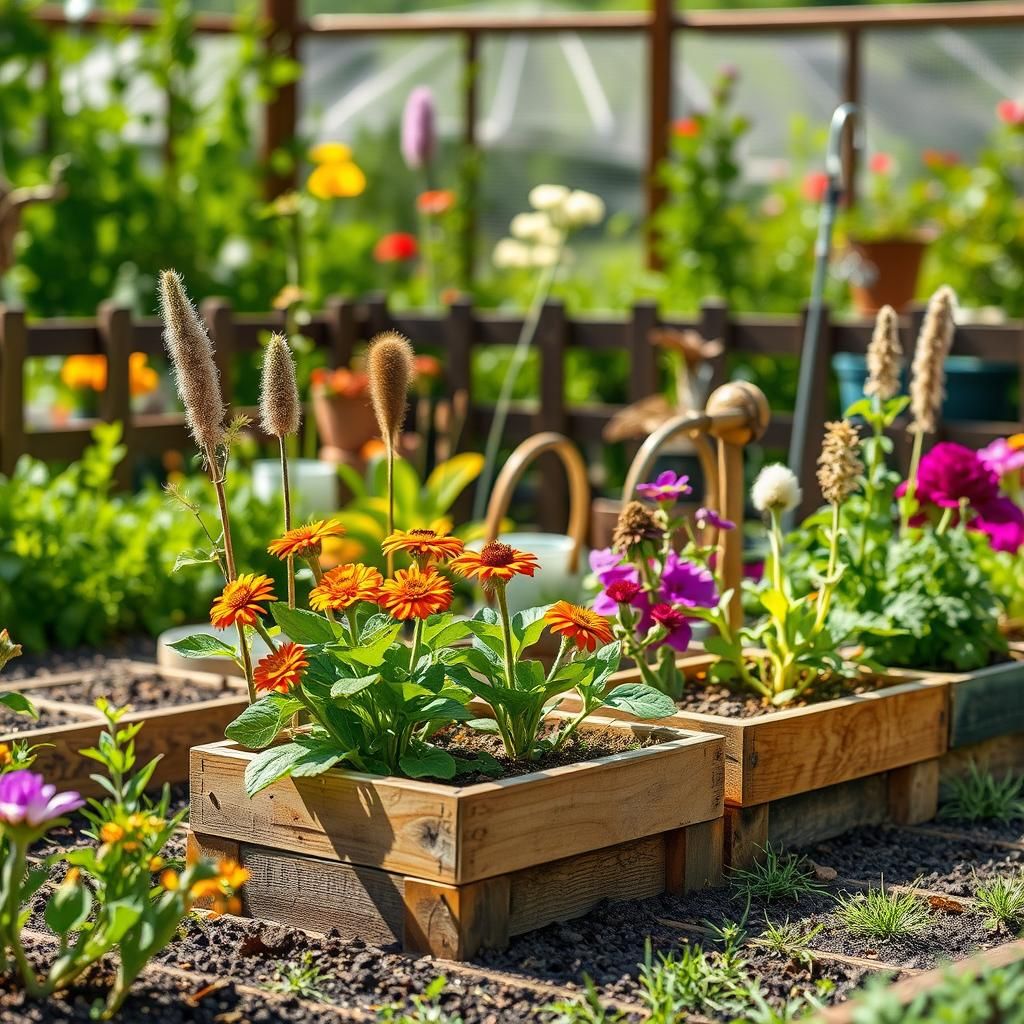
As summer fades and autumn approaches, many gardeners may wonder if it's too late to start a garden. The good news is that late-season gardening can be both rewarding and productive. With careful planning and the right choices, you can cultivate a variety of crops that thrive in cooler temperatures. This complete guide will explore the best practices for late season gardening, from selecting hardy plants to implementing effective techniques for a bountiful harvest. Whether you’re a seasoned gardener or a novice, there’s still time to enjoy the fruits of your labor even as the days grow shorter.
Is It Too Late to Plant a Garden?
It's never too late to put in a garden, as various factors such as climate, season, and the types of plants you want to grow influence the ideal timing. If you're planting vegetables, some fast-maturing varieties like lettuce, radishes, and spinach can still be sown late in the season and yield a harvest before frost. For perennial plants and shrubs, late planting may require extra care during their first winter. Researching your local growing conditions and choosing plants suited to your area can help you determine the best time for establishing a thriving garden.
Ideal Timing for Different Plants
Different plants have unique growing seasons, impacting when you can plant them. For instance, cool-season crops like peas and broccoli thrive in early spring or late summer, while warm-season crops such as tomatoes and peppers should be planted after the last frost. Knowing the Frost Dates for your area helps set your planting schedule. In addition, perennials can typically be planted in spring or fall for ideal establishment before winter.
Benefits of Late Planting
Late planting can offer unique advantages, such as extending the growing season and capitalizing on the fall sun to encourage rapid plant growth. Many gardeners find success with second plantings of fast-growing crops that yield quick results, helping them take advantage of their garden space. Additionally, fall gardens often see less pest pressure, giving plants a better chance to thrive and produce healthy yields.
Common Mistakes to Avoid
When planting a garden later in the season, it's essential to avoid several common pitfalls that can hinder plant growth. One mistake is planting varieties unsuitable for late gardens; instead, focus on those that mature quickly. Not preparing the soil properly can also be detrimental—proper amendments and fertilization can boost early growth, even in shorter days. Lastly, neglecting to monitor for frost warnings can result in loss; using row covers helps protect young plants from unexpected drops in temperature.
Preparing Your Soil
Proper soil preparation is crucial regardless of when you plant your garden. Late in the season, ensure your soil is nutrient-rich and well-draining to support quick growth. Conducting a soil test can help you determine necessary amendments to improve fertility. Adding organic matter like compost can boost soil structure and nutrient levels, facilitating better root development and plant establishment. Always loosen the soil to encourage aeration and allow roots to penetrate easily.
Amount of Sunlight Needed
Sunlight plays a crucial role in determining the success of your garden, particularly for late plantings. Most vegetables require a minimum of six hours of direct sunlight daily to flourish. In late plantings, optimizing your garden's layout to maximize sun exposure can significantly enhance plant yield. If necessary, consider selecting plants that tolerate partial shade and adapt better to the shorter days of late summer and autumn, ensuring a productive growing environment even in less than ideal conditions.
| Plant Type | Best Planting Time | Days to Maturity |
|---|---|---|
| Lettuce | Late summer to early fall | 30-60 days |
| Radishes | Late summer | 25-30 days |
| Spinach | Late summer | 40-50 days |
| Broccoli | Early spring or late summer | 60-80 days |
| Tomatoes | After last frost | 60-85 days |
What month is too late to start a garden?

When it comes to gardening, the ideal time to start planting varies significantly depending on the climate zone and the type of plants you want to grow. In general, if you are hoping to establish a garden in the spring, it’s often recommended to start planting by April for temperate climates. However, several factors can suggest when it is too late to start a garden. Typically, if you have not planted by the end of June, it may be considered too late for crops that require a long growing season, such as tomatoes or peppers, especially in climates with short summers. In colder regions, waiting until July or August can lead to unsuccessful outcomes due to the impending frost. Moreover, starting a garden late can also reduce the chances of plants achieving maturity before the first frost in the fall.
Understanding Your Growing Zone
Knowing your growing zone is crucial in determining when to start a garden. The United States Department of Agriculture (USDA) divides the country into several zones based on climatic conditions, which can greatly affect planting schedules.
- The warmer the zone, the earlier you can typically start planting.
- Colder zones may require waiting until mid-spring to sow seeds.
- It's essential to consult a planting calendar specific to your zone.
Late Planting Considerations
Planting crops later in the season has specific considerations that gardeners should take into account.
- Many crops need a long growing season to mature properly; otherwise, they may not produce fruit.
- Some vegetables, like leafy greens, can still be planted late in the season, while others cannot.
- Understanding these nuances can help avoid disappointment at harvest time.
Impact of Frost Dates
Frost dates play a pivotal role in determining the last month when one can begin planting.
- Frost dates are typically available through local agricultural extensions or gardening resources.
- A late frost can ruin young plants, so knowing the last frost date helps time your planting schedule.
- Understanding the average first frost date in the fall also helps in deciding what can still be grown.
Choosing the Right Plants for Late Gardens
If you’re starting a garden later in the season, selecting the right plants is essential to success.
See also:
- Opt for fast-growing varieties that can mature quickly, such as radishes and bush beans.
- Consider cool-season crops that thrive in the fall, like kale and spinach.
- Additionally, using transplants instead of seeds can provide a head start.
Techniques for Late Season Gardening
Implementing specific techniques when starting a late garden can enhance your chances of success.
- Using raised beds can warm the soil faster and extend the growing season.
- Applying mulch can help retain moisture and regulate soil temperature.
- Consider employing row covers or cold frames to protect against early frost.
Is July too late to start a vegetable garden?

Starting a vegetable garden in July can depend on several factors, such as your local climate, the specific vegetables you wish to grow, and your gardening practices. While many garden plans have their ideal starting months in spring, there are still many opportunities for starting a successful vegetable garden even in July.
Understanding Your Climate Zone
Knowing your climate zone is crucial when deciding if July is too late to plant a vegetable garden. Different regions have varying lengths of growing seasons that can greatly influence what can still be planted successfully in July.
- Check your local hardiness zone to understand the typical growing conditions.
- Research the average frost dates in your area to optimize planting times.
- Consider the temperature range typical for your area in July.
Vegetables Suitable for Late Planting
Several vegetables thrive even when planted later in the growing season. In July, you can still consider sowing a variety of fast-growing and tolerant crops.
- Leafy greens such as spinach, kale, and lettuce can mature quickly.
- Radishes and other root vegetables can still be seeded before late summer.
- Bush beans can be planted and will yield results within weeks.
Benefits of a July Vegetable Garden
Starting your garden in July can offer unique benefits even though it is considered late in the gardening season. This can lead to excellent yields in the right conditions.
- Lower competition from weeds since many gardeners focus on spring planting.
- Pest pressures may decrease as many pests are less active during the hotter days of July.
- Soil tends to be more moist in July, promoting quicker germination.
Gardening Techniques for Late Season Success
To ensure your garden thrives, employing specific gardening techniques tailored for late planting can be effective. Adapt strategies to maximize growth potential for your late-planted vegetables.
- Utilize raised beds to enhance drainage and soil warmth.
- Consider planting transplants instead of seeds for quicker results.
- Implement mulching to help retain moisture and regulate soil temperature.
Tips for Ongoing Maintenance
Once your July vegetable garden is underway, ongoing maintenance will be vital to its success. Implement practical tips to ensure optimal growth conditions through the remainder of the season.
- Regularly check soil moisture levels and adjust your watering schedule.
- Monitor for pests and diseases and take action promptly.
- Provide adequate support for vining plants to ensure vertical growth.
What is the rule of 3 in gardening?

The Rule of Three in gardening is a design principle that suggests grouping plants in threes to create a more visually appealing landscape. This principle is based on the idea that odd numbers, particularly threes, are more aesthetically pleasing than even numbers. When plants are arranged in odd-numbered groups, the eye can flow more naturally, creating a more harmonious and balanced composition. This rule can apply to various aspects of gardening, including flower beds, container arrangements, and even tree placements.
Visual Appeal
Incorporating the Rule of Three significantly enhances the visual appeal of a garden. Odd groupings allow for a balanced look that draws the eye effectively. Here are some key aspects of visual appeal in gardening with this rule:
- Harmony: Groups of three create a natural flow that can unify a space.
- Focus: Threes help to guide the viewer’s focus to specific areas or features in the garden.
- Variety: Mixing different plants in sets of three can create dynamic contrasts and interest.
Plant Selection
Choosing the right plants is crucial when applying the Rule of Three. This ensures that the groupings complement one another and enhance the overall design of the garden. Key considerations include:
- Color: Select plants with complementary or contrasting colors to create visual interest.
- Texture: Combining different leaf shapes and sizes can add depth to the arrangement.
- Height: Vary the heights of the plants to create layers and prevent a flat appearance.
Garden Layout
Applying the Rule of Three to garden layout involves strategic placement of groups across the landscape. This can create intentional focal points and pathways. Consider the following factors:
See also:
- Grouping: Use clusters of three plants together in different areas to encourage movement throughout the garden.
- Symmetry vs. Asymmetry: Combine both elements for a more intriguing layout while keeping threes in mind.
- Zones: Designate specific areas in the garden for different themes using the rule to differentiate spaces.
Seasonal Changes
The Rule of Three also applies to seasonal planning in gardening, ensuring continuous interest throughout the year. This involves selecting plants that bloom at different times. Key strategies include:
- Evergreens: Include evergreens to maintain structure and color during the winter.
- Spring Blooms: Choose three plants that bloom early in the spring for a vibrant display.
- Late Season Interest: Select plants that offer fall colors or late blooms to keep the garden lively.
Maintenance and Care
Following the Rule of Three can also simplify maintenance and care for the garden. Grouping plants logically allows for more efficient gardening practices. Important aspects include:
- Watering: Similar plants grouped together often have similar water and light needs, making care easier.
- Pruning: Managing groups of three can streamline the process of pruning and deadheading.
- Pest Control: Having sets of three plants can help deter pests when mixed with known companions.
Can I start a garden in the summer?
Yes, you can definitely start a garden in the summer. While spring is often considered the prime time for gardening, summer can also be a great season to grow a variety of plants. Here are several points to consider when starting your garden in the summer, including benefits, types of plants suitable for summer gardening, and tips for successful growth.
Benefits of Starting a Garden in Summer
Starting a garden in the summer comes with several benefits that can enhance your gardening experience. Here are some key advantages:
- Longer Growing Season: With more daylight hours available, plants receive ample sunlight, which can promote faster growth.
- Diverse Plant Choices: Many summer crops can be planted, including vegetables and flowers that thrive in warm weather.
- Less Pest Pressure: Certain pests may be less active in hot weather, making it easier to manage your plants.
Best Plants to Grow in the Summer
When planning a summer garden, it's essential to choose plants that thrive in warm temperatures. Here are some popular options:
- Tomatoes: A favorite among gardeners, tomatoes flourish in warm conditions and can produce abundantly.
- Peppers: Both sweet and hot peppers thrive in the heat and can be directly sown into the garden.
- Squash: Zucchini and other squash varieties grow quickly in summer weather, providing a bountiful harvest.
Tips for Successful Summer Gardening
To ensure your summer garden thrives, consider the following tips:
- Watering Schedule: Establish a consistent watering routine to combat rising temperatures and prevent drought stress on your plants.
- Mulching: Use organic mulches to retain moisture in the soil and moderate temperature fluctuations.
- Soil Health: Improve soil fertility with compost or organic fertilizers to support healthy growth in your summer plants.
Challenges of Summer Gardening
Despite the advantages, summer gardening also poses specific challenges that you should be prepared for:
- Heat Stress: High temperatures can lead to heat stress in plants, so it's crucial to monitor them closely during extreme weather.
- Pest Management: While some pests may be less active, others thrive in the heat, necessitating vigilance in your pest control efforts.
- Water Availability: Increased evaporation rates can lead to dry soil, making regular watering essential.
Seasonal Gardening Strategies
Implementing effective strategies can maximize your success in summer gardening. Here are several approaches to consider:
- Succession Planting: Plant new crops at intervals to ensure continuous harvests throughout the summer.
- Shade Solutions: Use shade cloths or plant taller crops nearby to protect smaller plants from intense sunlight.
- Companion Planting: Combine plants that benefit each other to enhance growth and deter pests naturally.
Questions from Our Readers
Is it too late to put in a garden this season?
It may not be too late to put in a garden; many plants can still thrive if planted late in the growing season. It depends on your local climate and the specific types of crops you wish to grow. In some areas, you can plant cool-season vegetables or even plan for a fall garden to allow for a fruitful harvest.
What are the best plants to grow if I start my garden late?
If you're starting late, consider fast-growing plants such as radishes, leafy greens, or herbs. These crops can often mature in a shorter time frame and provide a successful harvest before the colder weather sets in. Selecting the right varieties is crucial for a late-season garden.
How can I prepare my garden if I have limited time?
To prepare your garden promptly, focus on clearing weeds, amending the soil, and choosing transplants instead of seeds for quicker results. Using mulch can also help retain moisture and regulate soil temperature, making it easier to establish your plants quickly.
Should I use any special techniques for late planting?
Yes, consider using row covers or cold frames to protect young plants from cooler temperatures and extend your growing season. Additionally, raised beds can help warm the soil faster, enabling your plants to get a good start even with a late planting date.
See also:

If you want to read more articles like Is it too late to put in a garden? A Complete Guide to Late Season Gardening, we recommend you check out our Garden category.
Leave a Reply
Related Articles