Do Geraniums Like Full Sun or Shade? A Complete Guide to Optimal Growing Conditions
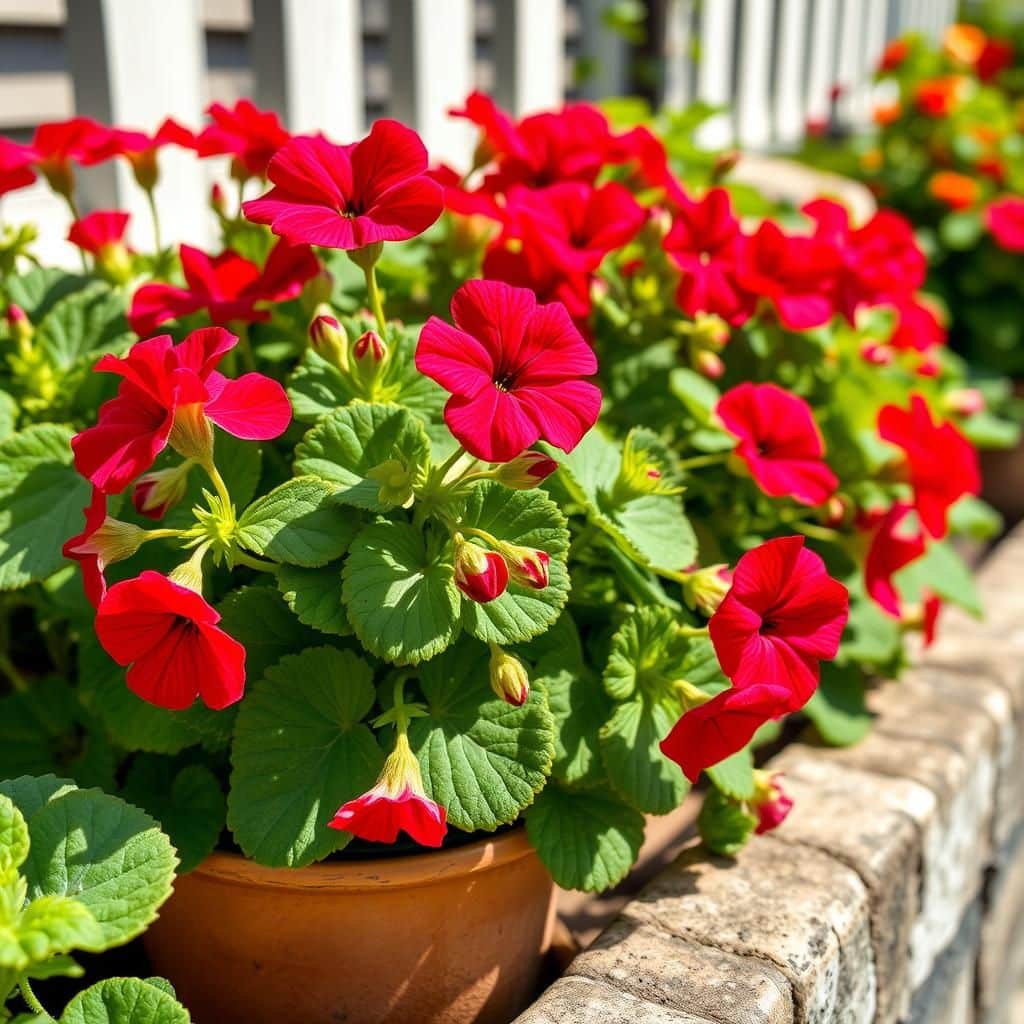
When it comes to growing geraniums, understanding their light requirements is crucial for thriving plants. These popular garden favorites come in various species and colors, making them a versatile choice for any landscape. However, many gardeners wonder: do geraniums prefer full sun or shade? This complete guide explores the optimal growing conditions for geraniums, detailing how sunlight exposure impacts their growth, flowering, and overall health. By delving into the nuances of light requirements, you'll uncover the secrets to cultivating vibrant, healthy geraniums that brighten up your garden and enhance your outdoor spaces.
Do Geraniums Prefer Full Sun or Shade?
Geraniums generally thrive in full sun conditions, making them an excellent choice for bright, sunny garden spots. While they can tolerate some partial shade, their growth and flowering may significantly decrease in such environments. Ideally, geraniums should receive at least six hours of direct sunlight each day to ensure they develop strong stems and vibrant blooms. In areas with intense heat, they may benefit from some afternoon shade to protect them from scorching temperatures, but overall, full sun promotes the best results for these vibrant plants.
Understanding Geranium Sunlight Needs
Geraniums are classified as sun-loving plants that prefer a well-lit environment to flourish. The amount of sunlight they require can typically range from full sun to partial shade depending on the specific type of geranium. Most common varieties do best in full sun, which encourages abundant flowering and lush foliage. However, it's crucial to monitor the plants during extremely hot weather, as excessive sun exposure can lead to wilting or burning of the leaves.
Effects of Too Much Sun
While geraniums love sunlight, there is a point where too much sun can be detrimental. In extremely high temperatures, especially in regions with intense sun exposure, geranium foliage may suffer from sunburn. Symptoms include faded leaf color, wilting, and browning edges. Providing some afternoon shade can help to mitigate these effects without sacrificing the overall sun exposure that geraniums need for healthy growth.
Growing Geraniums in Partial Shade
If you find yourself in a region with limited sunlight, it is still possible to grow geraniums successfully in partial shade. While they won't bloom as profusely, they can manage in dappled sunlight or areas that receive several hours of morning sun. It's essential to ensure that when grown in shade, the soil remains well-draining and does not become overly moist, as this can lead to root rot.
See also:
Seasonal Changes and Light Requirements
Throughout the seasons, the light requirements for geraniums may slightly shift. In spring, as the days grow longer, these plants benefit from increased sunlight, which promotes early growth and flowering. During the summer, care should be taken to ensure that they aren’t getting too much direct sunlight in the hottest part of the day. In contrast, during the fall and winter months, geraniums may adapt to more shaded conditions as they enter dormancy and reduce their growth rate.
Best Practices for Planting Geraniums
When planting geraniums, consider their light requirements carefully. Choose a location that receives full sunlight for the majority of the day but also assess the surrounding environment for heat reflection from nearby structures. Mixing these plants with taller species can offer some natural shade during the hottest summer hours while allowing them to fulfill their sunlight needs. Ensure that the soil is well-draining to support their growth without being waterlogged.
| Key Factors | Full Sun Requirements | Partial Shade Adaptability |
|---|---|---|
| Sunlight Duration | 6-8 hours | 3-5 hours |
| Temperature Tolerance | Warm | Cooler |
| Soil Type | Well-drained | Well-drained |
| Blooming Capability | High | Moderate |
Understanding Geranium Sun Preferences
Geraniums are versatile flowering plants that can thrive in various light conditions, but most varieties prefer full sun to achieve optimal growth. Ideally, they need about 6 to 8 hours of direct sunlight each day to produce vibrant blooms and maintain healthy foliage. However, some types can tolerate partial shade, especially in hotter climates, where too much sun can lead to leaf scorch. Observing the specific needs of the variety you are growing, along with paying attention to your garden's microclimates, will help you ensure that your geraniums flourish in their ideal growing conditions.
Factors Affecting Light Conditions for Geraniums
The light conditions for geraniums are influenced by environmental factors such as local weather, geographical location, and seasonal changes. In areas with intense summer heat, too much direct sunlight can cause the leaves to wilt or turn brown, indicating that the plants may benefit from some afternoon shade. Conversely, geraniums planted in cooler climates may thrive with more sun exposure, boosting their growth and flower production. Therefore, understanding your local environment will help you provide the ideal conditions for your geraniums.
General Light Requirements for Different Geranium Varieties
Different varieties of geraniums have unique light requirements that can determine their overall health and blooming potential. Most zonal geraniums, for example, thrive best in full sun, while ivy geraniums may prefer some protection from the harsh midday sun. Understanding the specific light needs of each variety enables gardeners to tailor their planting strategies for optimal growth, ensuring that each type of geranium receives the proper balance of sunlight and shade.
See also:
Signs of Inadequate Sunlight in Geraniums
When geraniums do not receive enough sunlight, they can exhibit several distress signals that indicate suboptimal growing conditions. Common signs include leggy growth, where the stems stretch excessively in search of light, leading to sparse foliage and fewer blooms. Additionally, the colors of the foliage may fade, and the plants may become more susceptible to diseases. Recognizing these signs early allows for timely adjustments, such as relocating the geraniums to a sunnier spot.
Best Practices for Planting Geraniums in Sunny vs. Shady Areas
When planting geraniums in sunny areas, it is essential to ensure they have enough air circulation to reduce the risk of overheating and disease. Choose well-draining soil and consider mulching around the base to retain moisture without suffocating the roots. In shady spots, select locations that still receive bright, indirect light throughout the day and ensure that geraniums are not overcrowded, allowing for adequate airflow. Implementing these best practices will result in healthier, more vigorous plants.
Impact of Soil Quality on Light Requirements for Geraniums
Soil quality plays a critical role in the success of geraniums based on their light exposure. Well-draining soils rich in organic matter are essential for geraniums in full sun, as they require good moisture retention without becoming waterlogged. In contrast, geraniums planted in shadier conditions may thrive in slightly heavier soils since they do not dry out as quickly. Understanding the interrelationship between soil quality and light conditions can significantly enhance geranium health and vitality.
Questions from Our Readers
Do geraniums prefer full sun or shade?
Geraniums generally prefer full sun but can tolerate some light shade. Providing them with at least six hours of sunlight each day will promote healthy growth and abundant blooms. If they are placed in too much shade, they may not flower as profusely.
How much sunlight do geraniums need to thrive?
Geraniums thrive with full sun exposure, ideally getting six to eight hours of direct sunlight each day. Adequate sunlight helps them produce vibrant flowers and maintain a healthy, bushy appearance. Insufficient sunlight may lead to leggy growth and fewer blooms.
See also:
Can geraniums survive in partial shade?
Yes, geraniums can survive in partial shade, but their growth and flowering may be negatively impacted. They may need more care in shadier conditions, such as increased watering and fertilization, to compensate for the lack of sunlight.
What happens if geraniums are in too much shade?
If geraniums are placed in too much shade, they may exhibit poor growth, leggy stems, and a significant reduction in flowering. This lack of sunlight can hinder their ability to produce the vibrant colors they are known for, leading to a less attractive plant overall.
If you want to read more articles like Do Geraniums Like Full Sun or Shade? A Complete Guide to Optimal Growing Conditions, we recommend you check out our Flowers category.
Leave a Reply
Related Articles