Do Polycarbonate Greenhouses Stay Warm in Winter? Discover the Benefits and Tips for Maintaining Heat
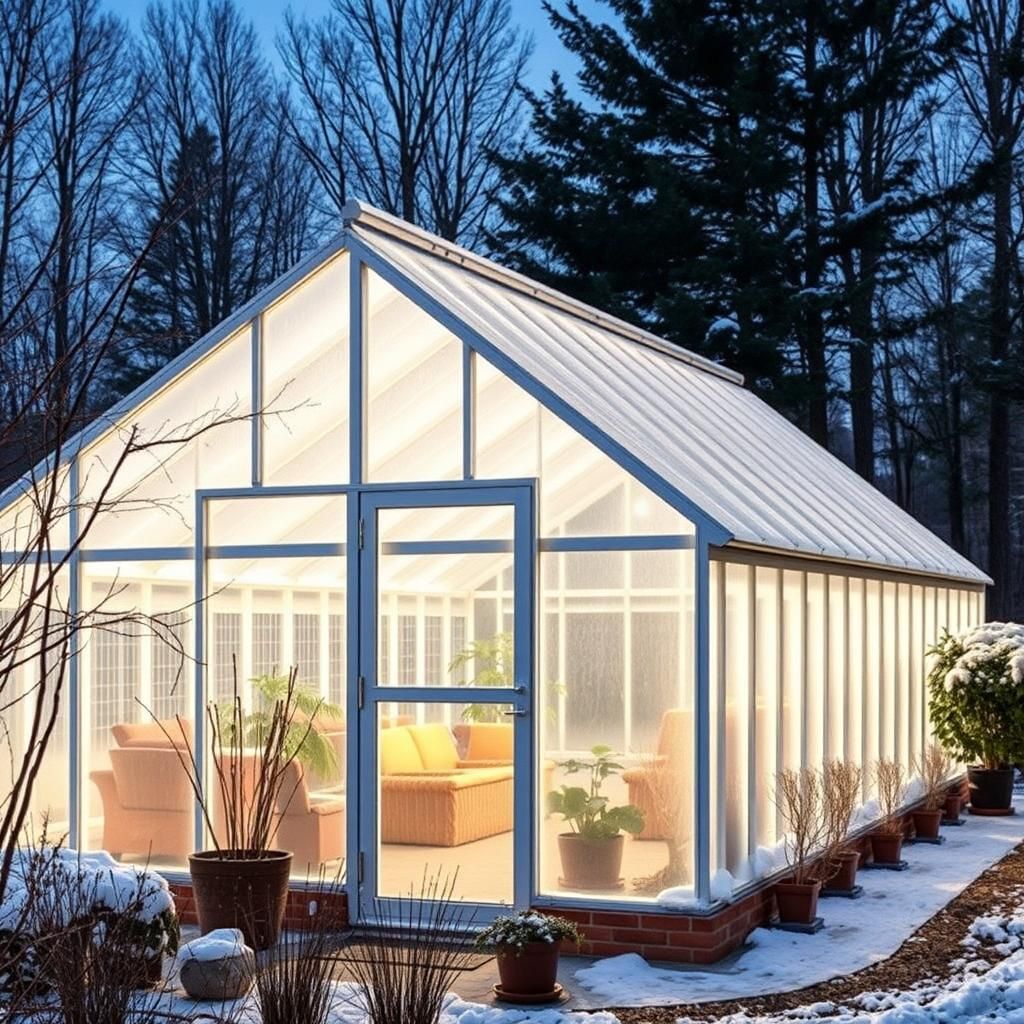
As winter descends, many gardeners wonder if their polycarbonate greenhouses can effectively retain warmth during the colder months. These structures offer unique advantages over traditional glass greenhouses, particularly in terms of insulation and durability. In this article, we will explore how polycarbonate greenhouses perform in winter conditions, highlighting their benefits for maintaining a suitable environment for your plants. Additionally, we will provide practical tips to enhance heat retention, ensuring your greenhouse remains a sanctuary for growth even when temperatures plummet. Discover how to maximize the potential of your polycarbonate greenhouse this winter season.
Do Polycarbonate Greenhouses Retain Heat During Winter?
Polycarbonate greenhouses are designed to be efficient in retaining heat, making them an excellent choice for gardening during the colder months. The multi-wall structure of polycarbonate provides superior insulation compared to traditional glass, effectively trapping heat within the greenhouse. Polycarbonate panels can also block harmful UV rays while allowing sufficient light to penetrate, which results in a warmer, more controlled environment. Moreover, the hollow structure of the panels creates air pockets that serve as barriers, further reducing heat loss. Consequently, if properly ventilated and maintained, polycarbonate greenhouses can stay significantly warmer in winter than the outside temperature, enabling plants to thrive even in cold weather.
Advantages of Polycarbonate Greenhouses in Winter
Polycarbonate greenhouses offer several advantages during winter months, including enhanced thermal efficiency and durability. The twin-wall or multi-wall designs not only keep the interior warm but also provide strength against harsh weather conditions like snow and wind. Furthermore, the materials used for polycarbonate are often resistant to cracking or yellowing, offering a long-term solution for gardeners who want a reliable greenhouse throughout the seasons. These greenhouses also require minimal maintenance compared to other materials, making them a practical option.
Heat Retention Mechanisms in Polycarbonate
The heat retention in polycarbonate greenhouses occurs through several mechanisms. The layered structure of the panels creates air pockets that act as insulators, slowing down heat transfer. Additionally, polycarbonate has a lower thermal conductivity than glass, meaning it retains warmth more effectively. The greenhouse's design can also incorporate thermal mass elements, such as water barrels, which absorb heat during the day and release it at night, further stabilizing the temperature inside.
Proper Ventilation for Winter Growth
Ventilation is crucial for maintaining the right temperature and humidity levels inside polycarbonate greenhouses. While these structures are excellent for heat retention, inadequate ventilation can lead to excess humidity, which promotes disease and can harm plants. Therefore, installing proper ventilation systems, such as roof vents or fans, helps to regulate temperature and moisture levels, allowing for optimal plant growth even in winter. Proper airflow also prevents the build-up of stale air, ensuring a healthy environment.
Heating Options for Polycarbonate Greenhouses
To further enhance the warmth of polycarbonate greenhouses during winter, various heating solutions can be employed. Options include electric heaters, gas heaters, and hydronic heating systems that circulate warm water. Some gardeners also utilize passive solar heating through strategically placed mirrors or thermal mass to capture and retain sunlight's warmth. Each of these heating methods can help create an ideal growing environment for sensitive plants during colder months.
Comparing Polycarbonate to Other Materials
When compared to other greenhouse materials, polycarbonate stands out for its insulating properties and durability. Traditional glass greenhouses excel in light transmission but offer significantly less thermal insulation, making them challenging to manage in winter months. In contrast, acrylic panels are lighter but can be easily scratched or damaged. Polycarbonate, therefore, provides a balanced solution, combining strength, insulation, and light penetration, making it the preferred choice for winter gardening.
| Property | Polycarbonate | Glass | Acrylic |
|---|---|---|---|
| Insulation | High | Low | Medium |
| Durability | High | Medium | Low |
| Light Transmission | High | Very High | High |
| Weight | Medium | Heavy | Light |
| Cost | Medium | High | Medium |
How do you keep a polycarbonate greenhouse warm in the winter?
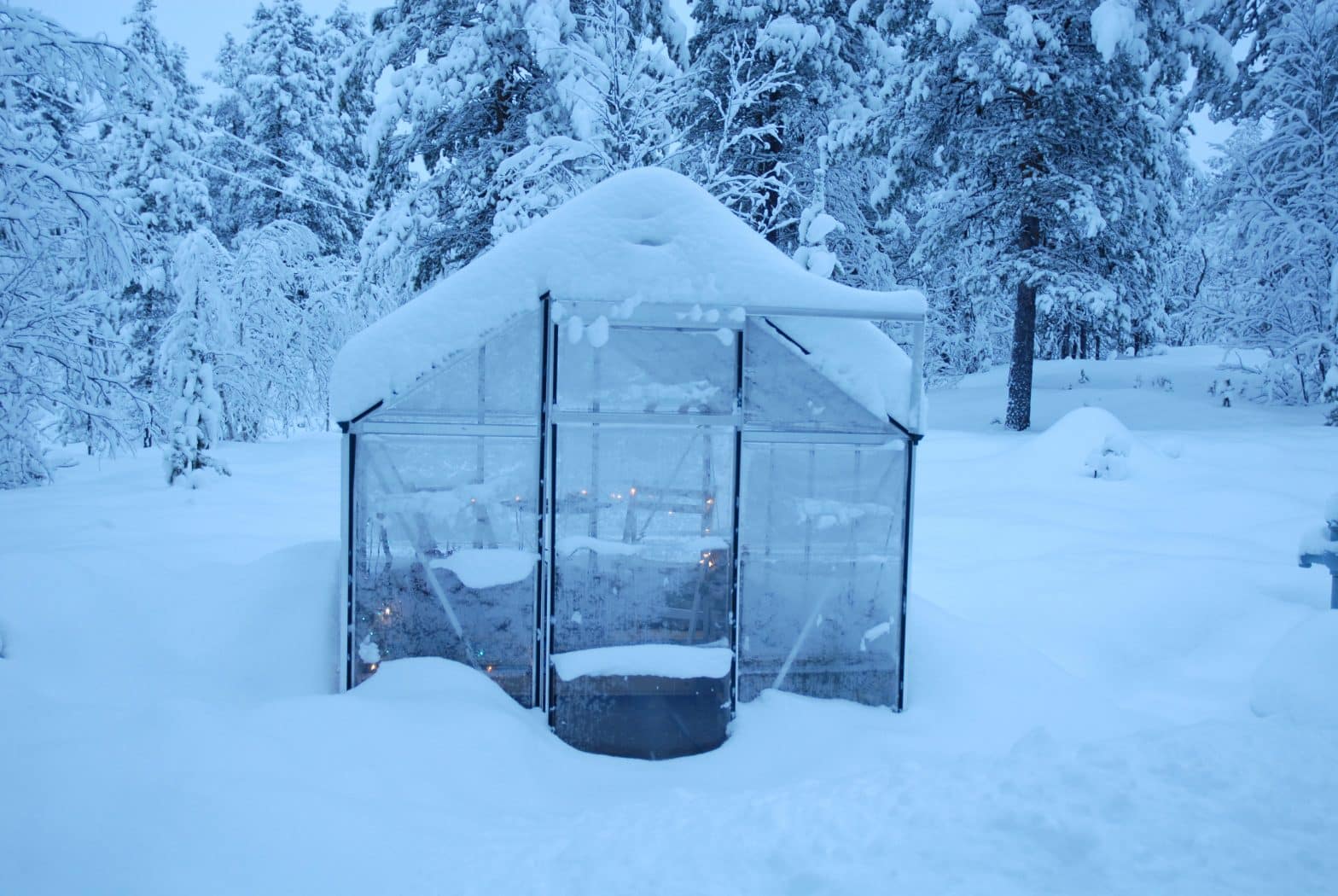
To keep a polycarbonate greenhouse warm in the winter, several strategies can be employed to optimize heat retention and maintain a favorable climate for plants. These techniques focus on minimizing heat loss, maximizing solar gain, and using supplemental heating when necessary.
Insulation Techniques
To effectively retain heat in your greenhouse, consider the following insulation techniques:
See also:
- Double-layer polycarbonate: Using double-layer polycarbonate panels rather than single-layer ones can provide better insulation due to the air gap between the layers.
- Bubble wrap: Covering the interior walls with bubble wrap during cold months adds an extra layer of insulation, trapping air and reducing heat loss.
- Floor insulation: Insulating the floor with materials like foam board can help prevent cold from seeping in from the ground.
Thermal Mass Considerations
Incorporating thermal mass can help stabilize temperature changes inside the greenhouse:
- Water barrels: Placing large containers of water inside the greenhouse can absorb heat during the day and release it at night, thereby maintaining a consistent temperature.
- Stone or brick materials: Using heavy stones or bricks within the greenhouse can also serve as thermal mass, absorbing warmth and radiating it slowly over time.
- Soil depth: Ensuring your plant beds have deep soil allows them to store heat better, aiding in maintaining the greenhouse temperature.
Ventilation and Air Circulation
Proper ventilation is crucial even in cold weather. Here’s how to manage it effectively:
- Fans: Installing small fans helps circulate warm air throughout the greenhouse, preventing cold spots that can arise from stagnant air.
- Passive ventilation: Using adjustable vents can allow for natural airflow while minimizing heat loss, opening them selectively during sunny days.
- Temperature monitoring: Use thermometers to monitor air temperatures, adjusting ventilation based on real-time readings to maintain optimal conditions.
Supplemental Heating Options
In cases where natural methods are insufficient, consider these supplemental heating options:
- Electric heaters: These can be placed strategically to provide additional heat during particularly cold nights.
- Propane or natural gas heaters: These can provide a more substantial source of heat but should be used with caution to ensure safety and reduce risk of greenhouse burns.
- Heat mats: Utilizing heat mats for seedlings or plants that need a warmer root zone can significantly improve growth during winter months.
Maximizing Sunlight Exposure
Harnessing sunlight effectively is essential during winter months:
- Orientation: Positioning the greenhouse to face south allows for maximum sunlight exposure throughout the day, aiding in natural heating.
- Cleaning surfaces: Regularly cleaning the polycarbonate panels ensures maximum sunlight penetration and reduces shading from dirt and debris.
- Use of reflectors: Placing reflective materials around the greenhouse can help redirect more light inside, increasing warmth and promoting plant health.
Are polycarbonate greenhouses good for winter?
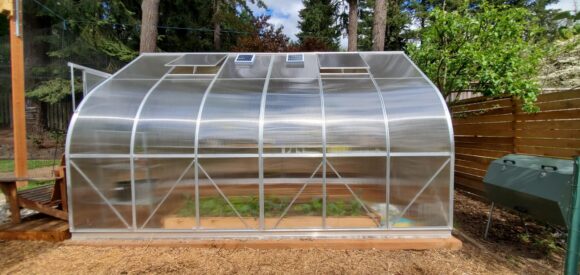
Polycarbonate greenhouses are becoming increasingly popular due to their unique properties that make them suitable for use during the winter months. These structures provide excellent insulation, durability, and light diffusion, making them an ideal choice for growing plants when temperatures drop.
Insulation Properties of Polycarbonate
Polycarbonate greenhouses are known for their superior insulation capabilities compared to traditional glass greenhouses. The multi-wall design of polycarbonate sheets provides an air layer within that acts as an insulator. This can significantly reduce heat loss, which is essential for maintaining a stable temperature within the greenhouse during cold months.
- They can retain heat effectively, allowing for a warmer environment.
- Lower energy costs for heating compared to other greenhouse materials.
- Prevents frost damage to delicate plants by maintaining a more consistent temperature.
Light Diffusion and Growth
Polycarbonate materials possess the ability to diffuse light effectively, which can be beneficial for plant growth, especially in winter when sunlight is less intense. This light diffusion allows plants to receive consistent light without the harsh shadows that can occur with other materials.
- Enhances photosynthesis, leading to healthier plants.
- Minimizes the risk of sunburn on delicate leaves.
- Can support a wider variety of plants due to optimal light conditions.
Durability and Weather Resistance
Polycarbonate greenhouses are incredibly durable and can withstand harsh winter weather conditions. Unlike glass, polycarbonate is resistant to impacts and does not shatter easily. This resilience makes it a safer option for regions prone to heavy snows or strong winds during winter.
- Can endure heavy snowfall without the risk of breaking.
- Resistant to UV radiation, prolonging the life of the greenhouse.
- Low maintenance compared to glass greenhouses, which can crack or need replacement.
Heat Retention at Night
During winter, temperatures can drop significantly at night. Polycarbonate greenhouses retain heat not only during the day but also at night. This property helps in creating a stable microclimate inside the greenhouse that can be vital for winter gardening.
See also:
- Stores heat gained from sunlight, releasing it slowly during the night.
- Reduces the risk of temperature fluctuations that could harm sensitive plants.
- Helps in extending the growing season for cool-weather crops.
Affordability and Accessibility
Polycarbonate greenhouses provide an accessible option for gardeners looking to extend their growing season into winter without breaking the bank. While initial costs may vary, the long-term savings due to lower heating bills and reduced replacements make these greenhouses a cost-effective choice.
- Lower installation and maintenance costs compared to glass greenhouse options.
- Energy efficiency can lead to significant long-term savings.
- Widely available, making them easy to source and purchase.
What are the disadvantages of polycarbonate greenhouses?

Polycarbonate greenhouses have gained popularity due to their durability and climate control capabilities. However, they come with a set of disadvantages that potential buyers should carefully consider. Here are some of the key drawbacks associated with polycarbonate greenhouses:
Initial Cost
The initial investment for a polycarbonate greenhouse can be higher compared to traditional glass or plastic options. This initial cost encompasses materials, frame, and installation, which can deter hobbyists or small-scale gardeners from choosing this option.
- Material Costs: Polycarbonate sheets are generally more expensive than glass or plastic.
- Setup Complexity: The installation process can require specialized tools and expertise, increasing labor costs.
- Long-Term Investment: While they save on energy costs over time, the upfront expenditure is significant.
Potential for Yellowing
Over time, the polycarbonate can undergo a process called yellowing, which diminishes its optical clarity. This change can decrease the amount of sunlight penetrating the greenhouse, adversely affecting plant growth.
- UV Exposure: Continuous exposure to UV light can lead to degradation of the material.
- Visual Impact: Yellowing can make the greenhouse less aesthetically pleasing.
- Replacement Routines: Depending on the severity, owners might need to replace panels sooner than anticipated.
Heat Retention Issues
While polycarbonate does provide good insulation, excessive heat retention can become a problem during the summer months. Greenhouses can trap too much heat, causing stress to plants that prefer cooler environments.
- Ventilation Requirements: Adequate ventilation systems must be installed to combat heat buildup.
- Thermal Fluctuations: Sharp temperature changes can occur if the greenhouse lacks proper cooling mechanisms.
- Plant Stress: Some plants may suffer from heat stress, affecting their growth rate and health.
Limited Longevity Compared to Glass
Although polycarbonate is known for its strength, it may not last as long as traditional glass in certain climate conditions. The structural integrity of polycarbonate may decrease over the years due to environmental stressors.
- Impact Resistance: While resistant to shattering, persistent impacts can cause the material to develop micro-cracks.
- Environmental Wear: UV rays and harsh weather can contribute to material degradation.
- Replacement Costs: Though cheaper than glass initially, the need for replacement could add hidden costs over time.
Condensation Issues
Polycarbonate greenhouses can be prone to condensation, which may lead to moisture-related problems such as mold or mildew. Managing humidity levels can become an added responsibility for growers.
- Humidity Control: Extra measures must be taken to maintain desirable humidity levels.
- Pest Attraction: Excess moisture can attract pests and diseases.
- Air Circulation: Proper air circulation systems are essential to minimize condensation risks.
Questions from Our Readers
Do polycarbonate greenhouses retain heat during winter?
Polycarbonate greenhouses are known for their excellent insulation properties, which means they can retain heat effectively during the winter months. The panels of polycarbonate trap air, creating a thermal barrier that helps maintain a stable temperature inside the greenhouse, minimizing heat loss during cold nights.
How do polycarbonate greenhouses compare to glass in winter?
While glass greenhouses can also provide warmth, polycarbonate greenhouses often outperform them due to their multi-wall structure. This design not only enhances insulation but also makes polycarbonate more impact-resistant and easier to maintain, which is especially beneficial during winter storms.
See also:
Is supplemental heating necessary for polycarbonate greenhouses in winter?
In most cases, supplemental heating may still be needed during extremely cold conditions, but polycarbonate greenhouses can significantly reduce the amount of heat required. Their ability to hold warmth means that sometimes minimal heating is sufficient to keep plants safe and thriving in winter.
Can plants survive the winter in a polycarbonate greenhouse?
Yes, many plants can survive the winter in a polycarbonate greenhouse, provided it is properly managed. The insulating properties of polycarbonate help prevent frost and create a more stable environment, allowing gardeners to cultivate vegetables and other plants year-round.

If you want to read more articles like Do Polycarbonate Greenhouses Stay Warm in Winter? Discover the Benefits and Tips for Maintaining Heat, we recommend you check out our Garden category.
Leave a Reply
Related Articles