10 Effective Tips on How do I keep my greenhouse cool in hot summer?

As the summer heat intensifies, keeping your greenhouse cool becomes a crucial task for any gardener seeking to maintain optimal growing conditions. Excessive temperatures can lead to heat stress in plants, affecting their health and productivity. Fortunately, there are several effective strategies you can implement to ensure your greenhouse remains a comfortable environment for your plants. In this article, we will explore ten practical tips that can help you manage the heat within your greenhouse, from ventilation techniques to shading solutions, ensuring that your plants thrive even in the hottest months of the year.
How to Keep Your Greenhouse Cool During Hot Summer Months
To keep your greenhouse cool during the hot summer months, it's essential to implement a variety of strategies that focus on ventilation, shading, and proper watering practices. Using automatic ventilation systems such as exhaust fans or roof vents can significantly reduce heat buildup inside the greenhouse. Additionally, employing shade cloths over the structure or strategically positioning nearby trees or buildings can help minimize direct sunlight. Ensuring that plants are adequately watered not only keeps them healthy but also contributes to lowering the surrounding temperature through the cooling effect of evaporation. Regularly monitoring the temperature and humidity levels inside the greenhouse will also help in making necessary adjustments to maintain an optimal growing environment.
Implementing Shade Cloths
Using shade cloths is an effective way to reduce the amount of direct sunlight entering the greenhouse. Available in various densities, these cloths can block anywhere from 30% to 90% of incoming light. When selecting a shade cloth, consider the specific plants you are growing, as some may thrive under more shade while others may require more light. Proper installation ensures that the cloth is securely attached and does not obstruct ventilation, maintaining airflow while moderating temperatures within the greenhouse.
Enhancing Airflow and Ventilation
Improving airflow and ventilation is crucial for keeping a greenhouse cool. This can be achieved by installing exhaust fans, side vents, or roof vents that allow hot air to escape. Cross-ventilation can be particularly effective; by opening doors and windows on opposite sides of the structure, cooler air can flow in while warmer air is pushed out. Automated vent openers can help in maintaining optimal temperatures without requiring constant monitoring, ensuring the greenhouse remains comfortable for plants.
Watering Practices
Proper watering practices play a significant role in cooling your greenhouse. Begin by watering plants in the early morning or late evening when temperatures are lower, which allows moisture to be retained longer throughout the day. This not only hydrates the plants but also increases humidity levels, creating a natural cooling effect. Additionally, using a drip irrigation system can help prevent excess heat buildup in the greenhouse by delivering water directly to the plant roots, minimizing evaporation and conserving water.
Using Reflective Materials
Incorporating reflective materials on the roof and sides of the greenhouse can help divert sunlight away, reducing heat absorption. Materials such as white paint, reflective films, or even specialized greenhouse coverings designed to reflect heat can significantly lower internal temperatures. This method not only aids in temperature control but also prolongs the lifespan of the greenhouse materials by protecting them from prolonged exposure to intense sunlight.
Plant Arrangement and Spacing
The way you arrange your plants within the greenhouse can impact temperature regulation as well. Denser arrangements can create competition for light, resulting in added stress on plants during hot weather. Therefore, implementing proper spacing encourages better airflow around the plants, helping to lower local temperatures. Additionally, grouping heat-sensitive plants together can make it easier to manage their specific cooling needs, ensuring optimal growth conditions even during the hottest days.
| Strategy | Description |
|---|---|
| Shade Cloths | Block sunlight to reduce heat buildup. |
| Airflow and Ventilation | Enhance airflow with fans and vents. |
| Watering Practices | Water early or late for maximum cooling. |
| Reflective Materials | Use reflective materials to lower heat absorption. |
| Plant Arrangement | Space plants for improved airflow. |
How do you keep a greenhouse cool in extreme heat?
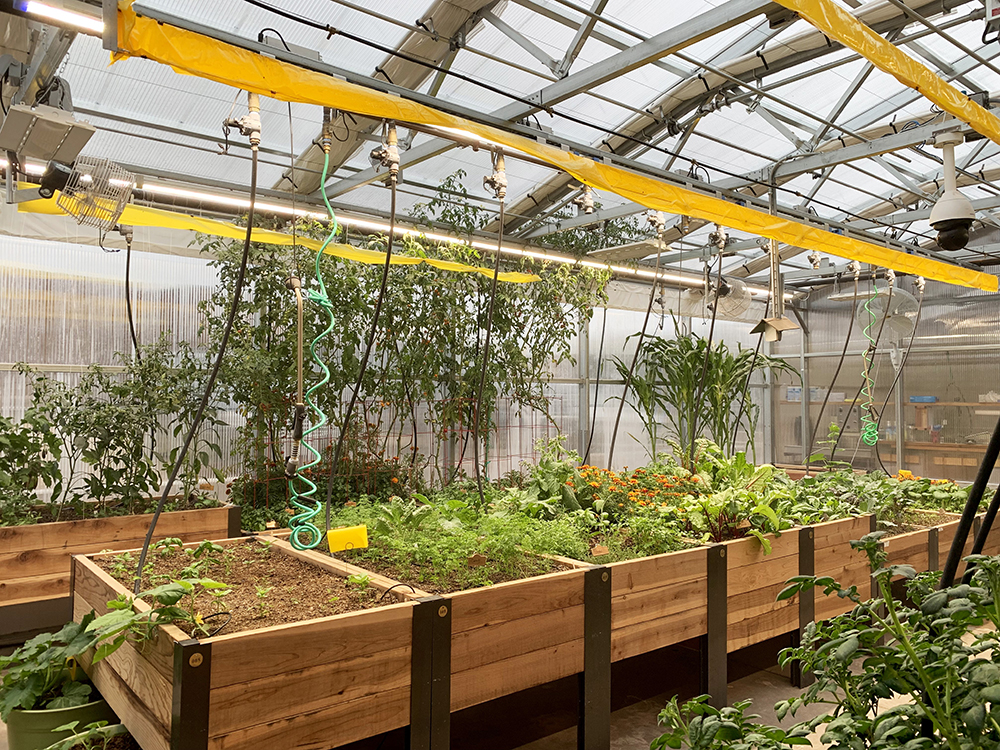
To keep a greenhouse cool in extreme heat, it is essential to implement several techniques that help manage the internal temperature and humidity levels effectively. These methods ensure that plants do not suffer from heat stress, which can hinder growth and productivity. Here are some strategies:
Ventilation
Proper ventilation is crucial for cooling a greenhouse. Natural ventilation can be achieved by opening windows and vents to allow hot air to escape, while cooler air is drawn in.
See also:
- Install roof vents: Allows hot air to rise and escape.
- Use side vents: Facilitates cross-ventilation for air circulation.
- Automate ventilation: Consider using automatic systems for opening or closing vents based on temperature.
Shade Cloths
Implementing shade cloths is an effective method to reduce the amount of sunlight that enters the greenhouse. Shade cloths come in various densities, allowing for flexibility based on plant needs.
- Choose the right density: Use a cloth with 30-50% shading for most plants.
- Cover the entire greenhouse: Ensure optimal coverage to block intense sunlight.
- Adjust for seasons: Modify or remove shade cloths based on seasonal light requirements.
Misting Systems
Employing misting systems can help control temperature and humidity levels within the greenhouse. This technique works by cooling the air through the evaporation of water.
- Install a fine misting system: Delivers a fine spray of water to cool down the environment.
- Monitor humidity levels: Ensure humidity does not become excessively high, which can lead to other issues.
- Optimize mist intervals: Adjust the misting frequency based on temperature and humidity requirements.
Insulation
Appropriate insulation is key in maintaining a stable internal environment. Insulation helps prevent heat from entering excessively and also maintains the internal temperature during cooler night hours.
- Use thermal screens: Install screens to reflect heat away during the hottest parts of the day.
- Insulate the greenhouse structure: Materials such as double polycarbonate panels can insulate effectively.
- Seal gaps: Ensure there are no cracks or openings that allow heat to enter.
Cooling Fans
Using cooling fans can significantly improve air circulation and lower temperatures within the greenhouse. Fans help to move hot air out and distribute cooler air more evenly.
- Install exhaust fans: Place these at the highest points to expel hot air.
- Use circulation fans: Position fans at various locations to ensure even air distribution.
- Consider evaporative coolers: These combine evaporation and air flow to drastically lower temperatures.
What is the cheapest way to cool a greenhouse?

To achieve an effective cooling system for a greenhouse while minimizing costs, there are several strategies that can be implemented. These methods primarily focus on enhancing ventilation, utilizing passive cooling techniques, and employing low-cost materials. Below are some of the cheapest options to cool a greenhouse efficiently.
Use of Shade Cloth
One of the simplest and most affordable methods to reduce the temperature within a greenhouse is to use shade cloth. This material can be draped over the greenhouse structure to block a percentage of sunlight, thus preventing overheating. Advantages of using shade cloth include:
- Cost-effective: Shade cloth is inexpensive compared to mechanical cooling systems.
- Variety: Available in different percentages, allowing customization based on specific crop needs.
- Durability: Many shade cloths are designed to withstand various weather conditions.
Ventilation Techniques
Proper ventilation is crucial for maintaining lower temperatures in a greenhouse. This can be achieved by using natural ventilation strategies, which are less expensive than mechanical systems. Techniques include:
- Roof Vents: Installing vents at the top of the greenhouse allows heat to escape.
- Side Vents: Lower side vents can create cross-ventilation, helping to bring in cooler air.
- Fans: Incorporating low-cost oscillating fans can enhance air circulation without heavy investment.
Evaporative Cooling
Evaporative cooling is another cost-effective method to lower temperatures in a greenhouse. This approach leverages the natural cooling effects of water. Some options include:
- Misting Systems: Installing a misting system can lower temperatures significantly as the water evaporates.
- Wet Walls: Creating a wet wall can provide passive cooling as air moves through it.
- Water Sprinklers: Regularly spraying the greenhouse floor can also help reduce temperatures through evaporation.
Insulation
Good insulation can significantly help maintain an optimal temperature in a greenhouse. Effective insulation reduces the heat gain during the day and helps to retain coolness at night. Insulation methods include:
See also:
- Double Polycarbonate Panels: Adding layers can improve insulation without major costs.
- Bubble Wrap: Using bubble wrap on the interior walls can provide extra insulation at a low price.
- Reflective Materials: Attaching reflective materials on the exterior can reduce heat absorption.
Plant Management Strategies
Careful management of the plants within the greenhouse can also influence temperature control. Certain strategies can help in this regard:
- Proper Spacing: Allowing sufficient space between plants can enhance airflow, reducing local heat buildup.
- Choosing Heat-Resistant Varieties: Selecting crops that thrive in warmer conditions can help manage temperature better.
- Watering Practices: Watering in the cooler parts of the day can prevent heat build-up from evaporation.
How to make your greenhouse colder?

To make your greenhouse colder, you will need to implement a combination of strategies that can effectively lower the internal temperature. Here are several methods to achieve a cooler environment inside your greenhouse:
1. Improve Ventilation
Enhancing the airflow in your greenhouse is crucial for maintaining a cooler temperature. Good ventilation allows hot air to escape and cooler air to enter. Consider these options:
- Install roof vents that can be opened to let hot air rise and escape.
- Add side vents for lower-level ventilation, creating cross-ventilation that cools the air more effectively.
- Use exhaust fans or circulation fans to help promote airflow and keep temperatures down.
2. Utilize Shade Cloths
Applying shade cloths is an effective way to reduce the amount of sunlight penetrating your greenhouse. The amount of shading you need depends on your climate and the type of plants you are growing. Consider these points:
- Choose a shade cloth percentage (30-50%) based on your needs, which can block sunlight and reduce heat.
- Install the cloth on roofs and sides to minimize direct sunlight exposure.
- Use adjustable shade systems to control the level of shading based on the time of year.
3. Use Cooling Systems
There are different types of cooling systems that can significantly lower the temperature in your greenhouse. Here are some common methods:
- Install a misting system that releases fine water droplets into the air, which evaporates and cools the surrounding area.
- Utilize a swamp cooler, which uses water evaporation to cool air before it enters the greenhouse.
- Incorporate ice packs or frozen barrels of water placed around the greenhouse to absorb heat during hot days.
4. Optimize Plant Arrangement
The way you arrange your plants can influence the overall temperature in the greenhouse. Here are some tips to manage plant placement efficiently:
- Place larger plants or those needing less light on the east and west sides to block direct sun on smaller plants.
- Use raised beds or containers to allow for better air circulation around plants, which can help reduce temperature.
- Group plants with similar light and temperature needs together to minimize temperature fluctuations.
5. Insulate Your Greenhouse
Proper insulation can help maintain cooler temperatures inside your greenhouse by reducing heat absorption. Consider the following methods:
- Apply reflective materials to the inside walls of the greenhouse to reduce heat absorption.
- Use double-layered plastic for the greenhouse cover, creating an air gap that acts as insulation.
- Seal any gaps or cracks to minimize air leaks that can allow hot air to enter.
Questions from Our Readers
How can I use ventilation to cool my greenhouse?
To effectively cool your greenhouse, proper ventilation is essential. You can achieve this by installing exhaust fans at the roof and intake vents near the ground. This setup allows hot air to escape and cool air to enter, creating a natural airflow that helps maintain a more stable temperature.
What shading options can I implement to reduce heat?
Using shade cloth is a great way to keep your greenhouse cool during the summer. By blocking out a percentage of direct sunlight, shade cloth can lower internal temperatures significantly. Additionally, consider using reflective materials on the greenhouse exterior to deflect sunlight and further reduce heat accumulation.
See also:
How does watering affect the temperature in my greenhouse?
Regular watering not only keeps your plants healthy but also helps to lower greenhouse temperatures through the evaporation process. When water evaporates, it absorbs heat from the air, contributing to a cooler environment. However, it's crucial to monitor humidity levels to prevent excessive moisture buildup.
What role do plants play in cooling my greenhouse?
The plants in your greenhouse can assist in cooling through a process known as transpiration. As plants release moisture into the air, this increases humidity and lowers the overall temperature. Choosing heat-tolerant plants that require less water can also aid in maintaining a cooler greenhouse environment during hot months.

If you want to read more articles like 10 Effective Tips on How do I keep my greenhouse cool in hot summer?, we recommend you check out our Garden category.
Leave a Reply
Related Articles