What is the Cheapest Greenhouse Flooring? A Comprehensive Guide to Budget-Friendly Options
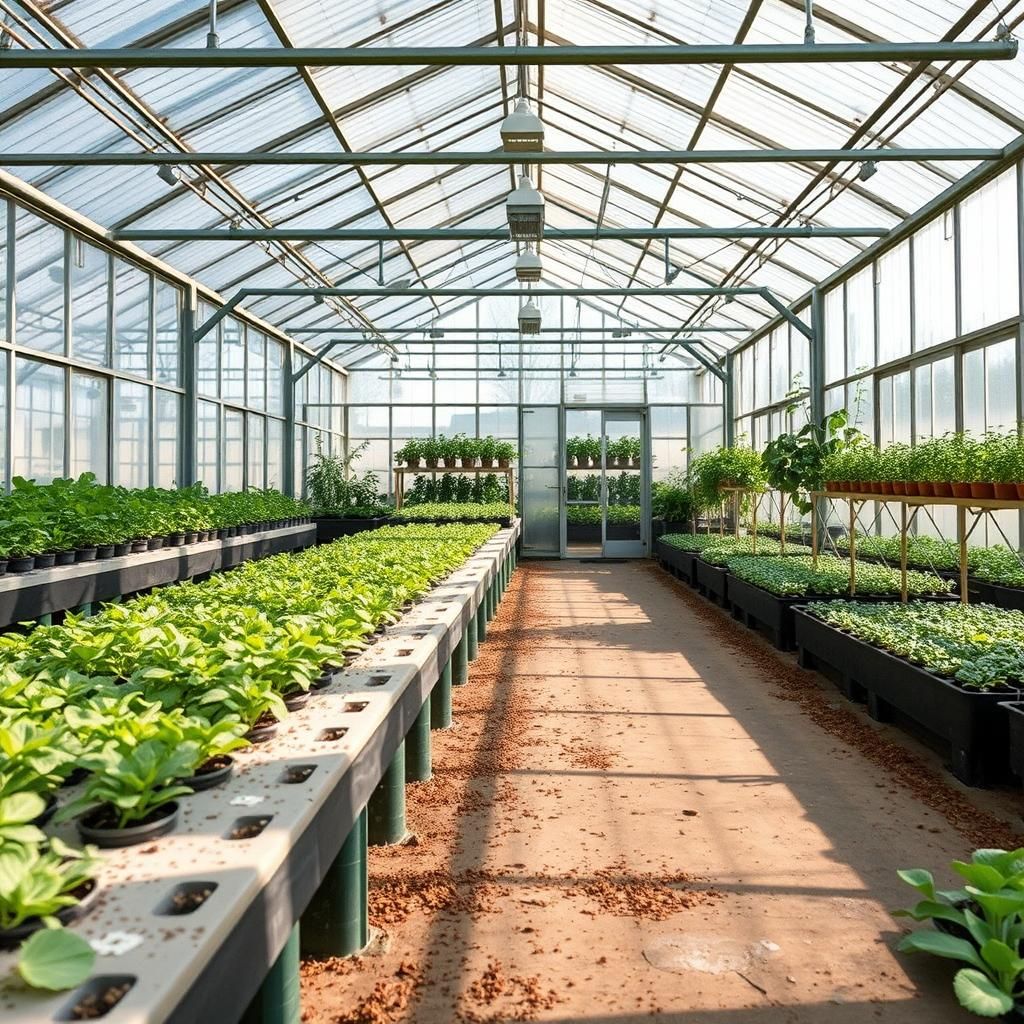
When it comes to setting up a greenhouse, choosing the right flooring can be a daunting task, especially for budget-conscious gardeners. Flooring options not only impact the aesthetics of your greenhouse but also influence factors such as drainage, maintenance, and plant health. In this comprehensive guide, we’ll explore the cheapest and most practical greenhouse flooring solutions available. From natural materials to DIY options, we’ll help you find budget-friendly choices that do not compromise on functionality or durability. Discover how to create a sustainable, cost-effective foundation for your growing space without breaking the bank.
What Is the Cheapest Greenhouse Flooring?
When considering the cheapest options for greenhouse flooring, many gardeners lean towards materials that are both economical and effective in managing moisture and weeds. Some of the most cost-effective choices include gravel, wood chips, and landscape fabric. Each of these materials offers unique benefits; for instance, gravel allows for excellent drainage and prevents weeds from taking over, while wood chips can enhance soil health as they decompose. Landscape fabric is also a popular choice among budget-conscious gardeners, as it provides a barrier against weeds while allowing water and nutrients to penetrate. Ultimately, the optimal selection will depend on the specific needs and conditions of the greenhouse environment.
Benefits of Gravel Flooring
Gravel flooring is highly affordable and provides excellent drainage, making it an ideal option for many greenhouse owners. The loose nature of gravel allows excess water to flow away from plant roots, preventing root rot and other water-related issues. Furthermore, gravel is easy to install and maintain, typically requiring only a periodic raking to keep it level and free from debris.
Wood Chips as a Flooring Option
Wood chips present another inexpensive flooring solution that not only suppresses weeds but also adds organic matter to the soil as they degrade over time. This organic matter improves soil structure and fertility, promoting healthier plant growth. While wood chips do need to be replenished periodically, they also help retain soil moisture and moderate greenhouse temperature fluctuations, making them a valuable choice for many gardeners.
Landscape Fabric for Greenhouses
Using landscape fabric offers a low-cost alternative that effectively blocks weed growth while allowing water and air to flow through. This material is particularly easy to install and can be laid directly on top of the soil or gravel. Landscape fabric is durable and can last for several years, making it a budget-friendly choice for those looking for a long-term flooring solution in their greenhouse.
See also:
Comparing Costs of Flooring Materials
Here’s a comparison of common greenhouse flooring materials based on their initial costs and long-term benefits:
| Material | Initial Cost (per square foot) | Long-term Benefits |
|---|---|---|
| Gravel | $0.50 - $1.00 | Excellent drainage, low maintenance |
| Wood Chips | $1.00 - $2.00 | Organic matter addition, moisture retention |
| Landscape Fabric | $0.80 - $1.50 | Weed suppression, durability |
Considerations When Choosing Flooring
When selecting the best affordable flooring option for your greenhouse, consider factors such as drainage, maintenance, and the types of plants you intend to grow. Each material has its advantages and potential drawbacks, depending on the specific conditions of your greenhouse. For example, if your area experiences heavy rainfall, gravel may be preferable due to its superior drainage capabilities. Conversely, if you seek to enhance your soil fertility, wood chips might be the better choice. Understanding these factors will help you make an informed decision that meets both your budget and gardening needs.
Understanding the Cost-Benefit of Various Greenhouse Flooring Options
When deciding on the cheapest greenhouse flooring, it’s essential to evaluate not only the initial costs but also the long-term benefits and maintenance expenses associated with each option. While materials like gravel, wood chips, or plastic sheeting may appear inexpensive at first glance, their durability, drainage capabilities, and how they impact the overall microclimate of the greenhouse can significantly affect your plants' health and your gardening experience. Therefore, a careful analysis of all these factors will guide you toward the most cost-effective choice for your specific needs.
Comparing Natural vs. Synthetic Flooring Materials
Natural flooring materials such as soil, grass, or wood offer affordability and the benefit of supporting natural ecosystems, but they can pose challenges with drainage and weed control. On the other hand, synthetic options like vinyl, plastic, and rubber can provide superior durability and ease of cleaning, reducing ongoing maintenance costs. Understanding the trade-offs between these two categories will help you make a more informed choice based on your gardening goals.
The Role of Drainage in Greenhouse Flooring Choices
Drainage is a crucial aspect of greenhouse flooring that can prevent issues like waterlogging and root rot in plants. Selecting materials that allow for effective water management, such as gravel or permeable pavers, can keep the floor dry and promote a healthy environment. A consideration of drainage capabilities should therefore be a top priority when evaluating the cheapest options to avoid costly problems later on.
See also:
Evaluating Long-Term Costs of Greenhouse Flooring
While initial costs are a significant factor, it’s vital to consider the long-term costs associated with different flooring types. For instance, while cheap options such as plastic may save money upfront, they can degrade over time, necessitating replacement sooner than more durable choices like concrete. Therefore, assessing the lifetime value of your flooring decision can lead to better investment choices in the long run.
Maintenance Requirements of Different Flooring Types
Different flooring materials come with varying maintenance requirements that can influence their overall cost-effectiveness. For example, materials like natural wood may require regular treatment to combat decay, whereas ceramic tiles demand less upkeep but higher initial investment. Understanding how much time and money you are willing to spend on maintaining your chosen flooring will help ensure it meets both your needs and budget effectively.
Incorporating Sustainable Practices in Flooring Selection
Incorporating sustainable practices into your greenhouse flooring selection can not only provide cost benefits but also contribute positively to the environment. Choosing materials sourced from recycled or renewable resources, such as bamboo or reclaimed wood, can be a budget-friendly option while diminishing your environmental impact. By prioritizing sustainability, you can create a greenhouse that aligns with eco-friendly principles, enhancing both your gardening experience and ecological footprint.
Questions from Our Readers
What is the cheapest material for greenhouse flooring?
The cheapest material for greenhouse flooring is often gravel. It provides excellent drainage and is relatively inexpensive to purchase and install, making it a popular choice among gardeners looking to save on initial setup costs.
Can I use concrete as a budget-friendly flooring option?
While concrete can be an affordable option depending on local prices, it typically involves higher upfront costs due to materials and labor. However, its durability and low maintenance can justify the investment over time for serious gardeners.
See also:
Are there any natural options for greenhouse flooring that are low-cost?
Yes, natural options like wood chips or bark mulch can be considered low-cost flooring solutions for greenhouses. These materials not only provide a rustic aesthetic but also help retain moisture in the soil and suppress weed growth.
What should I avoid when choosing inexpensive greenhouse flooring?
When selecting inexpensive flooring, it's important to avoid materials that can hold moisture or decay quickly, such as untreated wood. These options may save money initially, but can lead to problems like mold and pest infestations in the long run.

If you want to read more articles like What is the Cheapest Greenhouse Flooring? A Comprehensive Guide to Budget-Friendly Options, we recommend you check out our Garden category.
Leave a Reply
Related Articles