Do Plastic Greenhouses Need Ventilation? Essential Tips for Optimal Growth
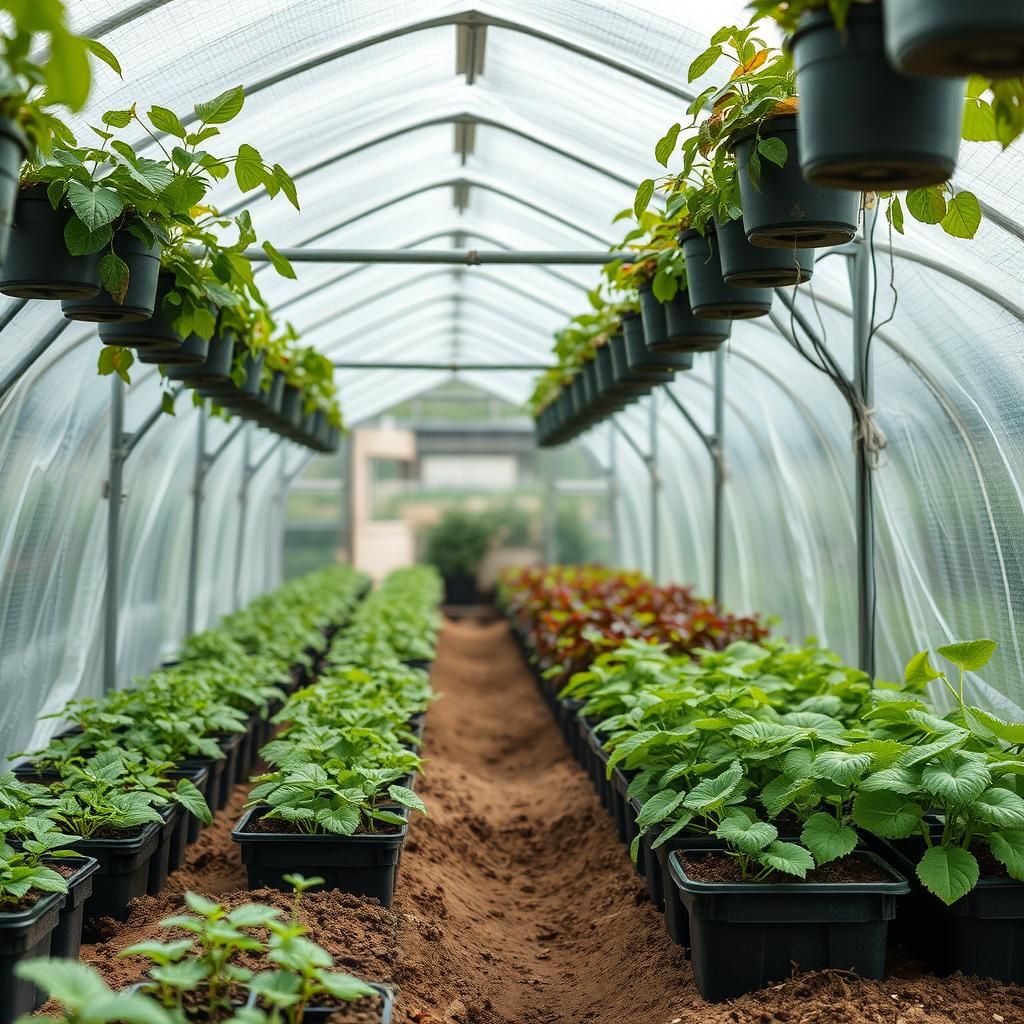
When cultivating plants in plastic greenhouses, understanding the importance of ventilation is crucial for achieving optimal growth. These structures can trap heat and humidity, creating a microclimate that can benefit plants but may also lead to adverse conditions if not properly managed. This article explores whether plastic greenhouses require ventilation, highlighting essential tips for maintaining a balanced environment. By examining the effects of airflow on plant health, temperature regulation, and humidity levels, growers can ensure their greenhouses provide the ideal setting for vibrant and thriving plants. Discover how simple ventilation strategies can enhance your gardening success.
Do Plastic Greenhouses Need Ventilation?
Plastic greenhouses absolutely need ventilation to function effectively, as proper airflow is crucial for maintaining optimal growing conditions for plants. Without sufficient ventilation, temperatures inside the greenhouse can rise rapidly, leading to extreme heat that can adversely affect plant health and growth. Additionally, good ventilation helps control humidity levels, reducing the risk of diseases caused by overly moist environments. By utilizing vents, fans, or other systems, growers can ensure a consistent exchange of air, promoting a healthier ecosystem within the greenhouse.
Importance of Ventilation
Ventilation plays a critical role in maintaining an ideal climate within plastic greenhouses. It helps to regulate both temperature and humidity, which can fluctuate significantly during the day and night. A properly ventilated greenhouse can prevent the onset of heat stress on plants, enabling them to thrive and minimizing the chances of diseases thriving in stagnant, humid air. Establishing a good ventilation strategy is essential for successful greenhouse management.
Types of Ventilation Systems
There are several types of ventilation systems available for plastic greenhouses, including passive and active systems. Passive ventilation relies on natural air movement through openings such as roof vents and sidewalls, while active ventilation involves mechanical systems such as fans to circulate air. Each system has its own advantages; passive systems can be more cost-effective and energy-efficient, while active systems provide more controlled airflow regardless of external weather conditions.
Indicators for Ventilation Needs
Specific indicators can help growers determine when ventilation is necessary. High temperatures exceeding 80°F (27°C), excessive humidity, or the presence of condensation on greenhouse surfaces are clear signs that ventilation is needed. Additionally, monitoring plant reactions, such as wilting leaves or stunted growth, can serve as cues that the greenhouse environment requires adjustment. Regularly checking temperature and humidity levels is essential for optimal plant health.
Best Practices for Ventilation
To ensure effective ventilation, growers should adopt best practices such as regularly checking and maintaining ventilation systems, utilizing automated controls for temperature and humidity, and strategically placing vents to maximize air exchange. The orientation of the greenhouse can also influence airflow patterns; thus, placement of vents considering wind direction can enhance the effectiveness of the ventilation system. It's essential to strike a balance between air circulation and maintaining the desired interior climate conditions.
Impact on Plant Growth
The impact of poor ventilation on plant growth can be substantial. When air circulation is insufficient, plants are more likely to experience stress, leading to reduced growth rates and productive yield. Consistent exposure to high levels of humidity without proper ventilation can also foster the development of fungal diseases, which can devastate crops. Conversely, adequate ventilation ensures that plants receive the right amount of carbon dioxide for photosynthesis, which is vital for their overall growth and productivity.
| Factor | Consequences of Poor Ventilation |
|---|---|
| Temperature | Increased stress and potential heat damage |
| Humidity | Risk of mold and diseases |
| Airflow | Reduced gas exchange affecting photosynthesis |
| Plant Health | Weak growth and lower yield |
| Environmental Control | Difficulties maintaining optimal growing conditions |
Should plastic greenhouses be open or closed?
Understanding the Purpose of Plastic Greenhouses
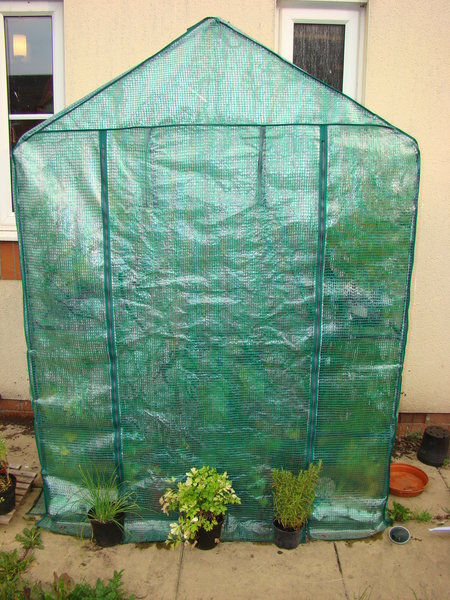
Plastic greenhouses are designed to create a controlled environment for plants. They allow sunlight to penetrate while maintaining higher humidity and temperature levels than the outside air. The decision to keep a plastic greenhouse open or closed depends on various factors, including environmental conditions and the specific needs of the plants being grown. Here are some key points to consider:
- Temperature Regulation: Closed greenhouses can help retain heat, which is crucial during colder months.
- Humidity Control: Keeping a greenhouse closed can maintain higher humidity levels, beneficial for many tropical plants.
- Pest Management: A closed environment helps limit the entry of pests, safeguarding the plants.
When to Keep Plastic Greenhouses Open
Some conditions necessitate keeping plastic greenhouses open to ensure proper plant growth and health. It is essential to monitor factors such as temperature and humidity to make informed decisions. Here are situations when it is advisable to open a plastic greenhouse:
- High Temperatures: On extremely hot days, opening vents or doors can prevent overheating.
- Excessive Humidity: If humidity levels become too high, opening the greenhouse can help prevent mold and fungal diseases.
- Air Circulation: Ensuring good airflow is critical to prevent stagnant air, which can lead to various plant diseases.
The Benefits of Keeping Plastic Greenhouses Closed
There are several advantages to maintaining a closed plastic greenhouse, especially under specific weather conditions. Here are some key benefits:
- Enhanced Plant Growth: A closed environment can boost plant growth by providing consistent temperatures and humidity.
- Protection from Elements: Closing the greenhouse shields plants from harsh weather conditions, such as strong winds and heavy rain.
- Easier Pest Control: A closed greenhouse minimizes the risk of invasive pests, allowing for easier pest management strategies.
Impact of Location on Greenhouse Management
The geographic location of the greenhouse plays a significant role in understanding whether to keep it open or closed. Factors like local climate, season, and geographical features are important considerations:
See also:
- Climate Conditions: In colder regions, keeping a greenhouse closed during winter months can preserve warmth.
- Seasonal Changes: Seasonal transitions might dictate frequent openings or closings to adapt to fluctuating temperatures.
- Elevation and Exposure: Areas at higher elevations or with specific sun exposures might require different management strategies.
Best Practices for Managing Plastic Greenhouses
Effective management of a plastic greenhouse involves closely monitoring environmental conditions and understanding the plants' requirements. Here are best practices to follow:
- Regular Monitoring: Utilize thermometers and hygrometers to keep track of temperature and humidity levels.
- Ventilation Systems: Implement automatic ventilation systems to adjust airflow based on real-time conditions.
- Adaptability: Be prepared to adjust your greenhouse management strategies based on seasonal changes and plant growth stages.
What are the disadvantages of plastic film greenhouses?

The disadvantages of plastic film greenhouses are varied and can significantly impact the efficiency of agricultural operations. While they provide benefits like reduced initial investment and lightweight structure, there are several drawbacks to consider.
Durability Issues
Plastic film greenhouses typically have a shorter lifespan compared to other materials like glass or polycarbonate. This leads to several concerns:
- Weather Resistance: Plastic films can be vulnerable to damage from extreme weather conditions, including hail, heavy winds, or snow accumulation.
- UV Degradation: Prolonged exposure to sunlight can cause the plastic to degrade over time, reducing its effectiveness and requiring more frequent replacements.
- Punctures and Tears: Thin plastic films are susceptible to punctures from debris or animal activity, which can compromise the growing environment.
Insulation Properties
The insulation properties of plastic film greenhouses are often inferior to those of more robust materials, leading to challenges in maintaining optimal climate conditions.
- Heat Retention: They typically struggle with retaining heat during the night or in cooler seasons, resulting in potential heat loss.
- Temperature Fluctuations: Sudden changes in temperature can affect plant growth and overall yield.
- Condensation: Insufficient insulation can lead to condensation on the interior surfaces, which might promote fungal diseases.
Limited Light Transmission
While plastic films allow light to penetrate, they can also block some wavelengths essential for plant growth.
- Wavelength Absorption: Certain plastics may absorb specific wavelengths, hindering photosynthesis.
- Albedo Effect: The reflective nature of some plastic films can cause uneven light distribution, affecting plant health.
- Maintenance of Clarity: Over time, the clarity of plastic films can diminish due to dirt or algae buildup, reducing effective light transmission.
Environmental Impact
The environmental impact of plastic film greenhouses is a significant concern due to the type of materials used and waste generated.
- Plastic Waste: Gardening with plastic contributes to landfill issues as the films are not biodegradable.
- Resource Consumption: The production of plastic films requires significant energy and resources, impacting the environment.
- Pollution: Degradation of plastic can result in microplastics entering the soil and water systems, affecting local ecosystems.
Maintenance Requirements
Plastic film greenhouses require regular maintenance to ensure they function effectively, which can be labor-intensive.
- Frequent Inspections: Farmers must frequently check for and repair any damage to the plastic film to maintain its integrity.
- Replacement Costs: Due to wear and tear, replacing plastic films can become a recurring expense, adding to operational costs.
- Cleaning Needs: Accumulation of dirt and algae necessitates cleaning to maintain light transmission, requiring additional resources.
Do greenhouses need to be vented?
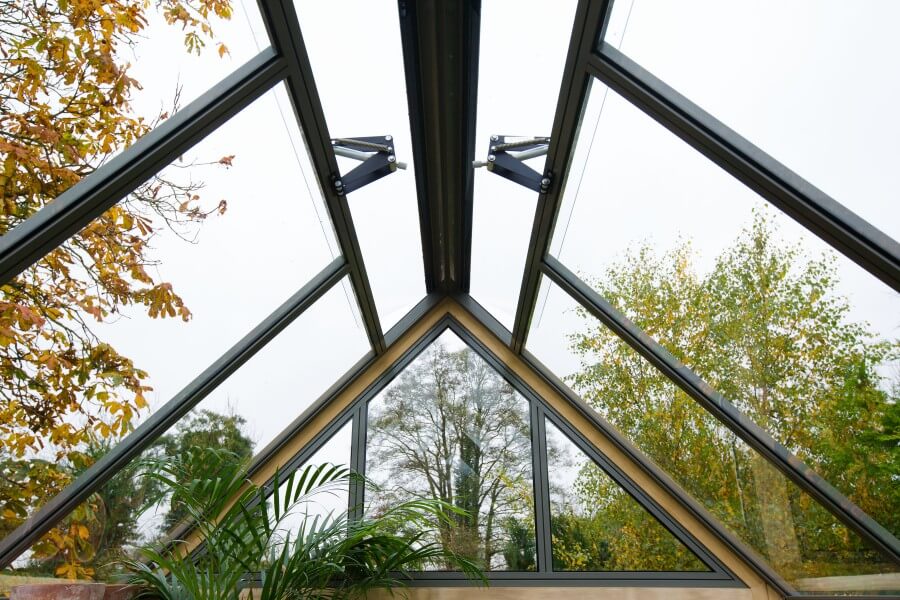
Yes, greenhouses need to be vented to maintain a healthy growing environment for plants. Proper ventilation helps regulate temperature, humidity, and air circulation, which are critical for plant growth. Without adequate ventilation, greenhouses can become excessively humid and hot, leading to plant stress, diseases, or even death. Ventilation techniques can include passive solutions, such as adjustable windows and vents, and active solutions, such as exhaust fans.
Importance of Temperature Control
Maintaining an appropriate temperature within a greenhouse is essential for optimal plant growth. High temperatures can be detrimental as they can lead to heat stress or wilting of plants.
- Heat Stress: High temperatures can overheat plants, causing them to wilt or suffer from dehydration.
- Optimal Growth: Different plants have specific temperature ranges that must be maintained for healthy growth.
- Pest Control: Some pests thrive in warmer conditions, making temperature control vital for managing them.
Humidity Management
Humidity levels in a greenhouse can greatly affect plant health. Too much humidity can lead to issues such as mold or fungal diseases, while low humidity can cause plants to dry out.
See also:
- Mold Growth: Excessive humidity can create an environment where mold and mildew can thrive, threatening plants.
- Watering Needs: High humidity can reduce the need for watering while low humidity can increase it significantly.
- Air Quality: Proper humidity control helps maintain better air quality within the greenhouse.
Air Circulation
Adequate air circulation is crucial in a greenhouse to prevent 'stale' air, which can harbor diseases and pests. Good airflow helps plants receive the necessary carbon dioxide for photosynthesis.
- Carbon Dioxide Supply: Air circulation ensures that plants have a sufficient supply of carbon dioxide for growth.
- Disease Prevention: Moving air can help prevent diseases by reducing the humidity around plants.
- Even Temperature Distribution: Air circulation can help distribute temperature evenly throughout the space.
Types of Ventilation Systems
There are various types of ventilation systems that can be implemented in greenhouses, each with its own advantages and disadvantages. Understanding these systems is important for optimal management.
- Natural Ventilation: Utilizes openings like windows and roof vents to allow hot air to rise and exit the greenhouse.
- Mechanical Ventilation: Uses fans to actively remove hot air, which is particularly useful in larger greenhouses.
- Positive Pressure Systems: Pushes fresh air into the greenhouse while removing stale air, ensuring a constant supply of fresh air.
Seasonal Considerations
Ventilation needs can vary significantly depending on the season. Different seasons pose unique challenges for greenhouse management that must be addressed proactively.
- Summer Ventilation: During summer months, higher temperatures necessitate more frequent ventilation to cool the greenhouse.
- Winter Ventilation: Although temperatures are cooler, humidity levels may still need to be monitored to prevent condensation and mold.
- Spring and Fall: Transitional seasons may require a balance of heating and cooling, making proper ventilation systems essential.
Does a greenhouse need to be airtight?

The question of whether a greenhouse needs to be airtight is multi-faceted. Generally, while it is beneficial for a greenhouse to retain heat and humidity, it does not need to be completely airtight. An ideal greenhouse environment balances ventilation and humidity control, allowing plants to thrive.
Importance of Ventilation
Ventilation in a greenhouse is crucial for maintaining a healthy environment for plants. Proper airflow helps in regulating temperature and humidity, which are essential for plant growth.
- Prevents overheating by allowing hot air to escape.
- Enhances carbon dioxide levels, critical for photosynthesis.
- Reduces the risk of diseases associated with high humidity.
Humidity Control
Controlling humidity is vital in a greenhouse setting. While some moisture is necessary for plant health, excessive humidity can lead to problems such as mold and mildew.
- Maintains optimal moisture levels for different plant species.
- Helps in retaining soil moisture while preventing waterlogged conditions.
- Encourages healthy root development through adequate air exposure.
Temperature Regulation
Temperature regulation is another significant factor in greenhouse management. An airtight structure can trap heat, potentially leading to scorching conditions.
- Facilitates consistent growth by preventing temperature fluctuations.
- Allows external heat to enter and cool night air to circulate.
- Improves overall plant performance by offering a stable environment.
Benefits of Natural Light
Greenhouses are designed to utilize natural light; however, an entirely airtight setup could limit light penetration.
- Ensures plants receive adequate sunlight, which is critical for photosynthesis.
- Enhances plant vitality by promoting healthy growth patterns.
- Reduces the dependency on artificial lighting, making it more energy-efficient.
Considerations for Greenhouse Design
When designing or purchasing a greenhouse, various factors should be considered regarding its airtightness.
- Selection of materials that balance insulation with ventilation needs.
- Incorporation of features like vents and fans to manage air circulation.
- Assessment of plant types and their specific climate requirements.
Questions from Our Readers
Do plastic greenhouses need ventilation?
Yes, plastic greenhouses do need ventilation to maintain optimal growing conditions. Proper ventilation helps regulate temperature and humidity levels, preventing overheating and reducing the risk of fungal diseases.
What are the benefits of ventilating a plastic greenhouse?
The benefits of ventilating a plastic greenhouse include improved air circulation, which can enhance plant growth, reduce humidity levels, and minimize the risk of pests and diseases. Effective ventilation also helps in maintaining a stable temperature for delicate plants.
See also:
How can you ventilate a plastic greenhouse effectively?
Effective ventilation in a plastic greenhouse can be achieved by using roof vents, side vents, or fans. Opening these vents during peak sunlight hours allows hot air to escape, while also bringing in cooler air to help maintain a comfortable environment for plants.
What happens if a plastic greenhouse is not ventilated?
If a plastic greenhouse is not ventilated, it can lead to excessive heat and humidity, which can stress plants, cause leaf drop, and promote the development of harmful diseases. Without proper airflow, conditions inside the greenhouse can become detrimental to plant health.

If you want to read more articles like Do Plastic Greenhouses Need Ventilation? Essential Tips for Optimal Growth, we recommend you check out our Garden category.
Leave a Reply
Related Articles