How Do You Overwinter an Unheated Greenhouse? Essential Tips for Success
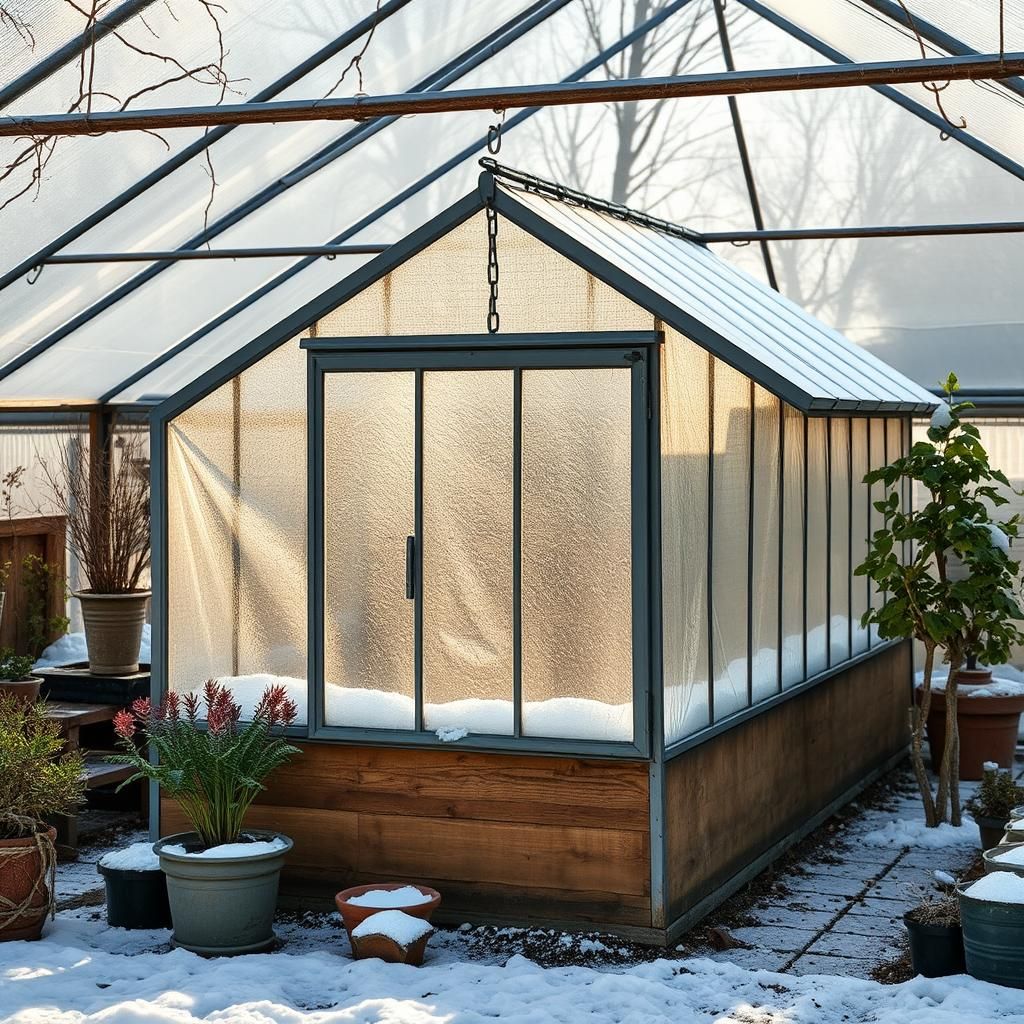
As winter approaches, the challenge of keeping an unheated greenhouse thriving becomes a pressing concern for many gardeners. Even without the luxury of heating systems, it's possible to protect your plants and ensure their survival during the colder months. Understanding the unique climate within your greenhouse and implementing effective winterizing strategies are crucial for success. In this article, we will explore essential tips to help you overwinter your unheated greenhouse, from insulating techniques to selecting the right plants. With these insights, you can create a nurturing environment that withstands the harsh winter conditions, allowing you to enjoy gardening year-round.
- How to Effectively Overwinter an Unheated Greenhouse
- Choosing the Right Plants for Overwintering
- Questions from Our Readers
- What is the best way to insulate an unheated greenhouse for winter?
- How can I maintain humidity levels in an unheated greenhouse during winter?
- Are there specific plants that can survive winter in an unheated greenhouse?
- What precautions should I take to protect my plants from frost in an unheated greenhouse?
How to Effectively Overwinter an Unheated Greenhouse
To successfully overwinter an unheated greenhouse, it is crucial to implement several strategies that will help protect plants from the harsh winter conditions. Begin by cleaning the greenhouse thoroughly before winter sets in, removing any dead plants and organic debris that could harbor pests or diseases. Next, consider using thermal mass materials like water barrels or rocks that can absorb heat during the day and release it at night, helping to maintain a more stable temperature. Insulating the greenhouse with bubble wrap or horticultural fleece can also help reduce heat loss, while placing row covers over sensitive plants will provide additional protection from frost. Regularly monitoring the temperature inside the greenhouse will allow you to make necessary adjustments, and using a heating mat can assist in maintaining warmth for more delicate seedlings.
Cleaning the Greenhouse
Cleaning is an essential first step in preparing an unheated greenhouse for winter. By removing old plant material, debris, and soil remnants, you can significantly reduce the risk of diseases and pests overwintering in the greenhouse. This process typically includes washing down the interior surfaces with a diluted bleach solution to sanitize, ensuring that no harmful pathogens survive. Additionally, checking for any structural damage before the winter chill strikes will help mitigate problems later on.
Utilizing Thermal Mass
Incorporating thermal mass into an unheated greenhouse can greatly improve temperature regulation during winter months. Water barrels, bricks, or stones absorb heat from sunlight during the day and release it slowly at night, creating a buffer against drastic temperature drops. Placing these materials strategically throughout the greenhouse not only helps maintain a more consistent environment but can also protect plants from sudden cold snaps during the night when temperatures can plummet.
Insulation Techniques
Insulating an unheated greenhouse is vital to prevent cold air from compromising plant health. Using bubble wrap or horticultural fleece can significantly reduce heat loss, effectively doubling the insulation of the glazing. Insulating covers can be attached to the walls and ceiling, ensuring a less frigid microclimate is maintained. These materials are light and can be easily removed once warm weather returns, making them a practical winter solution.
See also:
Protecting Sensitive Plants
For more delicate plants, using row covers provides an immediate barrier against frost and chilling winds. These lightweight fabrics allow sunlight to penetrate while trapping heat from the ground, creating a warmer microenvironment. It is essential to cover plants during particularly cold nights or harsh weather conditions to minimize stress and prevent damage. Regular checks on these covers ensure they are properly secured and adequately protect vulnerable plants.
Monitoring Temperature
Regular temperature checks inside the unheated greenhouse are pivotal for successful overwintering. Utilizing a simple thermometer helps track daily fluctuations, enabling timely adjustments to assist in maintaining optimal conditions. If temperatures start to drop dangerously low, additional protective measures, such as adding more thermal mass or reinforcing insulation, can be implemented as needed. Keeping a temperature log can also help you understand trends and prepare for future winters more effectively.
| Activity | Goal | Frequency |
|---|---|---|
| Clean greenhouse | Remove pests and disease | Once before winter |
| Check insulation | Reduce heat loss | Regularly during winter |
| Add thermal mass | Stabilize temperature | Initially, with any new setups |
| Monitor temperature | Ensure plant safety | Daily during winter |
| Use row covers | Protect delicate plants | As needed during cold nights |
Choosing the Right Plants for Overwintering
When considering how to overwinter an *unheated greenhouse*, it is crucial to choose the right plants that can survive the lower temperatures and reduced light conditions. Hardier varieties such as kale, spinach, and certain herbs can thrive during the winter months, while more sensitive plants may require additional protection or should be avoided altogether. Additionally, using mulch and protective coverings can help maintain soil temperature and provide necessary insulation for your selected plants. By carefully selecting resilient species, you can ensure a successful wintering process and prepare for robust growth in the spring.
Insulating Your Greenhouse
Insulating your greenhouse is essential for maintaining a stable and warm environment during the winter. Using materials such as bubble wrap, thermal curtains, or specialized greenhouse blankets can help trap heat without blocking sunlight. Additionally, ensuring that gaps and cracks are sealed will prevent cold drafts from entering, creating a more comfortable climate for your plants. Proper insulation can significantly improve your greenhouse's effectiveness in retaining heat during the colder months.
Managing Humidity Levels
Managing humidity levels is vital to prevent issues such as mold and fungus during the winter months. In an unheated greenhouse, the combination of cold air and moisture can lead to excessive humidity, which can harm your plants. Utilizing ventilation techniques, such as opening doors on warmer days or installing humidity monitors, can help maintain optimal conditions. Additionally, having good air circulation can prevent condensation from forming on the plants and surfaces inside the greenhouse.
See also:
Utilizing Row Covers and Cold Frames
Using row covers and cold frames within your unheated greenhouse can provide an extra layer of protection from freezing temperatures and harsh weather conditions. These structures create a microclimate that can significantly increase the temperature and light levels around your plants, promoting growth even in chilly environments. Row covers are particularly useful for protecting individual plants, while cold frames can act as small greenhouses for starting seedlings early in the spring.
Watering Wisely
In the winter, it's essential to adjust your watering schedule to accommodate the cooler temperatures and lower evaporation rates in your greenhouse. Overwatering can lead to root rot and other detrimental conditions, so it's important to check the soil moisture regularly. Water in the morning when solar heat is available, allowing plants to absorb water before the temperatures drop at night. Furthermore, using self-watering systems can help maintain consistent moisture levels without the risk of flooding your plants.
Preparing for Spring Planting
Preparing for spring planting during the winter months in an unheated greenhouse can set the stage for a successful growing season. This includes regularly checking the progress of your winter crops and ensuring that they have the necessary nutrients and light. Furthermore, starting seedlings indoors or in designated cold frames during late winter can give them a head start. By planning ahead and utilizing your greenhouse efficiently, you can transition smoothly into a productive spring with healthy plants ready for growth.
Questions from Our Readers
What is the best way to insulate an unheated greenhouse for winter?
To insulate an unheated greenhouse during winter, consider using materials like bubble wrap or thermal blankets on the interior surfaces of the walls. This will help trap heat and reduce the loss of warmth during colder months. Additionally, layering straw bales around the perimeter can act as a windbreak and further enhance insulation.
How can I maintain humidity levels in an unheated greenhouse during winter?
To maintain adequate humidity levels in an unheated greenhouse during winter, try placing trays of water or wet moss inside. This will help to create a more humid environment, which is beneficial for plant health. Ensure that there is some ventilation, but limit it to reduce heat loss while maintaining moisture.
See also:
Are there specific plants that can survive winter in an unheated greenhouse?
Yes, certain hardy plants can survive in an unheated greenhouse during winter. Consider growing cold-tolerant vegetables like kale, spinach, and cilantro, as well as perennials and some herbs that can withstand lower temperatures. It's crucial to select plants that are adapted to cooler conditions to ensure their survival.
What precautions should I take to protect my plants from frost in an unheated greenhouse?
To protect your plants from frost in an unheated greenhouse, consider using fleece or row covers to provide additional insulation during particularly cold nights. Also, monitor the temperature regularly and be prepared to cover sensitive plants if a sudden drop is expected. Placing heat-retaining materials like water barrels inside can also help mitigate extreme cold.

If you want to read more articles like How Do You Overwinter an Unheated Greenhouse? Essential Tips for Success, we recommend you check out our Garden category.
Leave a Reply
Related Articles