How Does Amish Heat a Greenhouse? Exploring Traditional Methods and Techniques

In the heart of Pennsylvania, the Amish community exemplifies a deep-rooted commitment to sustainable farming practices. Among their innovative techniques, greenhouse heating stands out as a fascinating blend of tradition and efficiency. This article delves into the methods employed by the Amish to maintain optimal temperatures in their greenhouses, exploring the use of natural resources, innovative designs, and time-tested practices. From utilizing solar energy to the strategic placement of compost piles, these approaches not only preserve the environment but also highlight the Amish philosophy of living in harmony with nature. Join us as we uncover the secrets behind the warmth of Amish greenhouses.
How Amish Heat a Greenhouse
The Amish community employs a variety of traditional techniques to heat their greenhouses, primarily focusing on low-tech, sustainable methods. One common approach is the use of passive solar heating, where the structure is designed to maximize sunlight exposure through large south-facing windows and thermal mass materials that absorb and retain heat. Additionally, they often utilize wood-burning stoves as an efficient heat source, along with compost heating where decomposing organic matter generates warmth. This eco-friendly method enhances soil temperatures, promoting plant growth while minimizing reliance on fossil fuels. Finally, careful insulation techniques are utilized to retain heat during colder months, ensuring optimal growing conditions throughout the year.
Passive Solar Heating Techniques
Passive solar heating involves designing the greenhouse to harness and retain solar energy. The orientation of the greenhouse is crucial, typically positioned to capture maximum sunlight, particularly from the south. Materials such as double-pane glass or polycarbonate panels are used to ensure efficient insulation and heat retention. The strategic placement of thermal mass, like water barrels or concrete blocks, helps to store heat generated during sunny days, releasing it slowly during the night and maintaining a more stable temperature for the plants inside.
Wood-Burning Stoves
Wood-burning stoves are a popular choice among the Amish for heating their greenhouses, leveraging the abundant natural resources around them. These stoves burn locally sourced wood, producing a consistent and controlled heat source that can be easily managed. The design of these stoves allows for efficient burning, minimizing smoke and emissions. This method not only provides a strong heating capability but also embodies the Amish values of using sustainable practices and being self-sufficient, as they avoid dependency on modern utilities.
Compost Heating
Compost heating is an innovative technique used by the Amish, where organic waste materials, such as kitchen scraps and plant residues, are composted within the greenhouse. As these materials decompose, they produce heat through microbial activity. This method not only keeps the greenhouse warm but also enriches the soil with nutrients. The heat generated from composting can raise the temperature inside the greenhouse, creating a conducive environment for seedlings and plants to thrive during colder months.
Insulation Methods
To maintain heat effectively, the Amish utilize various insulation methods for their greenhouses. One common practice involves covering the structure with thermal blankets or double layers of plastic during the winter months to reduce heat loss. They may also use straw bales or other natural materials as insulation barriers around the base of the greenhouse. By minimizing drafts and heat loss, these techniques help sustain the warm environment necessary for plant growth, especially in harsh winter climates.
Innovative Material Usage
The Amish also incorporate innovative materials in their greenhouse designs to enhance heating efficiency. For instance, they often opt for heavy, dark-colored materials that can absorb sunlight during the day and release heat gradually. Additionally, they may integrate reflective surfaces to direct sunlight deeper into the greenhouse, further optimizing the available light and heat. This combination of traditional craftsmanship and thoughtful material choices showcases their commitment to effective and sustainable agricultural practices.
| Heating Method | Description | Benefits |
|---|---|---|
| Passive Solar Heating | Utilizes sunlight and thermal mass to retain heat. | Low-cost, energy-efficient, environmentally friendly. |
| Wood-Burning Stoves | Burns locally sourced wood for a reliable heat source. | Effective heating, promotes self-sufficiency. |
| Compost Heating | Heats through decomposing organic matter. | Nutrient-rich soil, sustainable waste management. |
| Insulation Methods | Uses thermal blankets and natural materials to minimize heat loss. | Maintains stable temperatures, reduces energy needs. |
| Innovative Material Usage | Incorporates heavy, dark, and reflective materials. | Enhances sunlight absorption, energy efficiency. |
How do Amish heat their living room without gas electricity?

Amish communities utilize various traditional methods to heat their living spaces, specifically their living rooms, without relying on gas or electricity. These methods align with their commitment to sustainability and simplicity, using resources available locally and respecting their lifestyle choices.
Wood Stoves
Wood stoves are a popular heating option among the Amish. These stoves are efficient and can heat a room effectively by using firewood as the primary fuel source. Key points include:
- Efficiency: Wood stoves can produce ample heat and are easy to maintain.
- Self-Sufficiency: The Amish often gather their firewood from their own land, promoting a self-sufficient approach.
- Tradition: Using wood stoves aligns with Amish values, prioritizing simplicity and functionality.
Fireplaces
Many Amish homes feature traditional fireplaces that provide both warmth and a cozy atmosphere. Fireplaces offer a multifaceted heating solution:
See also:
- Aesthetic Appeal: Fireplaces create a warm and inviting ambiance, which is valued in Amish culture.
- Heat Distribution: They can effectively distribute heat throughout the living room, keeping it comfortable.
- Family Gatherings: The fireplace serves as a social hub where family and friends gather around.
Insulation and Energy Efficiency
The Amish utilize high levels of insulation in their homes to maximize energy efficiency and retain heat. This approach includes:
- Natural Materials: The use of straw, wood, and other natural materials for insulation minimizes heat loss.
- Sealing Gaps: Careful sealing of windows and doors prevents drafts, making the living space warmer.
- Passive Solar Heating: Positioning homes to take advantage of sunlight helps keep interiors warm naturally.
Use of Quilts and Blankets
In addition to structural methods, the Amish community often relies on textiles for warmth. Handmade quilts and blankets are common:
- Layering: Multiple quilts add layers of insulation, retaining body heat when sitting in colder areas.
- Craftsmanship: Amish quilts are often handmade and serve as functional décor.
- Cost-Effective: Using textiles rather than relying solely on heating systems is economically viable.
Community Heating Practices
Amish communities sometimes engage in cooperative heating practices, sharing resources and labor:
- Community Gatherings: Gathering together for warmth during colder months builds community bonds.
- Shared Resources: Communities may share wood supplies or tools for heating, promoting sustainability.
- Pooling Knowledge: Sharing practices and techniques for efficient heating can help preserve traditions.
How are greenhouses heated?
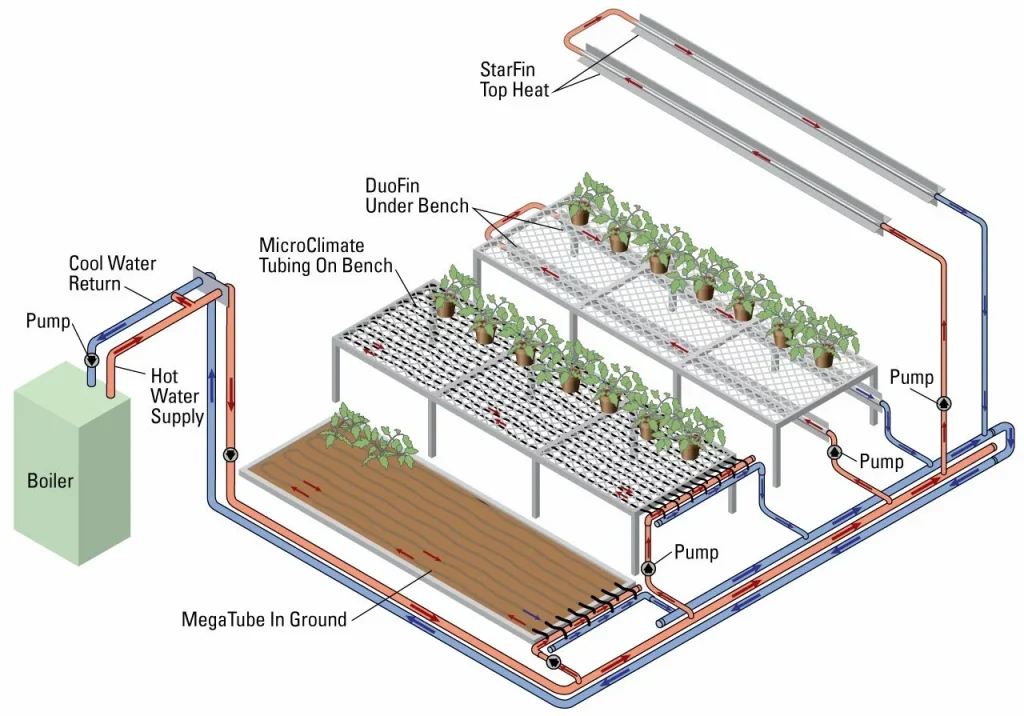
Greenhouses are heated using various methods to maintain an optimal growing environment for plants. The objective is to manage the temperature inside the greenhouse, enabling plants to thrive even in adverse weather conditions. Here are some common heating methods utilized in greenhouses:
Types of Heating Systems
There are several types of heating systems used in greenhouses, each with its own advantages and disadvantages:
- Gas heaters: These are popular for their efficiency and ability to quickly raise temperature.
- Electric heaters: They are easier to install and can be very effective in smaller greenhouses.
- Hot water heating: This system involves running hot water through pipes, providing a consistent temperature throughout.
- Infrared heaters: These heaters warm objects directly, which can be more effective in certain situations.
- Renewable energy sources: Solar panels and biomass heating systems are becoming more common for eco-friendly options.
Insulation Techniques
Proper insulation is crucial in maintaining heat within a greenhouse. Different insulation techniques help retain warmth, reducing the need for excessive heating:
- Double glazing: Using two layers of glass or plastic helps trap heat.
- Bubble wrap: This can be used on the inside surfaces to provide additional insulation.
- Thermal curtains: Installing curtains can help retain heat during the night.
- Windbreaks: Planting evergreen trees around the greenhouse can shield it from cold winds.
- Ground insulation: Using insulation materials on the ground can minimize heat loss from the base.
Ventilation and Airflow Management
Effective ventilation is essential not just for cooling but also for evenly distributing heat within the greenhouse:
- Exhaust fans: These help in circulating warm air, preventing hot and cold spots.
- Intake vents: Placing vents at low and high points can promote better airflow.
- Natural ventilation: Opening windows and roofs can help regulate temperature when needed.
- Heating and cooling balance: Adjusting ventilation based on outside temperature is key to maintaining efficiency.
- Automated systems: Using technology can help monitor and control airflow for optimal results.
Thermal Mass and Soil Heating
Incorporating thermal mass into greenhouse design is an effective way to store heat, contributing to a stable internal temperature:
- Water barrels: Placing water containers inside can absorb heat during the day and release it at night.
- Concrete or stone blocks: These materials can retain heat and help regulate temperature fluctuations.
- Soil temperature: Ensuring that the soil is adequately warmed can help in the overall heating process.
- Heating cables: Installing these in the soil can help maintain consistent warm soil temperatures.
- Composting: Utilizing compost piles can generate heat, further contributing to the greenhouse environment.
Monitoring and Control Systems
Implementing monitoring and control systems can greatly enhance the effectiveness of heating in greenhouses:
- Thermometers: Regular temperature measurement helps in making informed heating decisions.
- Smart controllers: These devices can automate heating based on real-time data and set schedules.
- Feedback systems: Monitoring humidity and temperature can optimize the heating process.
- Data logging: Keeping records of temperature fluctuations allows for better future planning.
- Remote monitoring: Technology enables growers to check greenhouse conditions from anywhere, allowing for immediate adjustments.
How were Victorian greenhouses heated?


Victorian greenhouses, a hallmark of the 19th-century horticultural boom, were ingeniously heated using various methods to maintain the optimal conditions for plant growth. The most common methods included the use of hot water systems, flued stoves, and other innovative heating techniques that allowed for year-round cultivation.
One of the key features of these greenhouses was their use of glass panes to maximize sunlight while minimizing heat loss. Heat retention was crucial in colder climates, and the Victorian era saw the introduction of several efficient design elements that enhanced the heating systems of these structures.
Hot Water Heating Systems
Hot water heating systems were prevalent in Victorian greenhouses, using water heated in a boiler or stove to circulate warmth through pipes.
- Boilers: Typically fueled by coal or wood, these boilers would heat water that was then circulated through pipes.
- Radiant Heat: The pipes were often installed below the plant beds, allowing the heat to rise and warm the soil directly, promoting faster plant growth.
- Thermal Efficiency: This system was effective because water retained heat longer than air, providing consistent warmth even after the boiler was off.
Flued Stoves
Another prevalent method was the use of flued stoves, which were positioned strategically within the greenhouse to provide heat.
- Design: These stoves were designed with flues to ventilate smoke outside while distributing heat within the greenhouse.
- Direct Heating: They provided direct heat, warming the air inside the greenhouse quickly compared to other methods.
- Accessibility: Flued stoves were relatively easy to maintain and could be fueled with locally available materials like wood or coal.
Hotbeds
Hotbeds were another ingenious solution employed in Victorian greenhouses, utilizing decomposing organic material to generate heat.
- Compost Piles: Layers of manure or compost would be placed beneath the soil, producing heat as they decomposed.
- Soil Warming: This method created a microclimate, warming the soil and promoting faster seed germination.
- Economic Efficiency: It was a low-cost heating method, making it accessible for smaller greenhouse owners.
Thermal Mass Techniques
Victorian architects also embraced thermal mass techniques to retain heat within the greenhouse.
- Construction Materials: Use of brick or stone walls helped store heat during the day, releasing it slowly at night.
- Water Tanks: Large water tanks were sometimes incorporated into the structure, absorbing heat during the day and radiating warmth at night.
- Design Considerations: Strategic placement of thermal mass elements maximized their effectiveness in even the coldest months.
Insulation Methods
The insulation methods employed in Victorian greenhouses significantly contributed to maintaining a stable internal temperature.
- Double Glazing: Some greenhouses utilized double-glazed windows to minimize heat loss while allowing sunlight in.
- Cover Materials: Use of thicker glass or specific materials helped reduce heat loss during the cold weather.
- Sealing Techniques: Proper sealing around doors and windows prevented cold drafts, contributing to overall warmth retention.
Questions from Our Readers
How do the Amish use traditional methods to heat a greenhouse?
The Amish primarily use natural materials and traditional techniques to heat their greenhouses. They often rely on solar gain by utilizing large windows and strategically placed vents to maximize sunlight exposure during the day. Additionally, compost heaters and wood stoves are commonly employed to provide warmth, allowing them to maintain favorable growing conditions without relying on modern technology.
What role does insulation play in heating Amish greenhouses?
Insulation is critical in Amish greenhouses as it helps retain heat during colder months. The Amish typically use thicker walls and double-layered plastics to improve thermal efficiency. By minimizing heat loss, they can maintain a more stable environment for plants, leading to better growth and productivity throughout the winter season.
Do the Amish utilize renewable energy sources for greenhouse heating?
While the Amish generally avoid the use of modern technology, they may incorporate renewable energy sources in a limited way. Some Amish greenhouses utilize passive solar designs to maximize efficiency by absorbing sunlight during the day and reducing the need for additional heating. However, reliance on traditional wood-burning stoves remains more common.
How do Amish practices in greenhouse heating differ from conventional methods?
Amish practices in greenhouse heating focus on sustainability and local resources, contrasting sharply with conventional methods that often depend on fossil fuels and advanced technologies. By using complementary growing techniques, such as intercropping and crop rotation, alongside their heating methods, the Amish strive for a more holistic approach to agriculture.
https://youtube.com/watch?v=m0tqV6Yw3i0

If you want to read more articles like How Does Amish Heat a Greenhouse? Exploring Traditional Methods and Techniques, we recommend you check out our Garden category.
Leave a Reply
Related Articles