What Direction Should a Greenhouse Face? Essential Tips for Optimal Sunlight and Growth

When designing a greenhouse, one of the most crucial decisions involves its orientation. The direction your greenhouse faces can significantly impact the amount of sunlight it receives, which in turn affects plant growth and overall productivity. With varying climatic conditions and seasonal changes, understanding the best orientation helps maximize sunlight exposure and minimize heat loss. This article will explore essential tips on choosing the optimal direction for your greenhouse, taking into account factors such as geographical location, local climate, and types of plants being cultivated. By following these guidelines, you can create a thriving environment for your plants.
Optimal Orientation for Greenhouses
The optimal orientation for a greenhouse is crucial for maximizing sunlight exposure and ensuring efficient plant growth. Generally, a greenhouse should be oriented in a north-south direction to achieve the best sunlight distribution throughout the day. This alignment allows for equal sunlight exposure on both sides of the greenhouse, reducing the risk of shading from nearby structures or trees. By facing the greenhouse towards the south, it captures more direct sunlight, especially in the winter months when the sun is lower in the sky. Proper orientation not only enhances photosynthesis but also aids in temperature regulation, which is vital for plant health.
Benefits of South-Facing Greenhouses
A south-facing greenhouse receives the most sunlight, making it the ideal choice for many gardeners. By being oriented towards the south, the greenhouse captures sunlight from morning until evening, which promotes vigorous plant growth and enhances flowering. The ample light also helps maintain warmer temperatures within the structure, minimizing the need for supplemental heating during colder months. This orientation effectively increases the productivity of both vegetable and ornamental plants and can lead to extended growing seasons.
Impact of Location on Orientation
The surrounding environment significantly influences the recommended direction for greenhouse orientation. If the greenhouse is situated among tall trees or buildings, it may be wise to adjust its direction to avoid shading and maximize exposure to sunlight. For example, if a greenhouse faces east or west in a shaded area, it may hinder plant growth due to limited light access. Understanding the local topography and the movements of the sun throughout the year is essential in defining the best orientation to ensure optimal light conditions.
Seasonal Considerations
Different seasons can impact the effectiveness of a greenhouse's orientation. During winter, when the sun is lower, a south-facing orientation allows for maximum sunlight penetration, providing warmth and light. Conversely, in summer, the sun is higher, which can lead to overheating. Adding shading or adjusting the greenhouse's angle can help manage temperatures. Being mindful of seasonal shifts is critical to ensure that plants receive adequate light without experiencing excessive heat stress.
Alternative Orientations
While south-facing is often recommended, there are specific scenarios where alternative orientations may be beneficial. For instance, an east-facing greenhouse captures morning light, which is advantageous for early-season crops. Similarly, west-facing can be appropriate in regions with cooler climates, as it allows for afternoon sun exposure. However, these options might not provide consistent light levels throughout the day, and careful consideration of the specific local climate conditions is essential when opting for non-traditional orientations.
Monitoring Light Conditions
Regularly monitoring light conditions within the greenhouse is crucial for maintaining optimal growing conditions. Utilizing light meters can help determine the effectiveness of the chosen orientation and identify areas of potential shading. Additionally, adjusting the layout of plant shelves and ensuring that no obstructions block light can enhance the overall effectiveness of the greenhouse. Keeping track of these factors helps in making informed decisions regarding plant placement and necessary adjustments to the greenhouse structure.
| Aspect | South-Facing Benefits | Considerations |
|---|---|---|
| Light Exposure | Maximized throughout the day | Seasonal adjustments needed |
| Temperature Regulation | Warmer in winter | Risk of overheating in summer |
| Plant Growth | Boosted productivity | Varies by plant type |
| Shading Factors | Avoiding obstructions | Local environment adjustments |
| Adaptability | Flexible with minor layout changes | Requires monitoring of light |
Should a greenhouse face east or west?
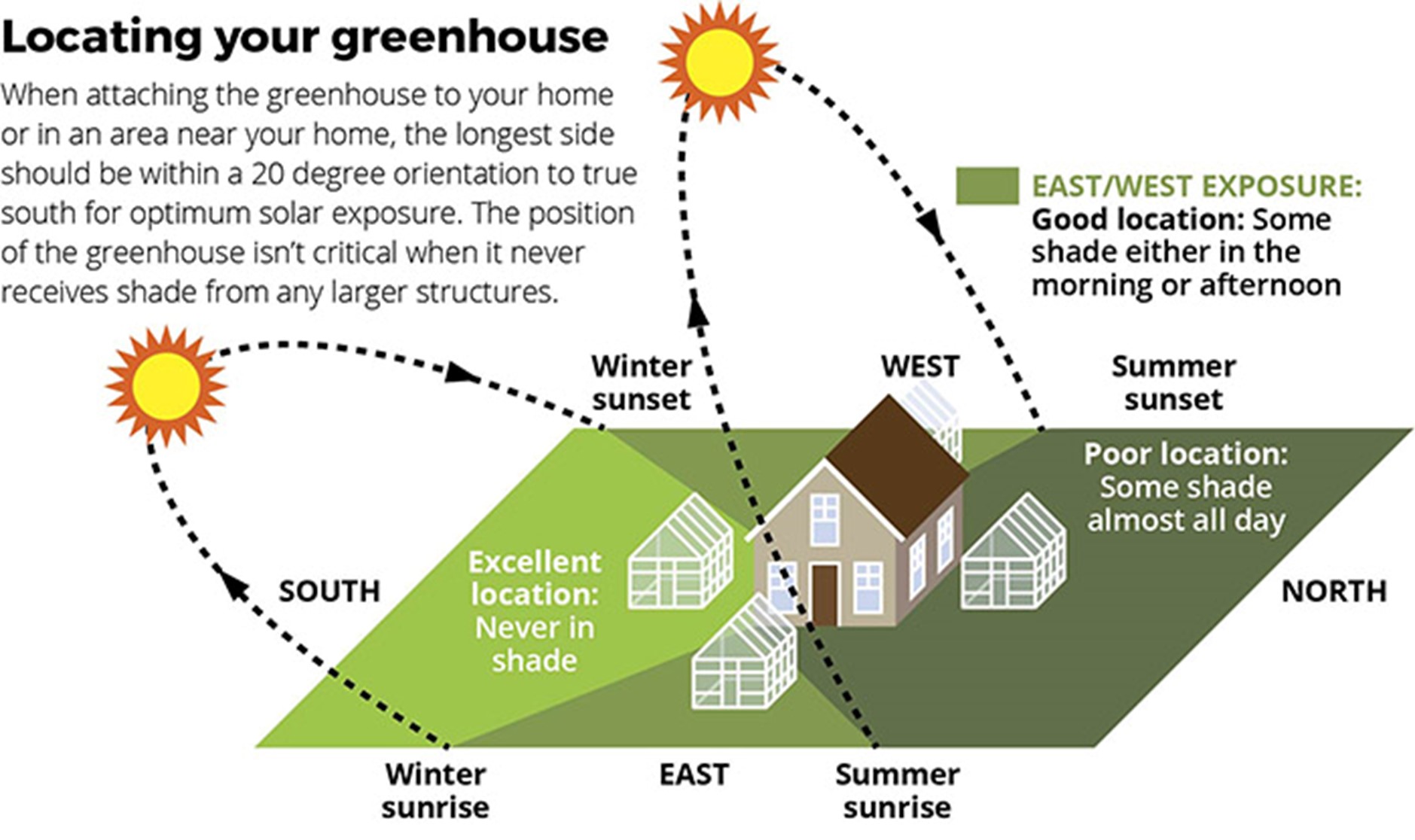
When deciding whether a greenhouse should face east or west, there are several factors to consider, each influencing the overall performance and efficiency of the greenhouse.
For optimal sunlight exposure, a south-facing greenhouse is generally preferred in the northern hemisphere, as it captures the most sunlight throughout the day. However, the choice between east and west-facing orientations requires careful examination of the local climate, the type of plants being grown, and the season.
Sunlight Exposure
A greenhouse's orientation significantly affects the amount of sunlight it receives.
See also:
- East-facing: This orientation allows the greenhouse to capture morning sunlight, which can be beneficial for starting the growth cycle of plants. The early sun can help warm the interior, promoting quick growth and preventing frost.
- West-facing: A west-facing greenhouse will receive more intense sunlight during the afternoon and evening. This can be advantageous for heat-loving plants but may require additional cooling measures in hotter climates to prevent overheating.
- Year-round growth: In regions with varying seasons, an east-west orientation might balance the sunlight received throughout the day, supporting growth across different times of the year.
Climate Considerations
The local climate plays a crucial role in determining the best orientation for a greenhouse.
- Hot climates: In areas with high temperatures, a west-facing greenhouse may lead to excessive heat accumulation, necessitating ventilation or shading solutions.
- Cold climates: Conversely, colder regions may benefit from the morning sun of an east-facing greenhouse, helping to warm the space early in the day when temperatures are at their lowest.
- Wind patterns: Understanding prevailing winds in your location can also influence how you position your greenhouse to minimize drafts and improve thermal efficiency.
Plant Types
The types of plants being grown can dictate the ideal orientation of the greenhouse.
- Heat-sensitive plants: If you are growing plants that thrive in cooler conditions, an east-facing orientation may be preferable to avoid the extreme heat of the afternoon sun.
- Tropical plants: For heat-loving plants, a west-facing greenhouse can provide the high temperatures they require, particularly later in the day.
- Seasonal growth: Different plants may require different light conditions throughout their growth cycles, so considering the needs of each type can help determine the best greenhouse layout.
Energy Efficiency
Energy efficiency is an important aspect of greenhouse design that can be influenced by orientation.
- Heating costs: An east-facing greenhouse may reduce heating costs in colder regions by capturing heat from the early sun.
- Cooling costs: In hotter areas, a west-facing orientation may necessitate more energy for cooling, particularly in the afternoon.
- Insulation techniques: Regardless of orientation, implementing insulation techniques can enhance energy efficiency, such as using thermal mass materials to retain heat.
Personal Preferences and Layout
Personal preferences and the specific layout of the greenhouse site also play a role in the decision-making process.
- Aesthetic considerations: The visual aspect of your greenhouse's orientation may impact your garden's overall design, making it more appealing.
- Accessibility: The positioning should allow easy access for maintenance and harvesting, which might influence the choice between east or west.
- Integration with other structures: The orientation could be influenced by nearby structures, trees, or other plants that may provide shade or shelter, affecting the overall environment within the greenhouse.
What side of the house is best for a greenhouse?
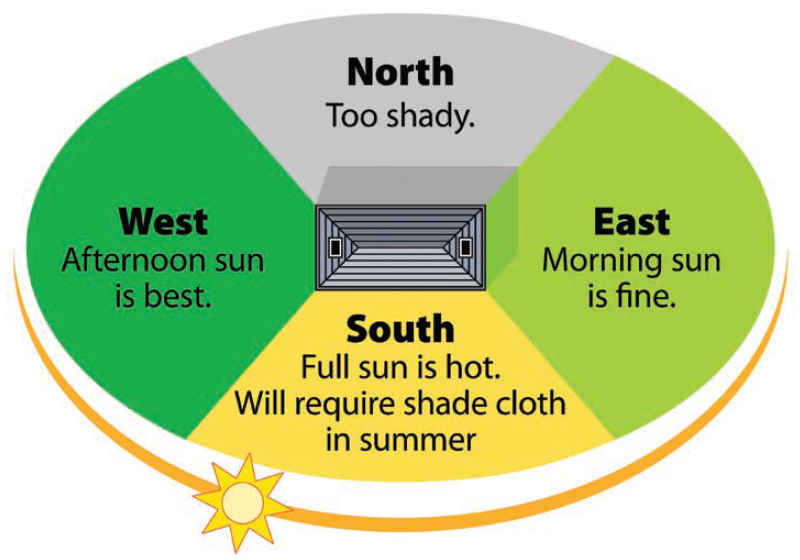
When determining the best side of the house for a greenhouse, several factors must be considered, including sunlight exposure, wind protection, and accessibility. Generally, the south side of the house is often recommended for greenhouse placement due to the optimal sunlight conditions it offers. Here are several detailed aspects to consider:
Sunlight Exposure
To maximize the greenhouse's efficiency, it is crucial to ensure it receives adequate sunlight throughout the day.
- Sunlight Hours: The south side typically receives the most direct sunlight, especially during the winter months when the sun is lower in the sky.
- Temperature Control: A greenhouse on the south side benefits from warmer temperatures, which can enhance plant growth and yield.
- Shade Considerations: Be mindful of any tall trees or structures nearby that can cast shadows, reducing sunlight availability.
Wind Protection
Wind can significantly affect greenhouse performance, making wind protection an essential factor in placement.
- Windbreak Options: The west side may benefit from natural windbreaks such as fences or shrubs, which can help prevent damage and maintain consistent temperatures.
- Airflow Management: Proper airflow is important to avoid overheating and to reduce humidity levels, which can be aided by strategic placement.
- Orientation: An east-west orientation might reduce wind exposure while still allowing for ample sunlight.
Accessibility
Easy access to the greenhouse can enhance your gardening experience and maintenance routine.
- Pathways: The entrance should be easily accessible from the house and any garden tools or supplies you may need.
- Proximity: A close proximity to water sources for irrigation can make maintaining the greenhouse much more straightforward.
- Accessibility for Movement: Ensure there is enough space around the greenhouse for equipment and mobility, especially if large plants or supplies are involved.
Climate Considerations
Regional climate plays a significant role in deciding the best side for your greenhouse.
- Local Weather Patterns: Research local weather conditions such as wind patterns, rainfall, and sunlight hours throughout the year.
- Temperature Variations: Consider how temperature changes from season to season may influence the efficacy of your greenhouse location.
- Humidity Levels: The side of the house can also affect humidity levels within your greenhouse; therefore, monitor and assess humid conditions in your region.
Building Codes and Regulations
Before placing a greenhouse, it’s important to be aware of any regulations or building codes in your area.
See also:
- Local Zoning Laws: Check with city or municipal zoning boards about where you can place structures like greenhouses.
- Setback Requirements: Building setbacks from property lines may influence the chosen location.
- Permits: Some areas may require permits for greenhouse construction; familiarize yourself with these requirements before proceeding.
What should be the direction of Green House?
The direction of a greenhouse is a critical factor that influences its efficiency and productivity. A well-oriented greenhouse can maximize sunlight exposure, minimize energy costs, and improve plant growth conditions. Here are key considerations for determining the appropriate direction for a greenhouse:
Sunlight Exposure
To optimize plant growth, the greenhouse should be oriented to capture as much sunlight as possible. Typically, this means positioning it along a north-south axis. This orientation allows for:
- Maximized Sunlight: Plants receive even light distribution throughout the day.
- Reduced Shadowing: Fewer shadows are cast by the structure itself, increasing overall light availability.
- Improved Thermal Regulation: The greenhouse can maintain a more consistent internal temperature.
Wind Direction
Considering the prevailing wind direction is essential for a greenhouse's location. Ideally, the greenhouse should be placed in a way that:
- Minimizes Wind Damage: Positioning it against prevailing winds can reduce stress on plants.
- Enhances Ventilation: Proper orientation can facilitate adequate airflow and cooling during hot seasons.
- Protects from Extreme Weather: Establishing windbreaks or designing the structure can shield it from harsh conditions.
Climate Considerations
Different climates may require unique orientations for greenhouses. For regions with varying climates:
- Hot Climates: Face the greenhouse to reduce solar gain during peak hours.
- Cold Climates: Maximize sunlight exposure by aligning with the sun's path.
- Humid Areas: Ensure proper drainage and ventilation against excess moisture.
Accessibility and Logistics
The greenhouse's direction should also take into account accessibility for maintenance and harvesting. Considerations include:
- Pathways: Design clear and easily navigable pathways for optimal workflow.
- Access to Water Sources: Ensure proximity to irrigation systems to facilitate easy watering.
- Loading Areas: Position the entrance strategically for easy loading and unloading of materials.
Integration with Surroundings
Finally, the greenhouse should be integrated into its surrounding environment. Aspects to examine include:
- Aesthetic Appeal: Choose a direction that complements the landscape while offering functionality.
- Natural Resources: Avoid areas with too much shading from trees or buildings.
- Soil Quality: Ensure that the site has good drainage and fertile soil for additional planting.
Questions from Our Readers
What direction should a greenhouse face for optimal sunlight?
The ideal direction for a greenhouse to face is south. This orientation allows for maximum sun exposure throughout the day, providing the plants with sufficient light for photosynthesis. Additionally, facing south helps to capture the warmth of the sun, which is essential for plant growth.
Does the greenhouse direction vary by location?
Yes, the optimal direction can vary depending on your geographical location. In regions closer to the equator, a slightly southeast or southwest orientation may be more effective, while in the northern latitudes, a straightforward southern orientation is usually best to catch the most sunlight.
How does the greenhouse orientation affect temperature regulation?
The direction of a greenhouse significantly impacts its temperature regulation. A south-facing greenhouse tends to maintain a more stable and warm environment, which is beneficial during colder months. This orientation can also help to prevent issues with overheating during the summer by allowing for better shade management.
Are there any advantages to facing a greenhouse in a different direction?
Facing a greenhouse in a direction other than south can have its own benefits, such as protection from wind or creating a unique microclimate for specific plants. For instance, a northeast direction might provide morning sunlight while reducing harsh afternoon rays, which can help prevent sunburn on delicate plants.
See also:
If you want to read more articles like What Direction Should a Greenhouse Face? Essential Tips for Optimal Sunlight and Growth, we recommend you check out our Garden category.
Leave a Reply
Related Articles