What is the Best Material for a Backyard Greenhouse? Ultimate Guide and Top Options
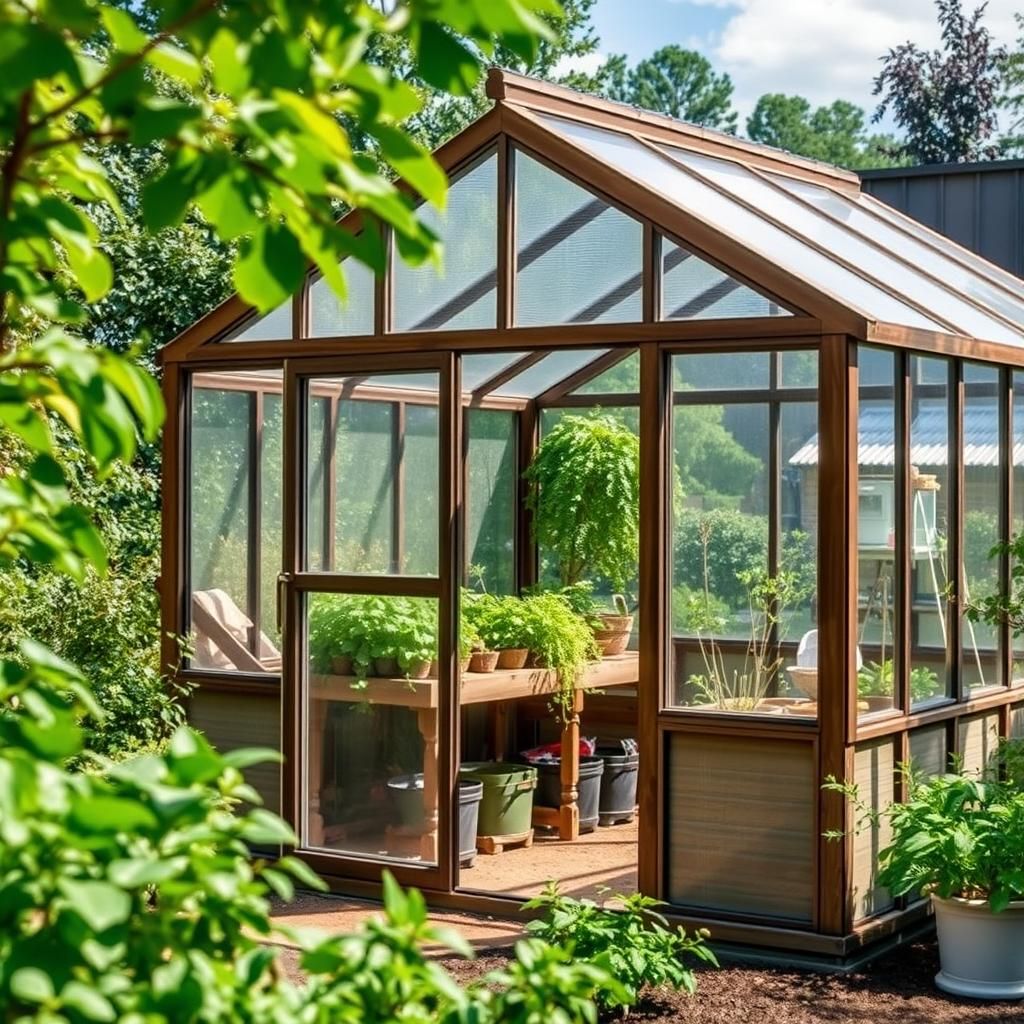
Building a backyard greenhouse can be an exciting project for gardening enthusiasts looking to extend their growing season and cultivate a variety of plants. However, selecting the right material for your greenhouse is crucial to ensure optimal conditions for plant growth. With numerous options available, including glass, polycarbonate, and plastic film, each material offers distinct advantages and disadvantages. In this ultimate guide, we will explore the best materials for backyard greenhouses, considering factors such as insulation, durability, cost, and ease of installation. Whether you're a seasoned gardener or a beginner, this guide will help you make an informed decision for your greenhouse project.
What is the Best Material for a Backyard Greenhouse?
When selecting the best material for a backyard greenhouse, it is essential to consider factors such as insulation, durability, and light transmission. The most common materials used for greenhouse construction include polycarbonate, glass, and plastic films. Polycarbonate panels, for instance, offer excellent insulation and can withstand harsh weather conditions, making them a popular choice. On the other hand, glass provides superior light penetration but is heavier and more fragile. Plastic films are cost-effective and easy to install, although they may require more frequent replacement. Ultimately, the best material depends on your specific climate, budget, and long-term gardening goals.
Polycarbonate Greenhouses
Polycarbonate is a highly regarded material for greenhouses due to its energy efficiency and impact resistance. It is available in single or double-walled sheets, with the double-walled option providing better insulation. This material allows for excellent light diffusion, reducing the risk of burning plants while maintaining a stable indoor temperature. Additionally, polycarbonate is lightweight, easy to install, and long-lasting, making it an ideal option for gardeners looking to maximize their growing potential in a variety of climates.
Glass Greenhouses
Glass greenhouses are often considered the gold standard in greenhouse construction for their aesthetic appeal and high light transmission. They allow up to 90% of sunlight to penetrate, which is crucial for plant growth. However, glass is heavier and more expensive than other materials, and it may break more easily under extreme weather conditions. Nonetheless, with proper installations and maintenance, glass greenhouses can last for many years and provide an attractive addition to any garden.
Plastic Film Greenhouses
Plastic films, such as polyethylene, are a popular choice for gardeners on a budget. They are lightweight, easy to handle, and provide sufficient light transmission for plant growth. These films usually last around 4 to 6 years before needing replacement, depending on UV exposure and weather conditions. While they may not offer the same level of insulation as polycarbonate or glass, they can be effectively used in numerous setups, making them a versatile option for many home gardeners.
See also:
Metal Frames for Greenhouses
A robust and durable metal frame can significantly enhance the longevity of a greenhouse structure. Commonly made from materials like aluminum or galvanized steel, metal frames resist rust and can withstand harsh environmental factors. They serve as a solid foundation for various covering materials, including polycarbonate and glass, ensuring the greenhouse is secure and stable. While they may require a higher initial investment, a well-constructed metal frame can provide ongoing support for many years, safeguarding your green space.
Cost Considerations for Greenhouse Materials
When choosing the best material for your backyard greenhouse, it is essential to factor in the overall costs associated with each option. Materials like polycarbonate tend to be pricier upfront but can save money over time due to their durability and energy efficiency. In contrast, plastic films are typically the lowest cost but may require frequent replacements, which can add up. By considering both initial investment and long-term maintenance costs, gardeners can make informed decisions that best fit their budgets and climate conditions.
| Material | Light Transmission | Insulation | Durability | Cost |
|---|---|---|---|---|
| Polycarbonate | High | Excellent | High | Medium-High |
| Glass | Very High | Good | Medium | High |
| Plastic Film | Good | Fair | Low-Medium | Low |
| Metal Frame | N/A | N/A | High | Medium-High |
Comparing Materials: A Comprehensive Look at Greenhouse Options
When it comes to selecting the best material for a backyard greenhouse, it is essential to evaluate various options based on factors such as insulation, durability, light transmission, and cost. Popular choices include glass, polycarbonate, and plastic sheeting, each with its own set of advantages and disadvantages. Understanding the specific needs of your climate and the types of plants you wish to cultivate will significantly influence your decision. Additionally, considering the construction and maintenance of the greenhouse can help ensure that your investment lasts for years to come.
Glass Greenhouses: Pros and Cons
Glass greenhouses are well-known for their excellent light transmission and aesthetic appeal. They offer superior insulation, helping to maintain a stable temperature within the greenhouse. However, they are also more expensive to install and can be prone to breakage, especially in areas with severe weather. Repairing glass panels can be costly and time-consuming, which is an aspect to consider when deciding if this material aligns with your gardening needs.
Polycarbonate Panels: A Durable Alternative
Polycarbonate panels are becoming increasingly popular due to their durability and superior insulating properties compared to glass. They are nearly unbreakable, making them a safer option for those concerned about potential damage from hail or falling debris. Moreover, polycarbonate provides UV protection that can help shield plants from harmful rays while still allowing adequate light. The initial investment is lower than that of glass, making polycarbonate an attractive choice for budget-conscious gardeners.
See also:
Plastic Sheeting: Cost-Effective and Lightweight
Using plastic sheeting for greenhouse construction is a cost-effective option that appeals to many gardeners. It is lightweight and easy to install, offering good insulation and light diffusion. However, plastic is less durable than other materials and can degrade faster when exposed to UV light, meaning it will need regular replacement. While it may not last as long as glass or polycarbonate, it can serve as a suitable short-term solution for starting gardeners or those looking for a temporary structure.
Considerations for Climate and Environment
When selecting a material for your greenhouse, understanding your local climate is crucial. In regions with high winds or heavy snowfall, a more resilient material like polycarbonate may be necessary to withstand harsh conditions. Conversely, in a milder climate, glass could offer the best aesthetic and functionality for growing a variety of plants. Always assess environmental factors, such as sunlight availability and temperature fluctuations, to make an informed decision that suits your specific gardening goals.
Maintenance and Long-term Investment
Choosing the right material for your greenhouse also involves considering the maintenance required for each option. Glass requires occasional cleaning and careful handling, while polycarbonate panels may need simple washing to maintain clarity. Plastic sheeting, despite being lower in cost, will typically need more frequent replacement, which can accumulate expenses over time. Evaluating the long-term costs and maintenance tasks associated with each material can help you choose a greenhouse that aligns with your gardening aspirations and lifestyle.
Questions from Our Readers
What is the best material for the frame of a backyard greenhouse?
The best material for the frame of a backyard greenhouse typically includes aluminum, galvanized steel, or wood. Aluminum is lightweight and resistant to rust, while galvanized steel provides durability and strength. Wood can offer a natural aesthetic but requires more maintenance to prevent rot and insect damage.
Which type of glazing material is ideal for a greenhouse?
The ideal glazing material for a greenhouse often depends on your specific needs, but polycarbonate, polyethylene film, and glass are popular choices. Polycarbonate is highly durable and provides excellent insulation, while polyethylene film is an economical option that allows good light transmission. Glass provides a classic look but can be heavy and fragile.
See also:
How does insulation material affect greenhouse efficiency?
Insulation material plays a crucial role in greenhouse efficiency by regulating temperature and reducing heat loss. Using materials like foam board or bubble wrap can significantly improve insulation, helping to maintain a consistent climate inside the greenhouse, especially during colder months.
What factors should I consider when choosing greenhouse materials?
When choosing materials for your greenhouse, consider factors such as local climate, budget, aesthetic preference, and durability. An understanding of the environmental conditions in your area, such as wind and snow load, will help you select materials that can withstand those challenges while fitting within your financial plan and style.
If you want to read more articles like What is the Best Material for a Backyard Greenhouse? Ultimate Guide and Top Options, we recommend you check out our Garden category.
Leave a Reply
Related Articles