Can You Run a Greenhouse in the Winter? Essential Tips for Success

Winter can be a challenging season for greenhouse gardening, but with the right strategies, it’s possible to maintain a thriving environment for your plants. Running a greenhouse in winter requires careful planning and consideration to ensure that temperature, humidity, and light levels are optimized for plant growth. In this article, we will explore essential tips for successfully managing a winter greenhouse, including heating options, insulation techniques, and the best crops to grow in colder months. Whether you're a seasoned gardener or a newcomer to greenhouse gardening, these insights will help you navigate the winter season with confidence and success.
Running a Greenhouse in Winter: Challenges and Solutions
Yes, you can run a greenhouse in the winter, but it requires careful planning and management to ensure optimal growing conditions for your plants. The primary challenge is maintaining a consistent temperature, as outdoor conditions can vary significantly. Using insulation techniques, such as double-glazing and thermal blankets, can help retain heat within the greenhouse. Additionally, incorporating heating systems, like electric or gas heaters, can provide necessary warmth during the coldest months. Utilizing grow lights can also help supplement sunlight, which is often limited during winter. Overall, with the right tools and strategies, a greenhouse can thrive even in winter.
Importance of Insulation
Insulation is crucial for maintaining the internal temperature of a greenhouse during winter. Different methods, such as using bubble wrap or thermal screens, help reduce heat loss and keep the warmth inside. Properly insulating not only protects sensitive plants from frost but also reduces the energy needed for heating, thus lowering operational costs in the long run.
Heating Options for Winter Greenhouses
There are various heating options available for winter greenhouses. Electric heaters are commonly used due to their ease of use and availability. Gas heaters are another alternative, providing significant heat output but requiring proper ventilation due to gas emissions. Heating mats can also be beneficial for propagating seeds and growing young plants, offering a consistent warmth at the root level.
Lighting Needs During Winter
During winter, the availability of sunlight decreases significantly, which can affect plant growth. Supplementing natural light with grow lights is essential, particularly for young or light-demanding plants. Full-spectrum LED grow lights mimic natural sunlight and provide the necessary light for photosynthesis, promoting healthy growth despite the shorter daylight hours.
Watering Considerations
Watering in winter requires careful consideration, as temperatures can fluctuate and cause water to freeze. It’s essential to monitor the moisture levels in the soil closely, as plants tend to require less water in cooler temperatures. Utilizing a frost-free watering system or allowing tap water to reach room temperature before application can prevent shocking the plants and support healthy growth.
Choosing the Right Plants for Winter Cultivation
Selecting the appropriate plants for winter cultivation is key to a successful greenhouse. Many cold-hardy plants, such as kale, spinach, and various herbs, thrive in cooler conditions and can be cultivated during winter months. Additionally, some plants may require specific microclimates within the greenhouse, so understanding the needs of each plant type can help in optimizing the growth environment.
| Heating Option | Energy Source | Pros | Cons |
|---|---|---|---|
| Electric Heater | Electricity | Easy to use, controllable | Can be costly with high rates |
| Gas Heater | Natural Gas/Propane | High output, effective | Requires ventilation, safety concerns |
| Heating Mat | Electricity | Cost-effective for seedlings | Limited to small areas |
| Solar Heater | Solar Energy | Renewable source, low cost | Dependent on sunlight availability |
How cold is too cold for a greenhouse?

The temperature deemed too cold for a greenhouse largely depends on the types of plants being grown inside. Generally, temperatures below 50°F (10°C) can be considered too cold for many plants, particularly those that are not frost-tolerant. The ideal temperature range for most plants grown in greenhouses is between 70°F to 80°F (21°C to 27°C) during the day and not dropping below 50°F (10°C) at night. When temperatures fall below these levels, it can adversely affect plant growth, development, and yield.
Understanding Plant Tolerance to Cold
Plants exhibit varying degrees of cold tolerance. While some species can endure low temperatures, others are sensitive and may suffer damage or die if not properly managed.
- Tropical Plants: Typically require warmer environments and can perish if temperatures drop below 50°F (10°C).
- Hardy Vegetables: Many are able to tolerate temperatures as low as 32°F (0°C) and may even benefit from light frost.
- Perennials: Some can survive winter conditions but often require specific care to thrive in cooler greenhouse conditions.
Effects of Low Temperatures on Plant Health
Chilly temperatures can influence plant health in various detrimental ways. Reduced metabolic rates and slowed growth are common issues found in low-temperature scenarios.
- Stunted Growth: Cold stress can result in reduced growth rates, making plants more susceptible to diseases.
- Frost Damage: Cells can burst when frozen, leading to irreversible damage to plant tissues.
- Reduced Yield: Inadequate temperatures can impact flowering and fruiting, resulting in lower yield outputs.
Greenhouse Heating Solutions
To mitigate low temperatures, greenhouse owners may need to implement various heating solutions.
- Electric Heaters: These provide consistent warmth and can regulate temperatures efficiently.
- Gas Heaters: A cost-effective option that can provide high levels of heat, although proper ventilation is necessary.
- Insulation Techniques: Using bubble wrap or thermal curtains can help retain heat within the greenhouse.
Monitoring Greenhouse Temperature
Regular monitoring of greenhouse temperature is crucial for maintaining the health of plants.
- Thermometers: Installing digital thermometers can provide accurate readings of the internal environment.
- Temperature Sensors: Smart sensors can alert users to sudden temperature drops.
- Data Logging: Keeping records of temperature fluctuations helps in planning heating needs effectively.
Choosing the Right Greenhouse Plants for Cold Conditions
When considering plant diversity, choosing the right species for cooler conditions can be beneficial.
- Cold-Hardy Vegetables: Opt for varieties like kale, spinach, and carrots that thrive in lower temperatures.
- Herbs: Certain herbs, such as parsley and thyme, can withstand cooler climates.
- Cold-Tolerant Flowers: Pansies and snapdragons are excellent options for adding decorative elements in colder environments.
Can you operate a greenhouse in the winter?

Yes, you can operate a greenhouse in the winter. While colder temperatures can pose challenges, a well-insulated and properly managed greenhouse can provide a suitable environment for growing plants during the winter months. Here are several strategies that can enhance the viability of winter greenhouse operations.
See also:
Advantages of Winter Greenhouse Operations
Operating a greenhouse in winter has several benefits:
- Extended Growing Season: By using a greenhouse, you can effectively lengthen the growing season, allowing for year-round cultivation.
- Controlled Environment: Greenhouses provide a stable environment that can be controlled for temperature and humidity, essential for winter crop growth.
- Increased Crop Diversity: You can grow a variety of crops that typically wouldn't survive in winter outdoor conditions.
Insulation and Heating Options
Maintaining an appropriate temperature in a winter greenhouse is crucial. Effective insulation and heating options should be considered:
- Double Glazing: Installing double-glazed panels can help retain heat within the greenhouse.
- Heating Systems: Utilize heating systems such as electric heaters, propane heaters, or radiant heating to maintain optimal temperatures.
- Passive Solar Heating: Optimize sunlight capture during the day to warm up the greenhouse naturally, reducing heating costs.
Plant Selection for Winter Growth
Choosing the right plants to grow during winter is vital for successful greenhouse operation:
- Cold-Hardy Crops: Consider growing cold-hardy vegetables such as kale, spinach, and carrots that can withstand cooler temperatures.
- Herbs: Many herbs, like parsley and cilantro, are also viable options for winter cultivation.
- Winter Flowers: Flowers like pansies or primroses can add color and diversity to a winter greenhouse.
Light Management
Winter days are shorter, making light management an important consideration in greenhouse operations:
- Supplemental Lighting: Implement grow lights to provide adequate light for photosynthesis, especially during cloudy days.
- Maximize Natural Light: Position plants to take full advantage of available sunlight through strategic shelving and organization.
- Reflective Surfaces: Use reflective materials inside the greenhouse to maximize light distribution among plants.
Ventilation and Humidity Control
Proper ventilation and humidity control are critical, even in winter:
- Ventilation Systems: Install automatic vent systems to maintain airflow, preventing condensation and mold growth.
- Humidity Sensors: Use humidity sensors to monitor moisture levels, adjusting as needed to keep plants healthy.
- Dehumidifiers: Consider using dehumidifiers if the greenhouse becomes excessively humid, especially during heating.
Questions from Our Readers
Can you run a greenhouse in the winter?
Yes, you can run a greenhouse in the winter. However, it requires careful planning and management to ensure that the temperature and light levels are suitable for plant growth. Utilizing insulation, heating systems, and appropriate coverings can help maintain a stable environment.
What heating methods are effective for winter greenhouses?
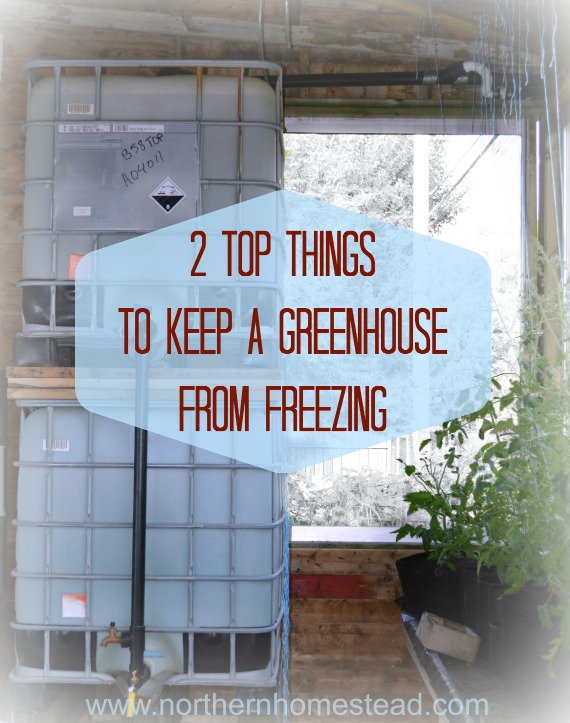
Effective heating methods for winter greenhouses include electric heaters, gas heaters, and wood-burning stoves. Additionally, incorporating thermal mass materials, like water barrels, can help retain heat during the colder nights, creating a more stable environment for your plants.
How can natural light be maximized in a winter greenhouse?
Maximizing natural light in a winter greenhouse involves positioning the structure to capture as much sunlight as possible and using clear polycarbonate panels or glass. It's also beneficial to ensure that the greenhouse is free of dust and debris, which can obstruct light, and to employ reflective materials to enhance light distribution.
See also:
What types of plants can thrive in a winter greenhouse?
Plants that can thrive in a winter greenhouse include hardy vegetables like kale, spinach, and carrots, as well as herbs such as parsley and cilantro. Many perennial plants and certain flowering species can also be grown successfully, provided the greenhouse conditions are properly maintained.

If you want to read more articles like Can You Run a Greenhouse in the Winter? Essential Tips for Success, we recommend you check out our Garden category.
Leave a Reply
Related Articles