Which is better for a greenhouse, PVC or polycarbonate? A Comprehensive Comparison Guide
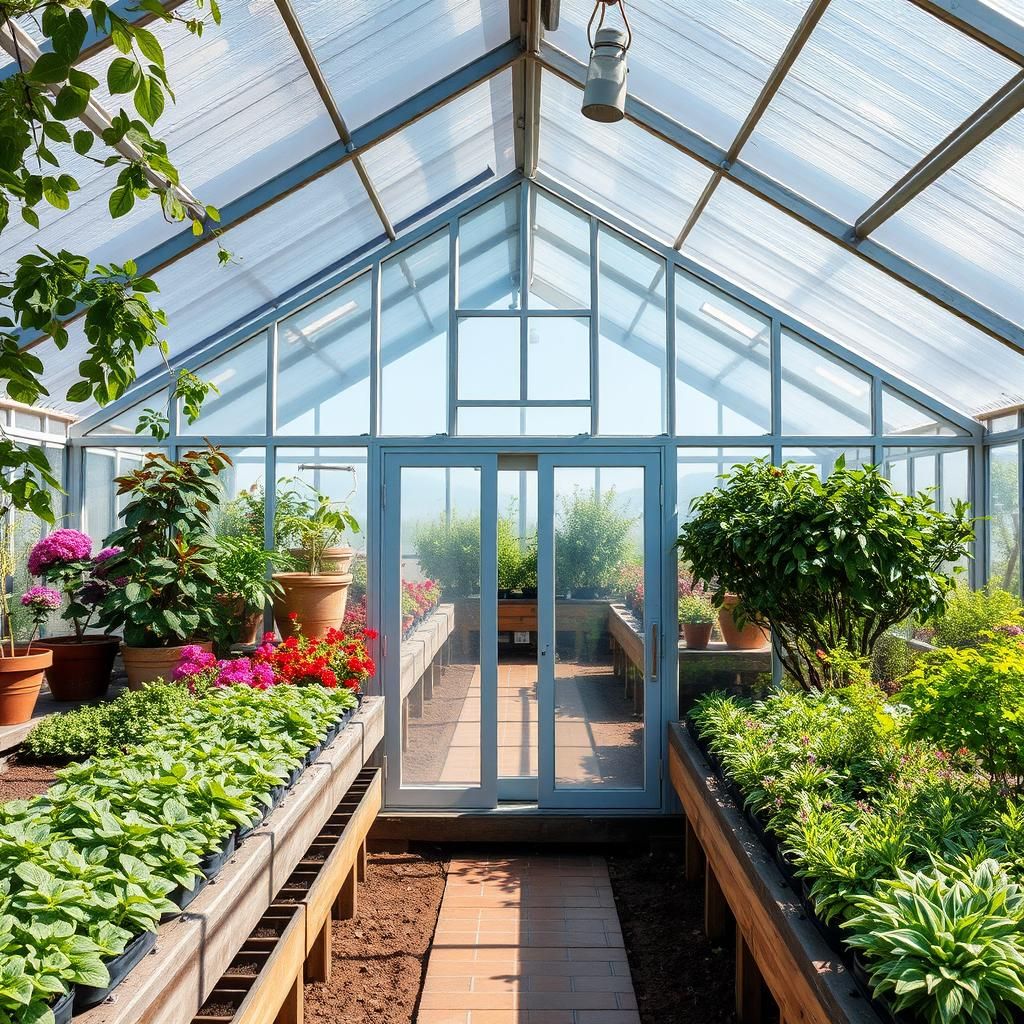
When it comes to building a greenhouse, choosing the right materials is crucial for optimal plant growth and sustainability. Two popular options are PVC and polycarbonate, each with its own set of advantages and drawbacks. This comprehensive comparison guide will delve into the features, costs, durability, and insulation properties of PVC and polycarbonate. By examining these key factors, we aim to help you make an informed decision that best suits your gardening needs and climate conditions. Whether you're a seasoned horticulturist or a beginner, understanding the differences between these materials will enhance your greenhouse experience.
Which Material is More Suitable for Greenhouses: PVC or Polycarbonate?
When considering the best material for a greenhouse, polycarbonate often emerges as the superior choice compared to PVC for several critical reasons. Polycarbonate sheets are known for their excellent insulation properties, allowing for better temperature regulation, which is vital for plant health. Unlike PVC, polycarbonate is nearly unbreakable, making it more durable and resistant to impact. Furthermore, polycarbonate provides better UV protection, which helps prevent plant burn and degradation. Although PVC can be a more affordable option initially, its longevity and performance in greenhouse conditions typically lead to higher long-term costs due to increased maintenance and potential replacement needs.
Durability Comparison
Polycarbonate stands out in terms of durability when compared to PVC. Its impact resistance is exceptionally high, making it less prone to breakage from hail or other external impacts. This durability means that polycarbonate greenhouses can withstand harsh weather conditions, reducing the need for repairs. In contrast, PVC can become brittle over time, especially when exposed to UV radiation, making it more likely to crack or break.
Insulation Properties
When it comes to insulation properties, polycarbonate excels. It has a higher R-value compared to PVC, meaning it effectively retains heat within the greenhouse, creating a stable environment that helps plants thrive. This leads to less reliance on additional heating systems and can significantly reduce energy costs in the long run. PVC does not provide the same level of thermal efficiency and may result in temperature fluctuations detrimental to sensitive plants.
Light Transmission
Light transmission is another crucial factor for greenhouse effectiveness. Polycarbonate allows for excellent light diffusion while blocking harmful UV rays, which helps plants receive the optimal amount of light for photosynthesis without the risk of damage. On the other hand, while PVC allows for good light transmission, it does not offer the same degree of UV protection, which can lead to issues such as plant burn and increased leaf drop.
See also:
Cost Analysis
In terms of cost, PVC may appear to be the more affordable option initially, but polycarbonate offers better value over time due to its longevity and lower maintenance requirements. The initial investment in polycarbonate tends to yield better performance and cost-effectiveness in the long term, as it does not require frequent replacements or repairs like PVC might.
Environmental Considerations
Lastly, examining the environmental impact of these materials yields interesting insights. Polycarbonate is generally more environmentally friendly than PVC due to its recyclability and longevity. While PVC can lead to environmental concerns during its production and disposal, polycarbonate’s durability translates to less waste over time, making it a more sustainable choice for environmentally-conscious gardeners.
| Feature | Polycarbonate | PVC |
|---|---|---|
| Durability | High | Moderate |
| Insulation | Superior | Lesser |
| Light Transmission | Excellent | Good |
| Cost | Higher initial, long-term savings | Lower initial, higher long-term |
| Environmental Impact | More sustainable | Less sustainable |
Durability and Longevity: PVC vs. Polycarbonate for Greenhouses
When considering materials for greenhouse construction, durability and longevity are crucial factors. Polycarbonate is generally considered superior to PVC as it offers increased impact resistance and can withstand extreme weather conditions, including strong winds and hail. Unlike PVC, which can become brittle and degrade over time when exposed to UV radiation, polycarbonate retains its strength and clarity for many years. This longevity makes it a more cost-effective choice in the long run, even though the initial investment might be higher. Ultimately, for those seeking a robust and long-lasting solution for greenhouse glazing, polycarbonate stands out as the better option compared to PVC.
Insulation Properties of PVC and Polycarbonate
The insulation properties of the chosen material can significantly affect the greenhouse environment. Polycarbonate sheets typically have excellent thermal insulation, providing a stable temperature for plants by reducing heat loss. Their multi-wall structure enhances insulating properties by trapping air, thereby preventing the escape of heat during cooler months. In contrast, PVC lacks the same level of insulation, which may result in greater temperature fluctuations inside the greenhouse. Consequently, for those prioritizing a stable growing environment throughout the year, polycarbonate emerges as the more effective choice.
Light Transmission Quality: A Key Factor for Plant Growth
Adequate light transmission is essential for photosynthesis and overall plant health. Polycarbonate allows for a high percentage of light to penetrate while filtering out harmful UV rays, promoting healthy plant growth without the risk of leaf burn. In comparison, PVC can sometimes lead to a yellowing effect over time, reducing its light transmission capability. Therefore, for maximized plant growth and a thriving greenhouse environment, polycarbonate is often regarded as the superior option.
See also:
Maintenance Requirements for Greenhouse Materials
Maintenance needs can significantly influence the long-term usability of greenhouse materials. Polycarbonate is relatively low-maintenance, requiring only a gentle wash with soap and water to maintain its clarity and performance. It is also resistant to scratching and weather-related degradation. Conversely, PVC may require more frequent inspections for discoloration and brittleness, which can escalate maintenance efforts over time. For those who desire a hassle-free greenhouse experience with less upkeep, polycarbonate emerges as the optimal choice.
Cost Analysis: PVC vs. Polycarbonate Greenhouses
When evaluating the cost of greenhouse materials, it's essential to balance initial prices with long-term benefits. Generally, PVC is less expensive upfront, making it an attractive option for hobbyists or those on a budget. However, the durability and longevity of polycarbonate may justify the higher initial investment. As polycarbonate requires fewer replacements and less maintenance, its long-term cost-effectiveness can outweigh that of PVC, making it a smart choice for serious growers.
Environmental Impact Considerations
The environmental impact of greenhouse materials is an important consideration for environmentally conscious gardeners. Polycarbonate is often favored for its recyclability and lower ecological footprint during its lifecycle. While PVC can also be recycled, the chemicals involved in its production and degradation can pose environmental risks. As sustainability becomes increasingly significant in agricultural practices, polycarbonate is likely to be the preferred choice for those aiming to minimize their environmental impact.
Questions from Our Readers
Which material is more durable for a greenhouse, PVC or polycarbonate?
Both PVC and polycarbonate have their strengths, but polycarbonate is generally considered more durable. It can withstand extreme weather conditions, such as heavy rain and snow, and has a much longer lifespan compared to PVC, which is more prone to degradation and cracking over time.
How well do PVC and polycarbonate insulate a greenhouse?
Polycarbonate offers better insulation properties than PVC, which helps to maintain a more stable temperature inside the greenhouse. This material has multi-wall options that trap air and provide higher thermal efficiency, while PVC does not have the same level of insulation capabilities.
See also:
Is UV resistance better in PVC or polycarbonate greenhouses?
Polycarbonate is superior in terms of UV resistance, as it can block up to 99% of harmful UV rays, protecting plants and ensuring they thrive. In contrast, PVC has limited UV resistance, which can lead to yellowing and loss of structural integrity over time.
What is the cost comparison between PVC and polycarbonate greenhouses?
Generally, PVC greenhouses are less expensive upfront, making them attractive for those on a budget. However, polycarbonate greenhouses, while initially more costly, can save money in the long run due to their durability and energy efficiency, leading to lower maintenance costs.

If you want to read more articles like Which is better for a greenhouse, PVC or polycarbonate? A Comprehensive Comparison Guide, we recommend you check out our Garden category.
Leave a Reply
Related Articles