Do Wooden Greenhouses Rot? Understanding Durability and Maintenance Tips

Wooden greenhouses offer a unique charm and aesthetic appeal, but their longevity often raises concerns among gardening enthusiasts. One of the most pressing questions is whether these structures are prone to rot over time. Understanding the durability of wood in greenhouse environments is crucial for anyone considering this investment. Factors such as moisture, temperature fluctuations, and maintenance practices play a significant role in the lifespan of wooden greenhouses. In this article, we will explore the reasons behind wood rot, provide insights into the various types of wood used, and share essential maintenance tips to ensure your greenhouse remains a thriving environment for your plants.
Do Wooden Greenhouses Rot?
Wooden greenhouses can indeed rot if not properly maintained and constructed from suitable materials. Exposure to moisture, humidity, and inadequate ventilation can accelerate the decay of wood over time. Choosing the right type of wood, such as cedar or redwood, which are naturally resistant to rot, along with applying protective sealants can help prolong the life of a wooden greenhouse. Regular inspections for any signs of damage or decay and addressing small problems swiftly can also mitigate the effects of rot, ensuring that the structure remains sound for years to come.
Factors Contributing to Rot in Wooden Greenhouses
Several factors can contribute to the rot in wooden greenhouses, primarily the presence of moisture. Inadequate drainage, excessive watering, and leaks can create a damp environment that fosters the growth of fungi. Additionally, poor ventilation may trap humid air inside the greenhouse, elevating the chances of wood decay. Regularly monitoring these conditions and ensuring that the greenhouse is well-ventilated and has efficient drainage can significantly reduce the risk of rot.
Best Types of Wood for Greenhouses
When constructing a greenhouse, it is crucial to select wood that has high rot-resistant properties. Common choices include cedar, redwood, and specific tropical hardwoods like teak. These woods not only have a natural resistance to decay but also possess oils that can fend off insects. Pressure-treated wood is another option, although it may require careful consideration of the chemicals used during treatment to ensure they are safe for plants.
Preventive Measures Against Rot
To prevent rot in wooden greenhouses, several preventive measures should be taken. Firstly, using a high-quality sealant can create a protective barrier against moisture. It's also advisable to raise the greenhouse off the ground on posts or a foundation to prevent soil contact, which can trap moisture around the wood. Regular inspections for any wear or damage, along with routine maintenance including cleaning gutters and checking that vents are functioning correctly, can help maintain the integrity of the wood.
Signs of Wood Rot
Identifying the early signs of rot in a wooden greenhouse is critical for maintaining its structure. Look for soft, crumbly areas on the wood, discoloration, and a musty smell, which can indicate the presence of fungi. Additionally, if the wood feels spongy or breaks easily under pressure, it is likely that rot has begun to set in. Timely detection and remediation of these signs can save the greenhouse from significant damage.
Repairing Rot in Wooden Greenhouses
If you discover rot in a wooden greenhouse, prompt action is necessary to prevent further damage. Start by removing the affected wood and replacing it with new, healthy wood. Ensure that the surrounding area is dried out and consider applying a fungicide to prevent any recurrence of the problem. Sanding down adjacent areas may also help if there are minor signs of rot. Regular follow-ups and continuous maintenance will enhance the longevity of the repairs.
| Wood Type | Rot Resistance | Common Treatments |
|---|---|---|
| Cedar | High | Sealants, oils |
| Redwood | High | Sealants, natural oils |
| Treated Pine | Moderate | Sealants, fungicides |
| Teak | Very High | Natural oils |
How long do wooden greenhouses last?
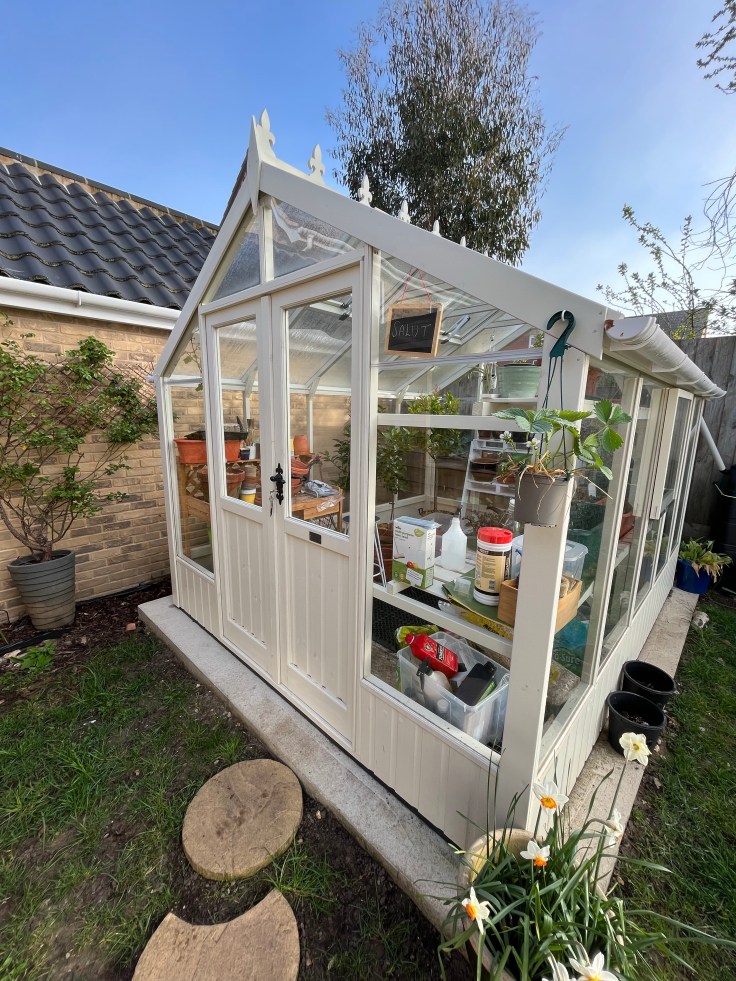
Wooden greenhouses can last anywhere from 10 to 25 years or even longer, depending on several factors such as the quality of the wood used, maintenance, environmental conditions, and design. Here are some key points that affect the lifespan of wooden greenhouses:
Material Quality
The quality of the wood used plays a crucial role in the durability of the greenhouse. Higher-quality wood, such as cedar or redwood, naturally resists decay and insects better than lower-quality options.
- Durability: Quality wood has inherent properties that enhance longevity.
- Resistance: Some types of wood are more resistant to rot and pests.
- Cost: Investing in better wood may save money on future repairs.
Maintenance Practices
Regular maintenance is essential for extending the lifespan of wooden greenhouses. This includes sealing, painting, and checking for signs of damage.
- Sealing: Applying sealant prevents moisture penetration.
- Regular Inspections: Check for structural issues or signs of wear.
- Repairs: Addressing minor damages promptly can prevent major problems.
Environmental Factors
The environment in which a wooden greenhouse is located significantly affects its durability. Factors like humidity, sunlight, and temperature fluctuations can hasten deterioration.
- Humidity: High moisture levels can lead to wood rot.
- Sun Exposure: Direct sunlight can weaken wood over time.
- Temperature Changes: Extreme temperature variations can cause wood to expand and contract, leading to cracks.
Design Features
The design of the greenhouse can influence its longevity. A well-designed structure allows for better drainage and air circulation.
See also:
- Roof Design: A sloped roof prevents water pooling.
- Ventilation: Proper ventilation reduces humidity levels.
- Foundation: A solid foundation keeps the structure stable and secure.
Usage and Cropping
How frequently and intensively the greenhouse is used can also impact its lifespan. Greenhouses that host heavy cropping or intense gardening activities may require more frequent repairs.
- Crop Weight: Heavier crops can stress the structure.
- Frequency of Access: Frequent entry and exit can wear down the frame.
- Plant Types: Some plants may require more intensive care, leading to increased wear.
What are the disadvantages of a wooden greenhouse?
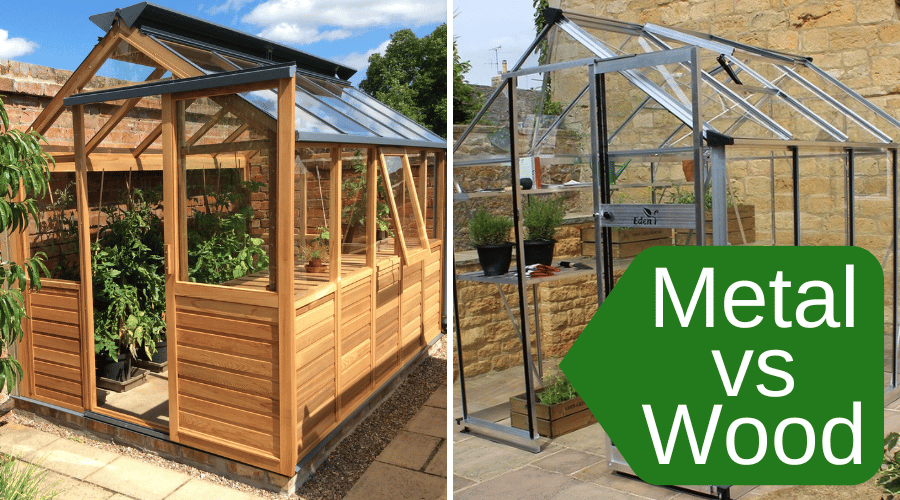
Wooden greenhouses can offer aesthetic appeal and a traditional look for gardening enthusiasts. However, they also come with several disadvantages that could impact their functionality and longevity. Here, we explore the downsides of choosing a wooden greenhouse.
Maintenance Requirements
Maintaining a wooden greenhouse can be more demanding than other materials. Over time, wood is susceptible to various environmental conditions.
- Rot: Wood can rot if not properly treated, especially in humid environments.
- Pest Infestation: Wood can attract pests like termites and woodborers that could compromise the structure.
- Weather Damage: Regular exposure to sunlight, rain, and snow can weaken the wood and lead to decay.
Cost Implications
While wooden greenhouses may provide a rustic charm, they often come with higher initial costs and ongoing expenses.
- Higher Initial Costs: Quality wood and necessary treatments can make a wooden greenhouse more expensive compared to metal or plastic options.
- Frequent Repairs: Ongoing maintenance and repairs can lead to increased costs over time.
- Insulation Challenges: Wood is not as efficient in insulation as some other materials, potentially leading to increased heating costs.
Durability Concerns
The durability of wooden greenhouses can present concerns in comparison to alternatives like aluminum or polycarbonate.
- Shorter Lifespan: With exposure to the elements, wood may not last as long as other greenhouse materials.
- Structural Weakness: Over time, joints and connections may weaken, risking structural integrity.
- Limited Weather Resistance: Extreme weather conditions can damage wooden structures more easily than metal ones.
Environmental Impact
Using wood in construction can have environmental implications that should be considered.
- Deforestation Concerns: If sourced unsustainably, wood can contribute to deforestation and habitat loss.
- Carbon Footprint: The production and shipping of wooden materials may have a notable carbon footprint.
- Non-Recyclable Options: Depending on the type of wood treatment used, some wooden greenhouses may not be recyclable at the end of their life.
Temperature Control Issues
Wooden greenhouses can pose challenges when it comes to regulating temperature effectively.
- Heat Retention: Wood may not retain heat as efficiently as other materials, which can lead to fluctuations in temperature.
- Ventilation Challenges: Proper ventilation is crucial, and wooden frames may limit airflow if not designed well.
- Seasonal Temperature Variation: This can affect plant growth if temperatures inside the greenhouse vary too much.
How do wooden homes not rot?
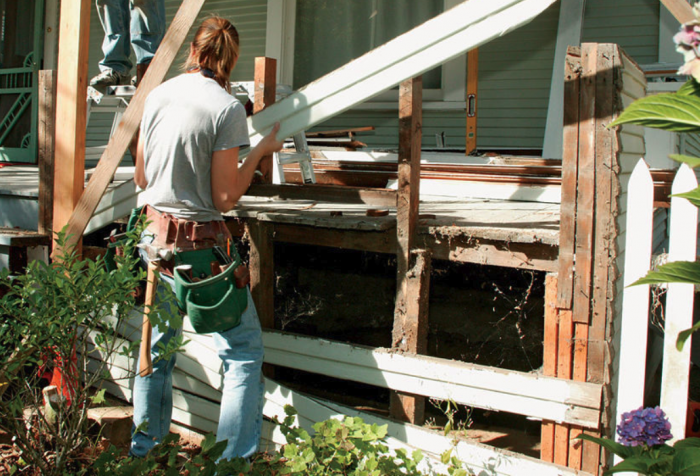
Wooden homes can resist rot through several mechanisms and preventative measures. Primarily, the key factors are proper design, material selection, and maintenance practices. Here are the main ways wooden homes avoid rot:
Design Considerations
Proper design plays a crucial role in preventing rot in wooden homes. Architects and builders can incorporate various elements to enhance the durability of the structure:
- Elevated Foundations: Raising the wooden structure above ground level helps avoid direct contact with soil, which can hold moisture.
- Overhangs and Eaves: Extended rooflines protect walls and foundations from rainwater and reduce moisture accumulation.
- Ventilation: Ensuring adequate airflow around the wooden components minimizes humidity levels, which is vital for rot prevention.
Material Selection
Choosing the right type of wood is essential for durability and rot resistance. Certain woods exhibit natural resilience to decay:
- Cedar and Redwood: These species contain natural oils that repel moisture and inhibit fungal growth.
- Treated Lumber: Pressure-treated wood is infused with preservatives that protect against insects and moisture.
- Engineered Wood Products: Items such as plywood or OSB that undergo manufacturing processes can have enhanced resilience to rot compared to solid wood.
Moisture Management
Managing moisture is critical in preventing rot. Effective moisture management techniques can significantly extend the lifespan of wooden homes:
See also:
- Sealants and Preservatives: Applying waterproof sealants can protect wood surfaces from water penetration.
- Proper Drainage: Ensuring that gutters, downspouts, and drainage systems are well-designed keeps water away from the wooden structure.
- Regular Inspections: Routine checks for leaks and water intrusion can help catch issues before they escalate into significant problems.
Maintenance Practices
Routine maintenance is essential to ensure that wooden homes remain resistant to rot. Regular upkeep can help identify and mitigate potential threats:
- Regular Painting or Staining: Periodically refreshing paint or stain creates a protective barrier against moisture.
- Timely Roof Repairs: Fixing roof damage promptly prevents water leaks that can lead to rot in wooden structures.
- Clearing Debris: Keeping gutters and downspouts clear of leaves and debris ensures proper water flow away from the building.
Understanding Fungal Decay
Awareness of the types of fungal decay that can affect wooden structures is vital for prevention. Knowing these can inform better protection strategies:
- Brown Rot: This type of decay causes wood to crumble and become brittle; understanding its conditions can help prevent its occurrence.
- White Rot: This decay affects the lignin in wood, leading to a spongy texture; knowing its signs can help in early intervention.
- Soft Rot: Often found in damp environments, soft rot can be prevented by maintaining lower humidity levels around wooden components.
Are wooden greenhouses good?
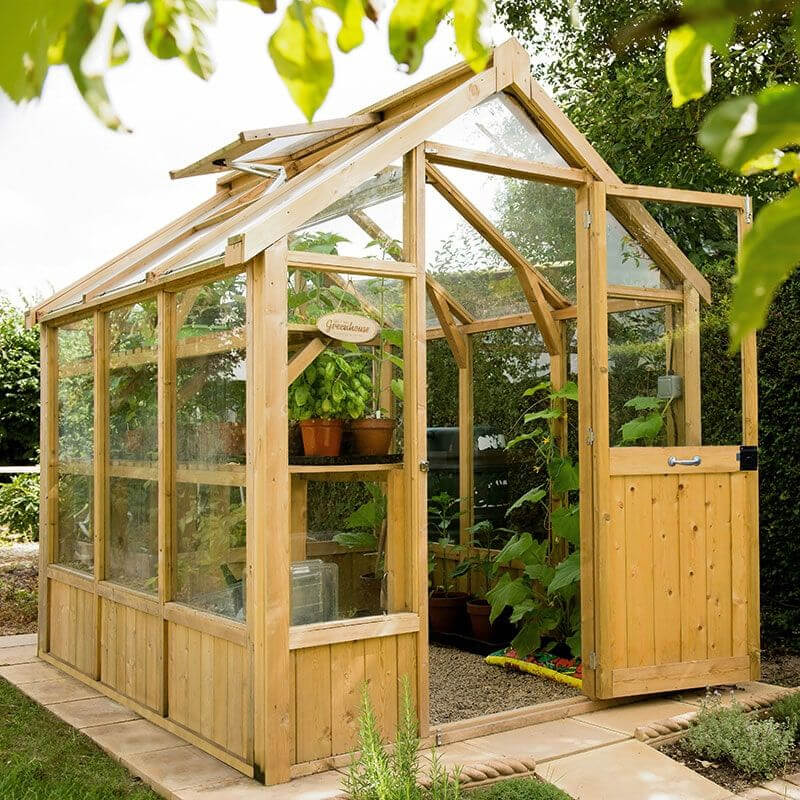
Wooden greenhouses can be a great option for many gardeners, depending on their specific needs and local conditions. Here are several advantages and disadvantages associated with wooden greenhouses.
Advantages of Wooden Greenhouses
Wooden greenhouses offer several benefits that make them an appealing choice for plant cultivation. Here are some key advantages:
- Insulation Properties: Wood is a natural insulator, helping to maintain stable temperatures within the greenhouse.
- Aesthetic Appeal: Wooden structures often have a rustic and organic look that blends well with garden environments.
- Durability: When properly treated, wooden greenhouses can last for many years, providing a strong framework for growing plants.
Disadvantages of Wooden Greenhouses
Despite their advantages, wooden greenhouses also come with some drawbacks that potential owners should consider:
- Maintenance Requirements: Wood requires regular maintenance, such as painting or sealing, to prevent rot and pest infestations.
- Cost: Quality wood can be expensive, making initial investment costs higher compared to other materials.
- Weight: Wooden structures can be heavy and may require a strong foundation to support the greenhouse.
Best Woods for Greenhouses
Choosing the right type of wood is crucial for constructing a durable greenhouse. Some of the best options include:
- Cedar: Known for its natural resistance to rot and insects, making it perfect for outdoor structures.
- Redwood: Highly resistant to decay and has a beautiful finish, adding to the aesthetic appeal.
- Pine: While more affordable, it may require pressure treatment to withstand the elements better.
Wooden Greenhouse vs. Other Materials
When considering a greenhouse, it is essential to compare wooden structures with other materials such as aluminum or polycarbonate. Key considerations include:
- Temperature Control: Wood provides better insulation compared to metal, which conducts heat more readily.
- Longevity: Metals can resist pest damage but may not provide the same warmth as wood.
- Environmental Impact: Wood is a renewable resource, whereas aluminum and plastics can have a higher carbon footprint.
Building a Wooden Greenhouse
For those interested in constructing their own wooden greenhouse, several steps are vital in the building process:
- Design: Plan the size and layout to fit your garden space and growth needs.
- Materials: Select high-quality, weather-resistant wood and appropriate glazing materials for sunlight optimization.
- Foundation: Ensure a solid foundation to support the greenhouse’s weight and prevent shifting over time.
Questions from Our Readers
Do wooden greenhouses rot?
Yes, wooden greenhouses can indeed rot if they are not properly treated or maintained. Moisture from the soil, humidity, and weather conditions can lead to the deterioration of the wood over time. To prevent this, it is essential to use high-quality wood, apply protective coatings, and ensure proper ventilation inside the greenhouse.
How can I prevent my wooden greenhouse from rotting?
To prevent rotting, you should regularly apply a water-resistant sealant or wood preservative to protect the wood from moisture. Additionally, ensuring good drainage around the base of the greenhouse and using treated lumber can help extend its lifespan and maintain its integrity.
What types of wood are best for greenhouses?
The best types of wood for greenhouses are those that are naturally resistant to rot, such as cedar and redwood. These woods contain natural oils that help protect them from decay and pests, making them ideal choices for building a durable greenhouse.
How often should I inspect my wooden greenhouse for signs of rot?
It is recommended to inspect your wooden greenhouse at least twice a year, ideally in the spring and fall, to identify any signs of rot or damage. Early detection of issues allows for timely repairs and maintenance, ensuring the longevity and structural integrity of the greenhouse.
See also:

If you want to read more articles like Do Wooden Greenhouses Rot? Understanding Durability and Maintenance Tips, we recommend you check out our Garden category.
Leave a Reply
Related Articles