Essential Tips: How Do You Control Moisture in a Greenhouse for Optimal Plant Growth?

Controlling moisture levels in a greenhouse is crucial for fostering optimal plant growth. Excessive humidity can lead to diseases and mold, while insufficient moisture can stress plants and stunt their development. Understanding the delicate balance of humidity and moisture management is essential for any greenhouse gardener. This article provides essential tips to help you regulate moisture effectively, ensuring your plants remain healthy and thriving. From proper ventilation techniques to the use of humidity control systems, we’ll explore practical strategies that can transform your greenhouse into a flourishing environment for various plant species.
How to Effectively Control Moisture in a Greenhouse
Controlling moisture in a greenhouse is essential for maintaining optimal conditions for plant growth and preventing diseases. To achieve effective moisture management, one must monitor humidity levels closely, utilize proper ventilation, and employ irrigation techniques such as drip irrigation that minimize excess moisture. Additionally, covering the soil with mulch can help retain moisture while preventing evaporation. Installing humidity sensors can provide real-time data, allowing for timely adjustments to environmental controls, which ultimately ensures a healthy growing environment for a diverse range of plants.
Importance of Humidity Levels
Maintaining appropriate humidity levels is crucial because different plants have varying moisture requirements. Too high humidity can lead to issues like mold and mildew, while overly dry conditions can cause plant stress and hinder growth. By regularly monitoring humidity levels with hygrometers, gardeners can adjust their management strategies to suit the specific needs of their plants, ensuring a balanced environment.
Ventilation Techniques
Effective ventilation in a greenhouse helps regulate moisture levels by allowing excess humidity to escape. This can be achieved through passive methods, such as opening vents and having a well-designed airflow system, or mechanical solutions like exhaust fans. Proper ventilation not only controls moisture but also enhances air circulation, which is essential for preventing plant diseases associated with stagnant air.
Irrigation Methods
The choice of irrigation method significantly impacts moisture levels in a greenhouse. Techniques such as drip irrigation target the root zone directly, minimizing wastage and reducing overall moisture levels in the surrounding air. Conversely, overhead watering can increase humidity levels significantly. Therefore, choosing an effective irrigation strategy is vital for maintaining desired moisture conditions.
Mulching Techniques
Using mulch in a greenhouse can substantially help in moisture control. Mulching materials, such as straw, wood chips, or synthetic fabrics, reduce soil evaporation, maintaining the soil’s moisture levels and reducing the need for frequent watering. Additionally, mulch helps keep soil temperatures consistent and suppresses weed growth, creating a healthier environment for plants.
Use of Humidity Sensors
Humidity sensors are invaluable tools for monitoring and controlling moisture levels within a greenhouse. These devices provide real-time data that can alert growers to rising humidity levels, allowing them to take action before problems arise. By integrating sensors with automated systems for ventilation and irrigation, gardeners can maintain precise control over the greenhouse environment, leading to improved plant health and productivity.
| Strategy | Description | Benefits |
|---|---|---|
| Humidity Monitoring | Using hygrometers or sensors to track moisture levels. | Prevents diseases and ensures plant needs are met. |
| Ventilation | Utilizing natural or mechanical systems to allow air exchange. | Balances temperature and humidity, promoting healthy growth. |
| Drip Irrigation | Targeted watering method minimizing excess moisture. | Reduces water waste and lowers humidity levels in the air. |
| Mulching | Covering soil to reduce evaporation and retain moisture. | Helps regulate soil temperature and suppresses weeds. |
| Automated Systems | Integrating technology for efficient moisture control. | Ensures precise management and optimized growing conditions. |
How do I stop condensation in my greenhouse?

To stop condensation in your greenhouse, you can implement several strategies aimed at improving ventilation, regulating humidity levels, and enhancing the greenhouse environment. Here are some effective methods:
Improve Ventilation
Proper ventilation is essential to reduce moisture buildup in your greenhouse. Increasing airflow helps to lower humidity levels and encourages evaporation.
- Install exhaust fans: Placing exhaust fans at the highest points of the greenhouse can effectively remove warm, moist air.
- Utilize roof vents: Automated roof vents that open when temperatures rise can assist in releasing humid air.
- Open side vents: Regularly opening side vents allows fresh air circulation, further decreasing humidity.
Use Humidity-Controlled Fans
Installing humidity-controlled fans can significantly manage condensation levels effectively.
- Install oscillating fans: These help to circulate air throughout the greenhouse, keeping the humidity uniform.
- Set humidity sensors: Connect fans to sensors that activate when humidity exceeds a certain threshold.
- Implement exhaust fans: These can be turned on when the air gets too moist, ensuring stale air is replaced.
Optimize Plant Watering Practices
Overwatering can lead to excess moisture in the air, contributing to condensation issues.
- Water in the morning: This allows time for evaporation before cooler evening temperatures increase humidity.
- Use drip irrigation: Drip systems deliver water directly to roots, minimizing water on leaves and reducing evaporation.
- Monitor soil moisture: Use soil moisture meters to prevent overwatering and maintain optimal conditions.
Insulate Your Greenhouse
Improving insulation can help maintain consistent temperatures and reduce condensation formation on cooler surfaces.
See also:
- Use double glazing: Installing double-walled panels can reduce temperature fluctuations and limit condensation.
- Add thermal mass: Incorporate materials that retain heat during the day and release it at night to stabilize temperature.
- Cover with thermal blankets: During colder months, using thermal blankets at night can minimize condensation.
Implement Dehumidifying Techniques
Dehumidifiers can play a vital role in controlling moisture levels in your greenhouse.
- Portable dehumidifiers: Place portable units where excess moisture tends to accumulate for more effective control.
- Integrate desiccants: Products like silica gel can absorb moisture in the air, further lowering humidity levels.
- Consider geothermal options: Using geothermal heat pumps can help regulate both temperature and humidity effectively.
Should I put a bucket of water in my greenhouse?
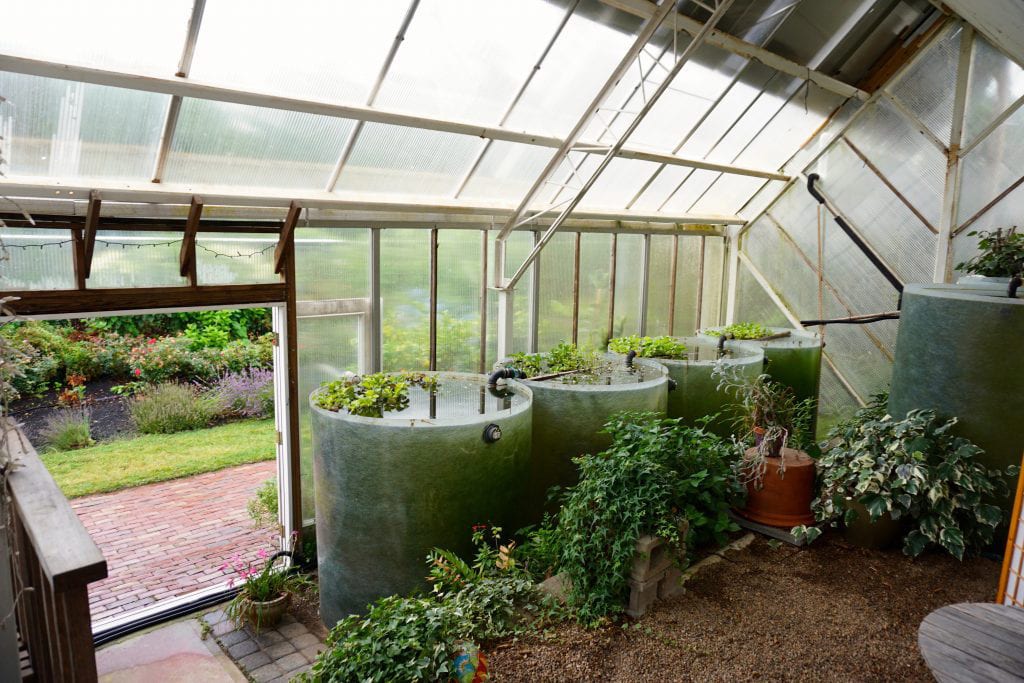
Should you put a bucket of water in your greenhouse? This is a question that can have several implications depending on the specific conditions of your greenhouse and the plants you are growing. Here are some reasons why you might consider placing a bucket of water in your greenhouse:
Maintaining Humidity Levels
A bucket of water can help in maintaining optimal humidity levels in your greenhouse. Plants in a greenhouse often require a stable humidity that can be achieved through methods like:
- Evaporation: Water from the bucket can evaporate, increasing the humidity.
- Moisture Regulation: It can help regulate moisture levels in the air, preventing rapid drying out.
- Microclimate Creation: The bucket can create a localized microclimate that benefits certain plants in the greenhouse.
Temperature Control
Water can also help in regulating the temperature inside your greenhouse. By adding a bucket of water, you can:
- Absorb Heat: Water has a high specific heat capacity, meaning it absorbs heat during the day and releases it at night.
- Moderate Temperature Fluctuations: This can prevent extreme temperature changes that can stress plants.
- Improve Growth Conditions: A stable temperature aids in consistent plant growth and minimizes shock.
Water Availability
Having a bucket of water readily available in your greenhouse can provide:
- Convenience: Watering plants becomes easier without the need to always go outside.
- Backup Supply: It serves as an emergency water supply in case of power failure affecting automatic systems.
- Quick Access: Quick access to water for misting or acclimatizing seedlings can be very beneficial.
Supporting Plant Health
Maintaining moisture levels by using a bucket can positively impact the health of your plants by:
- Reducing Stress: Plants will experience less stress from dehydration when humidity is stable.
- Promoting Growth: Strong humidity can encourage healthier growth and flowering.
- Deterring Pests: A humid environment can help deter certain pests that thrive in dry conditions.
Considerations Before Adding Water
Before deciding to place a bucket of water in your greenhouse, there are several factors to consider:
- Evaporation Rate: If it's too hot, water may evaporate too quickly, leading to inefficient humidity control.
- Placement: Ensure the bucket is placed wisely to avoid creating excessive moisture that may lead to mold.
- Type of Plants: Some plants thrive in high humidity, while others may not; tailor your approach accordingly.
Do fans lower humidity in a greenhouse?
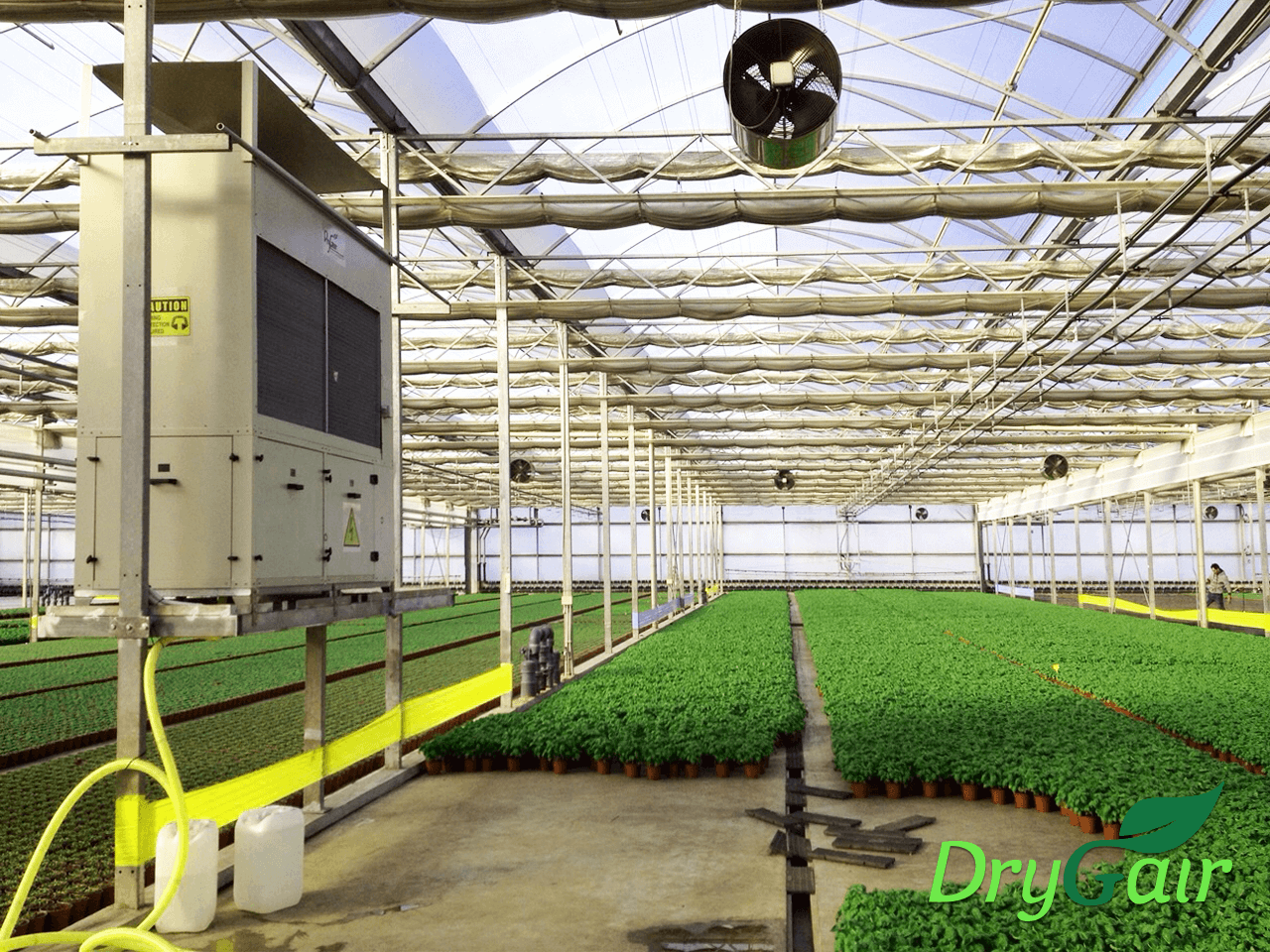
Fans can effectively lower humidity levels in a greenhouse, but the mechanism is more about airflow and evaporation than direct humidity reduction. When fans are used in a greenhouse, they create air movement, which aids in the evaporation of moisture from plant leaves, soil, and other surfaces. As humid air is cycled out and drier air is introduced, the overall humidity tends to decrease.
How Do Humidity Levels Affect Plant Growth?
Humidity plays a critical role in the health of plants in a greenhouse setting. High humidity can lead to problems such as fungal diseases and poor air circulation, while low humidity can stunt plant growth and cause dehydration.
- Fungal Diseases: Excessive humidity can create an environment conducive to mold and mildew growth, harming plants.
- Transpiration Rates: Humidity affects how much water plants lose through transpiration, impacting their overall health.
- Air Circulation: Proper humidity levels help maintain effective air circulation, crucial for photosynthesis and nutrient uptake.
Mechanism of Humidity Reduction Using Fans
The use of fans in a greenhouse primarily functions to enhance ventilation. By moving air, fans help reduce the concentration of humidity through several mechanisms.
- Evaporation: Increased air movement promotes the evaporation of moisture, which helps reduce humidity.
- Air Replacement: Fans assist in exchanging humid indoor air with less humid outdoor air.
- Temperature Control: By cooling the air through evaporation, fans can indirectly lower humidity levels that may rise due to heat.
Types of Fans Suitable for Greenhouses
Choosing the right type of fan for a greenhouse is essential for effective humidity management. Different fans serve various purposes based on their design and airflow capabilities.
See also:
- Exhaust Fans: These fans expel humid air from inside the greenhouse, effectively reducing humidity levels.
- Circulation Fans: These distribute air within the greenhouse to ensure uniform humidity and temperature.
- Evaporative Coolers: These systems not only cool air but also help in managing humidity levels by adding moisture during high-temperature conditions.
Impact of Fan Speed on Humidity Levels
The speed at which fans operate can significantly influence humidity levels inside a greenhouse. Different speeds can customize airflow based on the internal climate.
- Low Speed: At low speeds, fans provide gentle circulation, which may only slightly reduce humidity levels.
- Medium Speed: A medium setting balances airflow and humidity removal effectively without drying out plants.
- High Speed: High-speed operation maximizes air exchange and moisture removal but may necessitate careful monitoring to prevent rapid drying.
Best Practices for Using Fans in Greenhouses
To effectively lower humidity in a greenhouse, utilizing fans requires strategic planning and maintenance.
- Positioning: Place fans strategically to ensure even airflow and prevent humidity build-ups in corners or shaded areas.
- Regular Maintenance: Keeping fans clean and functional ensures they operate at peak efficiency for humidity control.
- Temperature Monitoring: Continuously monitor both temperature and humidity levels to adjust fan operation as needed.
How to damp down a greenhouse?

To effectively damp down a greenhouse, which means to increase humidity levels and reduce temperature during hot days, several methods can be employed. This process is essential for maintaining a suitable environment for plants, especially during the summer months. Below are detailed methods on how to damp down a greenhouse:
Understanding the Importance of Humidity
Maintaining proper humidity levels in a greenhouse is crucial for plant health. Humidity prevents excessive transpiration and wilting and can promote healthy growth. Different plants have various humidity requirements, so it's important to know those for your specific plants. The effects of humidity on your greenhouse include:
- Promotion of plant growth: Proper humidity levels enhance germination and development.
- Minimization of disease: Too low humidity can increase the risk of pests and diseases like powdery mildew.
- Enhanced nutrient uptake: Higher humidity can assist plants in taking up nutrients more efficiently.
Using Watering Techniques
Watering the plants strategically can help increase the humidity inside the greenhouse. This not only nourishes the plants but also raises moisture levels in the air. Effective watering techniques can include:
- Soil moisture management: Water the soil directly to reduce evaporation.
- Misting: Use a fine mist to lightly spray the plants and surrounding air.
- Watering trays: Place trays filled with water under plants to allow evaporation to increase humidity.
Employing Shade Cloths
Using shade cloths is another practical method to lower temperatures and increase humidity. Shade cloths can help diffuse sunlight, reducing heat accumulation. Tips for using shade cloths include:
- Choosing the right shade percentage: Determine the optimal shade level, usually between 30%-50% for most plants.
- Placement: Install shade cloth above plants to protect from direct sunlight.
- Seasonal adjustments: Change the cloth density based on seasonal temperature variations.
Ventilation Management
Proper ventilation is essential for controlling temperature and humidity effectively in a greenhouse. It reduces overheating while simultaneously allowing moisture to accumulate. Strategies for effective ventilation include:
- Opening vents: Regularly open windows or side vents to encourage airflow.
- Using fans: Install exhaust or circulation fans to maintain airflow while keeping humidity levels stable.
- Monitoring temperature: Use temperature sensors to monitor conditions and adjust ventilation accordingly.
Utilizing Humidifiers and Water Features
If natural methods are insufficient, artificial humidifiers or water features can be implemented to maintain desired humidity levels. Some considerations for these tools include:
- Choosing the right type: Opt for ultrasonic or evaporative humidifiers based on greenhouse size.
- Water features: Install small water fountains or ponds as evaporation sources.
- Regular maintenance: Regularly check and clean humidifying equipment to ensure efficiency.
Questions from Our Readers
How can I monitor humidity levels in a greenhouse?
To monitor humidity levels in a greenhouse, you can use a hygrometer, which is an instrument that measures the moisture content in the air. Regularly checking the humidity readings will help you understand the conditions in your greenhouse and allow you to take appropriate actions to maintain optimal levels for plant growth.
What methods are effective for reducing humidity in a greenhouse?
Effective methods for reducing humidity in a greenhouse include ensuring proper ventilation, using dehumidifiers, and incorporating fans to improve air circulation. Additionally, reducing the frequency of watering and using drip irrigation systems can help control excess moisture and create a more balanced environment for your plants.
How can I increase humidity in a greenhouse?
To increase humidity in a greenhouse, you can use methods such as misting systems or humidifiers to add moisture to the air. Placing water troughs or shallow trays filled with water can also help elevate the humidity level, especially in colder months when natural humidity is lower.
What role does plant density play in greenhouse moisture control?
Plant density significantly affects moisture control in a greenhouse because densely packed plants can lead to increased humidity levels due to higher transpiration rates. It's important to find the right balance to ensure adequate air circulation while still providing enough space for each plant to thrive without creating excessive moisture accumulation.
See also:

If you want to read more articles like Essential Tips: How Do You Control Moisture in a Greenhouse for Optimal Plant Growth?, we recommend you check out our Garden category.
Leave a Reply
Related Articles