Ultimate Guide: How to Heat a Greenhouse in Canada? Tips and Techniques for Winter Success
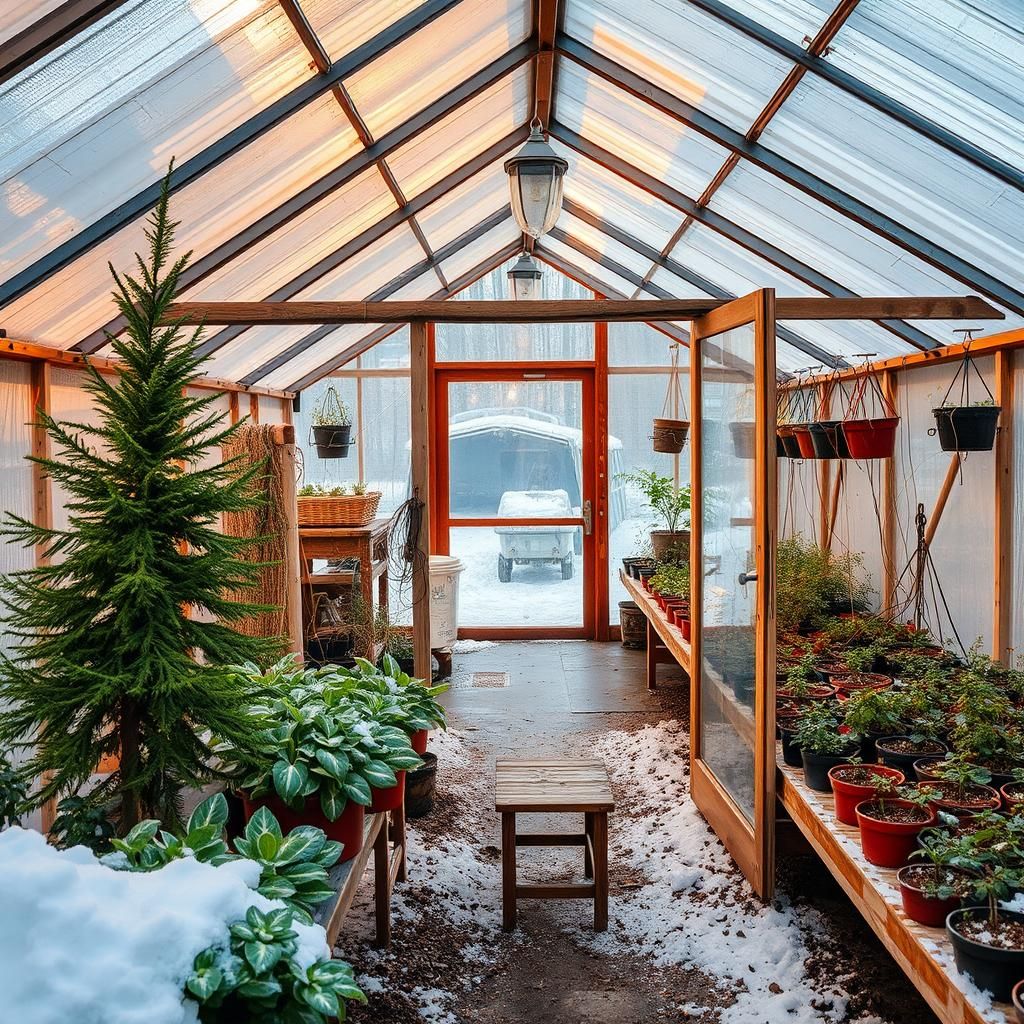
As winter sets in across Canada, maintaining a suitable environment for your greenhouse can be challenging but essential for the success of your plants. The harsh cold and limited sunlight can hinder growth, making it crucial to understand effective heating methods tailored to your specific needs. This ultimate guide will explore various tips and techniques to efficiently heat your greenhouse during the frigid months, ensuring a thriving horticultural space year-round. From choosing the right heating systems to maximizing insulation and utilizing renewable energy sources, you’ll discover practical strategies to keep your plants warm and healthy throughout winter.
Effective Methods for Heating a Greenhouse in Canada
To successfully heat a greenhouse in Canada, it is crucial to consider the extreme winter temperatures and the unique climate conditions across different regions. Utilizing a combination of insulation, efficient heating systems, and renewable energy sources can significantly improve the thermal performance of your greenhouse. Popular options include electric heaters, propane heaters, and radiant floor heating, all designed to maintain an optimal temperature even in the coldest months. Additionally, incorporating thermal mass materials, such as water barrels, can help store and distribute heat during the night, ensuring a stable growing environment for your plants.
Choosing the Right Heating System
When selecting a heating system for your greenhouse in Canada, consider factors such as size, insulation, and the specific needs of your crops. Some common heating systems include electric heaters, which are easy to install but may lead to high energy costs; propane heaters, which provide quick and intensive heating; and wood or biomass heating systems, which can be more cost-effective and eco-friendly. Evaluating the availability of fuel and the initial investment in heating technology will also influence your choice, ensuring that you meet your greenhouse’s requirements effectively.
Insulation Techniques
Insulation is a vital component in maintaining a warm atmosphere within your greenhouse. Utilizing materials such as double-layer polycarbonate panels or thermal blankets can significantly reduce heat loss. Additionally, sealing any gaps or cracks in the structure and ensuring that doors and vents are well-insulated can help trap warmth. Adding insulation around the foundation and using bubble wrap on the interior walls are also effective strategies for enhancing thermal efficiency, keeping your plants thriving during the colder months.
Using Thermal Mass
Incorporating thermal mass into your greenhouse design can help regulate temperature fluctuations effectively. Materials like water barrels, stone, or concrete slabs can absorb heat during the day and release it slowly at night, thereby maintaining a more stable climate. Positioning these materials strategically within the greenhouse allows for optimal heat circulation and can minimize the dependency on external heating sources, making it a sustainable and energy-efficient solution.
See also:
Solar Heating Solutions
Solar heating is an excellent eco-friendly option for greenhouses in Canada, particularly during sunny winter days. Installing solar panels or building a solar air heater can harness sunlight to produce warm air or hot water, which can then be circulated throughout the greenhouse. This method not only reduces heating bills but also minimizes reliance on fossil fuels, promoting a more sustainable growing environment. Careful placement of your greenhouse to maximize sunlight exposure is essential for this approach to be effective.
Monitoring and Controlling Temperature
To optimize the performance of your heating system, it's crucial to continuously monitor and control the greenhouse temperature. Installing thermostats and sensors can provide real-time data on the internal climate, allowing you to adjust heating mechanisms accordingly. Automated systems can help maintain consistent temperature levels, reducing energy waste and ensuring your plants are kept in ideal conditions. Regular checks of the system’s efficacy are also required to avoid potential issues that could affect plant health.
| Heating System | Pros | Cons |
|---|---|---|
| Electric Heaters | Easy to install, precise temperature control | Potentially high energy costs |
| Propane Heaters | Quick heating, effective for large spaces | Requires fuel storage, may have emissions |
| Wood/Biomass Heating | Cost-effective, renewable energy source | Requires manual operation, space for storage |
| Solar Heating | Eco-friendly, reduces heating costs | Depends on sunlight availability |
Essential Heating Techniques for Effective Greenhouse Management in Canada
To successfully heat a greenhouse in Canada during winter, it is crucial to implement a combination of strategies that take into account the harsh climate. Utilizing passive solar heating techniques, such as placing thermal mass materials inside the greenhouse, can help retain and distribute heat throughout the day. Additionally, using insulated covers during the night can significantly reduce heat loss, ensuring that plants remain at an optimal temperature. Incorporating heat mats for seed germination areas and utilizing energy-efficient heating systems can also dramatically improve the overall environment within your greenhouse, promoting healthier plant growth despite the cold outdoor conditions.
Understanding Insulation Options
Choosing the right insulation material is vital for maintaining an efficient temperature in your greenhouse. Materials like double-walled polycarbonate or specialized greenhouse film can help trap heat effectively while allowing sufficient light penetration. Furthermore, utilizing thermal curtains or shades can provide extra insulation at night and during extreme weather, minimizing heat loss and reducing energy costs.
The Role of Ventilation Systems
While heating is crucial, proper ventilation cannot be overlooked, as it helps control humidity levels and prevents heat buildup. Integrating a mechanized ventilation system that opens automatically based on temperature settings can help maintain a consistent environment. This balance of heating and ventilation is essential to prevent diseases and ensure that plants receive adequate airflow while minimizing energy waste.
See also:
Utilizing Solar Energy for Heating
Solar energy can be a cost-effective and environmentally friendly way to heat your greenhouse. Installing solar panels or solar water heating systems can provide sufficient energy to operate heating systems, reducing reliance on fossil fuels. Additionally, positioning your greenhouse to maximize sun exposure can enhance the effectiveness of passive solar heating methods, making it a sustainable choice for winter gardening.
Choosing the Right Heating System
Selecting the best heating system for your greenhouse depends on factors like size, budget, and energy efficiency. Options range from electric heaters, which are easy to install and control, to natural gas or propane heaters that can cover larger spaces. Moreover, considering radiant heating or hydronic heating systems may offer more uniform temperature distribution, ultimately leading to improved plant growth and reduced energy costs over time.
Monitoring Temperature and Humidity
Regularly monitoring temperature and humidity levels is crucial for creating the ideal environment for your plants. Utilizing digital thermometers and hygrometers can provide real-time data on conditions inside the greenhouse. Implementing a smart system that allows you to adjust heating and ventilation based on these measurements can lead to better crop yields and healthier plants, especially during the frigid Canadian winters.
Questions from Our Readers
How can I effectively heat a greenhouse in Canada during winter?
To effectively heat a greenhouse in Canada during winter, consider using a combination of insulation, heating systems, and thermal mass. Utilizing bubble wrap or thermal curtains can help retain heat while implementing heaters such as electric, gas, or propane options ensures a consistent temperature. Additionally, incorporating water barrels or large stones can absorb heat during the day and release it at night.
What type of heating system is best for a greenhouse in Canada?
The best heating system for a greenhouse in Canada generally depends on factors like size and budget. Gas heaters are popular for larger spaces due to their efficiency, while electric heaters are suitable for smaller greenhouses. Consider also solar heating systems, which can reduce energy costs in the long run, making them an environmentally friendly option.
See also:
How can I reduce heating costs for my greenhouse?
To reduce heating costs for your greenhouse, invest in proper insulation and ensure that the structure is sealed against drafts. Using thermal mass methods, such as placing water tanks inside to absorb heat, can also be effective. Another strategy is to utilize ventilation controls to prevent overheating during sunny days, which can reduce the need for additional heating.
Are there any alternative heating methods for greenhouses in Canada?
Yes, there are several alternative heating methods for greenhouses in Canada that are environmentally friendly. One popular method is using solar panels combined with heat exchangers to harness solar energy. Additionally, some greenhouse owners opt for biomass heaters or geothermal systems, which can provide sustainable heating options that reduce reliance on fossil fuels.

If you want to read more articles like Ultimate Guide: How to Heat a Greenhouse in Canada? Tips and Techniques for Winter Success, we recommend you check out our Garden category.
Leave a Reply
Related Articles