Can You Put a Greenhouse Directly on Soil? Key Considerations and Tips

Building a greenhouse can be an exciting venture for gardening enthusiasts and homeowners alike. A common question arises: can you put a greenhouse directly on soil? While the answer is yes, there are several key considerations to keep in mind to ensure the longevity and effectiveness of your greenhouse. Factors such as drainage, soil type, and greenhouse design play crucial roles in determining the best approach. This article will explore the advantages and disadvantages of placing a greenhouse directly on soil, along with essential tips to optimize your gardening experience and plant health.
Can You Put a Greenhouse Directly on Soil?
Yes, you can put a greenhouse directly on soil, and this option has both benefits and considerations. Setting up a greenhouse on the soil allows for better drainage and provides a natural environment for the plants inside, as the earth can help moderate temperature and retain moisture. However, it’s important to ensure that the chosen location has proper drainage to prevent waterlogging and that the soil is healthy, as this can influence the growth and health of the plants. Additionally, having the greenhouse directly on soil makes it easier for pests to access the plants, so appropriate pest control measures may need to be implemented.
Benefits of Placing a Greenhouse on Soil
Placing a greenhouse directly on soil offers several advantages, such as improved air circulation and natural moisture retention. The soil acts as a thermal mass, helping to regulate the temperature within the greenhouse and providing a more stable environment for plants. This can lead to enhanced growth and productivity. Additionally, the direct contact with soil allows plants to draw nutrients from the ground, reducing the need for extra fertilizers.
Considerations for Soil Preparation
Before placing a greenhouse on soil, it is crucial to prepare the ground properly. This includes clearing the area of weeds, rocks, and debris that could harm the structure or the plants inside. Amending the soil with organic matter, such as compost, can enhance its fertility and support plant growth. It's also important to ensure a flat surface to prevent any water accumulation that could affect the greenhouse's stability.
Drainage Solutions for Soil-Based Greenhouses
Proper drainage is a vital consideration when placing a greenhouse on soil. If the land is prone to waterlogging, it may be necessary to implement a drainage system to prevent water from pooling around the foundation of the greenhouse. This can include creating drainage trenches or installing perforated pipes to divert excess water away from the structure and protect the plants’ roots.
Pest Management for Soil-Settled Greenhouses
One challenge of placing a greenhouse on soil is the potential for pests to easily access the plants. To manage this, regular inspections and maintaining proper hygiene within the greenhouse are essential. Utilizing barriers such as insect netting, planting companion plants, and incorporating biological pest control methods can help mitigate pest issues while allowing the benefits of soil cultivation.
Foundation Options for Soil Greenhouses
While a greenhouse can sit directly on soil, some owners choose to use a foundation to enhance stability and extend the lifespan of the structure. Options include using concrete blocks, wood, or a perimeter of gravel or stones to define the greenhouse's edges. This can help prevent weed growth around the greenhouse and provide a clear boundary, improving the management of the space overall.
| Aspect | Direct Soil Placement | With Foundation |
|---|---|---|
| Drainage | Natural drainage but risk of waterlogging | Improved drainage options |
| Pest Access | Easier access for pests | Reduced pest access barriers |
| Soil Nutrients | Direct access to nutrients | Nutrient access possibly limited |
| Temperature Regulation | Natural thermal mass | Less direct soil interaction |
| Setup Complexity | Simple setup | Requires more preparation |
What is the best base to put a greenhouse on?

The best base to put a greenhouse on depends on various factors, including your climate, budget, and materials available. A greenhouse base is crucial as it provides stability, insulation, and accessibility for the structure. Common choices include concrete, gravel, paving stones, and treated wood. Below is a detailed exploration of some of the most suitable bases, their advantages, and considerations.
Concrete Slab
A concrete slab is often regarded as one of the most durable and stable options for greenhouse bases. It provides an excellent foundation that can support the weight of the greenhouse and resist environmental factors.
- Durability: Concrete can withstand various weather conditions, making it a long-lasting choice.
- Stability: The solid foundation prevents shifting and settling, which is crucial for the structure's integrity.
- Maintenance: A concrete slab requires minimal maintenance compared to other options, as it does not rot or wear out easily.
Gravel Base
A gravel base is a popular alternative that allows for excellent drainage and is relatively easy to install. It consists of a layer of gravel, which can be shaped and adjusted according to the greenhouse's dimensions.
- Drainage: Gravel promotes efficient water drainage, which is essential for preventing plant rot and other moisture-related issues.
- Cost-effectiveness: Gravel is often less expensive than concrete, making it an attractive option for budget-conscious builders.
- Weed Control: With proper landscaping fabric underneath the gravel, weed growth can be significantly minimized.
Paving Stones
Using paving stones can enhance the aesthetic appeal of your greenhouse while providing a solid base. They can be laid out according to the desired design, offering flexibility in how the base looks.
- Customization: Paving stones come in various shapes and sizes, allowing for creative designs tailored to your garden.
- Portable: Unlike concrete, paving stones can easily be removed or replaced without extensive labor.
- Drainage and air circulation: Gaps between stones enable air circulation and drainage, helping maintain optimal conditions around the greenhouse.
Treated Wood Frame
A treated wood frame can serve as a base for a greenhouse and offers a natural aesthetic. The wood is typically treated to resist rot and pests, prolonging its lifespan.
See also:
- Natural Appearance: Wood blends well with garden settings, creating a more organic feel in your outdoor space.
- Ease of Installation: A wooden frame is relatively simple to construct, making it accessible for DIY enthusiasts.
- Insulation: Wood provides natural insulation, helping to regulate the temperature inside the greenhouse.
Compacted Soil
For those looking for a more natural option, a compacted soil base can be used, especially in smaller greenhouses. This is less common but can work effectively if done correctly.
- Soil Improvement: Building directly on soil can help improve soil quality over time as organic matter from plants breaks down.
- Cost-efficient: This option requires minimal materials, significantly lowering costs compared to other foundations.
- Natural Drainage: Properly compacted soil can provide good drainage, helping to avoid overwatering issues in plants.
Can you put a greenhouse directly on the ground?

Yes, you can put a greenhouse directly on the ground. However, there are several considerations that need to be taken into account to ensure the structure remains effective and secure. Placing a greenhouse on bare soil can simplify installation and reduce costs, but it also poses challenges related to drainage, pest control, and temperature regulation.
Ground Preparation for a Greenhouse
Proper preparation of the ground is essential before placing a greenhouse. This includes clearing the area of debris, weeds, and large stones. The soil condition will directly affect the plants inside the greenhouse, so it's important to consider the following steps:
- Level the Area: Ensure the ground is flat to prevent water pooling.
- Improve Drainage: Consider adding a layer of gravel or sand to promote water drainage.
- Test Soil Quality: Check pH and nutrient levels to ensure they support plant growth.
Advantages of Ground Placement
Placing a greenhouse directly on the soil offers several advantages. It can be more cost-effective and easier to install than using a concrete or paved base. The primary benefits include:
- Cost Efficiency: Reduces the need for additional materials like concrete.
- Natural Insulation: The ground can provide thermal mass that helps regulate temperature.
- Easy Access for Watering: Direct soil access simplifies watering systems and methods.
Disadvantages of Ground Placement
While there are advantages, there are also potential downsides to consider when placing a greenhouse directly on the ground. These could impact its effectiveness and durability. Key disadvantages include:
- Pest Invasion: Direct contact with soil may increase pest problems.
- Water Accumulation: Poor drainage can lead to flooding or soil erosion.
- Weed Growth: Weeds can flourish in the ground, competing with your plants for nutrients.
Foundation Alternatives
Although placing a greenhouse directly on the ground is feasible, there are alternative foundations that can enhance its stability and longevity. Some widely used options include:
- Concrete Slab: Provides a solid and durable base that prevents pests.
- Wooden Frame: A wooden perimeter can help with structure support and pest control.
- Gravel Base: Offers good drainage while being less permanent than a concrete slab.
Maintenance Considerations
When a greenhouse is placed on the ground, maintenance becomes crucial for success. Regular maintenance can help mitigate the downsides associated with soil placement. Important maintenance practices include:
- Regular Weeding: Keep the area around the greenhouse free of weeds.
- Drainage Checks: Ensure that water can drain away from the base effectively.
- Pest Monitoring: Frequently check for any signs of pest activity or damage.
Can you build a greenhouse without a foundation?
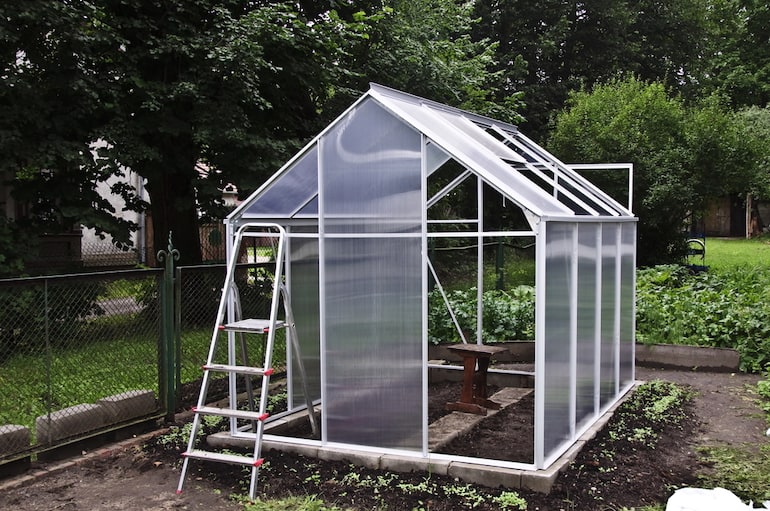
Yes, you can build a greenhouse without a traditional foundation, but there are several factors to consider. The absence of a foundation can make the structure more vulnerable to environmental elements and pests. However, using alternative methods, you can create a sturdy and functional greenhouse without a concrete or permanent base. Here are some key points to consider:
Benefits of Building a Greenhouse Without a Foundation
Building a greenhouse without a foundation has several advantages, including easier construction and lower costs. Additionally, it allows for flexibility in relocating the greenhouse.
- Cost-Effective: Without the need for a concrete foundation, you can save significantly on materials and labor.
- Mobility: A greenhouse without a foundation can be easily relocated if your growing needs change or if you want to access different areas of your garden.
- Quick Installation: Setting up a greenhouse without a foundation can be a faster process, allowing you to begin your gardening activities sooner.
Types of Greenhouses Suitable for Foundationless Construction
Certain styles of greenhouses are more compatible with foundationless construction. These typically use lightweight materials and designs that promote stability without the need for extensive groundwork.
- Hoop Houses: Made from flexible PVC or metal tubing, hoop houses are simple and can be secured to the ground with stakes or weighted bases.
- Portable Greenhouses: These structures often come with a frame that doesn't require anchoring, making them easy to set up in varied locations.
- Tunnel Greenhouses: Similar to hoop houses, tunnel greenhouses are great for seasonal use and can be removed or relocated as needed.
Considerations for Stability in Foundationless Greenhouses
While building a greenhouse without a foundation is possible, it’s crucial to ensure that it remains stable and secure. This involves considering various elements that can affect its integrity.
See also:
- Wind Resistance: Selecting a well-protected site can help mitigate wind impact. Using anchors or heavy weights can enhance stability.
- Soil Conditions: Ensure that the ground is stable and not prone to flooding. Raised beds or gravel can provide better drainage.
- Weight Distribution: Distributing weight evenly helps prevent the structure from shifting or collapsing, especially during inclement weather.
Maintenance Challenges of Foundationless Greenhouses
A greenhouse built without a foundation may encounter specific maintenance challenges that need to be addressed to ensure longevity and functionality.
- Weed Control: With no foundation, weeds may be more likely to grow around and inside the greenhouse. Regular weeding is essential.
- Pest Management: Without a solid base, pests may find it easier to enter. Ensuring fitted screens and regular inspections can help manage this issue.
- Structural Checks: It's important to frequently inspect for any areas needing reinforcement or repair, especially after severe storms.
Building Codes and Regulations for Foundationless Greenhouses
Before constructing a greenhouse, it’s critical to investigate local building codes and regulations. Even without a foundation, there may be guidelines you must follow.
- Local Regulations: Check with local authorities to understand any specific rules regarding greenhouse construction in your area.
- Zoning Laws: Some areas have zoning laws that dictate where and how structures can be built, including greenhouses.
- Permits: Depending on your location, you may still need a permit to build a greenhouse, even without a permanent foundation.
Does a greenhouse need a solid base?
Yes, a greenhouse does require a solid base to ensure its stability, longevity, and effectiveness in supporting plant growth. A strong foundation is crucial for several reasons including structural integrity, moisture control, and temperature regulation. Without a proper base, a greenhouse may collapse, experience uneven settling, or encounter various other issues that could hinder the growth conditions for the plants inside.
Importance of Stability
A solid base provides the necessary stability for a greenhouse, which is critical due to the various environmental factors it faces.
- Wind Resistance: A stable foundation helps to anchor the greenhouse against strong winds, reducing the risk of damage.
- Weight Distribution: A solid base ensures that the weight of the greenhouse structure and contents are evenly distributed, preventing sagging or tipping.
- Safety: A well-constructed foundation minimizes the risk of accidents due to structural failures.
Moisture Control
Managing moisture levels is vital for plant health, and a solid base plays an essential role in this aspect.
- Drainage: A solid foundation can incorporate drainage systems that prevent water accumulation, thereby protecting plants from root rot and other moisture-related issues.
- Soil Quality: A reliable base can help maintain soil conditions by reducing erosion and nutrient loss.
- Preventing Weeds: A good foundation can minimize weed growth that often thrives in unstable soil conditions.
Temperature Regulation
A solid base can aid in temperature regulation, which is vital for maintaining optimal growing conditions.
- Insulation: A sturdy base can provide better insulation against extreme temperatures, helping to maintain a consistent internal climate.
- Heat Retention: Concrete or other solid materials can absorb heat during the day, releasing it slowly at night to benefit plants.
- Reduced Temperature Fluctuations: A solid foundation can help reduce drastic temperature changes, creating a more stable environment for growth.
Types of Solid Bases
There are several types of solid bases that can be used for a greenhouse, each offering its unique benefits.
- Concrete Slab: Provides excellent durability and stability, ideal for larger greenhouses.
- Brick or Stone Foundation: Offers aesthetic appeal along with significant structural support.
- Wooden Frame: Can be a cost-effective option, although it may require more maintenance over time.
Installation Considerations
When installing a solid base for a greenhouse, there are several considerations to keep in mind.
- Site Preparation: The area should be leveled and cleared of debris to ensure the foundation is laid correctly.
- Local Regulations: Check local building codes or regulations that may pertain to greenhouse installations.
- Future Expansion: Consideration for potential future expansion so that the base can accommodate growth.
Questions from Our Readers
Can you put a greenhouse directly on soil?
Yes, you can put a greenhouse directly on soil. However, it is important to ensure that the ground is level and well-drained. This helps to prevent water accumulation, which could harm the plants inside the greenhouse. Additionally, consider the type of soil and its fertility, as these factors can impact plant growth.
What are the benefits of placing a greenhouse directly on the ground?
Placing a greenhouse directly on the ground allows for better root access to the soil, providing plants with the nutrients they need. It also helps to regulate temperature and humidity levels, creating a more stable environment for growth. Furthermore, it can lead to lower installation costs compared to building a raised foundation.
Are there any disadvantages to putting a greenhouse on soil?
One disadvantage of placing a greenhouse directly on soil is the potential for pests and diseases to easily access plants. Additionally, soil conditions can vary, leading to challenges with drainage and weeds. It's important to manage these factors effectively to ensure a productive growing environment.
Do I need a foundation for my greenhouse if it's on soil?
A foundation is not strictly necessary for a greenhouse placed on soil, but it can provide additional stability and help with drainage. Some people opt for a simple gravel base or a concrete perimeter to keep the greenhouse secure and prevent shifting due to weather conditions. Ultimately, the decision depends on your specific location and greenhouse design.
See also:

If you want to read more articles like Can You Put a Greenhouse Directly on Soil? Key Considerations and Tips, we recommend you check out our Garden category.
Leave a Reply
Related Articles