Ultimate Guide: How to Make a Simple Miniature Garden? Easy Steps and Tips!
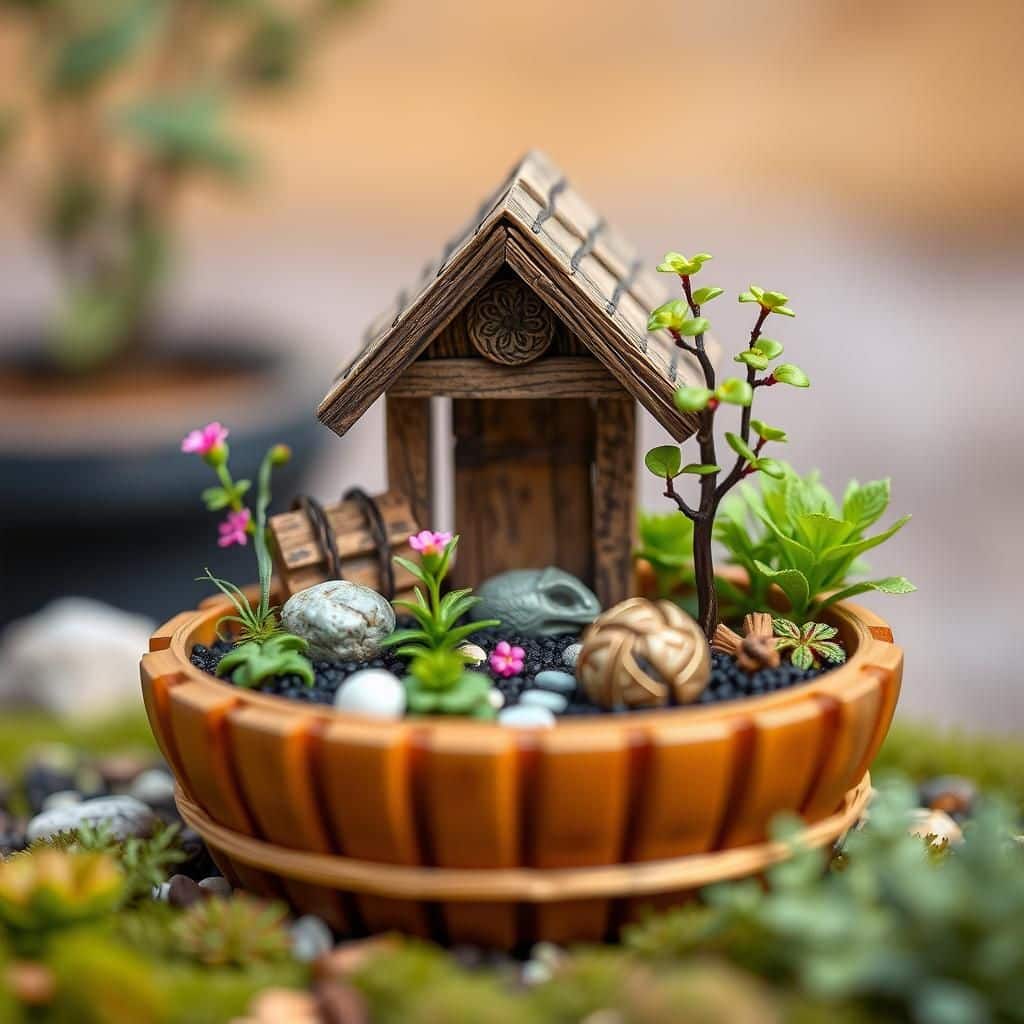
Creating a miniature garden can be a delightful and rewarding experience, perfect for both seasoned gardeners and beginners alike. This ultimate guide will walk you through the easy steps and essential tips to construct your very own tiny oasis. From selecting the right container and soil to choosing miniature plants and decorative elements, every detail will be covered to ensure your garden thrives. Whether you’re looking to spruce up a small space or engage your creativity, this guide will equip you with the knowledge needed to make a stunning miniature garden that reflects your personal style.
How to Create a Simple Miniature Garden
Creating a simple miniature garden is a delightful way to bring greenery into your home or yard without needing extensive space. Begin by selecting a suitable container, which could be anything from a rustic wooden box to a small terracotta pot. Ensure that it has proper drainage holes to prevent overwatering. Next, choose your plants; miniature gardens thrive on small-scale varieties like succulents, moss, or tiny flowering plants. Assemble your garden by arranging the plants according to their height and color for visual appeal. Finally, add a few decorative elements, such as small figurines, stones, or miniature furniture, to enhance the charm of your garden while keeping the overall design simple and inviting.
Choosing the Right Container
When it comes to making a miniature garden, selecting the right container is crucial for its success. Opt for containers that are not only appealing visually but also functional for plant growth. Consider materials such as ceramics, plastic, or wood, and ensure the container has adequate drainage holes to prevent root rot. Also, the size of the container will dictate the number and size of plants you can include, so choose one that aligns with your vision for the garden space.
Selecting the Plants
The choice of plants is fundamental in miniature gardening, as they need to suit the environment of the miniature landscape. Start by selecting small, slow-growing plants like succulents, ferns, or dwarf varieties of traditional garden plants. Additionally, pay attention to the light requirements and watering needs of each plant to ensure they can cohabitate well and thrive together. Mixing textures and colors will create more visual interest in your miniature garden.
Arranging Your Garden
Arranging the plants in your miniature garden requires thoughtfulness to create a balanced aesthetic. Begin by placing the tallest plants in the back, gradually decreasing in height towards the front. This creates a layered effect which helps to enhance visibility of each plant. Additionally, grouping plants of similar shapes or colors can provide symmetry, or you might opt for a more whimsical look by varying sizes and types. Aim for a design that draws the eye and invites exploration.
Adding Decorative Elements
To personalize your miniature garden, consider incorporating decorative elements such as tiny figurines, stones, or themed ornaments. Items like miniature benches, pathways, or fairy houses can elevate the charm of your garden and create a narrative for viewers. These elements should complement the overall design without overwhelming the plants, so use them sparingly to maintain focus on the natural beauty of the greenery.
Maintaining Your Miniature Garden
Caring for your miniature garden is an ongoing commitment that involves regular maintenance to keep it looking its best. This includes proper watering, usually only when the soil appears dry, as well as occasional trimming of overgrown plants. Monitor for pests or diseases, and don’t hesitate to remove any unhealthy looking plants to maintain the aesthetic and health of the garden. Regularly refresh the decorative elements to keep the garden engaging and delightful to look at.
| Key Element | Importance |
|---|---|
| Container | Essential for drainage and aesthetic appeal |
| Plants | Choose suitable varieties for growth and compatibility |
| Arrangement | Creates visual balance and interest |
| Decorative Elements | Adds charm and personality |
| Maintenance | Ensures health and longevity of the garden |
How to make a miniature garden easy?

To create a miniature garden easily, you can follow these simple steps that involve selecting the right container, choosing suitable plants, and arranging everything creatively. Here’s a detailed guide to get you started.
Choosing the Right Container
Selecting a suitable container is fundamental to your miniature garden. It should allow for adequate drainage and provide enough space for the plants.
- Size: Choose a container that fits the space you intend to use, ranging from small pots to larger trays.
- Material: Options include ceramic, plastic, or metal. Ensure it has drainage holes to prevent waterlogging.
- Theme: Select a container that complements the theme of your garden, such as rustic, modern, or whimsical.
Selecting Miniature Plants
The next step is to pick the right plants that can thrive in a small environment. Look for dwarf varieties or plants that naturally stay small.
- Sedums: These are hardy succulents that require minimal care and come in various colors.
- Miniature Ferns: Perfect for adding lush greenery; they thrive in indirect sunlight.
- Herbs: Varieties like thyme or basil can enhance the garden while providing a pleasant aroma.
Soil Preparation
The soil you use is crucial for the health of your plants. Opt for a lightweight potting mix suited for container gardening.
- Quality Mix: Use a mix that promotes good drainage and aeration, as too much moisture can harm the roots.
- Fertilization: Incorporate a slow-release fertilizer to ensure your plants get the nutrients they need.
- pH Level: Check the pH level; most plants do well in slightly acidic to neutral soil (pH 6-7).
Designing Your Garden Layout
Once you have your container and plants, it's time to design your garden. This is where creativity comes into play, allowing you to create a micro-ecosystem.
See also:
- Layering: Position taller plants in the back and shorter ones in the front for a visually appealing layout.
- Paths and Features: Add decorative stones, mini figurines, or small accessories to enhance the visual interest.
- Spacing: Ensure adequate space between plants to promote healthy growth without overcrowding.
Caring for Your Miniature Garden
After setting up your miniature garden, maintenance is necessary to keep it vibrant and healthy.
- Watering: Water the garden as needed, allowing the soil to dry out slightly between waterings to prevent rot.
- Sunlight: Place your garden in a location that receives the right amount of sunlight for your selected plants.
- Pruning: Regularly trim back overgrown plants to maintain shape and encourage new growth.
What kind of soil do you use for a miniature garden?
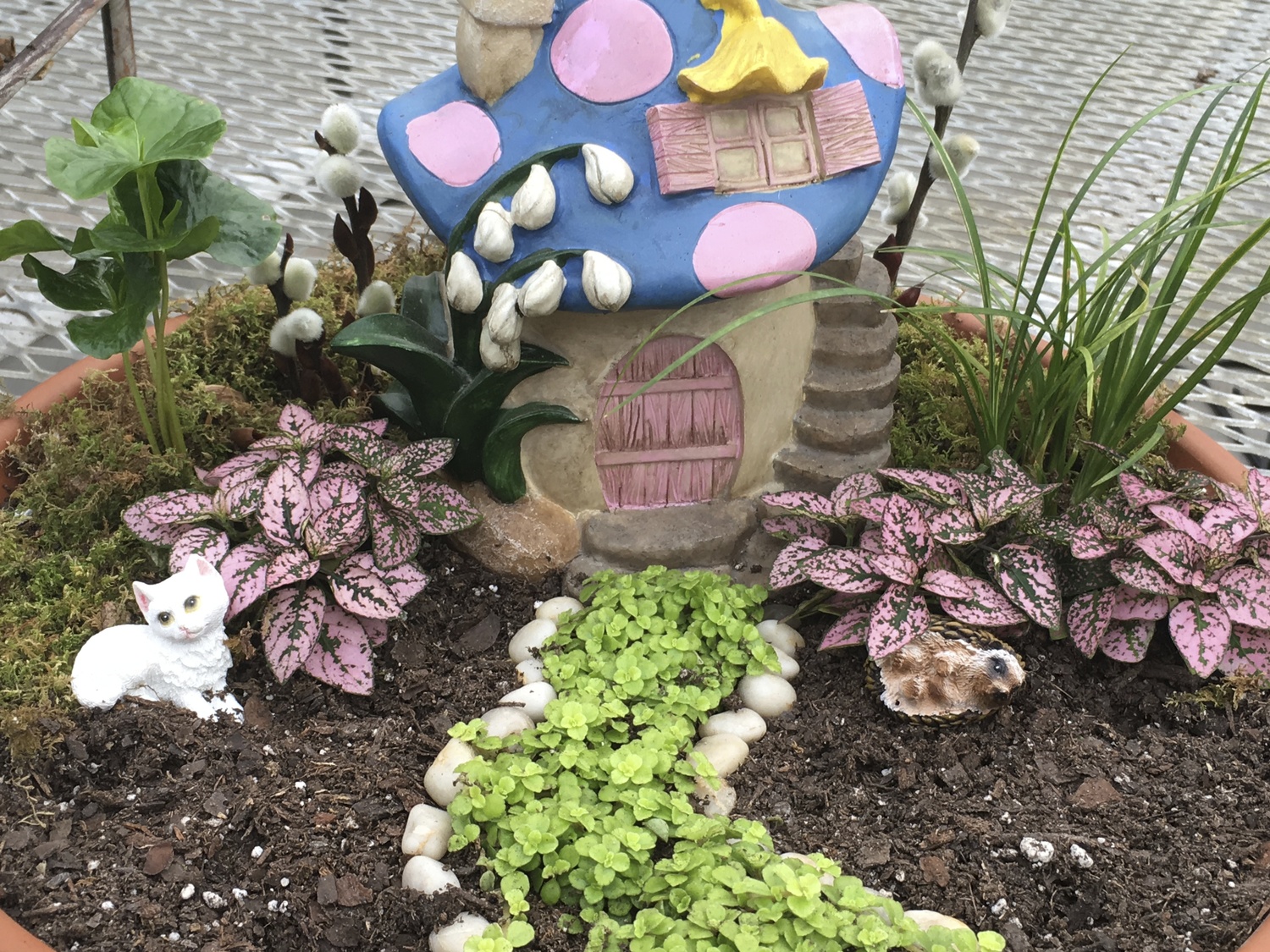
To create a thriving miniature garden, the type of soil you choose is crucial. The ideal soil should be well-draining, nutrient-rich, and tailored to the specific requirements of the plants you aim to cultivate. Here are some essential factors to consider when selecting soil for your miniature garden:
Components of Ideal Soil for Miniature Gardens
The best soil for a miniature garden typically consists of a mix of various materials that promote healthy growth. An ideal blend would include:
- Potting soil: A lightweight, commercial mix that provides basic nutrients.
- Perlite or vermiculite: Helps improve aeration and drainage.
- Sphagnum moss: Retains moisture while preventing soil compaction.
Importance of Drainage in Soil
Drainage is a critical factor in a miniature garden soil mixture. Poor drainage can lead to root rot and other plant diseases. Thus, it is essential to ensure your soil mixture allows excess water to escape efficiently. A well-draining soil can be achieved by:
- Incorporating perlite: This expands to aerate the soil and enhance drainage efficiency.
- Adding sand: Coarse sand improves drainage, making it suitable for plants that thrive in drier conditions.
- Creating a raised bed: This allows for better water runoff and reduces waterlogging risks.
Choosing the Right pH Level
The pH level of your soil can significantly affect plant growth. Most plants in miniature gardens thrive in slightly acidic to neutral pH levels (around 6.0 to 7.0). To ensure your soil has the right pH:
- Testing the soil: Use pH test kits available at garden centers.
- Amending soil: Add lime to raise pH or sulfur to lower it, according to your testing results.
- Selecting compatible plants: Some plants prefer specific pH ranges, so research beforehand.
Nutrients Required for Healthy Miniature Gardens
A nutrient-rich soil is essential for healthy plant growth in a miniature garden. Vital nutrients include nitrogen, phosphorus, and potassium, known collectively as N-P-K. To ensure your soil is nutrient-dense:
- Using organic fertilizers: Compost or worm castings provide a balanced nutrient profile.
- Incorporating slow-release fertilizers: These feed plants over time, maintaining nutrient availability.
- Rotating plants: This prevents nutrient depletion and promotes soil health.
Maintaining Soil Moisture
Proper moisture levels are critically important for a miniature garden. Too much or too little water can harm the health of the plants. Here are ways to manage moisture effectively:
- Mulching: Applying a layer of mulch helps retain moisture and regulates soil temperature.
- Regular monitoring: Keep an eye on soil moisture levels and adjust watering as needed.
- Using self-watering containers: These can help provide consistent moisture without inundating the plants.
How to create a simple zen garden?
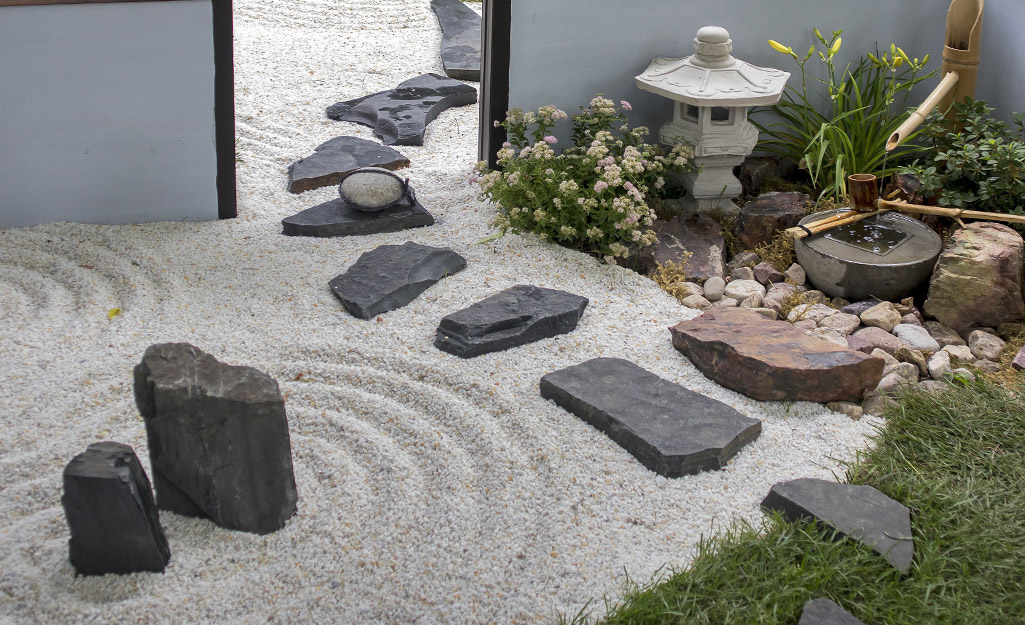
Creating a simple zen garden can be a rewarding and therapeutic process, allowing you to cultivate mindfulness and appreciation for nature. Here’s a detailed guide to get you started.
Choosing the Right Location
Selecting an appropriate location is crucial for your zen garden. You want a space that allows you to relax and find tranquility. Consider these factors:
- Sunlight: Choose a spot that receives adequate sunlight but isn’t too harsh. A balance of sun and shade is ideal.
- Accessibility: Ensure the location is easily accessible for maintenance and contemplation.
- Privacy: Ideally, your garden should be in a secluded area where you can enjoy peace and quiet.
Gathering Materials
To create a zen garden, you’ll need to gather a few essential materials. The simplicity of this garden style means you don’t need a lot, but quality is important.
- Sand or Gravel: This will be the primary material for your garden, representing water and providing a blank canvas for your design.
- Rocks: Select a variety of rocks to symbolize mountains or islands in your garden layout.
- Plants: Incorporate low-maintenance plants such as succulents or moss, which contribute to the serene vibe.
Designing the Layout
The layout of your zen garden should be simple yet functional. The design plays a significant role in achieving a peaceful ambiance.
See also:
- Shape: Consider the shape of your garden; common forms include rectangular or circular spaces.
- Pathways: Create pathways with rocks or gravel to guide movement through the garden and enhance its natural beauty.
- Symbolism: Use the placement of rocks and plants to symbolize natural elements like mountains, rivers, and islands.
Creating Patterns in Sand
One of the defining features of zen gardens is the patterns created in the sand or gravel. This activity is meditative and enhances the garden's aesthetic.
- Raking Techniques: Use a rake to create gentle ripples or waves in the sand, symbolizing water flow.
- Regular Maintenance: Regularly maintain the patterns, raking them each time you visit the garden to keep it looking fresh.
- Mindfulness Practice: Turn raking into a mindfulness practice; focus on the movement and rhythm of the process.
Adding Personal Touches
To make your zen garden uniquely yours, consider adding personal touches that resonate with you or your experiences.
- Statues or Ornaments: Include meaningful statues or ornaments that reflect your beliefs or memories.
- Water Features: If possible, incorporate a small water feature such as a fountain or basin, which adds soothing sound and movement.
- Seating Area: Create a seating area with stones or a bench to encourage relaxation and contemplation in the space.
What should we do before making a miniature garden?
Before making a miniature garden, several preparatory steps can significantly enhance the overall outcome and enjoyment of the project. Here are some essential actions to consider:
Define Your Theme
Establishing a clear theme for your miniature garden is fundamental. It can guide your design choices and create a cohesive look. Common themes include:
- Fairy Garden: Enchanted elements like tiny houses and whimsical accessories.
- Desert Oasis: Incorporate succulents and sand to mimic desert landscapes.
- Japanese Zen Garden: Focus on tranquility with stones, moss, and minimalistic design.
Choose the Right Container
Selecting an appropriate container is crucial for the health of your plants and the aesthetics of your miniature garden. Consider these factors:
- Drainage: Ensure your container has adequate drainage holes to prevent overwatering.
- Size: Choose a size that fits your available space while allowing room for growth.
- Material: Options include terracotta, plastic, or wooden containers, each offering unique benefits.
Select Suitable Plants
Choosing the right plants is vital to creating a thriving miniature garden. Take into account:
- Size: Opt for miniature or dwarf varieties that fit well in confined spaces.
- Light Requirements: Know if your selected plants prefer full sun, partial shade, or full shade.
- Watering Needs: Group plants with similar moisture needs to simplify care.
Gather Essential Tools and Materials
Prepare a toolkit with essential items to make the gardening process smoother. Suggested tools include:
- Small Trowel: For digging and planting.
- Scissors or Pruners: For trimming plants and maintaining shape.
- Watering Can: To gently water your miniature plants without overdoing it.
Plan Your Layout
Before planting, it’s beneficial to plan out the layout of your miniature garden. Consider these steps:
- Sketch Your Design: Create a rough drawing to visualize the placement of plants and decorative elements.
- Consider Heights: Place taller plants at the back and shorter ones in front for a balanced look.
- Balance Elements: Distribute decorative items evenly to avoid overcrowding and maintain harmony.
Questions from Our Readers
What materials do I need to create a miniature garden?
To create a simple miniature garden, you will need several materials such as a container (like a pot or tray), potting soil, small plants or succulents, decorative elements (like stones or miniature figures), and tools like a trowel or scissors. This combination will help you design a space that is both aesthetically pleasing and easy to maintain.
How do I choose the right plants for my miniature garden?
Choosing the right plants is crucial for your miniature garden's success. It's best to opt for small-scale plants such as succulents, dwarf varieties of flowers, or ferns that thrive in your local climate. Consider each plant's light and water requirements to ensure they can coexist harmoniously in the container.
Can I include decorative items in my miniature garden?
Absolutely! Adding decorative items such as tiny houses, fences, or garden gnomes can enhance the charm of your miniature garden. These elements not only provide visual interest but also allow you to reflect your personal style and creativity in the garden design.
How often should I water my miniature garden?
The watering frequency for your miniature garden depends on the type of plants used and the climate. Generally, you should water when the top inch of soil feels dry. Be careful not to overwater, as this can lead to root rot. Always check the moisture level first to ensure the plants remain healthy.
See also:
If you want to read more articles like Ultimate Guide: How to Make a Simple Miniature Garden? Easy Steps and Tips!, we recommend you check out our Garden category.
Leave a Reply
Related Articles