Do I Need a Building Permit for a Greenhouse in Ontario? Everything You Need to Know

Building a greenhouse can be a rewarding project for gardening enthusiasts and those looking to enhance their outdoor space. However, before diving into construction, it's crucial to understand the regulations and requirements that come with it, particularly in Ontario. One of the most important questions to consider is whether you need a building permit for your greenhouse. This article will provide you with everything you need to know about permits, local regulations, and best practices to ensure your greenhouse is compliant, safe, and a beautiful addition to your property.
- Do I Need a Building Permit for a Greenhouse in Ontario?
- Do I need a permit to build a greenhouse in my backyard in Ontario?
- How big of a greenhouse can you build without a permit?
- Can you put a greenhouse in your backyard?
- What is the largest structure you can build in Ontario without a permit?
- Questions from Our Readers
Do I Need a Building Permit for a Greenhouse in Ontario?
In Ontario, the requirement for a building permit to construct a greenhouse largely depends on the size and type of the structure. If your greenhouse is less than 10 square meters (about 108 square feet) in area, you typically do not need a permit. However, if it exceeds this size or is intended for commercial use, you will likely need to obtain a permit. It's crucial to check with your local municipality as regulations can vary, and they will provide guidance on zoning laws, safety standards, and any required inspections.
Factors Influencing the Need for a Building Permit
Several factors can influence whether you need a building permit for your greenhouse in Ontario. These include the size, location, and intended use of the greenhouse. For instance, if the greenhouse is to be used for commercial purposes or is larger than the specified exemption size, a permit is typically required. In addition, if the structure is situated close to property lines, it may trigger additional zoning regulations that necessitate a permit.
Local Municipality Regulations
It is essential to consult with your local municipality when considering building a greenhouse. Each municipality in Ontario may have specific regulations governing the construction of greenhouse structures, including zoning laws and building codes. These local regulations can differ significantly, making it crucial to get in touch with your municipal office to ensure compliance and avoid potential fines or required modifications after construction.
Permits for Commercial Greenhouses
If you are planning to establish a commercial greenhouse operation in Ontario, you will almost certainly need a building permit. Commercial greenhouses must adhere to more stringent building codes and zoning laws, as they typically involve larger structures, higher usage intensity, and may impact surrounding areas differently than hobbyist greenhouses. It’s advisable to prepare a detailed plan and possibly consult with an architect or builder who is familiar with commercial permits.
Impact of Zoning Laws
Zoning laws play a significant role in the permitting process for building a greenhouse in Ontario. These laws dictate what types of structures can be built in specific areas, considering aspects like land use, density, and the impact on neighbors. If your property is in a zone that restricts agricultural or related activities, you may face additional hurdles in obtaining a building permit for your greenhouse. Therefore, understanding your property’s zoning classification is vital.
Common Requirements for Building Permits
When applying for a building permit for a greenhouse in Ontario, you will generally need to provide various documentation and details. Common requirements may include site plans, structural drawings, a completed application form, and sometimes an environmental assessment, depending on the location. It's important to prepare these documents thoroughly to expedite the approval process and meet local building regulations.
| Factor | Description |
|---|---|
| Size | Greenhouses over 10 square meters usually require a permit. |
| Location | Proximity to property lines may affect permit necessity. |
| Use | Commercial use typically necessitates a permit. |
| Zoning | Zoning laws can dictate the types of structures allowed. |
| Documentation | Various documents are required for the permit application. |
Do I need a permit to build a greenhouse in my backyard in Ontario?

To determine whether you need a permit to build a greenhouse in your backyard in Ontario, several factors need to be considered based on the local regulations and zoning laws. Generally, many municipalities have specific rules regarding structures like greenhouses, which can affect whether you need a building permit or not.
Typically, a permit may not be required for a small greenhouse if it meets certain criteria, such as being under a specific size limit and not affecting the property lines or other zoning regulations. However, larger greenhouses often necessitate a permit to ensure compliance with local building codes, safety standards, and land-use planning. It is advisable to check with your local municipal office or website to understand the specifics for your area.
Understanding Local Zoning Laws
Zoning laws dictate how land can be used within a municipality, and they can significantly impact whether you need a permit for a greenhouse. Understanding these laws is crucial before beginning construction.
- Setback Requirements: Many municipalities require that structures, including greenhouses, maintain certain distances from property lines, which are known as setbacks.
- Land Use Classification: The classification of your property (residential, agricultural, etc.) will influence the regulations governing permanent structures.
- Building Height Restrictions: There may be limitations on how tall a greenhouse can be, particularly in residential areas, to ensure it doesn't obstruct views or sunlight from neighboring properties.
Building Permit Considerations
When assessing whether a permit is needed, consider the size and type of greenhouse you plan to construct. Municipalities often have different requirements based on these factors.
- Size of the Greenhouse: Smaller greenhouses (under 10 square meters) may not require a permit, while larger ones usually do.
- Permanent vs. Temporary Structures: If your greenhouse is permanent (with a foundation), it is more likely to require a permit compared to a temporary structure.
- Construction Materials: The materials used may also influence permit requirements, especially if they pose potential hazards.
Before starting your greenhouse project, consulting with local officials is imperative. They can provide specific guidance tailored to your situation.
See also:
- Municipal Office: Visit or contact your municipal office for accurate information regarding permit requirements and regulations.
- Building Inspections: Inquire if inspections will be needed during or after construction to ensure compliance with building codes.
- Planning Department: Check with the planning department about any additional requirements or approvals needed.
Types of Greenhouses
The type of greenhouse you intend to build can also influence the permit requirement. Different types can be subject to different rules.
- Freestanding Greenhouses: Generally require permits due to their size and permanence.
- Attached Greenhouses: If attached to your home, they might have additional requirements related to structural integrity and energy consumption.
- Low Tunnel or Mini Greenhouses: Often classified as temporary structures and may not require permits.
Environmental Considerations
Another important aspect to consider is how your greenhouse impacts the local environment, as this may influence permit requirements.
- Drainage Issues: Ensure that the construction of your greenhouse does not disrupt existing drainage patterns, which can lead to issues for your property and neighbors.
- Landscaping Regulations: Some areas may have rules about maintaining natural features and landscaping during construction.
- Impact on Wildlife: Consider local wildlife habitats, as certain structures can affect their environment.
How big of a greenhouse can you build without a permit?
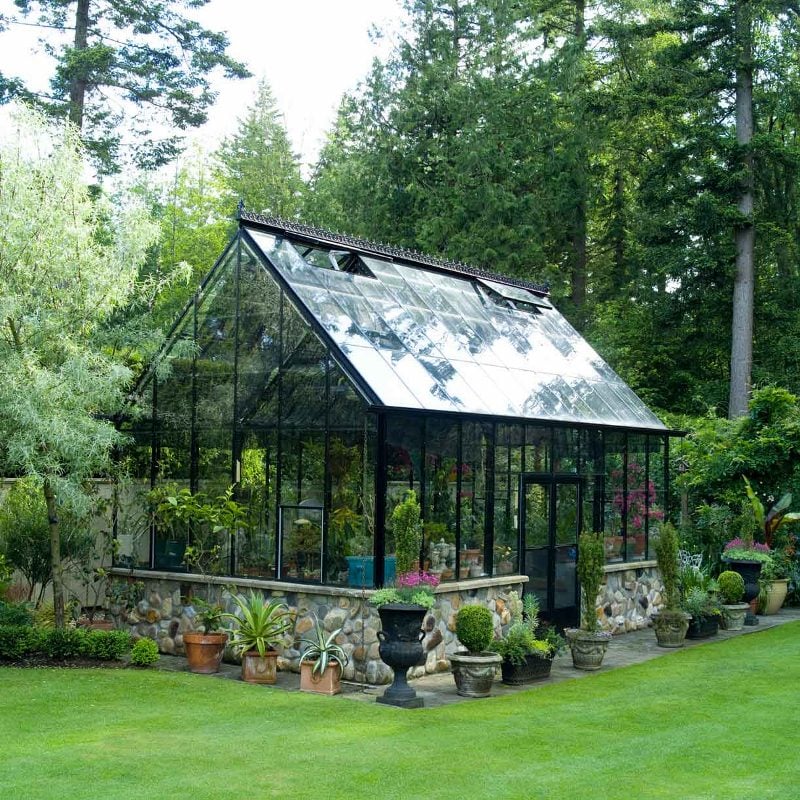
The size of the greenhouse you can build without a permit varies significantly depending on local laws and regulations, which can differ from one municipality or state to another. Generally, many places allow homeowners to construct small garden structures like greenhouses without the need for a permit as long as they meet specific criteria. Commonly, these criteria include a maximum square footage, height restrictions, and distance from property lines.
In general, the thresholds for greenhouse construction without a permit typically range from about 10 to 120 square feet. However, it's crucial to verify your local building codes, as the exact dimensions will depend on state and city regulations.
Understanding Local Building Codes
Understanding your local building codes is essential when considering the construction of a greenhouse. Building codes have been established to ensure safety, functionality, and aesthetic harmony within neighborhoods. Regulations can differ widely from one jurisdiction to another, so it’s recommended to check with your local county or city office for accurate information. Key points include:
- Determine the permitted size for structures without a permit in your area.
- Identify any special zoning ordinances that might apply to agricultural structures.
- Understand the process for obtaining a permit if your project exceeds the allowable dimensions.
Common Size Limitations
Common size limitations for greenhouses often range between 100 and 120 square feet for shed-like structures. In general terms, if your greenhouse remains under this limit, you might not need a permit. Some areas may have different restrictions based on the following:
- Local government definitions of what constitutes a greenhouse.
- Possible height restrictions that may apply.
- Regulations regarding non-permanent vs. permanent structures.
Height Restrictions on Greenhouses
Height restrictions can also dictate whether you need a permit to build a greenhouse. Many jurisdictions specify a maximum height, often ranging from 10 to 15 feet. It is important to consider how tall your greenhouse will be; exceeding this height could require a permit and an inspection. Keep in mind:
- Your greenhouse's overall height may affect light exposure for neighbors.
- Proper drafts may be necessary for ventilation if the greenhouse is taller.
- Check if there are any setback regulations that pertain to height.
Distance from Property Lines
Distance from property lines, or setbacks, is another critical factor in determining whether a greenhouse requires a permit. Many jurisdictions require structures to be set back a certain distance from property boundaries, often ranging from 3 to 10 feet. The considerations include:
- Maintaining privacy and access for neighboring properties.
- Ensuring drainage and sunlight do not negatively impact adjacent lots.
- Possible requirements for fencing or screening if within close proximity to property lines.
Special Considerations for Larger Greenhouses
If your greenhouse project exceeds the standard size limitations, you'll often need to consider additional compliance measures. Larger greenhouses may require comprehensive planning and design reviews and will likely demand more stringent compliance checks. Important points include:
- Prepare for the necessity of an architectural plan or drawing to submit for approval.
- Understand fire safety regulations that may apply to larger structures.
- Be aware of the potential for zoning variances if planning permissions are needed due to restrictions.
Can you put a greenhouse in your backyard?
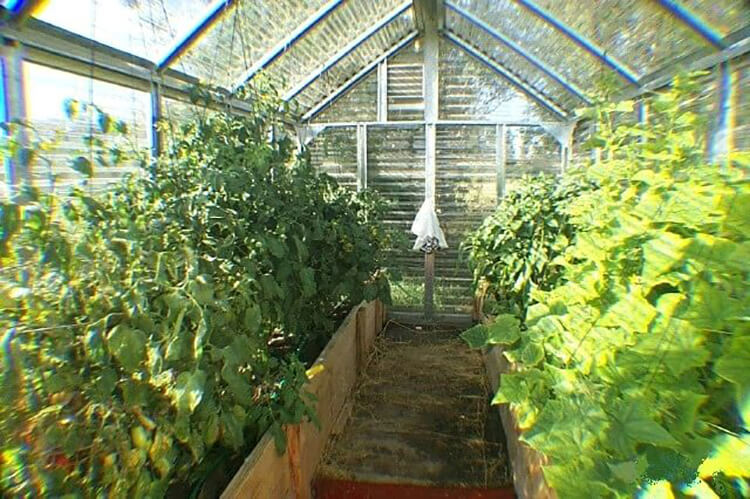
Yes, you can put a greenhouse in your backyard, provided you consider several important factors before proceeding. Greenhouses offer a controlled environment that can extend your growing season, protect plants from adverse weather conditions, and enhance your gardening experience. Here are some key considerations:
Location Considerations
The location of your greenhouse is one of the most crucial decisions you'll have to make. To maximize its effectiveness, consider the following:
See also:
- Sunlight: Ensure the greenhouse will receive adequate sunlight throughout the day.
- Accessibility: Choose a spot that is easily accessible for maintenance and harvesting.
- Wind Protection: Position your greenhouse where it is shielded from strong winds or erect barriers if necessary.
Local Regulations and Permits
Before installing a greenhouse, it's essential to research specific local regulations and whether you need any permits. Many areas have zoning laws that govern:
- Size and Structure: Understand the maximum allowable size and types of materials you can use.
- Setback Requirements: Check how far the greenhouse must be from property lines or other buildings.
- Building Codes: Ensure your greenhouse meets safety and structural codes set by your municipality.
Choosing the Right Greenhouse Type
There are various types of greenhouses to consider, each catering to different needs and budgets. Here are some popular options:
- Freestanding Greenhouses: These are standalone structures that offer the most flexibility in location and size.
- Attached Greenhouses: These attach to the side of a house and can share heating and electricity, making them energy-efficient.
- Portable Greenhouses: Ideal for small spaces; they can be moved around in the backyard as needed.
Essential Materials and Construction
Selecting the right materials for your greenhouse is vital to ensure durability and functionality. Consider:
- Frame Material: Common options include aluminum, wood, or PVC, each offering different pros and cons.
- Glazing Options: Choices range from glass to polycarbonate and polyethylene film, impacting insulation and light transmission.
- Foundation: A solid foundation is critical for stability; options include concrete, wood, or gravel bases.
Maintenance and Care
Regular maintenance is essential for a thriving greenhouse environment. Key aspects include:
- Temperature Control: Use fans, heaters, or vents to regulate temperature effectively.
- Watering System: Consider an automated watering system to ensure consistent moisture levels.
- Pest Management: Implement strategies to control pests without using harsh chemicals, promoting a healthy ecosystem.
What is the largest structure you can build in Ontario without a permit?

The largest structure you can build in Ontario without a permit typically falls under certain regulations set by local municipalities and the Ontario Building Code. Generally, if you're considering a structure such as a shed, deck, or fence, the size restriction is often around 10 square meters (approximately 107 square feet). However, this can vary depending on the municipality, so it's crucial to check local regulations before proceeding with any construction.
Understanding Ontario Building Code Regulations
The Ontario Building Code outlines various requirements regarding building structures, including when a permit is required. This code serves to ensure safety and compliance with zoning laws. Key points include:
- Definition of a structure: Understanding what constitutes a structure is crucial. It includes anything constructed on the ground.
- Permits: Certain small structures do not require permits, provided they adhere to specific dimensions and safety regulations.
- Zoning: Local zoning bylaws may impose additional restrictions regarding height, size, and placement on property, which can affect your ability to build without a permit.
Types of Structures that May Not Require a Permit
In Ontario, several types of structures may be constructed without a building permit if they meet specific size requirements. These include:
- Sheds: Typically, a shed under 10 square meters can often be built without a permit.
- Decks: A ground-level deck that does not exceed the size limit and is not attached to the main structure may not require a permit.
- Fences: In many municipalities, fences below a certain height do not require a building permit.
Municipal Variations and Resources
Each municipality in Ontario has the authority to determine its own regulations related to building permits. This can result in variations between different areas. Important aspects include:
- Local bylaws: Checking your local municipality's bylaws is essential to ensure compliance.
- Contacting authorities: It's always advisable to speak with local building officials for specific guidance.
- Online resources: Many municipalities provide online resources and checklists outlining what does not require a permit.
Potential Consequences of Building Without a Permit
Constructing a structure without a necessary permit can lead to various issues. Understanding these potential consequences is crucial:
- Fines and penalties: Unauthorized construction may result in fines from local authorities.
- Demolition orders: In some cases, you may be required to remove the structure if it does not comply with local codes.
- Legal complications: Possible disputes with neighbors or issues related to property value may arise.
Important Considerations Before Building
Before proceeding with building a structure in Ontario without a permit, several considerations should be made to prevent complications:
- Survey your property: Ensure the structure complies with setbacks and zoning regulations.
- Plan for future modifications: Consider how your structure may affect any future plans for your property.
- Neighbor relations: Communicating with neighbors about your plans may prevent conflicts.
Questions from Our Readers
Do I need a building permit for a greenhouse in Ontario?
In Ontario, a building permit is typically required for a greenhouse if it exceeds a certain size or is intended for commercial use. The specific requirements may vary based on the local municipality’s zoning bylaws, so it is crucial to check with your local building department before proceeding.
What are the size limitations for a greenhouse in Ontario without a permit?
Generally, in Ontario, if your greenhouse is smaller than 10 square meters (approximately 108 square feet), you might not need a building permit. However, this can differ depending on the municipal regulations, so it's essential to verify with your local authorities.
See also:
Are there any specific regulations I should be aware of for greenhouses in Ontario?
Yes, aside from the building permit, you must consider other regulations such as zoning laws, setback requirements, and any environmental regulations that could apply. It’s advisable to consult with your municipality to ensure compliance with all local regulations before construction.
What should I do if I construct a greenhouse without a permit?
If you construct a greenhouse without the necessary building permit, you may face penalties including fines or being ordered to remove the structure. It is best to contact your local building department to discuss your options and potentially rectify the situation by applying for a retroactive permit.

If you want to read more articles like Do I Need a Building Permit for a Greenhouse in Ontario? Everything You Need to Know, we recommend you check out our Garden category.
Leave a Reply
Related Articles