Will a Covered Porch Protect Plants from Frost in Canada? Essential Tips for Gardeners
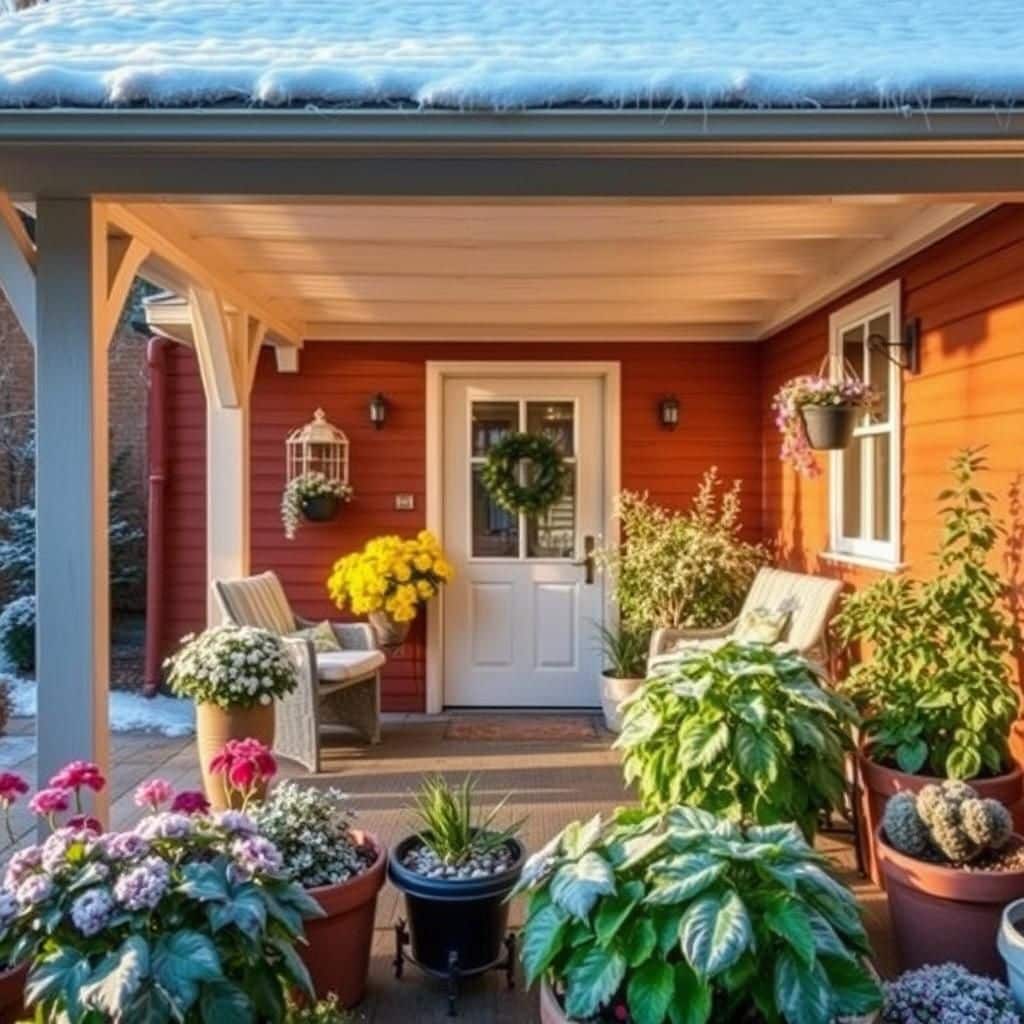
As the chill of winter approaches, gardeners in Canada face the daunting challenge of protecting their beloved plants from frost. A covered porch might seem like a promising sanctuary, but does it truly offer enough protection against the harsh elements? In this article, we'll explore the effectiveness of covered porches in shielding plants from frost, providing essential tips for gardeners looking to safeguard their greenery. From understanding microclimates to selecting the right plants, we'll equip you with the knowledge needed to make informed decisions for your outdoor space. Join us as we delve into this crucial topic for every Canadian gardener.
Will a Covered Porch Protect Plants from Frost in Canada?
A covered porch can offer some protection to plants from frost in Canada, but its effectiveness largely depends on various factors including the design of the porch, the type of plants, and the severity of the frost. Ideally, plants situated on a covered porch are shielded from direct exposure to harsh winds and precipitation that can intensify cold temperatures. However, since frost can occur at night, the radiation cooling effect still poses a risk if the temperatures drop significantly. Additionally, if the porch is not adequately insulated, the cold air can linger, making it essential to assess whether the specific conditions of the covered porch will provide sufficient warmth to sustain your plants through frosty nights.
Understanding Frost and Its Effects on Plants
Frost occurs when the temperature drops to freezing levels, resulting in ice crystals forming on surfaces, including plants. These ice crystals can cause cellular damage, leading to wilting or even death for sensitive plant species. Understanding the conditions that lead to frost is crucial for plant care, especially in climates like Canada, where temperatures can fluctuate dramatically throughout the year.
Design Features of a Covered Porch
The design of a covered porch plays a significant role in how well it protects plants from frost. Ideally, a porch with good ventilation, thermal mass (like brick or stone), and an adequate overhang can create a microclimate that is warmer than the outdoor environment. Porches that face south or west typically receive more sunlight, which is beneficial during colder months, as the sunlight can help warm the area and reduce frost risks.
Plant Selection for Porch Gardens
Selecting frost-tolerant plants is crucial when gardening on a covered porch. Some plants, such as perennials, may withstand cooler temperatures better than tropical varieties. Additionally, understanding each plant's specific cold tolerance and care needs can aid in optimizing plant survival during frost events. A mix of hardy and marigolds can create a vibrant yet resilient garden, ensuring the aesthetic without compromising the viability of the plants.
Additional Protective Measures
While a covered porch can provide some level of protection against frost, additional measures might be necessary for enhanced safety. This may include using frost cloths, moving plants indoors during severe cold spells, or investing in portable heat sources like heaters or heat mats. These strategies can further secure plants against unexpected drops in temperature, ensuring they remain healthy and vibrant throughout the cold months.
Understanding Temperature Variability
In Canada, temperatures can vary widely, even within a single day. Understanding local climate patterns, such as how temperatures shift overnight, can aid in effective frost protection. Often, frost occurs during clear nights when temperatures drop rapidly. A covered porch may mitigate some of this drop, but keeping an eye on local frost warnings and adjusting your plant care accordingly can enhance your preparation and protective strategies against these unexpected fluctuations.
| Factor | Impact on Frost Protection |
|---|---|
| Porch Design | Can create a warmer microclimate |
| Plant Type | Influences frost tolerance levels |
| Temperature Variability | Affects frost occurrence |
| Additional Measures | Enhance overall protection from frost |
Are plants on covered porch safe from frost?
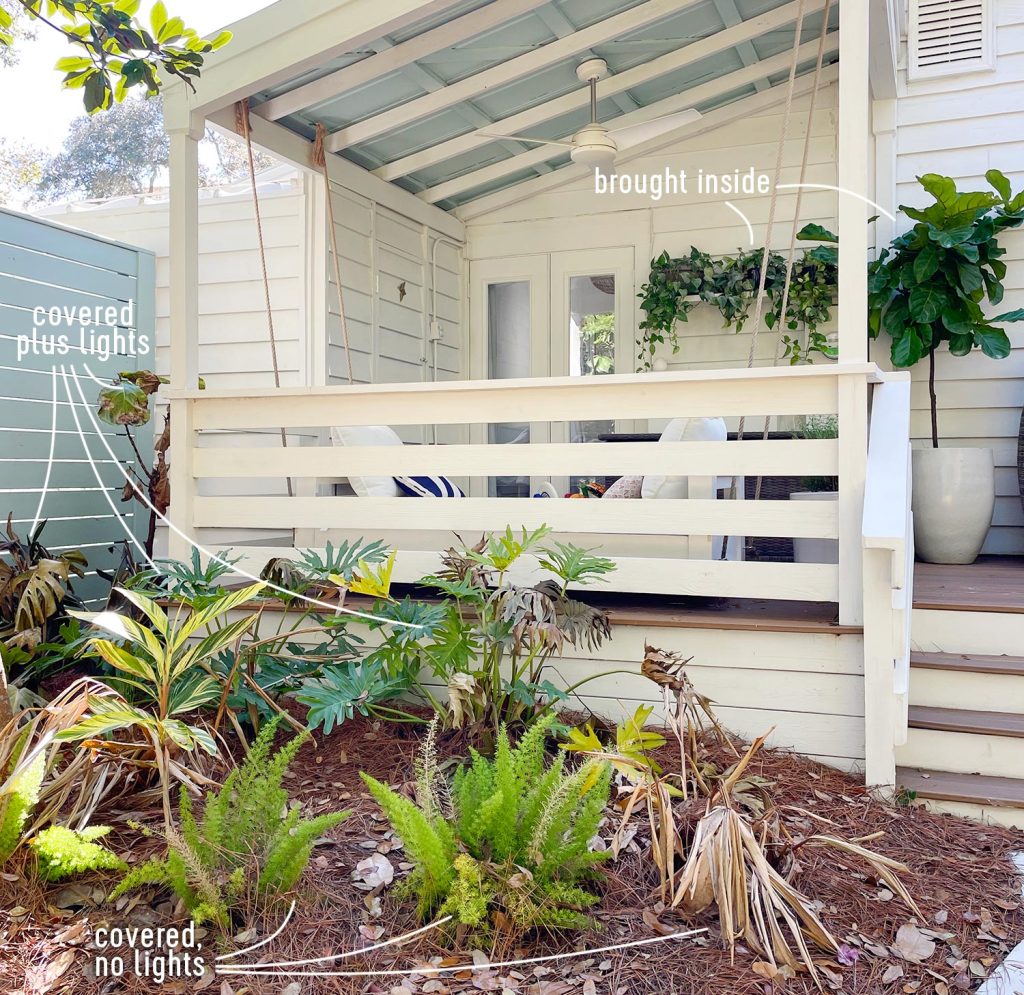
Plants on a covered porch can have a varied degree of safety from frost, depending on several factors. While the cover may provide some protection from direct exposure to the elements, there are still risks associated with frost that should be considered. Understanding temperature variations and the specific types of plants can help gauge their safety.
Understanding Frost Protection
Frost forms when temperatures drop to a certain level, typically below 32°F (0°C). A covered porch can shield plants from direct wind and precipitation, potentially reducing the risk of frost damage. However, the effectiveness of this protection depends on:
- Temperature: The ambient temperature on the porch compared to the outside environment.
- Ventilation: Poor airflow can trap cold air, making the area colder than expected.
- Humidity: Higher humidity can lead to frost formation even at higher temperatures.
Type of Plants Affecting Frost Resistance
Not all plants are equally resistant to frost. Some species thrive in colder temperatures, while others are highly sensitive. It's crucial to consider the hardiness zone of your plants when assessing their safety on a covered porch:
- Hardy Plants: Examples include pansies and kale, which can handle light frost without damage.
- Tender Plants: Such as tomatoes and basil, which can suffer from frost even at slightly lower temperatures.
- Microclimate: The porch may create a warmer microclimate, allowing some tender plants to survive frost better than they would outdoors.
Strategies for Protecting Porch Plants
To improve the chances of survival for your plants during frosty nights, consider implementing the following protective measures:
- Covering: Use fabric covers or sheets to wrap delicate plants during frost events.
- Moving Plants: If possible, relocate sensitive plants indoors during particularly cold nights.
- Insulation: Add mulch or straw around pots to provide additional insulation against the cold ground.
Monitoring Weather Conditions
Being aware of weather forecasts is key to protecting porch plants from frost. Keeping track of the temperature can help in timely interventions. Consider:
See also:
- Weather Apps: Utilize smartphone apps that provide real-time temperature updates and frost alerts.
- Local News: Pay attention to local weather reports, especially during colder months.
- Thermometers: Use outdoor thermometers to monitor temperature trends specific to your porch area.
Assessing the Porch Environment
The layout and orientation of your covered porch influence its ability to protect plants from frost. To evaluate this, consider:
- Sun Exposure: South-facing porches tend to retain heat better during the day, offering additional frost protection.
- Area Size: Smaller covered areas may cool down faster than larger ones, affecting how long plants stay warm.
- Heat Retention: Materials used in the porch (e.g., wood vs. concrete) can also affect temperature retention and distribution.
Can plants survive on a covered porch in winter?

Plants can indeed survive on a covered porch during winter, but several factors determine their success. The microclimate created by the covered environment can provide some protection from extreme weather conditions. However, considerations such as light levels, temperature fluctuations, and plant types are crucial for their survival.
Microclimate Advantages
A covered porch can create a more stable environment compared to open outdoor areas. This means:
- Protection from Snow and Rain: Plants are shielded from harsh winter precipitation.
- Wind Break: The covering can reduce wind exposure, which can dry out plants.
- Increased Insulation: The porch may retain some warmth, especially if it’s located near a heated area.
Light Conditions
Light is a critical factor for plant health, even in winter. Indoor light levels can dramatically affect plants:
- Natural Light Decrease: Winter months often mean shorter days; ensure plants receive adequate sunlight.
- Reflective Surfaces: If the porch has reflective materials, it may help in increasing light exposure.
- Supplemental Lighting: Consider using grow lights if natural light is insufficient for plant growth.
Temperature Management
Cold temperatures can be detrimental to many plants. Here’s how to manage temperature:
- Monitor Thermometer: Keep a close eye on the temperatures and protect plants if it drops too low.
- Insulation Techniques: Use fabric or thermal blankets for added warmth during frigid nights.
- Group Plants: Cluster plants together to create a warmer microenvironment through shared heat.
Suitable Plant Types
Selecting the right plants is vital for winter survival on a porch:
- Hardy Plants: Opt for evergreen or cold-tolerant plants that can withstand low temperatures.
- Succulents and Cacti: They often handle cooler temperatures better than tender plants.
- Perennials: Many perennials are adapted to survive in winter conditions.
Watering Considerations
Watering requirements change in winter, particularly for outdoor plants:
- Reduced Evaporation: Plants generally require less water in the winter due to lower evaporation rates.
- Water Sparingly: Overwatering can lead to root rot, so allow the soil to dry out between watering.
- Check Soil Moisture: Regularly check the soil moisture level to prevent both underwatering and overwatering.
How cold is too cold for porch plants?
:max_bytes(150000):strip_icc()/GettyImages-958434666-66fc7e653dde4ea6bf3b8356d3b4d06a.jpg)
Porch plants can be sensitive to temperature changes, and understanding how cold is too cold for them is essential for their health and longevity. Generally, temperatures below 50°F (10°C) can start to pose a risk for many common porch plants. However, the exact threshold can vary depending on the type of plant. Here are some guidelines to help you determine how cold is too cold for your specific porch plants.
Understanding Frost Tolerance
Certain plants are more tolerant to frost than others. It's crucial to know your plants' frost tolerance levels to protect them adequately.
- Hardy Plants: These can withstand temperatures dropping into the mid-20s Fahrenheit (-4°C to -8°C).
- Half-Hardy Plants: They generally survive temperatures down to 30°F (-1°C) but may suffer damage.
- Tender Plants: Most of these cannot tolerate temperatures below 50°F (10°C) and need to be brought indoors when it gets colder.
Signs of Cold Damage
Recognizing the signs of cold damage in porch plants is essential to take corrective action.
- Leaf Dropping: Leaves may fall off or become limp when exposed to low temperatures.
- Wilting: Plants may appear wilted, even with adequate watering due to root stress.
- Browning: Tips or edges of the leaves may turn brown, indicating thermal stress.
Protective Measures for Cold Weather
Taking preventive measures can help shield your porch plants from the cold.
See also:
- Moving Indoors: If possible, bring your plants inside when temperatures drop.
- Using Covers: Frost cloths or blankets can help insulate plants during particularly cold nights.
- Creating Microclimates: Grouping plants together can create a warmer environment among them.
Temperature Monitoring
Monitoring the temperature is vital in ensuring your porch plants remain healthy.
- Thermometers: Use outdoor thermometers to keep track of temperature changes.
- Weather Apps: Mobile apps can provide real-time temperature updates and forecasts.
- Timers for Heaters: If using space heaters, set timers to maintain optimal conditions.
Plant Selection for Cold Tolerance
Choosing plants that are suited for your climate will improve their survival through cold spells.
- Local Varieties: Select plants native to your area, as they are adapted to local temperatures.
- Cold-Hardy Species: Look for species that are known for their resilience in lower temperatures.
- Container Choices: Consider using containers that provide some insulation, such as ceramic or insulated pots.
What is the best cover to protect plants from frost?
:strip_icc()/how-to-protect-plants-from-frost-04-5651994-e3d22e13b7324c67a5c9145f71d8c30c.jpg)
The best cover to protect plants from frost can vary depending on the specific needs of the plants, the local climate, and the materials available. However, one of the most effective solutions is using frost cloths, also known as frost blankets or row covers. These are typically made from a lightweight, breathable fabric that can trap heat while allowing moisture and light to penetrate, providing a suitable environment for plants during cold conditions.
Benefits of Frost Cloths
Frost cloths offer several advantages for protecting plants during frost events:
- Insulation: They help maintain a higher temperature around the plant by trapping heat.
- Lightweight: Frost cloths are easy to handle and can be placed over plants without damaging them.
- Moisture Retention: They allow for air circulation while protecting against frost, preventing excess moisture from harming the plant.
Alternative Covers for Frost Protection
In addition to frost cloths, other materials can also be used to protect plants from frost:
- Plastic Sheeting: This offers a greenhouse effect but must be used carefully to avoid overheating in warmer temperatures.
- Cardboard Boxes: An effective temporary solution for smaller plants, providing insulation during cold nights.
- Old Blankets or Towels: These can be used to cover plants but should be removed during the day to prevent mildew.
How to Properly Use Frost Cloths
To maximize the effectiveness of frost cloths, follow these guidelines:
- Cover Early: Place the cloth over the plants before the temperature drops significantly to trap heat.
- Secure the Edges: Use weights or stakes to keep the cloth in place and avoid it being blown away by the wind.
- Remove During the Day: Remove the cover during the day if temperatures rise to prevent overheating.
Choosing the Right Thickness for Frost Protection
The thickness of the frost cloth significantly impacts its effectiveness against different frost conditions:
- Lightweight Options: Suitable for mild frosts and sensitive plants.
- Medium Weight Covers: Ideal for moderate frost protection, providing better insulation.
- Heavyweight Materials: Best for severe frost conditions, offering the most robust protection.
Long-Term Frost Protection Solutions
For gardeners looking for long-term solutions, consider these options:
- Cold Frames: These structure-like mini greenhouses can provide year-round protection for plants.
- Hoop Houses: Larger structures that provide consistent temperature control and protect crops from frost.
- Tunnels: These allow for row covers or plastic sheeting to be placed on a larger scale, benefiting multiple plants.
Questions from Our Readers
Will a covered porch provide adequate protection for plants during frost?
A covered porch can offer some protection for plants against frost by creating a microclimate that is warmer than the outside air. However, it’s important to note that while the porch can shield them from direct exposure to cold winds and precipitation, certain factors like temperature drops and the type of plants will still determine their survival.
How much warmer is a covered porch compared to the outside temperature?
The temperature on a covered porch can vary, but it is often several degrees warmer than the outside environment, especially if it is sheltered from wind. This moderate temperature increase can help protect plants from light frosts, but severe frost may still affect them if the conditions are extreme.
Should I move my plants inside if a frost is forecasted?
If a frost is forecasted, it's generally advisable to bring sensitive plants inside or at least further under the cover of the porch. Even with the protection of a covered porch, some plants may not withstand low temperatures, especially those that are particularly vulnerable to frost damage.
What types of plants benefit most from a covered porch during frost?
Plants that are less hardy, such as tropical or subtropical species, typically benefit the most from the protection of a covered porch during frost. These plants can thrive in warmer conditions and might suffer from frost damage, making the shelter of a porch crucial for their survival during colder months.
See also:

If you want to read more articles like Will a Covered Porch Protect Plants from Frost in Canada? Essential Tips for Gardeners, we recommend you check out our Garden category.
Leave a Reply
Related Articles