Should a Greenhouse Be Glass or Plastic? Pros, Cons, and Best Options Explained
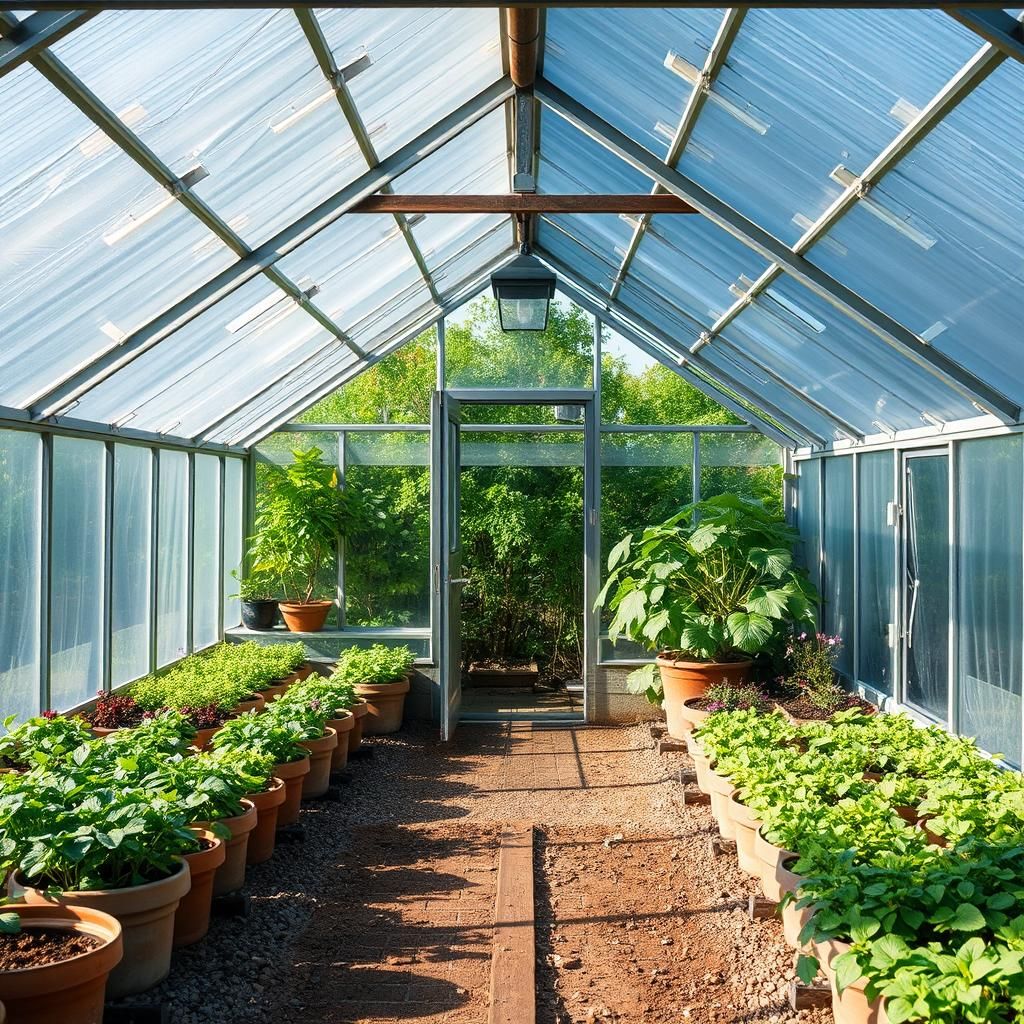
When it comes to building a greenhouse, one of the first decisions to make is whether to use glass or plastic for the covering. Each material boasts its own unique advantages and disadvantages, impacting everything from plant health to energy efficiency. Glass, known for its aesthetic appeal and durability, contrasts with plastic's lightweight, cost-effective characteristics. Understanding these materials is crucial for optimizing your greenhouse's performance. In this article, we will explore the pros and cons of both glass and plastic greenhouses, providing insights to help you make an informed decision tailored to your gardening needs and budget.
Should a Greenhouse Be Glass or Plastic?
When deciding whether a greenhouse should be made of glass or plastic, several factors must be considered, including durability, insulation, and cost. Glass provides excellent light transmission, which is crucial for plant growth and can last for many years, but it's also heavier and can be more expensive to install and maintain. On the other hand, plastic, often in the form of polycarbonate or polyethylene, is generally more affordable and easier to work with, but may require more frequent replacement due to UV degradation and lower structural integrity. Ultimately, the choice depends on the specific needs of the gardener, budget constraints, and local climate conditions.
Light Transmission
One of the most critical aspects of greenhouse design is light transmission, which is vital for photosynthesis and plant development. Glass typically offers around 90% light transmission, allowing the maximum amount of natural sunlight to penetrate the greenhouse, optimizing growth conditions. However, some plastic options can also provide high light transmission, though they may not be as effective over time as they can become cloudy due to wear and tear. In summary, glass is often preferred for its superior light benefits, while plastic may require more careful selection to ensure adequate light.
Durability
When considering durability, glass greenhouses tend to outlast plastic counterparts. Glass is resistant to the elements and won't degrade or break down under UV exposure; however, it can be shatter-prone if not handled properly or if subjected to severe weather. Conversely, plastic materials may flex and bend, making them less likely to break, yet they are more susceptible to damage from temperature variations and UV radiation. Therefore, while glass is generally more durable in the long term, the risk of breakage must be weighed against the flexibility of plastic solutions.
Insulation Properties
The insulation properties of a greenhouse directly affect its ability to maintain a stable internal climate. Glass has superior thermal mass, meaning it can retain heat better during nights or cooler temperatures, which can benefit plant growth. However, it can lead to overheating during sunny days without proper ventilation. On the other hand, certain types of plastic, like double-walled polycarbonate, offer decent insulation and can significantly reduce heat loss. Ultimately, the choice between glass and plastic may depend on the climate conditions where the greenhouse will be situated.
Cost Considerations
Cost is an essential factor in deciding whether to use glass or plastic for a greenhouse. Glass structures tend to have higher initial costs due to materials and installation complexity. However, they may require less maintenance and replacements over time, potentially saving money in the long run. Conversely, plastic is generally cheaper and easier to install, making it more accessible for hobbyists and smaller scale projects. Yet, the potential need for replacement every few years could offset these savings, so it’s crucial to carefully assess your overall budget.
Maintenance Requirements
The maintenance requirements for glass and plastic greenhouses vary significantly. Glass may require occasional cleaning to maintain light transmission and periodic checks for structural integrity. It is generally low-maintenance over time once installed correctly. In contrast, plastic may require more frequent inspections for wear and tear, especially due to exposure to the sun, as it can become brittle and may need to be replaced every few years. Gardeners must decide which maintenance level aligns with their capabilities and desires when choosing between materials.
| Features | Glass | Plastic |
|---|---|---|
| Light Transmission | 90%+ | Variable, may decrease over time |
| Durability | High (but breakable) | Moderate (flexible, prone to wear) |
| Insulation | Excellent thermal mass | Good, especially double-walled |
| Cost | Higher initial cost | Lower initial cost, but potential replacements |
| Maintenance | Low maintenance | Higher maintenance required |
Is plastic or glass better for a greenhouse?
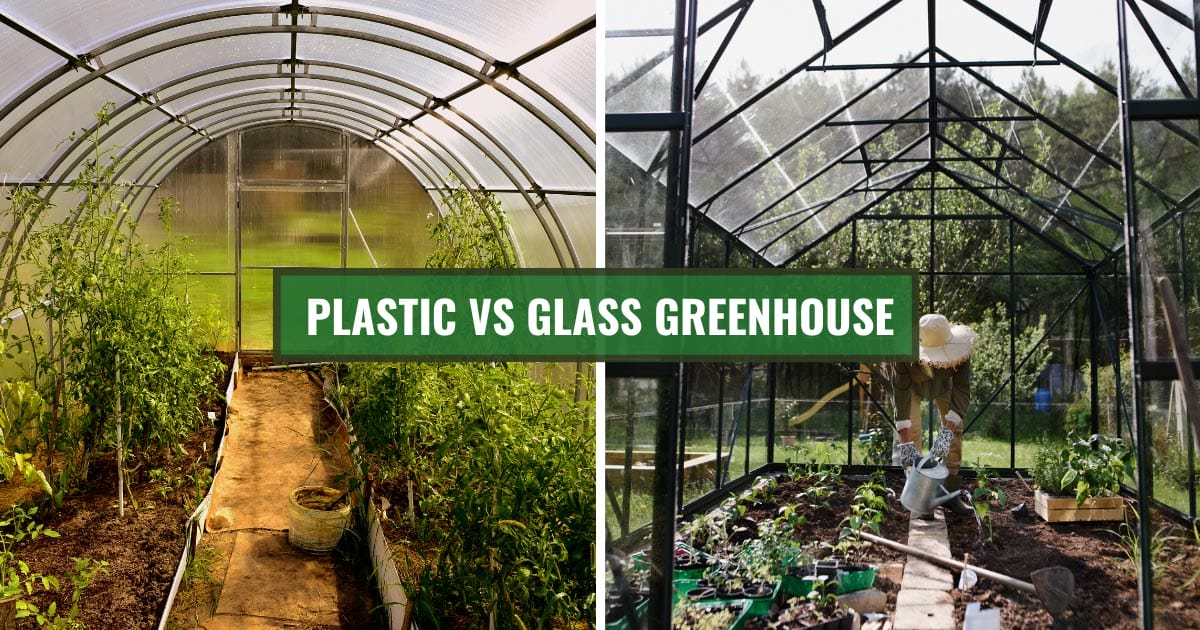
When comparing plastic and glass for a greenhouse, several factors come into play, including insulation, durability, cost, and light transmission. Both materials have their advantages and disadvantages that affect the overall performance of a greenhouse.
Insulation Properties
The ability of a greenhouse to retain heat is crucial for plant growth.
See also:
- Glass typically has better thermal mass compared to plastic, allowing it to absorb and retain heat during the day and release it at night.
- Plastic, especially polycarbonate or polyethylene, can offer better insulation due to its air-filled structure, which reduces heat loss.
- Double-layered plastic materials can enhance insulation further, which can be beneficial in cooler climates.
Durability and Lifespan
Both materials display different levels of robustness and longevity.
- Glass is less prone to UV degradation and can last for decades if not broken, making it a long-term investment.
- Plastic can become brittle and may deteriorate faster, especially when exposed to UV light, but newer formulations like polycarbonate are designed to last longer.
- Glass is more susceptible to breaking due to impact, while plastic is flexible and can withstand weather disturbances better.
Light Transmission
Light is essential for plant photosynthesis, and the material used can affect light availability.
- Glass provides higher light transmission, often exceeding 90%, which is beneficial for plant growth.
- Plastic generally allows slightly less light through, around 80-90%, but certain coatings can enhance this.
- However, plastic can diffuse light better, which can help prevent hotspots and ensure even light distribution throughout the greenhouse.
Cost Considerations
Budget is an important aspect when deciding between plastic and glass.
- Glass is typically more expensive, both in terms of initial investment and installation. The framing must also support its weight.
- Plastic options, such as polyethylene, are usually cheaper and easier to install, making them more accessible for hobbyists.
- Maintenance costs can vary, as glass may require less frequent replacement, while plastic might need to be changed every few years.
Environmental Impact
Sustainability is a growing concern in today’s world.
- Glass is recyclable and can be reused indefinitely without loss of quality, making it a more eco-friendly option.
- Plastic can add to environmental concerns if not disposed of properly, but certain types of plastic are recyclable and can be made from recycled materials.
- Choosing biodegradable plastics can lessen negative environmental impacts, although they may not always be suitable for long-term greenhouse use.
What material is best for a greenhouse?
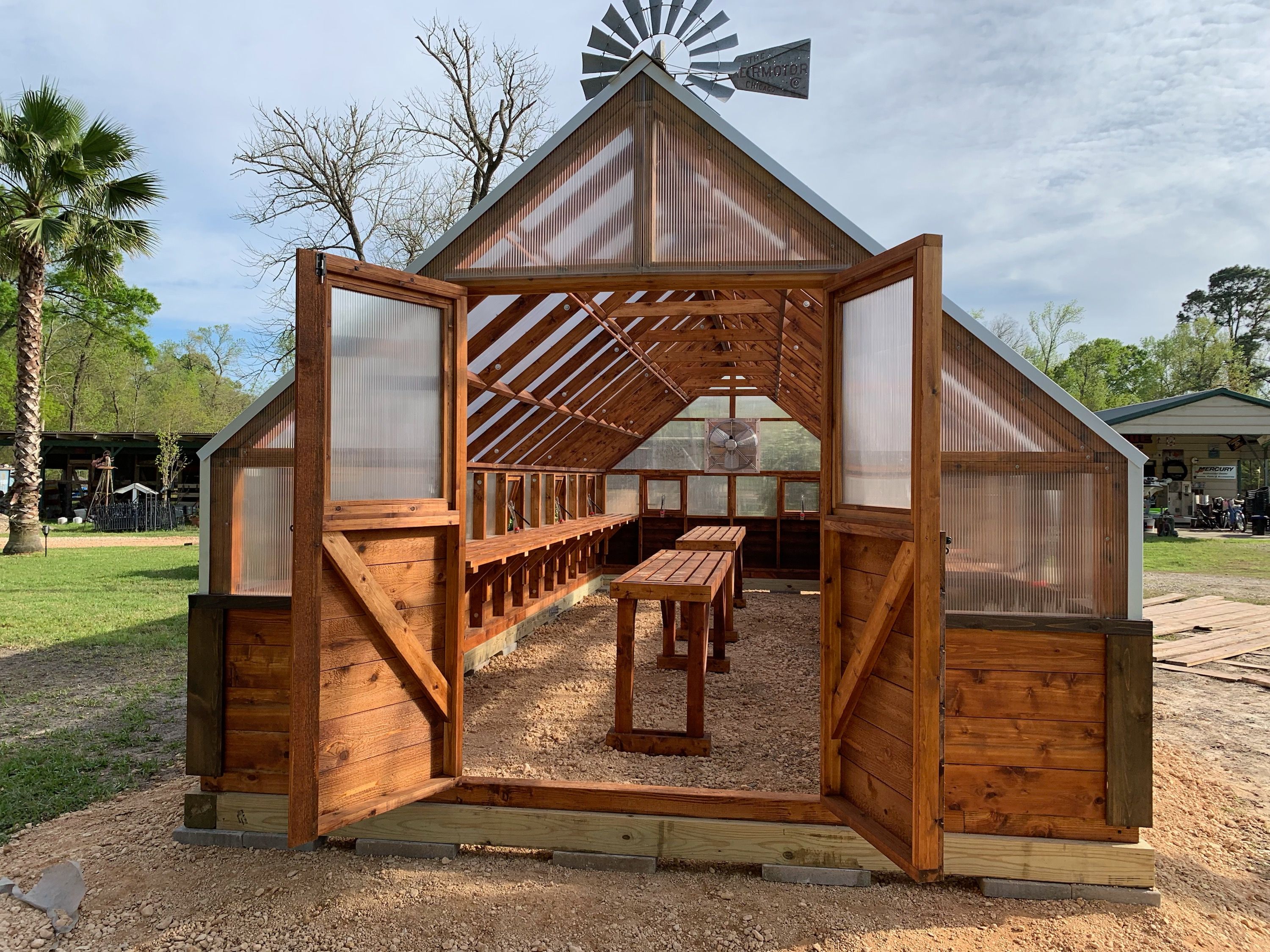
To determine the best material for a greenhouse, several factors such as light transmission, insulation, durability, and cost must be considered. The most common materials used for greenhouse construction are glass, polycarbonate, and polyethylene. Each of these materials has its own set of advantages and disadvantages, which makes them suitable for different types of greenhouse applications.
Glass Greenhouse Covers
Glass is a traditional greenhouse material that offers excellent light transmission and longevity. Its clarity allows for maximum sunlight to reach plants, which is crucial for growth.
- Light Transmission: Glass allows approximately 90% of sunlight to enter, maximizing photosynthesis.
- Durability: Glass is resistant to UV degradation and can last for many years if maintained properly.
- Insulation: While it has excellent light penetration, glass can be less effective at insulating than other materials unless doubled or treated.
Polycarbonate Greenhouse Panels
Polycarbonate is a popular alternative to glass that offers similar benefits with added durability. It is less prone to breakage and provides better insulation.
- Impact Resistance: Polycarbonate is virtually unbreakable, making it ideal for areas prone to hail or heavy wind.
- Insulation Value: Twin-wall polycarbonate can provide considerable insulation, keeping the interior warm during cold months.
- UV Protection: Many polycarbonate panels have UV blocking properties, preventing plant damage from excessive sunlight.
Polyethylene Film
Polyethylene is a cost-effective option commonly used for covering greenhouses. It is lightweight and easy to install.
- Affordability: Polyethylene is significantly cheaper than glass or polycarbonate, making it an attractive option for hobbyists and commercial growers alike.
- Light Weight: The lightweight nature makes it easy to handle and install, especially for DIY greenhouse projects.
- Heat Retention: Single-layer polyethylene provides reasonable heat retention, but double-layer installations can enhance insulation further.
Choosing the Right Material Based on Climate
The climate where the greenhouse will be located is crucial in selecting the appropriate material. Each material reacts differently to environmental conditions.
See also:
- Cold Climates: In colder areas, materials with high insulation values, like double-walled polycarbonate, can prevent heat loss.
- Hot Climates: In warmer regions, materials that diffuse light, such as shade cloth or opaque polyethylene, can help reduce overheating.
- Precipitation Considerations: Those in areas with heavy snow or hail should consider tough materials like glass or polycarbonate for their resilience.
Cost vs. Longevity
When selecting a greenhouse material, it's essential to weigh both the initial cost and the long-term investment.
- Initial Investment: Glass tends to be the most expensive upfront, while polyethylene is the most cost-effective.
- Long-Term Durability: Glass has the longest lifespan, while polyethylene may need replacement every few years.
- Maintenance Costs: Consider the maintenance needs of each material; glass requires careful cleaning, while polyethylene may need more frequent replacement.
What is the best surface to put a greenhouse on?
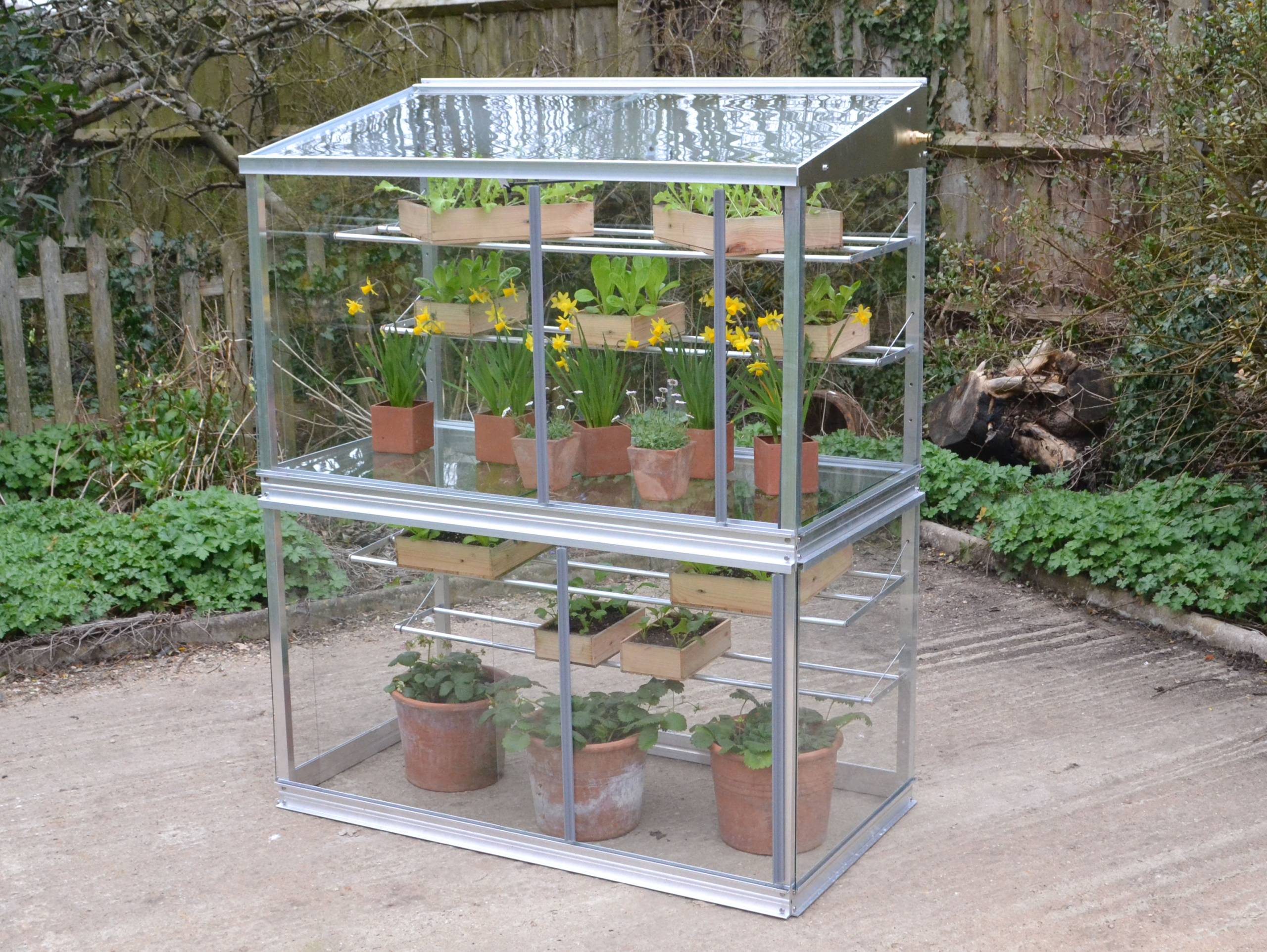
The best surface to put a greenhouse on largely depends on factors such as drainage, accessibility, and the climate in which you are growing. However, there are several optimal surfaces that gardeners often choose to enhance the performance and longevity of their greenhouses.
Concrete Surfaces
Concrete is a popular choice for greenhouse flooring because of its durability and stability. A concrete surface provides a solid base that can support heavy structures and equipment.
- Strength: Concrete does not shift or settle over time, ensuring that your greenhouse remains level.
- Drainage: Properly sloped concrete can manage water runoff effectively, preventing flooding inside the greenhouse.
- Low Maintenance: Unlike soil or gravel, concrete requires little upkeep and can be easily cleaned.
Gravel Surfaces
Gravel is another excellent surface choice due to its affordability and natural drainage properties. This surface allows for good water management, which is essential for greenhouse plants.
- Drainage: Gravel supports watering without accumulating moisture, minimizing the risk of root rot.
- Weed Control: When properly laid, gravel can help suppress weeds that may compete with your plants.
- Heat Retention: Gravel can absorb and radiate heat, creating a warmer environment for your plants during cooler nights.
Wooden Decking
Wooden decking provides a natural and aesthetic option for greenhouse flooring. It can create a charming environment while providing a stable base.
- Insulation: Wood has natural insulating properties, which can help regulate the temperature inside the greenhouse.
- Easy Installation: Wooden decking can be relatively simple to install, making it a popular choice for DIY projects.
- Eco-friendly: When sourced sustainably, wood is a renewable resource, making this option environmentally friendly.
Tarps or Fabric Flooring
Using tarps or specialty landscape fabrics can be an affordable and flexible surface for greenhouses. This option is especially useful for temporary or portable setups.
- Versatility: Tarps can be easily rolled up and transported, making them ideal for seasonal greenhouses or mobility.
- Quick Setup: This surface material simplifies and speeds up the assembly process for quick setups.
- Cost-Effective: Tarps are generally inexpensive and can be replaced easily if damaged.
Grass or Soil
While not as common for permanent greenhouses, grass or soil surfaces can be utilized in certain circumstances where organic gardening practices are emphasized.
- Natural Growth: Soil promotes natural growth processes and beneficial microbial activity, contributing to a healthy ecosystem.
- Cost-Effective: Utilizing existing garden soil can be an economical alternative, as it requires minimal financial investment.
- Soil Enrichment: This surface can help facilitate crop rotation and other soil enhancement techniques over time.
Questions from Our Readers
Is glass better than plastic for a greenhouse?
Glass offers excellent light transmission and durability, making it a popular choice for greenhouses. However, it is often heavier and more fragile compared to plastic, which can lead to higher maintenance costs and potential breakage. Ultimately, the choice depends on your specific needs and budget.
What are the advantages of using plastic for a greenhouse?
Plastic greenhouses, typically made from materials like polycarbonate or polyethylene, are lightweight, cost-effective, and provide good insulation. They are also less likely to break than glass, making them a safer option for many gardeners, especially in areas with extreme weather conditions.
See also:
How does the insulation compare between glass and plastic greenhouses?
Plastic materials generally provide better insulation than glass, helping to maintain a more stable internal temperature. This can be especially useful in colder climates, where temperature control is crucial for plant health. However, double or triple-glazed glass can improve insulation as well.
Which material is easier to maintain: glass or plastic?
Plastic is typically easier to maintain than glass, as it is less prone to breakage and can be cleaned with simpler methods. However, plastic may become cloudy over time, affecting light transmission, while glass requires careful handling to prevent damage.

If you want to read more articles like Should a Greenhouse Be Glass or Plastic? Pros, Cons, and Best Options Explained, we recommend you check out our Garden category.
Leave a Reply
Related Articles