The Ultimate Guide: What Not to Put in a Raised Garden Bed? Avoid These Common Mistakes!
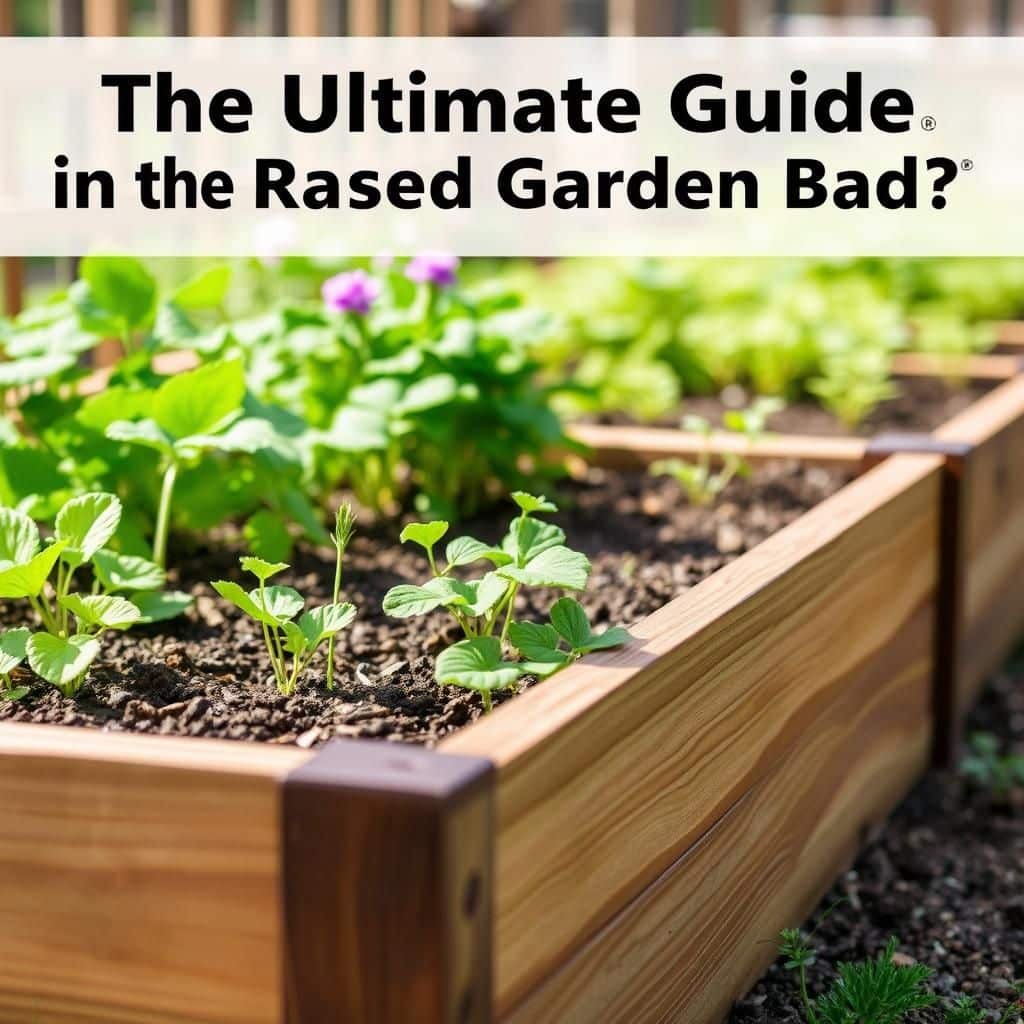
Raised garden beds are an excellent way to enhance your gardening experience, providing improved drainage, better soil quality, and ease of access. However, it's crucial to understand what materials and methods to avoid when setting up these beds to ensure a thriving garden. In The Ultimate Guide: What Not to Put in a Raised Garden Bed, we will explore common mistakes gardeners make, from selecting the wrong soil amendments to using unsuitable materials for the bed itself. By learning what not to include in your raised garden bed, you can create a healthy environment for your plants to flourish and maximize your gardening success.
What Not to Put in a Raised Garden Bed
When constructing a raised garden bed, it is crucial to be mindful of what materials and substances you include, as certain items can hinder plant growth and contaminate the soil. For instance, using pressure-treated wood or any type of treated lumber can introduce harmful chemicals into the soil, which can then be absorbed by the plants. Moreover, it is advisable to avoid heavy clay soil, which can impede drainage and root development. Additionally, materials that break down slowly, such as larger wood chips or straw that may introduce pests, should also be excluded. Lastly, never use pet waste or non-organic fertilizers, as they can introduce pathogens and pollutants detrimental to both plants and human health.
Avoid Pressure-Treated Wood
Pressure-treated wood is often used in construction due to its resistance to decay and pests, but the chemicals impregnated in this wood can leach into the soil, potentially harming plants. The preservatives used, such as chromated copper arsenate (CCA), may have toxic effects on both plants and soil organisms. Instead, opt for untreated wood or alternatives like cedar or redwood, which are naturally resistant to decay and safer for gardening.
Do Not Use Clay Soil
Using heavy clay soil in your raised garden bed can significantly limit water drainage and airflow, which are essential for healthy root development. Clay retains water, leading to root rot and other moisture-related issues that can stunt plant growth. It is much more beneficial to fill the raised bed with a well-balanced mix of potting soil, compost, and peat moss to ensure the right aeration and drainage.
Skip Using Non-Organic Fertilizers
While fertilizers can promote growth, non-organic fertilizers often contain synthetic chemicals that can create an unhealthy growing environment. These chemicals may leach into the soil and affect the microbial activity, disrupting the natural ecosystem of the garden bed. Instead, focus on organic options, such as compost, manure, or bone meal, which provide essential nutrients without harmful side effects.
See also:
Avoid Contaminated Topsoil
Using topsoil from unknown sources can inadvertently introduce weeds, pests, and diseases into your raised bed. Contaminated soil might carry pathogens that can harm your plants or even harbor chemical residues. It's always best to obtain soil from reputable suppliers or mix your own using tested and safe materials to ensure health and safety for your plants.
Do Not Use Wood Chips or Large Debris
Although wood chips and larger debris can be appealing as a mulch or soil amendment, they can decompose slowly and create competition for nutrients during the breakdown process. This competition can limit the availability of vital nutrients that plants need to thrive. Instead, opt for finely shredded mulch or compost to encourage a faster decomposition rate and provide immediate benefits to your plants.
| Material | Reason to Avoid |
|---|---|
| Pressure-treated wood | Contains harmful chemicals |
| Clay soil | Poor drainage |
| Non-organic fertilizers | Synthetic chemicals harmful to soil |
| Contaminated topsoil | Might contain pests and diseases |
| Wood chips/larger debris | Slow decomposition and nutrient competition |
Essential Items to Avoid When Planning Your Raised Garden Bed
When creating a raised garden bed, it's crucial to be aware of the materials and items you choose to include. Avoid using pressure-treated wood, which can introduce harmful chemicals into the soil, compromising the health of your plants and potentially impacting your health. Additionally, skip using non-organic fertilizers that may contain synthetic additives detrimental to the soil's ecosystem. It's also wise to refrain from adding weed seeds or invasive plants, which can quickly outgrow your desired crops and lead to an uncontrollable garden. By knowing what to avoid, you can ensure a thriving and sustainable gardening experience.
Using Treated Lumber in Your Garden
Treated lumber has been a popular material for raised beds because of its durability, but it often contains chemicals that can leach into the soil over time. Specifically, treatments like chromated copper arsenate (CCA) can be harmful to plants and wildlife. Opt for untreated wood or rot-resistant alternatives, such as cedar or redwood, to create a healthy growing environment for your garden.
Incorporating Non-Organic Materials
While it may be tempting to use various non-organic materials for their immediate benefits, such as chemical fertilizers or plastics, these substances can ultimately harm your garden. Non-organic fertilizers can lead to nutrient imbalances in your soil and may negatively impact beneficial microorganisms. Instead, consider using organic amendments and fertilizers like compost or well-rotted manure to enrich your garden bed without the downside of chemicals.
See also:
Adding Heavy Metals or Contaminated Soil
One of the most concerning mistakes is using soil contaminated with heavy metals or other pollutants. Often, soil from old construction sites or urban areas can contain harmful substances like lead, zinc, or cadmium. It’s essential to test your soil before using it in a raised bed to ensure it is free from contaminants. Investing in quality, tested soil or using high-quality garden soil from reputable sources will help avoid potential health risks associated with contaminated soil.
Neglecting Drainage Considerations
Poor drainage can lead to waterlogging, root rot, and a host of other issues in a raised garden bed. Avoid placing your bed directly on a solid surface like concrete without proper drainage considerations. Make sure to include a variety of materials to aid in drainage, such as gravel at the bottom of your bed, to ensure that excess water can escape. This will create a more balanced environment for your plants and contribute to their overall health.
Overlooking Compatible Plant Choices
Choosing incompatible plants for your raised garden bed can lead to a variety of issues, including competition for nutrients and space. Avoid mixing plants with vastly different water and sun requirements, as this can lead to a suboptimal growing environment. Research companion planting techniques and select plants that not only thrive together but also benefit from one another to promote a healthy and productive garden bed.
Questions from Our Readers
What materials should I avoid using in a raised garden bed?
It is best to avoid pressure-treated wood, railroad ties, and certain types of plastics that can leach harmful chemicals into the soil. Additionally, construction debris and cinder blocks may contain toxic substances that could harm your plants.
Can I use soil from my yard in a raised garden bed?
Using native soil from your yard may not be ideal, as it can contain weeds, pests, or disease that could negatively impact your raised garden bed. Instead, it's recommended to use a mix of compost, topsoil, and other organic materials to ensure a healthy growing environment.
See also:
Is it safe to use leaves or grass clippings as a filler in raised beds?
While leaves and grass clippings can be useful, they should be used in moderation as they can decompose and create an excess of nitrogen, which may lead to nutrient imbalance in the soil. It’s crucial to mix them with carbon-rich materials for a balanced mix.
What types of plants should not be grown in a raised garden bed?
Certain invasive plants like mint or horseradish should be avoided in raised beds, as they can spread quickly and overpower other plants. Additionally, heavy feeders like corn or tomatoes can deplete nutrients if not managed properly, so consider planting them with care.

If you want to read more articles like The Ultimate Guide: What Not to Put in a Raised Garden Bed? Avoid These Common Mistakes!, we recommend you check out our Garden category.
Leave a Reply
Related Articles