What Problems Does a Greenhouse Cause? Common Issues and Solutions Explored

Greenhouses are a popular solution for extending growing seasons and creating optimal conditions for plants. However, despite their numerous benefits, they can also present a range of challenges that gardeners and farmers must address. From temperature regulation issues to pest infestations, these problems can hinder plant growth and affect overall productivity. This article delves into the common issues faced by greenhouse owners, exploring the causes and providing practical solutions. By understanding these challenges, you can take proactive steps to ensure a thriving greenhouse environment, maximizing the advantages while minimizing potential setbacks.
What Problems Does a Greenhouse Cause?
Greenhouses, while beneficial for cultivating plants, can lead to several significant problems that affect both the environment and the cultivation process. One of the main issues is the heat accumulation within these structures, which can result in excessively high temperatures that may harm sensitive plant species if not properly managed. Additionally, greenhouses can contribute to the excessive use of water, as the enclosed environment may lead to increased evaporation and moisture management challenges. Furthermore, the use of synthetic materials and fertilizers can cause pollution and disrupt local ecosystems. Pest management also becomes a concern, as pests adapted to the greenhouse environment can proliferate rapidly, potentially disrupting the balance of local wildlife. Lastly, the initial carbon footprint in constructing and maintaining greenhouses raises concerns regarding sustainability.
Excessive Heat Accumulation
The internal temperature of a greenhouse can rise significantly during sunny days, leading to the phenomenon known as heat stress. This can be detrimental to plant health, as many plants require specific temperature ranges to thrive. If not managed efficiently, excessive heat can lead to wilting, reduced growth rates, and even death in certain sensitive species. Moreover, the reliance on energy systems such as fans or cooling systems to regulate temperature can contribute to higher operational costs.
Water Management Challenges
Greenhouses often create ideal conditions for increased evaporation, resulting in a higher demand for water. This can lead to over-irrigation practices, where plants receive more water than necessary, causing issues like root rot and nutrient leaching. Additionally, concentrating water use in small areas can affect the surrounding environment and lead to water scarcity in the region. Without proper systems in place, the challenge of balancing moisture levels becomes critical for sustainable greenhouse operations.
Environmental Pollution
The materials and fertilizers used within greenhouses can contribute to various forms of pollution. Synthetic fertilizers, when over-applied, may leach into the soil and waterways, causing issues such as nutrient runoff and potential harm to aquatic ecosystems. Furthermore, the production and disposal of greenhouse materials, mainly plastics, can lead to further environmental degradation, contributing to landfills and littering.
Pest Management Issues
Greenhouses can create a controlled environment that favors specific pests, leading to rapid population growth. Traditional pest management practices may become less effective, necessitating the use of pesticides that can have further negative impacts on the surrounding ecosystem. This can disrupt predator-prey relationships and lead to a reliance on chemical solutions rather than integrated pest management strategies that promote biodiversity.
Initial Carbon Footprint
The construction and maintenance of a greenhouse require energy and materials that contribute to a carbon footprint. The manufacturing of glass or plastic panels and other structural elements involves the extraction of resources, which can result in habitat destruction and increased greenhouse gas emissions. Additionally, ongoing maintenance activities that rely on electricity or fossil fuels for heating, cooling, and lighting can further exacerbate their environmental impact, raising questions about their sustainability over time.
| Problem | Impact |
|---|---|
| Excessive Heat Accumulation | Heat stress and plant damage |
| Water Management Challenges | Over-irrigation and water scarcity |
| Environmental Pollution | Soil and water contamination |
| Pest Management Issues | Increase in pest populations |
| Initial Carbon Footprint | Increased greenhouse gas emissions |
What are the negatives of a greenhouse?
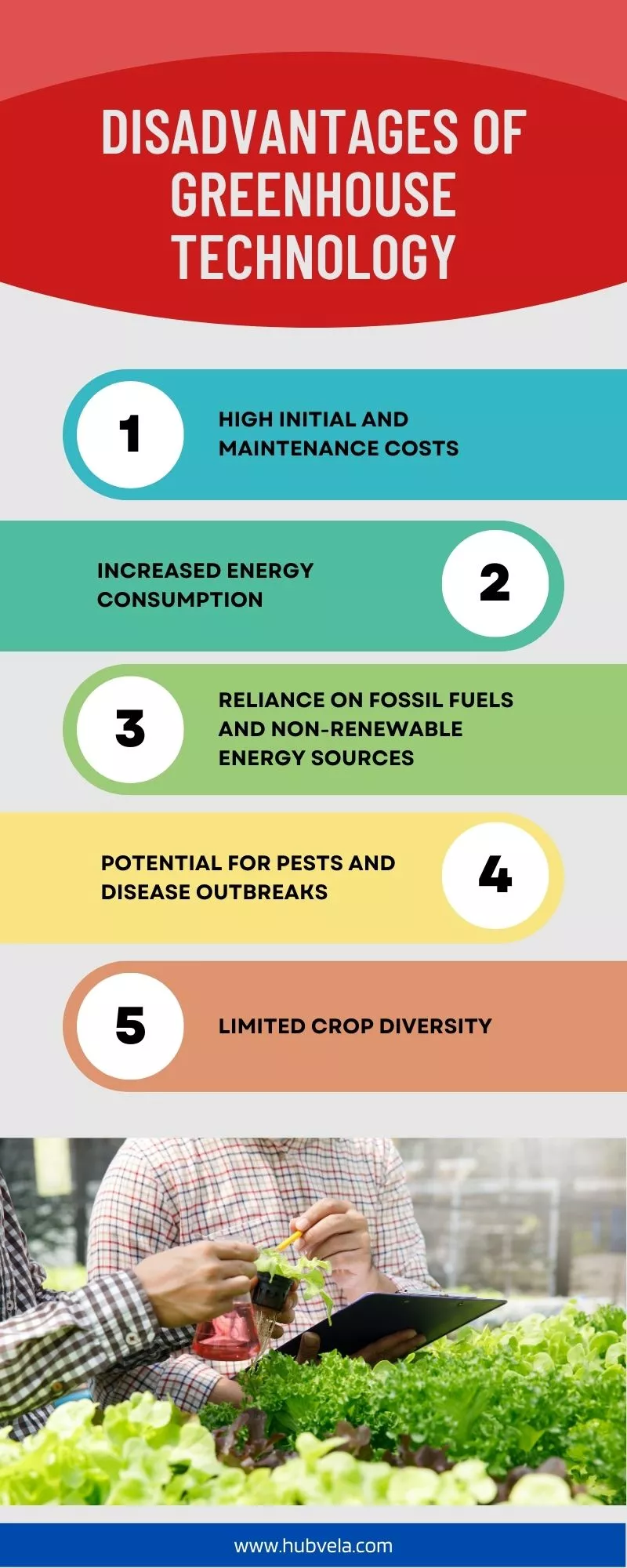
Initial High Costs
Building a greenhouse can be a significant financial investment upfront. The costs include materials, labor, and installation, which can be quite high depending on the size and type of greenhouse. Additionally, there are ongoing maintenance costs to consider, which can add to the overall expense.
- Construction materials can be expensive, especially if opting for high-quality glass or specialized plastics.
- Labor costs for construction can vary, impacting the total expense significantly.
- Permits and regulations may require additional expenditures depending on the location.
Environmental Impact
While greenhouses are designed to promote plant growth, they can also have negative effects on the environment. The materials used in construction may not be eco-friendly, and the energy consumption required for heating and cooling can contribute to a higher carbon footprint.
- The production of plastic sheeting and glass may lead to resource depletion and emissions.
- The energy used for heating can be substantial, especially in colder climates, leading to higher fossil fuel dependency.
- Improper disposal of plastic after its life cycle can contribute to pollution and increase landfill waste.
Pest and Disease Management
While greenhouses can help control pests and diseases, the enclosed environment can also create a breeding ground for certain pests and pathogens. The controlled conditions might allow for rapid spread if an infestation occurs, leading to potential crop loss.
- Higher humidity levels can promote the growth of fungal infections and other diseases affecting plants.
- Some pests, like aphids and spider mites, can thrive in greenhouse conditions, complicating management efforts.
- The use of chemical treatments may become necessary, raising health concerns for those working in or around the greenhouse.
Temperature Regulation Challenges
Maintaining appropriate temperature levels in a greenhouse can be challenging, especially during periods of extreme weather. Without effective temperature control systems, plants may suffer from heat stress or inadequate warmth.
- Overheating can occur on sunny days, requiring shade cloths or ventilation to prevent damage to plants.
- Inadequate heating during cold months can lead to crop failures or reduced growth rates.
- Constant monitoring and adjustments are necessary, increasing the need for automation or manual intervention.
Limited Crop Diversity
The type of crops that can thrive in a greenhouse may be limited by the specific conditions maintained within. While some plants thrive, others may struggle, leading to a less diverse yield than outdoor cultivation.
- Specific temperature and humidity levels may favor certain species, relegating others to struggle.
- Fertilizer and soil conditions tailored to one type of plant may not suit others, limiting crop rotation.
- The potential for neglecting local varieties that might be better suited to outdoor conditions can reduce biodiversity.
What are the dangers of the greenhouse effect?
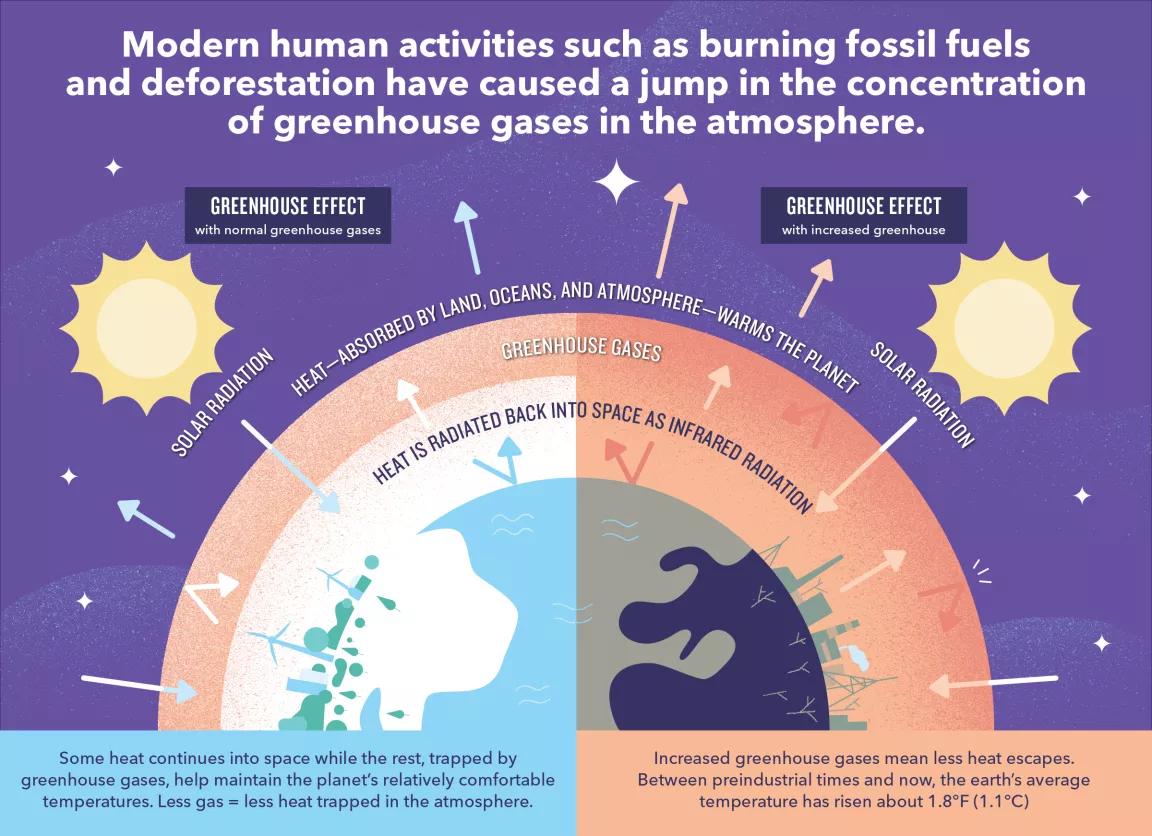

The greenhouse effect is a natural process that warms the Earth's surface. However, when intensified by human activities, it poses significant dangers. These dangers primarily stem from an increase in greenhouse gases in the atmosphere, leading to climate change and various ecological and societal impacts.
Changes in Weather Patterns
The greenhouse effect contributes to global climate change, resulting in significant alterations in weather patterns worldwide. These changes can have devastating consequences, including:
- Increased Frequency of Extreme Weather Events: More hurricanes, floods, and droughts are being observed.
- Altered Rainfall Patterns: Some regions may experience excessive rainfall, while others face severe drought.
- Heat Waves: More frequent and intense heat waves can lead to health risks for populations.
Rising Sea Levels
One of the critical dangers of the enhanced greenhouse effect is the melting of ice caps and glaciers, which causes sea levels to rise. This phenomenon poses severe risks, such as:
- Coastal Erosion: Increased flooding leading to the loss of land and property.
- Inundation of Coastal Areas: Cities and ecosystems are at risk of being submerged.
- Displacement of Populations: Communities may need to relocate due to lost land.
Impact on Biodiversity
The alteration of habitats due to climate change severely threatens biodiversity. Many species cannot adapt quickly enough to the changing conditions, leading to:
- Species Extinction: Increased temperatures and habitat loss can lead some species to extinction.
- Disruption of Ecosystems: Changes in species interactions and food chains can destabilize entire ecosystems.
- Loss of Biodiversity: This can reduce resilience against environmental changes and diseases.
Threats to Agriculture
The greenhouse effect also influences agricultural productivity, posing risks to global food security. Risks include:
- Crop Failures: Extreme weather can reduce yields or eliminate harvests.
- Soil Degradation: Heavy rainfall and altered weather patterns can lead to soil erosion and reduced fertility.
- Increased Pest and Disease Pressure: Warmer temperatures can expand the range and abundance of agricultural pests.
Public Health Risks
The dangers of the greenhouse effect extend to public health, affecting populations worldwide. Key health risks include:
- Respiratory Problems: Increased air pollution and allergens can aggravate respiratory conditions.
- Heat-related Illnesses: Rising temperatures can lead to heat strokes and other heat-related health issues.
- Vector-borne Diseases: Changes in climate can expand the habitat of disease vectors, increasing the spread of diseases like malaria and dengue fever.
What are 5 disadvantages of the greenhouse effect?
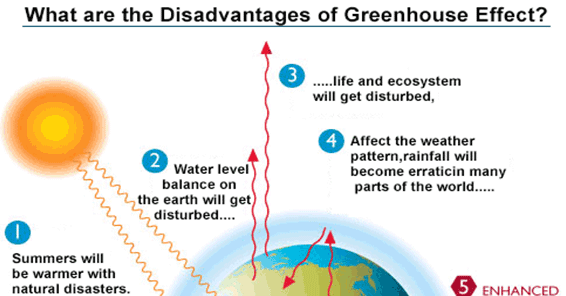
The greenhouse effect, while a natural phenomenon essential for life on Earth, also has several disadvantages that can lead to severe environmental and social issues. Below are five notable disadvantages of the greenhouse effect.
1. Climate Change
The greenhouse effect is a major driver of climate change, leading to significant alterations in weather patterns. As global temperatures rise, we experience more extreme weather events such as heatwaves, floods, and hurricanes. This can have devastating consequences for ecosystems and human populations alike.
- Increased frequency of extreme weather events.
- Disruption of ecosystems and wildlife habitats.
- Higher rates of droughts affecting water supply.
2. Sea Level Rise
One of the most alarming consequences of the greenhouse effect is sea level rise. As polar ice melts and ocean waters expand due to warming temperatures, low-lying coastal areas face increased flooding risks.
- Displacement of communities living in coastal regions.
- Loss of habitats for marine and terrestrial species.
- Increased costs for infrastructure and disaster response.
3. Impact on Agriculture
The greenhouse effect can have detrimental impacts on agriculture. Changes in temperature and precipitation patterns can affect crop yields, leading to food insecurity in various regions around the world.
- Reduced agricultural productivity due to changing climate conditions.
- Increased pest and disease pressure on crops.
- Shifts in the geographical areas suitable for farming.
4. Health Risks
The greenhouse effect contributes to increased health risks by exacerbating air quality issues and spreading diseases. Warmer temperatures can lead to an uptick in respiratory problems and heat-related illnesses.
- Increased prevalence of allergens and respiratory diseases.
- Higher rates of heat-related complications.
- Expanded habitats for disease-carrying vectors like mosquitoes.
5. Biodiversity Loss
Lastly, the greenhouse effect poses a significant threat to biodiversity. As habitats change and species struggle to adapt, many face extinction pressures, leading to a loss of biodiversity.
- Disruption of food chains and ecological balances.
- Increased vulnerability of endangered species.
- Loss of genetic diversity, affecting ecosystem resilience.
What is the negative greenhouse effect?

The negative greenhouse effect refers to the detrimental impacts of excessive greenhouse gas emissions in the atmosphere, leading to climate change and other environmental issues. While the natural greenhouse effect is crucial for maintaining Earth's temperature and supporting life, human activities, such as burning fossil fuels and deforestation, have intensified this effect, resulting in a range of negative consequences.
Understanding Greenhouse Gases
Greenhouse gases (GHGs) are components of the atmosphere that trap heat and contribute to the greenhouse effect. Some of the most common GHGs include:
- Carbon Dioxide (CO2): Emitted through vehicle exhaust, industrial processes, and deforestation.
- Methane (CH4): Released from agricultural practices, landfills, and natural gas production.
- Nitrous Oxide (N2O): A byproduct of agricultural and industrial activities.
These gases prevent heat from escaping into space, leading to a rise in global temperatures.
Impacts of Climate Change
The intensified greenhouse effect causes significant climate change, which manifests in various forms:
- Global Warming: Rising temperatures lead to melting glaciers and polar ice caps.
- Extreme Weather Events: Increased frequency of storms, floods, droughts, and heatwaves.
- Ocean Acidification: Higher CO2 levels affect water chemistry, harming marine life.
These changes threaten ecosystems, human health, and economic stability.
Human Activities Contributing to the Negative Greenhouse Effect
Human actions are pivotal in exacerbating the greenhouse effect through multiple channels:
- Fossil Fuel Combustion: Burning coal, oil, and natural gas for energy releases significant GHGs.
- Deforestation: Reducing tree cover decreases the planet’s ability to absorb CO2.
- Industrial Processes: Emissions from factories contribute heavily to GHG pollution.
Mitigating these activities is critical to combat climate change effectively.
Consequences for Biodiversity
The negative greenhouse effect poses a severe threat to global biodiversity, affecting species and ecosystems worldwide:
- Habitat Loss: Rising temperatures alter habitats, making them unsuitable for certain species.
- Species Extinction: Many plants and animals cannot adapt quickly enough to climate changes.
- Disruption of Ecosystems: Altered interactions within food webs can destabilize ecosystems.
Maintaining biodiversity is essential for resilience against climate impacts.
Mitigation Strategies
Addressing the negative greenhouse effect requires effective mitigation strategies to reduce greenhouse gas emissions:
- Renewable Energy Sources: Transitioning to solar, wind, and hydroelectric power reduces reliance on fossil fuels.
- Sustainable Practices: Implementing sustainable agriculture and forestry helps preserve carbon sinks.
- Policy Change: Enforcing regulations and international agreements to limit emissions is crucial.
Adopting these strategies can help reverse some effects of human-induced climate change.
Questions from Our Readers
What are the environmental impacts of greenhouses?
Greenhouses can lead to increased energy consumption due to heating and cooling requirements, contributing to greenhouse gas emissions. Additionally, the use of non-renewable resources for construction and materials can exacerbate this issue, leading to a larger carbon footprint.
Do greenhouses cause pest problems?
Yes, greenhouses can create a favorable environment for certain pests, as they provide shelter and stable conditions for bugs like aphids and spider mites. This can lead to outbreaks that may require intense chemical treatments, impacting both the environment and the food produced.
Can greenhouses contribute to water usage issues?
While greenhouses often implement efficient irrigation systems, they can still contribute to high water consumption, particularly in areas where water is scarce. This can lead to over-extraction of local resources, affecting the ecosystem and nearby agricultural practices.
See also:
What are the economic disadvantages of operating a greenhouse?
Running a greenhouse can involve high operational costs, including energy, labor, and maintenance, which may not always be offset by crop yields. Additionally, fluctuating market prices for produce can put financial pressure on greenhouse operators, making it a risky investment in some cases.

If you want to read more articles like What Problems Does a Greenhouse Cause? Common Issues and Solutions Explored, we recommend you check out our Garden category.
Leave a Reply
Related Articles