Discovering What is the Most Common Mistake of First Time Gardeners? Tips to Avoid It!

Gardening can be an immensely rewarding hobby, but for first-time gardeners, it often comes with its share of challenges. One of the most common pitfalls that novice growers face is the failure to understand their plants' needs, leading to frustration and disappointment. In this article, we will delve into this prevalent mistake, exploring the key factors that contribute to it. Additionally, we will provide practical tips and strategies to help beginners avoid this error, ensuring a more successful and enjoyable gardening experience. Whether you're planting flowers, vegetables, or herbs, understanding these fundamentals is crucial for thriving gardens.
The Most Common Mistake of First-Time Gardeners
One of the most common mistakes made by first-time gardeners is underestimating the importance of selecting the right plants for their local climate and soil conditions. Beginners often choose plants based on aesthetic appeal or trends without considering their specific needs for sunlight, water, and nutrient levels. This oversight can lead to poor growth, decreased yields, and in many cases, the failure of the entire garden. Understanding the microclimate of the gardening area, including temperature variations, humidity levels, and soil characteristics, is crucial for ensuring that the selected plants can thrive and reach their full potential.
Choosing the Wrong Plants
Many first-time gardeners tend to select plants that are not suitable for their region's climate or soil type. By doing so, they risk planting species that may struggle to survive, leading to disappointment and wasted resources. It's essential to research and choose native or well-adapted plants that are more likely to thrive in local conditions.
Ignoring Sunlight Requirements
Another common mistake is neglecting to consider the sunlight needs of the plants. Some plants require full sun, while others thrive in shade or partial shade. First-time gardeners may plant shade-loving plants in direct sunlight or vice versa, which can severely affect growth and flowering periods. Understanding the sunlight exposure in your garden is important for planting appropriately.
Overwatering or Underwatering
Watering can be a tricky aspect for new gardeners. Many tend to either overwater or underwater their plants, leading to stress and poor health. It is vital to understand the watering needs of different plants, monitor soil moisture, and adjust watering habits based on weather conditions, as different species have varying tolerance levels to dry or overly wet soil.
Neglecting Soil Health
First-time gardeners often overlook the importance of soil health, which is fundamental to plant growth. Poor soil can lead to nutrient deficiencies and lack of proper drainage. Amendments such as compost or fertilizers can greatly enhance soil structure and fertility, enabling plants to access essential nutrients more effectively.
Failing to Plan for Pest Management
Finally, many novice gardeners do not consider pest management until it is too late. Protein pests and diseases can quickly jeopardize a garden's health if not addressed early. Learning about integrated pest management techniques and ways to encourage beneficial insects can help maintain a healthy garden ecosystem and minimize losses due to pests.
| Mistake | Consequence | Solution |
|---|---|---|
| Choosing the Wrong Plants | Poor growth or plant failure | Select plants suited for your region |
| Ignoring Sunlight Requirements | Stunted growth | Assess sunlight patterns |
| Overwatering or Underwatering | Stress or root rot | Monitor soil moisture |
| Neglecting Soil Health | Nutrient deficiencies | Amend soil with compost |
| Failing to Plan for Pest Management | Infestation and crop loss | Implement pest management strategies |
What is the 70/30 rule in gardening?

The 70/30 rule in gardening refers to the principle that suggests that a successful garden should achieve a balance between 70% of the right plants and 30% of the design and care elements. This concept emphasizes that while choosing the appropriate species and varieties is critical, the layout, aesthetics, and maintenance practices also play an essential role in the overall success of a garden. This rule can apply across various gardening practices, whether for ornamental gardens, vegetable plots, or landscaping projects.
The Importance of Plant Selection
Choosing the right plants is vital to the 70/30 rule. This means selecting species that are well-suited to your local climate and environment. The focus should be on plants that thrive in the specific conditions of your garden, such as soil type, moisture, and sunlight exposure.
- Adaptability: Plants should be native or adapted to the region to ensure they flourish.
- Diversity: A mix of perennials, annuals, and shrubs can create a balanced ecosystem.
- Functionality: Consider plants that provide benefits like pest control or pollinator attraction.
Design Elements in the 30%
While 70% focuses on plant selection, the 30% highlights the importance of design elements. A well-thought-out layout can greatly enhance the visual appeal of the garden and promote healthy plant growth.
- Structure: Incorporating paths, borders, and focal points adds organization and aesthetic charm.
- Color Schemes: Choose complementary color palettes for flowers and foliage to create visual interest.
- Layering: Use heights and layers to create depth and perspective in the garden layout.
Maintenance Practices
The 30% allocated to care includes regular maintenance tasks that are essential for keeping the garden healthy and vibrant. Effective care practices ensure that plants thrive and that design elements remain intact.
See also:
- Watering: Proper watering schedules are crucial for plant health, particularly in varying seasons.
- Pruning: Regular pruning helps manage plant growth and encourages blooming or fruiting.
- Pest Management: Monitor for pests and diseases to maintain the ecosystem’s health without harsh chemicals.
Impact of Soil Quality
Soil quality forms the backbone of successful gardening and constitutes a crucial part of the 70% guideline. Healthy soil supports robust plant growth and resilience against pests and diseases.
- Nutrients: Ensure the soil is rich in organic matter and essential nutrients.
- Drainage: Adequate drainage prevents root rot and promotes healthy root systems.
- pH Levels: Test and adjust soil pH to suit the specific needs of the plants selected.
Seasonal Considerations
Seasonality plays a significant role in applying the 70/30 rule effectively. Understanding how different seasons impact plant selection and maintenance can enhance a garden's performance throughout the year.
- Seasonal Planting: Choose plants that bloom or produce during different seasons to extend garden interest.
- Seasonal Maintenance: Adjust maintenance schedules based on seasonal weather changes, such as increased watering in summer.
- Crop Rotation: For edible gardening, rotate crops each year to maintain soil fertility and reduce pest buildup.
What are the four common mistakes landscapers make when planting?
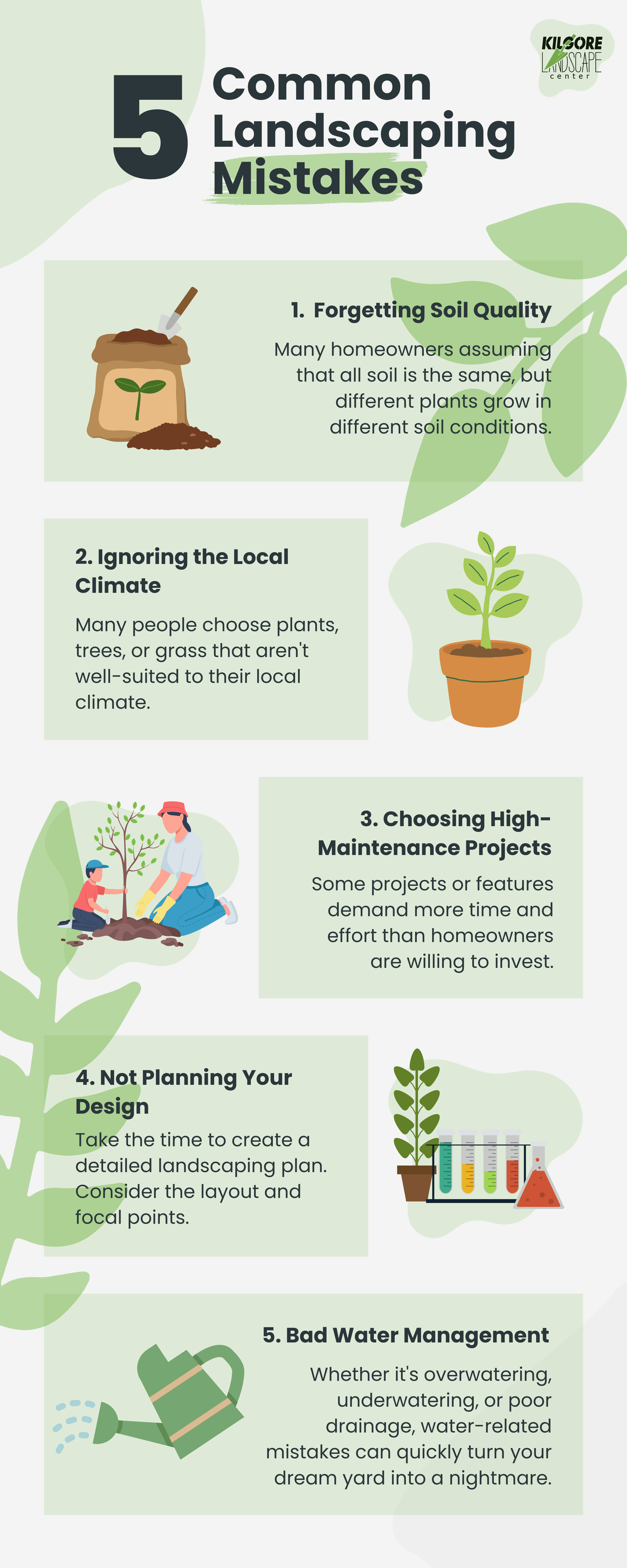
When it comes to landscaping, proper planting techniques are crucial to ensure the long-term health and aesthetic appeal of gardens and outdoor spaces. However, many landscapers make common mistakes that can compromise their efforts. Here are four significant errors often encountered during planting:
1. Poor Soil Preparation
One of the most critical aspects of planting is ensuring that the soil is properly prepared. Failing to do this can lead to poor plant growth and increased susceptibility to diseases. Proper soil preparation involves:
- Testing soil pH: Understanding the soil’s acidity or alkalinity helps in selecting the right plants.
- Amending the soil: Adding organic matter or fertilizers can improve soil fertility and structure.
- Aerating the soil: This ensures that roots can penetrate easily and receive adequate water and nutrients.
2. Ignoring Planting Depth
Planting plants at the correct depth is essential for their root development and overall stability. When landscapers either plant too deep or too shallow, it can lead to several problems including root rot or inadequate root establishment. Key considerations include:
- Identifying the right depth: Each plant species has specific planting depth requirements that should be researched before planting.
- Checking for markers: Most plants come with markers indicating the correct soil line; ignoring these can result in improper planting.
- Monitoring after planting: Regularly check newly planted items to ensure they are settling correctly.
3. Neglecting Watering Needs
Adequate watering is essential right after planting and during the initial growth stages. Failure to provide the right amount of water can stress plants and hinder their establishment. Consider the following when addressing watering needs:
- Understanding plant requirements: Different species have varying water needs, which must be taken into account.
- Establishing a watering schedule: Regular and consistent watering helps plants adapt to their new environment.
- Adjusting for weather conditions: Be aware of the effects of rain, humidity, and temperature changes on watering practices.
4. Overcrowding Plants
Planting too closely together is a common mistake that can lead to competition for resources, reduced air circulation, and increased disease rates. To avoid this, landscapers should consider:
- Researching mature sizes: Knowing the full-grown dimensions of plants helps in planning spacing.
- Following planting guides: Many resources provide guidelines on appropriate spacing for various plant species.
- Considering environmental factors: Growth conditions such as sunlight, soil type, and water availability should influence spacing decisions.
What is the hardest part about gardening?

The hardest part about gardening often varies from person to person, but several challenges consistently make the experience demanding. These challenges can be categorized into factors such as climate conditions, pest management, soil quality, time commitment, and knowledge of plants.
Climate Conditions
The weather plays a crucial role in the success of any gardening venture. Gardeners must constantly adapt to changing climate conditions that can hinder plant growth or lead to crop failure.
- Temperature: Extreme temperatures, both hot and cold, can stress plants, affecting their growth and productivity.
- Rainfall: Inconsistent or excessive rainfall can lead to waterlogged soil, promoting root rot or drought conditions.
- Sunlight: Insufficient or excessive sunlight can stunt growth or cause plants to scorch.
Pest Management
Dealing with pests is another significant challenge in gardening. The presence of insects and other animals can quickly sabotage efforts and affect the yield of a garden.
See also:
- Identifying Pests: Recognizing harmful pests versus beneficial insects can be misleading and requires knowledge.
- Control Methods: Finding adequate methods to control pests without harming the plants or the environment can be tricky.
- Prevention: Implementing preventive measures demands constant vigilance, which can be time-consuming.
Soil Quality
The quality of the soil is foundational to successful gardening. Many gardeners struggle with soil health, which directly impacts plant growth.
- Nutrient Levels: Soil that lacks essential nutrients can hinder plant development and fruit production.
- pH Balance: Maintaining the correct pH balance is vital for nutrient absorption; imbalances can lead to poor growth.
- Soil Structure: Soil that is too compact can restrict root growth, while sandy soil may drain too quickly, depriving plants of moisture.
Time Commitment
Gardening requires a substantial amount of time and dedication. Balancing this commitment with other responsibilities can be challenging for many.
- Regular Maintenance: Daily or weekly tasks include watering, weeding, and pruning, which require consistent attention.
- Seasonal Work: Different seasons bring unique chores, including planting in spring, maintenance in summer, and pruning in fall.
- Long-Term Planning: Successful gardening often requires planning for future seasons, which can add to the time burden.
Knowledge of Plants
An understanding of different plant species and their specific needs is paramount. However, acquiring this knowledge can be daunting for beginners.
- Species Selection: Knowing which plants thrive in specific conditions and climates is crucial for successful gardening.
- Cultural Practices: Each plant type often requires unique care practices, from water needs to fertilization schedules.
- Garden Design: Aesthetic and functional design aspects of a garden require knowledge about plant compatibility and growth patterns.
What do beginner gardeners need?
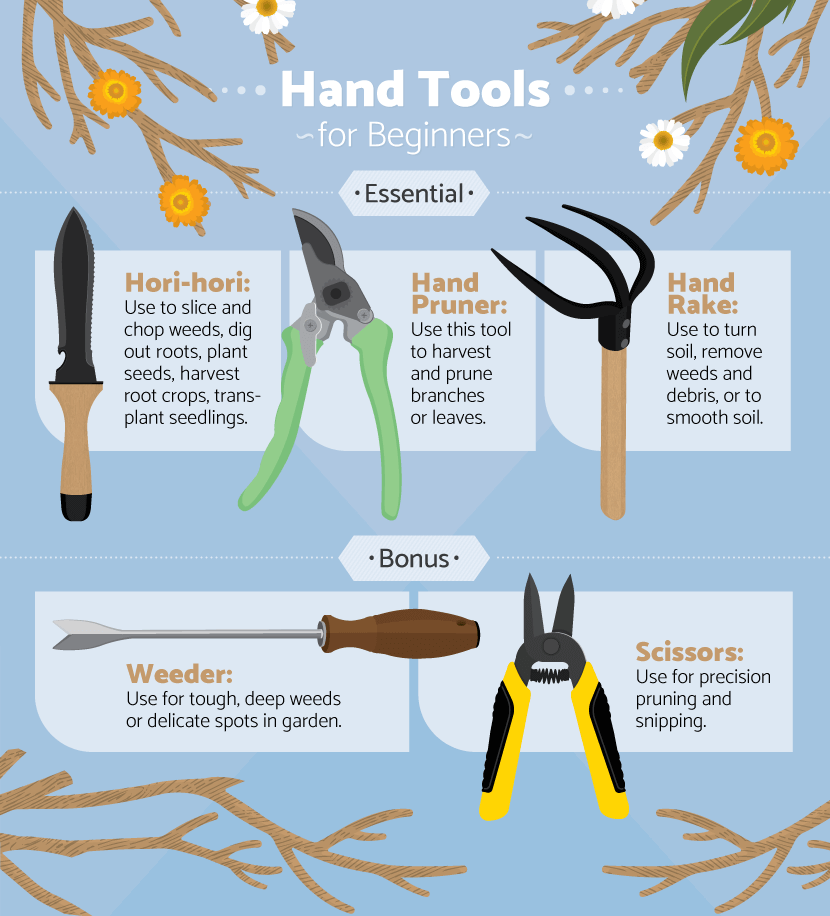
Gardening is a fulfilling hobby that allows individuals to connect with nature and cultivate their own plants. For beginner gardeners, having the right tools, knowledge, and resources is essential for a successful start. Here are some key elements that novice gardeners should consider to create a thriving garden.
Essential Gardening Tools
When starting out, it's crucial to have the right tools. These tools not only make gardening easier but also help in maintaining the garden effectively.
- Hand trowel: A small and versatile tool perfect for digging, planting, and transferring soil.
- Gloves: Protect your hands from dirt and potential injuries while working in the garden.
- Pruning shears: Ideal for trimming plants and promoting healthy growth.
Understanding Soil and Fertilizers
Soil health is fundamental to gardening success. Beginners should focus on understanding their soil type and how to amend it for optimal growth.
- Soil testing: Assessing pH and nutrient levels helps determine what amendments are needed.
- Organic matter: Adding compost or well-rotted manure can improve soil fertility and structure.
- Fertilizers: Choose age-appropriate fertilizers that cater to the nutrient needs of specific plants.
Selecting the Right Plants
Choosing plants suitable for the climatic conditions and the gardener's skill level is vital. Beginners should consider starting with easy-to-grow varieties.
- Native plants: These plants are adapted to the local environment and require less care.
- Herbs: Many herbs, such as basil and mint, are low maintenance and highly rewarding to grow.
- Annuals: Fast-growing plants like marigolds or zinnias can provide a quick sense of accomplishment.
Watering Techniques
Proper watering techniques are crucial for maintaining healthy plants. Understanding how much water is required at different stages is essential for beginners.
- Deep watering: It is better to water deeply and less frequently to encourage root growth.
- Mornings: Watering in the morning helps reduce evaporation and fungal diseases.
- Drip irrigation: Consider using a drip irrigation system for efficiency and to minimize water waste.
Garden Planning and Maintenance
Planning a garden layout and learning about maintenance practices is important for success. A well-organized approach can lead to a productive gardening experience.
- Garden layout: Plan the arrangement of plants according to their sunlight and space requirements.
- Regular weeding: Prevent competition for resources by frequently removing weeds from the garden.
- Seasonal tasks: Familiarize yourself with seasonal tasks such as pruning, mulching, and harvesting.
Questions from Our Readers
What is the most common mistake of first time gardeners?
One of the most common mistakes of first-time gardeners is overwatering their plants. Many beginners believe that more water equals healthier plants, but in reality, this can lead to root rot and other problems. It's essential to understand the specific water requirements of each type of plant and to monitor the soil's moisture levels carefully.
How can beginner gardeners avoid overwatering?
To avoid overwatering, beginner gardeners should start by learning about their plants' specific needs and using well-draining soil. Utilizing containers with drainage holes can also help prevent excess water from accumulating. Moreover, it's crucial to check the soil moisture before watering by sticking a finger into the soil to gauge its dryness.
See also:
Why is it important to choose the right plants for beginners?
Choosing the right plants is vital for beginners because some plants are hardier and better suited for novices than others. Opting for easy-to-grow plants can boost a gardener's confidence and increase the chances of success. Plants such as herbs, tomatoes, or succulents are often recommended as they are generally forgiving and require less maintenance.
What role does sunlight play in gardening mistakes?
Sunlight plays a critical role in gardening success and is often misunderstood by first-time gardeners. Many mistakenly place their plants in areas with either too much or too little direct sunlight. It's essential to research the light requirements of each specific plant and position them accordingly to ensure they thrive, as inadequate sunlight can stunt growth or cause other issues.

If you want to read more articles like Discovering What is the Most Common Mistake of First Time Gardeners? Tips to Avoid It!, we recommend you check out our Garden category.
Leave a Reply
Related Articles