Can I Put Garden Beds on Grass? Expert Tips for a Successful Garden Setup

Establishing a garden can be an exciting venture, but determining the right setup is crucial for success. One common question many budding gardeners face is whether they can place garden beds directly on grass. This decision can significantly impact the health of your plants and the overall aesthetics of your garden. In this article, we will explore expert tips and considerations to help you make an informed choice. From assessing your soil health to understanding the benefits and challenges of building garden beds on grass, we aim to equip you with the knowledge needed for a flourishing garden setup.
Can I Put Garden Beds on Grass?
Yes, you can put garden beds on grass, but there are a few considerations to keep in mind. When placing a garden bed directly on grass, the existing grass will compete for nutrients and water with your new plants. To mitigate this competition, it’s often recommended to first cover the grass with materials such as cardboard or landscaping fabric. This smothers the grass, preventing it from growing into the garden bed while simultaneously allowing for drainage and air circulation. Additionally, ensure that the garden bed has sufficient soil depth and quality to support the plants, as this will ultimately enhance their growth.
Benefits of Placing Garden Beds on Grass
Creating garden beds on grass provides several advantages. It allows for quick setup without the need for extensive site preparation, reducing initial labor. Grass can help improve water retention in the soil as it breaks down and adds organic material over time. Furthermore, the bed can serve as a barrier against weeds, minimizing future maintenance. These factors can make it easier for beginners to start their gardening journey, as they can quickly establish their plants in a suitable growing environment.
How to Prepare Grass for Garden Beds
Preparing grass for garden beds involves several steps to ensure successful growth. Begin by cutting the grass as low as possible before laying down your garden bed. Then, cover the area with thick layers of cardboard or mulch, which effectively blocks sunlight from reaching the grass and prevents it from regrowing. Allow this setup to sit for a few weeks to a couple of months, depending on the material used, as this will help break down the grass and create nutrient-rich soil for your plants. In this way, the area can transform into a thriving garden space.
Potential Drawbacks of Garden Beds on Grass
One potential drawback of establishing garden beds on grass is the risk of grass invading the beds despite preparation efforts. If the grass is not entirely suppressed, it can consume essential nutrients and water that your garden plants need. Additionally, there might be soil compaction issues if the bed is not adequately raised or if foot traffic occurs frequently around the garden area. As a result, this can hinder root growth and water infiltration, impacting plant health negatively.
Choosing the Right Location for Garden Beds
Choosing the appropriate location for garden beds is crucial for their success. Ensure that the area receives at least six hours of sunlight per day, which is essential for most vegetables and flowers. Additionally, the location should have good drainage to prevent water pooling. Take into account the proximity to water sources for easy irrigation, as well as the overall aesthetic and accessibility of the space. A well-selected site increases the likelihood of a flourishing garden.
Maintenance Tips for Garden Beds on Grass
Once you’ve established your garden beds on grass, ongoing maintenance will be vital for their health. Regularly monitor for any signs of grass sneaking into the beds and remove it promptly to prevent competition. Keeping the soil well-aerated and adding organic matter such as compost will support healthy growth. Watering appropriately according to the specific needs of your plants and adjusting care with the changing seasons will also ensure that your garden remains lush and productive.
| Aspect | Details |
|---|---|
| Soil Quality | Use nutrient-rich soil to enhance plant growth. |
| Watering | Ensure consistent watering based on plant needs. |
| Light Exposure | Choose a location with at least 6 hours of sunlight. |
| Weed Control | Regularly check for invasive grass in the garden beds. |
| Organic Matter | Add compost to enrich the soil over time. |
Can you put a garden bed on grass?

Yes, you can put a garden bed on grass. Many gardeners choose to place their garden beds directly over the grass for several reasons, including ease of installation, reducing the need for extensive site preparation, and utilizing existing soil and nutrient structures.
By installing a garden bed on top of grass, you can smother it, allowing the materials within the bed, such as compost and soil, to create a rich growing environment. However, there are several factors to consider when placing a garden bed on grass.
Benefits of Placing a Garden Bed on Grass
Creating a garden bed on grass offers multiple advantages:
- Soil Improvement: The grass can decompose beneath the bed, providing organic matter that enriches the soil.
- Weed Suppression: The grass is smothered, which helps to reduce weed growth in the garden bed.
- Ease of Setup: This method often requires less preparation than removing the grass completely.
Considerations for Garden Bed Placement
When deciding to install a garden bed on grass, be mindful of the following:
- Grass Type: Certain grass varieties may take longer to decompose than others.
- Bed Depth: Ensure that your garden bed is deep enough (typically 6-12 inches) to support healthy plant growth.
- Drainage: Confirm that your garden bed has adequate drainage to prevent water pooling under the bed.
Steps to Install a Garden Bed on Grass
Follow these steps for a successful installation:
See also:
- Select Location: Choose a spot with sufficient sunlight and accessibility.
- Build the Frame: Use wood, stone, or metal to create the frame of your garden bed.
- Fill with Soil: Layer rich compost, soil, and organic matter on top of the grass inside the frame.
Maintenance Tips for Garden Beds on Grass
Ongoing care is essential for a flourishing garden bed:
- Regular Watering: Ensure the garden bed receives adequate moisture, especially during dry spells.
- Monitor for Weeds: Even with grass underneath, some weeds may sprout, so keep an eye out.
- Soil Fertility: Regularly amend the soil with compost or fertilizers to maintain nutrients.
Alternative Methods for Installing Garden Beds
If you are hesitant about using the grass method, consider these alternatives:
- Sheet Mulching: Cover the grass with cardboard or newspaper before placing the garden bed to expedite decomposition.
- Raised Beds: Build raised beds with legs to avoid direct contact with the grass.
- Remove Grass: Manually or mechanically remove the grass before installation for immediate planting.
Can you plant a garden on top of grass?
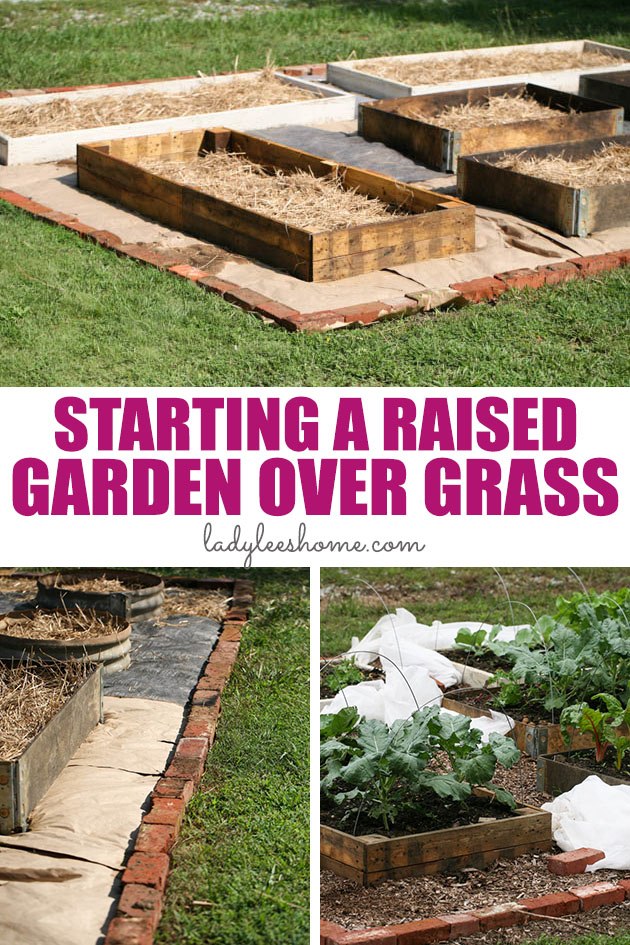
Yes, you can plant a garden on top of grass, but there are several considerations to keep in mind to ensure successful planting and growth. Planting a garden over existing grass can lead to challenges such as competition for nutrients, water, and light. However, with the right techniques, you can create a thriving garden on a grass-covered area.
Assessing Your Lawn
Before planting a garden on top of grass, it's crucial to assess the condition of your lawn. This involves determining the health of the grass, the soil quality, and any potential weeds that may affect your garden.
- Grass Health: Check if the grass is healthy and thriving. Sick or damaged grass can harbor pests and diseases.
- Soil Quality: Test the soil pH and nutrient levels to ensure it can support plant growth. Poor soil fertility can hinder the success of your garden.
- Weed Presence: Identify any weeds in the area, as they can compete with your plants for resources.
Choosing the Right Method
There are several methods you can use to plant a garden on grass. Each method has its advantages, and the best one for you may depend on your circumstances and preferences.
- Raised Beds: Building raised garden beds allows you to control the soil quality and drainage, while also smothering the grass beneath.
- Sheet Composting: This method involves layering organic materials to decompose over time, effectively killing the grass and enriching the soil beneath.
- Direct Planting: If you choose to plant directly into the grass, consider using a trowel to dig holes for your plants, ensuring they have access to nutrients.
Preparing the Site
Preparation is key when planting a garden on top of grass. Proper site preparation can make a significant difference in your planting success.
- Mowing the Grass: Start by mowing the grass as low as possible to reduce its height and competition.
- Weed Removal: Removing any visible weeds can help reduce competition for your garden plants.
- Soil Amendments: Adding compost or other organic matter will improve soil structure and fertility, benefiting the new plants.
Choosing the Right Plants
The selection of plants is crucial for the success of your garden. Some plants may struggle to grow directly over grass, while others thrive.
- Perennials: Consider planting perennials that can establish deep root systems; they will compete better with grass and can come back year after year.
- Native Plants: Native plants are adapted to local conditions and often perform better when planted over grass.
- Vegetables and Annuals: Fast-growing annuals can provide a good yield, but they may need more attention in terms of soil preparation.
Maintenance and Care
After planting your garden, ongoing maintenance is essential for ensuring its success. Regular care instructions can help to keep your garden thriving.
- Watering: Ensure adequate watering, especially during dry spells. Newly planted areas may need more frequent moisture.
- Mulching: Apply a layer of mulch to suppress remaining grass growth, retain moisture, and improve soil quality.
- Regular Monitoring: Keep an eye on weeds and pests, as they can quickly become an issue if left unchecked.
Do I need to remove grass before making a garden?

When planning to create a garden, one common question is whether or not to remove the existing grass. Removing grass can help establish a healthy garden, but it might not be strictly necessary depending on your goals and the methods you choose.
Reasons to Remove Grass
Removing grass from the area where you want to create a garden can provide several benefits:
- Weed Control: Grass can be considered a weed when it competes for nutrients, water, and sunlight with your garden plants. Removing it can reduce weed pressure.
- Soil Quality: The presence of grass may indicate that the soil underneath is compacted or has low fertility. Removing the grass allows for soil amendment and improvement.
- Space for Planting: By removing grass, you create a clean slate for your garden. This gives you adequate space to plant your desired flowers, vegetables, or herbs without competition.
Methods for Grass Removal
There are several effective methods to remove grass, each with its own advantages:
See also:
- Manual Removal: This involves using a shovel or spade to dig out the grass. It's labor-intensive but gives precise control over the area.
- Sheet Mulching: This method involves layering materials like cardboard or newspaper over the grass and covering it with mulch. Over time, this suppresses the grass without the need for digging.
- Herbicides: If you're looking for a quick solution, chemical herbicides can effectively kill grass, though this method may have environmental implications.
Alternatives to Removing Grass
In some cases, you might not need to completely remove the grass:
- Overplanting: You can plant garden species that can grow well in competition with grass, like certain wildflowers or ground covers.
- Raised Beds: Building raised garden beds allows you to bypass the grass altogether by placing soil and plants on top.
- Smothering: Simply covering the grass with mulch or landscape fabric can reduce its growth, allowing your garden plants to thrive.
Impact on Soil Health
It's essential to consider how grass removal affects soil health:
- Organic Matter: If you remove the grass, you can add organic materials like compost, which improves soil health.
- Microbial Activity: Disturbing the soil too much can harm beneficial microbes. Consider the balance between grass removal and maintaining soil integrity.
- pH Levels: Soil pH can be affected by grass removal processes. Test your soil and adjust accordingly for optimal plant growth.
Planning Your Garden Layout
Before you decide to remove grass, consider your overall garden layout:
- Zoning: Determine if certain areas will have grass paths as part of your garden design, minimizing the need for complete removal.
- Style: Decide on a formal garden versus a more naturalistic style. Your choice might dictate whether you keep or remove grass.
- Plant Selection: Choose plants that complement or contrast with existing grass if you decide not to remove it.
Can I put garden furniture on grass?
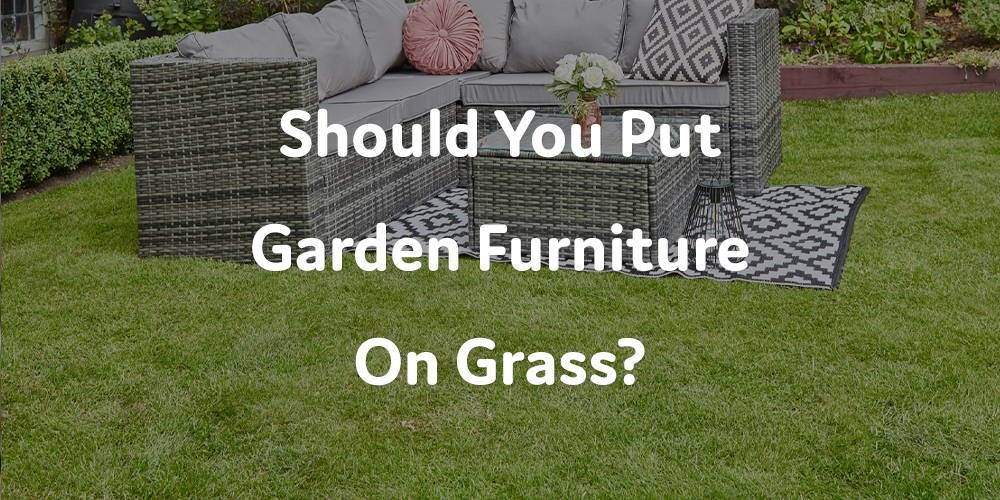
Yes, you can put garden furniture on grass, but there are several important considerations to keep in mind. Placing garden furniture on grass can have both advantages and disadvantages, depending on the type of furniture and the specific conditions of your garden. It’s essential to assess the health of the grass, the weight of the furniture, and its use to ensure that both your furniture and lawn remain in good condition.
Advantages of Placing Furniture on Grass
Placing garden furniture directly on grass offers several benefits:
- Natural Aesthetic: Furniture on grass creates a cozy atmosphere and blends seamlessly with the outdoor environment.
- Soft Surface: Grass provides a cushioned layer, making it more comfortable to sit and relax.
- Easy Setup: Using your garden area effectively without needing to create a more permanent structure can be practical and convenient.
Potential Issues with Grass and Furniture
While there are benefits, there are also potential downsides to consider:
- Grass Damage: Heavy furniture can lead to compressed grass, causing it to become brown or damaged over time.
- Moss Growth: If furniture is left in the same position, it can create a shaded area, promoting moss growth instead of healthy grass.
- Uneven Surfaces: Grass terrain might not be completely level, leading to instability for furniture and discomfort for users.
Best Practices for Placing Furniture on Grass
To minimize damage and maximize enjoyment, follow these best practices:
- Use Furniture Protectors: Apply protective pads or feet to your furniture legs to distribute weight better and reduce pressure on the grass.
- Rotate Position: Regularly changing the position of the furniture helps prevent grass damage and promotes even growth across the lawn.
- Limit Weight: Consider lightweight options for garden furniture that are less likely to compress the grass significantly.
Maintenance Tips for Grass Under Furniture
Maintaining grass under garden furniture is crucial for keeping it healthy:
- Regular Mowing: Keep the grass well-mowed to promote healthy growth and maintain even surfaces.
- Fertilization: Apply appropriate fertilizers to boost grass health and recovery in areas exposed to pressure.
- Watering: Ensure your lawn receives adequate water, especially during hot weather, to stay lush and resilient.
Alternative Options to Grass for Furniture
If you’re concerned about placing furniture on grass, consider these alternatives:
- Decking: A wooden or composite deck provides a stable and attractive surface for your garden furniture.
- Paving Stones: Patio stones or slabs can create a solid base that won’t damage under heavy furniture.
- Outdoor Rugs: Use decorative outdoor rugs that can protect the grass while also enhancing the aesthetic appeal.
Questions from Our Readers
Can I put garden beds on grass?
Yes, you can put garden beds on grass, but it's important to consider a few factors. If you choose to do this, the grass may eventually die underneath the bed, but it can help to smother weeds. Additionally, using techniques such as sheet mulching or placing cardboard under the garden bed can improve soil quality while suppressing grass growth.
What preparation do I need before installing garden beds on grass?
Before installing garden beds on grass, it's advisable to properly prepare the area. You can start by mowing the grass short and then either removing it or leaving it in place. If you're leaving it, consider using cardboard or newspaper as a barrier to prevent grass regrowth while keeping beneficial microbes in the soil.
Will the grass come back after I remove the garden beds?
Yes, if you remove garden beds after some time, the grass may eventually come back. However, the extent of recovery depends on how long the garden beds were in place and whether any grass roots were disturbed during the process. If you want to avoid this, you might consider using a permanent garden structure or regularly managing the area.
See also:
Are there any disadvantages to placing garden beds on grass?
One of the main disadvantages of placing garden beds on grass is that it can lead to poor drainage and soil compaction. In some cases, the grass can also draw nutrients away from your plants. If not properly managed, the growth of grass can eventually compete with your garden plants, affecting their health and productivity.

If you want to read more articles like Can I Put Garden Beds on Grass? Expert Tips for a Successful Garden Setup, we recommend you check out our Garden category.
Leave a Reply
Related Articles