What Classifies Something as a Garden? A Comprehensive Guide to Garden Definitions and Types

Gardens come in various shapes, sizes, and functions, but what truly classifies an area as a garden? This comprehensive guide aims to explore the multifaceted definitions of gardens, delving into their historical, cultural, and practical aspects. From lush ornamental gardens to functional vegetable patches, each type serves unique purposes and reflects the values of its caretakers. By examining the key characteristics that define a garden, as well as the diverse types that exist globally, this article seeks to illuminate the rich tapestry of gardening practices and philosophies, serving as a valuable resource for enthusiasts and novices alike.
What Defines a Garden?
A garden is classified as a designated area where plants, including flowers, vegetables, and shrubs, are cultivated for aesthetic or practical purposes. The characteristics that distinguish a garden include its purpose, such as food production, recreation, or ornamental beauty, as well as its design, which often incorporates pathways, seating areas, and water features. A garden typically requires the intervention of humans to create and maintain it, reflecting the intention behind its establishment. The presence of cultivated plants, alongside environmental considerations like soil and water management, further solidifies the classification of a space as a garden.
Purpose of a Garden
The purpose of a garden can vary widely, encompassing aesthetic enjoyment, food production, or even therapeutic benefits. Gardens designed for beauty often feature vibrant flowers and carefully arranged beds, while vegetable gardens serve to supply fresh produce to households. Additionally, many people cultivate gardens as a form of therapy, providing a peaceful retreat that enhances mental well-being through interaction with nature.
Design Elements
The design of a garden is crucial in defining its classification, as it often includes specific elements such as pathways, flower beds, and seating areas. Effective garden design considers the arrangement of plants, creating visual harmony while facilitating accessibility. Features such as trellises, ponds, and sculptures can further enhance the space, contributing to both the aesthetic appeal and functional use of the garden.
Types of Gardens
Various types of gardens exist, such as ornamental gardens, vegetable gardens, and botanical gardens. Ornamental gardens focus on aesthetics with vibrant flowers and decorative shrubs, while vegetable gardens are primarily managed for food production. Botanical gardens are often more extensive and serve educational purposes, showcasing a diverse range of plant species and ecosystems. Each type reflects different motivations and stylistic preferences, contributing to the broad classification of what can be deemed a garden.
Human Intervention
A vital aspect that classifies a space as a garden is the level of human intervention involved in its maintenance. Unlike wild habitats, gardens require design choices, planting, and regular care such as watering, weeding, and pruning. This active involvement differentiates gardens from natural landscapes, highlighting a human presence aimed at nurturing and shaping the environment.
Environmental Considerations
Environmental factors significantly influence garden classification, particularly regarding soil quality, water availability, and local climate conditions. A successful garden depends on the ability to manage these elements effectively, ensuring that plants have the necessary resources to thrive. Sustainable practices, such as composting and xeriscaping, further reflect an awareness of environmental impact and management, contributing to the overall classification of a space as a dedicated garden.
| Classification Criteria | Description |
|---|---|
| Purpose | Varies from aesthetic enjoyment to food production. |
| Design | Includes pathways, beds, and features enhancing the space. |
| Types | Ornamental, vegetable, botanical, and more. |
| Human Intervention | Regular maintenance and cultivation defined by human actions. |
| Environmental Considerations | Soil quality, water management, and climate impact overall success. |
What constitutes gardening?

Gardening is a multifaceted activity that involves the cultivation and management of plants, flowers, and vegetables, which can be carried out for personal enjoyment, environmental enhancement, or food production. It encompasses a variety of practices, techniques, and knowledge sets that enable individuals to create and maintain gardens in diverse environments.
Definition of Gardening
Gardening can be succinctly defined as the act of growing and nurturing plants in a designated area for aesthetic or utilitarian purposes. This can range from small home gardens to expansive agricultural plots. Key aspects include:
See also:
- Plant Selection: Choosing appropriate species for the given environment.
- Soil Preparation: Ensuring the ground is ready for planting.
- Maintenance Activities: Regular tasks like watering, pruning, and pest control.
Types of Gardening
There are several distinct types of gardening, each with its own goals and methods. Some prominent types include:
- Vegetable Gardening: Focused on growing edible plants for food.
- Flower Gardening: Aimed at cultivating flowers for decoration and enjoyment.
- Herb Gardening: Specialized in growing herbs for culinary and medicinal uses.
Essential Tools for Gardening
Having the right tools is crucial for successful gardening. Essential tools might include:
- Shovels: For digging and moving soil.
- Rakes: To level soil and remove debris.
- Pruning Shears: For trimming and shaping plants.
Gardening Techniques
Various techniques enhance gardening effectiveness. These may involve:
- Crop Rotation: Changing the types of plants grown in a given area to improve soil health.
- Companion Planting: Planting different species together for mutual benefits such as pest control.
- Vertical Gardening: Utilizing vertical space to grow plants in a smaller footprint.
Environmental Impact of Gardening
Gardening can play a significant role in environmental sustainability. The impacts include:
- Carbon Sequestration: Absorbing CO2 through plant growth.
- Biodiversity Support: Providing habitats for various species.
- Soil Health Improvement: Promoting soil microorganisms and nutrient levels.
How to define a garden?
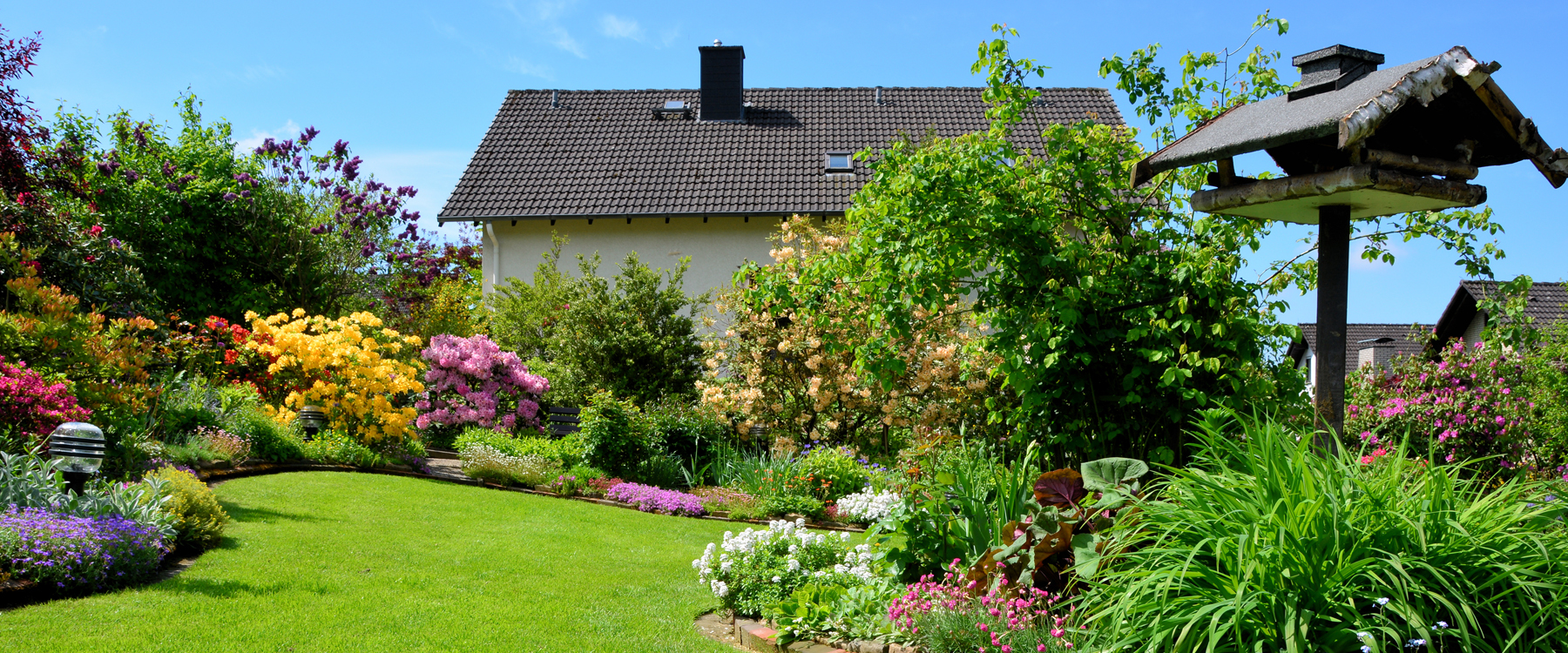
To define a garden, one must consider it as a cultivated space that is designed for the growth of plants, which can include flowers, vegetables, fruits, and herbs. Gardens are often characterized by their aesthetic qualities and functional purposes. They are spaces where humans interact with nature, and can serve multiple roles, from relaxation to providing food. There are various types of gardens, each with different themes and purposes, and each reflecting the preferences and cultural backgrounds of their creators.
Types of Gardens
Gardens can be categorized into various types based on their design, purposes, and the plants they feature. Understanding these categories can help individuals decide what type of garden best suits their needs.
- Vegetable Gardens: Focused on growing edible plants such as tomatoes, lettuce, and carrots.
- Flower Gardens: Primarily designed for ornamental purposes, featuring a variety of flowering plants for aesthetic appeal.
- Herb Gardens: Dedicated to cultivating various herbs for culinary or medicinal use.
Design Elements of a Garden
The design of a garden is an essential aspect that influences its functionality and aesthetics. It involves careful planning to create a harmonious and inviting space.
- Layout: The arrangement of plants, paths, and structures, which can influence accessibility and visual appeal.
- Color Schemes: Choosing plants based on color can enhance the overall beauty and emotional impact of the garden.
- Structures: The addition of benches, trellises, or pathways can provide structure and usability to the garden space.
Benefits of Having a Garden
Gardening offers numerous benefits that extend beyond mere aesthetics. It is an activity that can greatly enhance quality of life in various ways.
- Food Production: A garden can provide fresh produce, contributing to a healthier diet.
- Stress Relief: Engaging with plants and nature can lower stress levels and promote mental well-being.
- Environmental Impact: Gardens can support local biodiversity and contribute to ecological balance.
Gardening Techniques
To effectively cultivate a garden, various techniques can be employed. Each technique can significantly affect the growth and health of the plants.
See also:
- Soil Preparation: Properly preparing the soil is crucial for plant health, including testing soil quality and nutrient levels.
- Watering Practices: Efficient watering techniques, such as drip irrigation, can help ensure that plants receive adequate hydration.
- Pest Management: Implementing methods to manage pests healthily can protect plants without harming the environment.
Gardening Tools and Accessories
Various tools and accessories are essential for maintaining a garden. These items can make the gardening process more efficient and enjoyable.
- Hand Tools: Basic tools like trowels, pruners, and weeders are fundamental for everyday gardening tasks.
- Power Tools: Equipment like tillers and lawnmowers can ease larger job requirements, increasing efficiency.
- Gardening Gloves: Protecting hands from soil and plant materials is important, making gloves a necessary accessory.
Can a garden be in the backyard?

Yes, a garden can absolutely be in the backyard. In fact, many homeowners choose to create gardens in their backyards as it provides a private space for cultivating plants, vegetables, and flowers. A backyard garden can serve multiple purposes, including aesthetic appeal, food production, and recreational activities. With the proper planning and consideration of factors like sunlight, soil quality, and water availability, a garden can flourish in this space.
Benefits of Having a Garden in the Backyard
Creating a garden in the backyard can be highly beneficial for various reasons.
- Food Production: Growing your own vegetables and fruits can lead to a sustainable food source.
- Improved Aesthetics: Gardens enhance the visual appeal of a home and create a pleasant outdoor environment.
- Physical Activity: Gardening involves physical labor, which helps improve fitness and offers a great form of exercise.
Types of Gardens Suitable for Backyards
There are several types of gardens one can establish in a backyard, depending on personal interests and available space.
- Vegetable Garden: Focused on growing food, these gardens can vary in size and complexity.
- Flower Garden: Dedicated to ornamental flowers, contributing to the beauty and fragrance of the space.
- Herb Garden: Smaller gardens that can be used for cooking, making them both practical and decorative.
Essential Considerations for Backyard Gardening
Before starting a garden in the backyard, it is important to consider several factors to ensure its success.
- Sunlight: Assess how much sunlight your garden area receives daily, as most plants require at least 6 hours of sun.
- Soil Quality: Check the soil health and fertility, as this will affect plant growth.
- Water Access: Ensure that there is a reliable water source for adequate irrigation, especially in dry months.
Common Challenges in Backyard Gardening
While having a garden in the backyard can be rewarding, there are challenges that gardeners may face.
- Pests: Managing insect and animal pests that can damage plants requires vigilance and management techniques.
- Weather Conditions: Factors like droughts or excessive rainfall can affect gardening efforts, necessitating protective measures.
- Time Commitment: Gardening requires regular maintenance, which can be time-consuming for busy individuals.
Tips for a Successful Backyard Garden
To ensure a thriving garden, consider implementing the following tips.
- Plan Your Layout: Design an organized layout to maximize space and accessibility.
- Choose the Right Plants: Select plants that are suitable for your climate and soil conditions.
- Regular Maintenance: Keep up with watering, weeding, and harvesting to promote healthy growth.
Questions from Our Readers
What defines a garden?
A garden is typically defined as a designated space where plants, flowers, or vegetables are cultivated and maintained. It often includes pathways, structures, and various landscaping elements that enhance its aesthetic and functional value.
Are all outdoor spaces considered gardens?
Not all outdoor spaces qualify as gardens; for example, natural landscapes or wild areas that aren't intentionally cultivated do not fit this definition. A space is generally recognized as a garden when it features organized plantings and typically involves some level of human care and planning.
See also:
Can a garden exist indoors?
Yes, a garden can certainly exist indoors, often referred to as an indoor garden or a houseplant garden. Such gardens usually involve various plants that can thrive in controlled environments, showcasing a mix of aesthetics and functionality that brightens up a living space.
What types of plants are commonly found in a garden?
A garden can host a diverse range of plants, including flowering plants, shrubs, vegetables, and herbs. The choice of plants often depends on the garden's purpose, climate, and the gardener's personal preferences, allowing for endless creative possibilities.

If you want to read more articles like What Classifies Something as a Garden? A Comprehensive Guide to Garden Definitions and Types, we recommend you check out our Garden category.
Leave a Reply
Related Articles