What is the best homemade fungicide for plants? Discover Effective Solutions for Your Garden
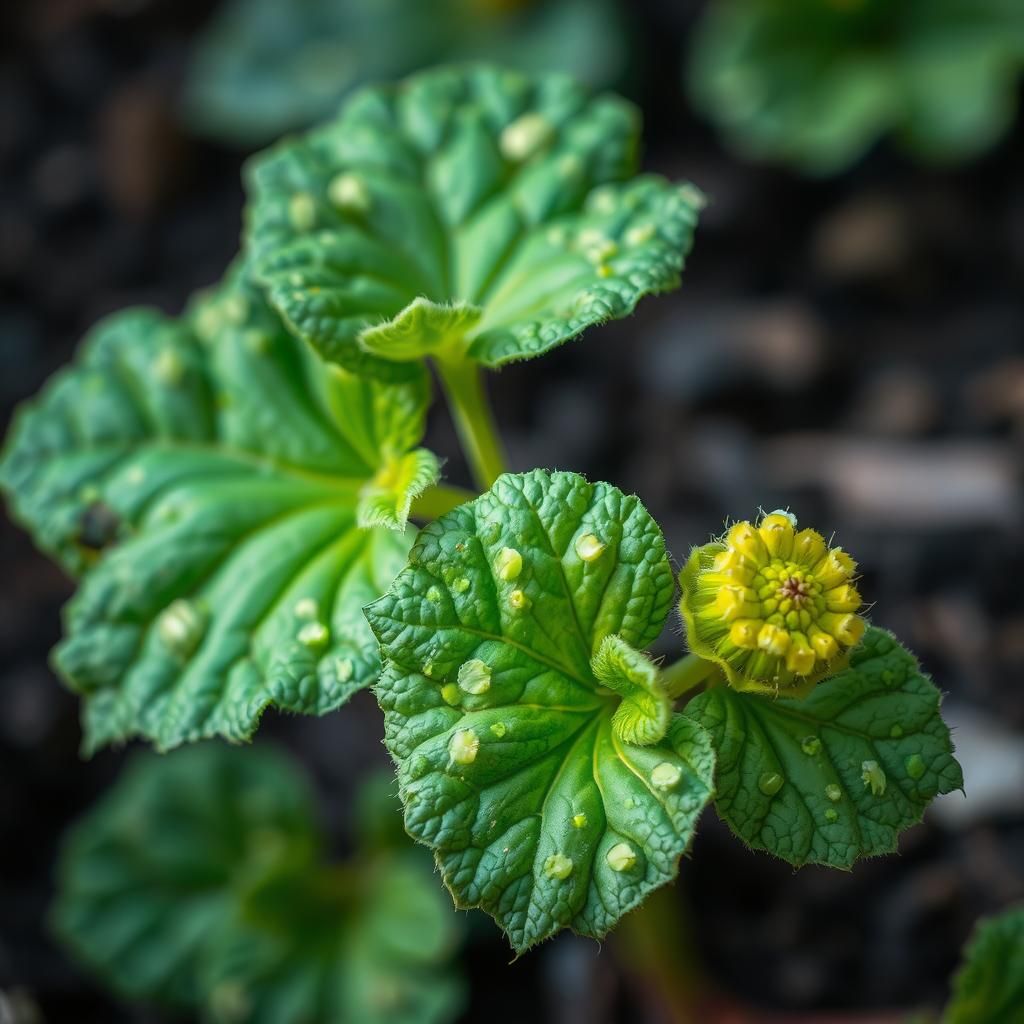
Maintaining a healthy garden often involves combating fungal diseases that can threaten your plants' well-being. While commercial fungicides are widely available, many gardeners seek effective homemade solutions that are safe and environmentally friendly. This article explores some of the best homemade fungicides, highlighting natural ingredients and simple recipes that can help you protect your plants without the use of harsh chemicals. By utilizing these effective solutions, you can not only ensure the vitality of your garden but also promote sustainable gardening practices. Discover the best methods to keep your plants thriving and resilient against fungal infections.
What is the Best Homemade Fungicide for Plants?
A highly effective homemade fungicide for plants is a mixture of baking soda, water, and a few drops of liquid soap. This simple solution works by altering the pH on the surface of the leaves, creating an inhospitable environment for fungal spores. To prepare the mixture, combine 1 tablespoon of baking soda with 1 gallon of water and add 1 teaspoon of liquid soap to help the mixture adhere to the plant surfaces. This fungicide is not only easy to make but is also safe for most plants and can help to prevent the development of common fungal diseases like powdery mildew and black spots.
Ingredients for Homemade Fungicide
The primary ingredients for an effective homemade fungicide include baking soda, water, and a liquid soap. Baking soda acts as a fungicide by raising the pH on the leaf surface, while the liquid soap ensures better adherence of the solution to the plants. Other optional ingredients such as vinegar or neem oil can enhance the effectiveness of the fungicide, offering additional protection against various fungal infections.
How to Apply Homemade Fungicide
To effectively apply the homemade fungicide, use a spray bottle for even distribution over the leaves of the plants. It is best to apply the solution in the early morning or late afternoon to avoid sunburn on the foliage. The mixture should be sprayed directly onto affected areas as well as preventive application on healthy foliage. Ensure coverage on both the upper and underside of leaves, which are common sites for fungal growth.
Frequency of Application
For optimal results, homemade fungicide should be applied every 7 to 14 days, particularly during the growing season when fungal diseases are most likely to occur. If rain or heavy dew is expected, reapply the fungicide afterward, as these conditions can wash away the protective barrier created by the solution. Regular applications can help in effectively managing and preventing fungal outbreaks.
Limitations of Homemade Fungicides
While homemade fungicides are a practical solution for minor fungal issues, they may not be effective for severe infestations or specific hard-to-kill fungi. Additionally, improper dilution of ingredients can lead to plant damage, such as leaf burn. Therefore, it is crucial to follow the recipe accurately and monitor plant health closely to make adjustments as needed.
Precautions When Using Homemade Fungicides
When using homemade fungicides, it is essential to take certain precautions to protect plants and ensure effectiveness. Test the fungicide on a small area of the plant to observe any adverse reactions before widespread application. Avoid applying during the hottest parts of the day to minimize stress on the plants. Furthermore, keep the fungicide stored in a cool, dark place to preserve its effectiveness between uses.
| Ingredient | Purpose |
|---|---|
| Baking Soda | Acts as a fungicide to raise leaf pH |
| Water | Dilutes the mixture for safe application |
| Liquid Soap | Enhances adhesion of the fungicide |
| Vinegar | Optional, adds additional antifungal properties |
| Neem Oil | Optional, provides extra protection |
What is the best natural fungicide for plants?

The best natural fungicide for plants is often considered to be baking soda (sodium bicarbonate). It is widely recognized for its effectiveness in combating various fungal diseases while being safe for plants and the environment. When used properly, baking soda can inhibit fungal growth on plant leaves by altering the pH levels and making the environment less favorable for fungi to thrive.
Understanding Fungal Diseases
Fungal diseases can severely impact plant health and productivity. These diseases are caused by various fungi that can infect plants, leading to symptoms such as wilting, yellowing, and loss of foliage. Understanding the types of fungi that affect specific plants can help in choosing the right treatment. Common fungal diseases include:
See also:
- Powdery mildew: This affects a variety of plants, leaving a white powdery substance on leaves.
- Downy mildew: This thrives in humid conditions, causing yellow spots on leaf surfaces.
- Rust: Characterized by orange or rust-colored spots, affecting the leaves and stems.
How Baking Soda Works as a Fungicide
Baking soda works by increasing the alkalinity of the leaf surface, which inhibits the growth of fungal pathogens. When applied as a solution, it creates an unfavorable environment for fungi, reducing their ability to reproduce and spread. It's important to note the following:
- Mixing ratio: A typical mixture includes one tablespoon of baking soda dissolved in one gallon of water.
- Additive options: Adding a few drops of mild liquid soap can help the solution stick to plant surfaces.
- Application frequency: It is essential to reapply the solution every 7-14 days, especially after rain.
Other Natural Fungicide Options
While baking soda is a top choice, several other natural fungicides can also be effective. These alternatives can provide additional options for managing fungal diseases:
- Neem oil: Extracted from the seeds of the neem tree, it exhibits antifungal properties and is effective against a wide range of plant diseases.
- Garlic spray: Garlic has natural anti-fungal properties and can be made into a spray by blending garlic bulbs with water.
- Copper fungicides: Derived from copper salts, these are effective against various plant pathogens, though should be used sparingly to avoid toxicity.
The Application Process for Natural Fungicides
Applying natural fungicides correctly is crucial for their effectiveness. Here are some key steps to ensure the best results:
- Timing: Apply the fungicide early in the morning or late in the afternoon to avoid leaf burn.
- Leaf coverage: Ensure that the entire plant, especially the undersides of leaves, is covered for maximum effectiveness.
- Weather considerations: Avoid application before heavy rain, which can wash away the solution.
Preventive Measures Against Fungal Infections
Prevention is the best strategy to combat fungal infections in plants. Taking proactive steps can reduce the likelihood of outbreaks:
- Proper spacing: Ensure good air circulation between plants by avoiding overcrowding.
- Water management: Water plants at the base rather than overhead to keep foliage dry.
- Soil health: Maintain healthy soil with proper drainage and nutrients to support plant resilience against diseases.
What is the best homemade antifungal?
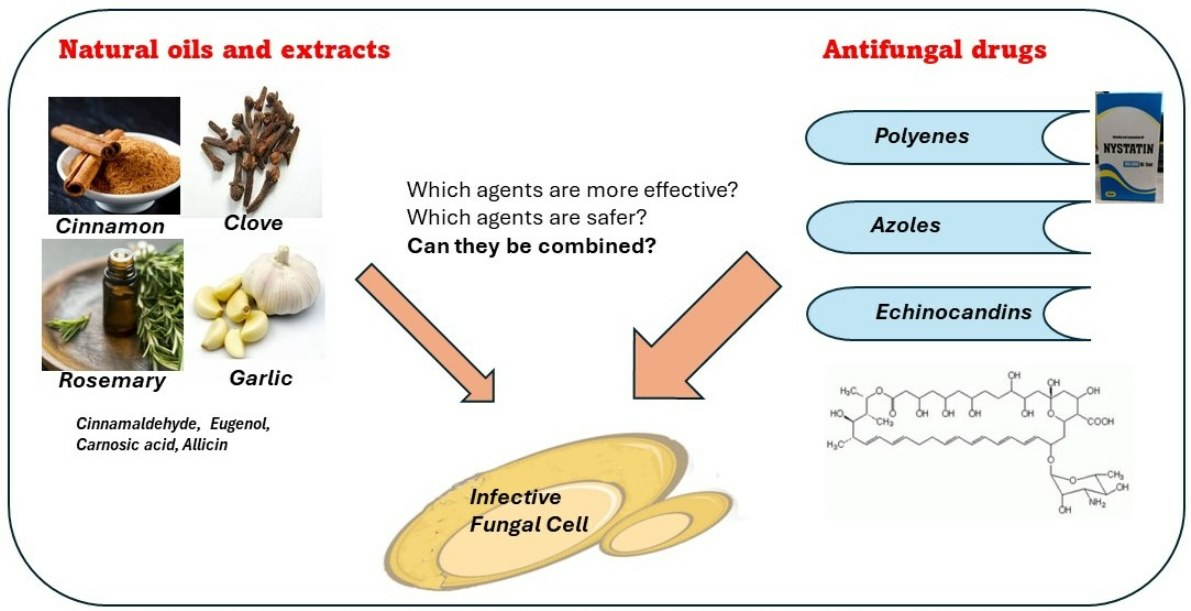
The best homemade antifungal can vary depending on the type of fungal infection being treated, but several natural remedies have been found to be effective. One of the most commonly recognized antifungal agents is coconut oil, which contains medium-chain fatty acids that have demonstrated potent antifungal properties. Other popular homemade antifungals include garlic, tea tree oil, and apple cider vinegar. Here’s a detailed exploration of some top homemade antifungal options.
Coconut Oil
Coconut oil is known for its high concentration of lauric acid, which has antifungal, antibacterial, and antiviral properties. It works by disrupting the cell membranes of fungi, leading to their destruction.
- Application: Apply coconut oil directly to the affected area two to three times a day.
- Ingestion: Consuming 1-2 tablespoons of coconut oil daily can also help enhance immunity.
- Combining: Mix it with essential oils like tea tree oil for an additional antifungal boost.
Garlic
Garlic contains a compound called allicin, which has been shown to exhibit antifungal effects against various species of fungi. Its consumption can improve overall health and bolster the immune system.
- Raw Consumption: Eating raw garlic or adding it to meals can help fight infections.
- Topical Application: Crush garlic cloves and apply the paste directly onto the affected area for direct antifungal treatment.
- Infusion: Make garlic-infused oil and apply it to the skin to help treat fungal conditions.
Tea Tree Oil
Tea tree oil is an essential oil known for its powerful antifungal and antiseptic properties. It can effectively combat fungal infections on the skin and nails.
- Direct Application: Dilute tea tree oil with a carrier oil (like coconut or olive oil) and apply it to the infected area.
- Foot Soaks: Adding a few drops of tea tree oil to warm water for foot soaks can alleviate athlete's foot.
- Blending: Mix tea tree oil with other antifungal oils to enhance its effects.
Apple Cider Vinegar
Apple cider vinegar (ACV) is highly regarded for its acidity, which can create an unfavorable environment for fungi. It can also help balance the body's pH levels.
See also:
- Topical Use: Mix equal parts of ACV and water and apply it to the affected area using a cotton ball.
- Soaks: Soaking in a bath with ACV can help relieve widespread fungal infections.
- Internal Consumption: Drinking diluted ACV can promote overall health and help fight off infections.
Oregano Oil
Oregano oil is another potent antifungal that contains carvacrol and thymol, known for their efficacy against fungal pathogens.
- Topical Treatment: Dilute oregano oil with a carrier oil and apply directly to fungal infections on the skin.
- Supplementation: Consider using oregano oil capsules for systemic antifungal effects.
- In Food: Incorporate oregano into meals for its health benefits and antifungal properties.
Does baking soda work as a fungicide on plants?
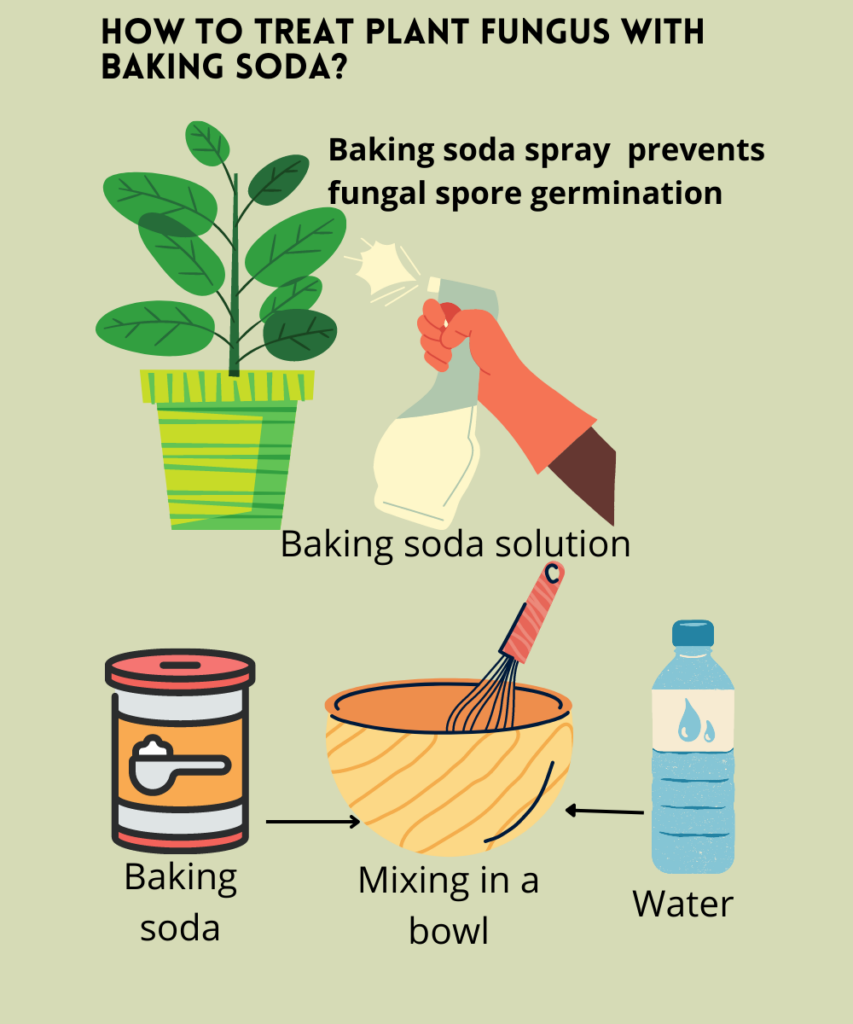
Baking soda, or sodium bicarbonate, has gained attention in the gardening community as a potential fungicide for plants. Its effectiveness in preventing and controlling fungal infections hinges on how it interacts with plant surfaces and the specific conditions in which it is used. When applied correctly, baking soda can help protect plants from common fungal diseases such as powdery mildew, downy mildew, and black spot.
How Does Baking Soda Act as a Fungicide?
Baking soda functions as a fungicide primarily due to its alkaline properties. This change in pH can create an environment less favorable for fungi to thrive. Here are some mechanisms by which baking soda may work:
- pH alteration: Baking soda increases the pH at the leaf surface, inhibiting the growth of fungi.
- Fungal spore prevention: The use of baking soda can deter fungal spores from germinating on the plant.
- Boosting plant resilience: Using baking soda may bolster plant defenses, making them less susceptible to infections.
Recommended Concentration and Application Methods
To use baking soda effectively, it's important to consider the concentration and method of application. The typical recommendation is:
- Mix 1 tablespoon of baking soda with 1 gallon of water for a foliar spray.
- Add a few drops of liquid soap to help the solution adhere to plant surfaces.
- Apply in the late afternoon to avoid leaf burn from sunlight and allow for absorption overnight.
Effectiveness Against Common Plant Diseases
Baking soda can be effective against various plant diseases, particularly:
- Powdery mildew: A common fungal disease that produces white, powdery spots on leaves. Baking soda applications can reduce its spread.
- Black spot: This fungal infection commonly affects roses. Using baking soda can prevent its occurrence.
- Leaf spot diseases: Various leaf spot issues can be alleviated with regular applications of baking soda solutions.
Limitations of Baking Soda as a Fungicide
Despite its benefits, baking soda has certain limitations as a fungicide:
- Not a cure-all: It may not be effective against all fungal pathogens.
- Potential leaf damage: Over-concentration or incorrect application can lead to leaf burn.
- Environmental conditions: Baking soda works best under specific conditions (low humidity and warmth); its effectiveness can diminish in wet climates.
Alternative Natural Fungicides
For gardeners interested in other natural fungicides, several alternatives exist:
- Neem oil: An effective organic fungicide that also acts as an insect repellent.
- Copper fungicide: Provides a broader spectrum of action against various fungal pathogens.
- Garlic spray: Offers anti-fungal properties and can deter pests as well.
Questions from Our Readers
What is the best homemade fungicide for plants?
The best homemade fungicide for plants typically includes baking soda, vinegar, or garlic. A popular recipe involves mixing one tablespoon of baking soda, one teaspoon of dish soap, and a gallon of water. This solution can effectively combat fungal diseases by raising the pH level on the leaf surface, which inhibits fungal growth.
How do I apply homemade fungicide to my plants?
To apply homemade fungicide, use a spray bottle or a garden sprayer, ensuring the mixture is well blended. Thoroughly spray all affected areas of the plants, including the undersides of leaves, preferably in the early morning or late afternoon to avoid burning the plant in direct sunlight.
See also:
How often should I use homemade fungicide?
Homemade fungicide should typically be applied once a week or after heavy rainfall. However, if you notice persistent fungal issues, you may need to increase the frequency to every three to five days until the problem improves.
Are there any precautions I should take when using homemade fungicide?
Yes, it's important to conduct a patch test on a small area of the plant before widespread application, as some plants may react negatively to certain ingredients. Additionally, always use homemade fungicides on non-windy days to prevent drift and ensure the solution lands on the intended plants.

If you want to read more articles like What is the best homemade fungicide for plants? Discover Effective Solutions for Your Garden, we recommend you check out our Garden category.
Leave a Reply
Related Articles