How Long Does a Fungicide Last? Understanding Efficacy and Application for Optimal Results

The effectiveness of fungicides is a critical factor for gardeners, farmers, and agricultural professionals striving to manage fungal diseases in crops. Understanding how long a fungicide lasts can significantly influence application strategies and yield outcomes. This article delves into the various factors that affect the longevity of fungicides, including environmental conditions, formulation types, and application methods. By comprehending these elements, users can optimize their fungicide usage, ensuring maximum efficacy and reducing the risk of resistance development in fungal populations. Join us as we explore essential insights into fungicide lifespan, helping you achieve healthier plants and more productive harvests.
How Long Does a Fungicide Last?
Fungicides are crucial in managing plant diseases caused by fungi, and their longevity depends on several factors, including the type of fungicide used, application method, environmental conditions, and the specific plant species being treated. Generally, most fungicides remain effective for a period ranging from a few days to several weeks after application. Systemic fungicides, which are absorbed by the plant, can offer protection for longer durations, sometimes up to a month or more, while contact fungicides often have a shorter lifespan, needing reapplication after rainfall or irrigation. Factors like temperature, humidity, and UV light exposure can significantly influence the degradation rate of the active ingredients, impacting overall efficacy.
Types of Fungicides
The two primary categories of fungicides are systemic and contact fungicides. Systemic fungicides are taken up by the plant and provide longer-lasting protection since they move within the plant tissues to combat pathogens. In contrast, contact fungicides act on the surface of the plant and need to be reapplied frequently, especially after events like rain. Understanding the differences between these types is essential for effective disease management and for determining how long the product will remain active.
Factors Affecting Fungicide Longevity
Several factors influence the duration that a fungicide remains effective. Environmental conditions, such as temperature, humidity, and rainfall, can accelerate the breakdown of active ingredients. For example, higher temperatures and moisture levels may lead to more rapid degradation, thereby reducing the effectiveness of contact fungicides. Additionally, the formulation of the product, whether it is granular, liquid, or a spray, can also impact how long it lasts on plants.
Application Methods
The method of application can significantly affect how long a fungicide remains effective. For instance, spraying fungicides allows for direct contact with the desired plant parts but may wash off more easily in wet conditions. On the other hand, soil application of systemic fungicides means they can be absorbed and provide long-term protection from within the plant. Proper application timing and techniques can help maximize the longevity of the treatment and its effectiveness.
Reapplication Guidelines
Reapplication guidelines vary based on the active ingredient and the environmental conditions. As a rule of thumb, contact fungicides may require reapplication every 7 to 14 days, especially after rainfall or irrigation. In contrast, systemic fungicides may offer protection for up to 30 days, depending on the formulation and environmental factors. Following the manufacturer’s instructions for reapplication is crucial to maintaining plant health and preventing disease outbreaks.
Common Myths About Fungicide Duration
There are several myths surrounding the duration of fungicides that can lead to improper usage. One common misconception is that once a fungicide is applied, it provides indefinite protection until the next treatment is due. In reality, the effectiveness and duration of fungicide action can be significantly reduced by environmental factors and plant susceptibility. Therefore, it’s essential to monitor plant health and adhere strictly to recommended treatment schedules.
| Fungicide Type | Duration of Effectiveness | Application Method |
|---|---|---|
| Systemic | Up to 30 days | Soil or foliage |
| Contact | 7-14 days | Spray application |
How long does fungicide last?
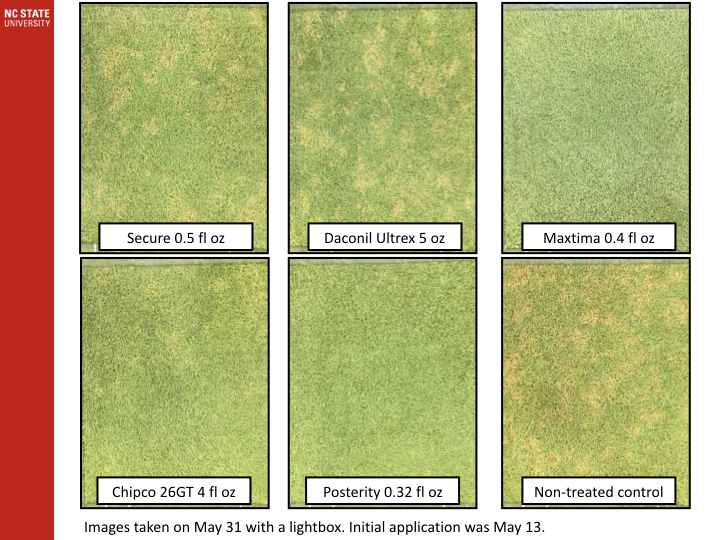
The longevity of fungicide effectiveness can vary significantly depending on several factors. Generally, fungicides can last from a few days to several weeks, with some residual effects being felt for up to a few months. The duration of effectiveness primarily depends on the type of fungicide used, the method of application, environmental conditions, and the specific type of pathogens targeted.
Types of Fungicides and Their Longevity
Different types of fungicides exhibit varying levels of persistence. Here are the main categories:
See also:
- Contact Fungicides: These fungicides remain on the plant's surface and need to be applied regularly, often every 7-14 days for continued protection.
- Systemic Fungicides: These are absorbed by the plant and can provide protection for a longer duration, typically ranging from 2-4 weeks.
- Biological Fungicides: These products, derived from natural organisms, usually have a shorter lifespan of a few days to weeks, depending on environmental conditions.
Environmental Factors Influencing Longevity
The environment plays a crucial role in determining how long fungicides remain effective:
- Moisture Levels: High humidity or rainfall can wash away the fungicide sooner, reducing its effectiveness.
- Temperature: Extreme temperatures can degrade the chemical compounds faster, thus shortening their lifespan.
- Sunlight Exposure: UV radiation can break down certain fungicides, especially those that are contact types.
Application Methods and Their Impact
How fungicides are applied can significantly influence their longevity:
- Foliar Spraying: This method provides a quick application but may require more frequent reapplications.
- Soil Drenching: This method generally provides longer-lasting protection, as the fungicide is absorbed through the root system.
- Granular Applications: These can offer extended protection, as they release fungicidal compounds gradually over time.
Target Pathogen and Resistance
Different pathogens respond differently to fungicides, affecting their longevity:
- Fungicide Resistance: Some pathogens can develop resistance, which may require the use of different products more frequently.
- Type of Fungal Infection: Pathogens with a more aggressive growth cycle might necessitate more frequent applications.
- Secondary Infections: If secondary infections occur, a new application may be needed, potentially shortening the effectiveness of the existing treatment.
Best Practices for Maximizing Effectiveness
To ensure that fungicides last as long as possible, consider the following best practices:
- Follow Label Instructions: Always adhere to the manufacturer’s guidelines for dosage and timing.
- Monitor Weather Conditions: Apply fungicides ahead of rain or other adverse weather events to maximize effectiveness.
- Rotate Products: Using different fungicides can help prevent resistance and ensure longer overall protection.
Do fungicides have an expiration date?
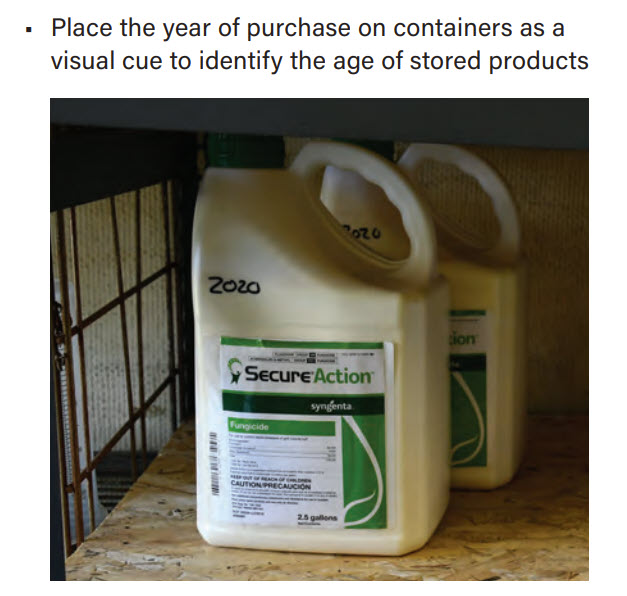
Yes, fungicides do have an expiration date. Like many other chemical products, fungicides are formulated to maintain their effectiveness for a certain period. Over time, the active ingredients in these products can break down or become ineffective, which can lead to poor results in controlling fungal diseases. The expiration date is usually indicated on the label of the product, and it is essential to adhere to this date to ensure optimal performance.
Understanding Fungicide Labels
Fungicide labels provide critical information about the product, including its active ingredients, usage instructions, and expiration date. It's essential to read the label carefully for the following reasons:
- Active Ingredients: These chemicals are responsible for the fungicidal activity, and their potency can diminish over time.
- Storage Instructions: Proper storage can extend the life of the fungicide, so adhering to label recommendations is crucial.
- Application Guidelines: The label typically suggests a timeframe for best use, correlating with the product's effectiveness.
Factors Affecting Shelf Life
The shelf life of fungicides can be influenced by various factors, including:
- Temperature: High temperatures can accelerate the breakdown of chemicals, leading to reduced potency.
- Humidity: Excess moisture can affect the product's stability and increase the risk of fungal contamination.
- Container Integrity: Damage to the container can expose the product to air and moisture, which may compromise its effectiveness.
Proper Storage Practices
To maximize the shelf life of fungicides, consider the following storage practices:
- Cool Environment: Store fungicides in a cool, dry place to minimize the risk of degradation.
- Original Containers: Always keep fungicides in their original containers to maintain labeling and minimize contamination risk.
- Secured Location: Store products away from children and pets to ensure safety and prevent accidental exposure.
Signs of Expired Fungicides
Using expired fungicides can lead to ineffective treatment of plants and crops. Here are some signs that a fungicide may be expired:
See also:
- Discoloration: Changes in color, such as browning, may indicate chemical breakdown.
- Unusual Odors: Any off-putting smells could suggest that the product has gone bad.
- Settling or Separation: If the product has separated or settled in the container, it may not work effectively.
Disposal of Expired Fungicides
It is crucial to dispose of expired fungicides responsibly to avoid environmental harm. Consider these disposal methods:
- Local Regulations: Check local guidelines for hazardous waste disposal, as fungicides may have specific disposal requirements.
- Not in Trash: Never throw away expired fungicides in regular trash; they can contaminate landfills.
- Follow Manufacturer Guidance: Check the product label for recommended disposal procedures specific to the fungicide.
How often can you put down fungicide?
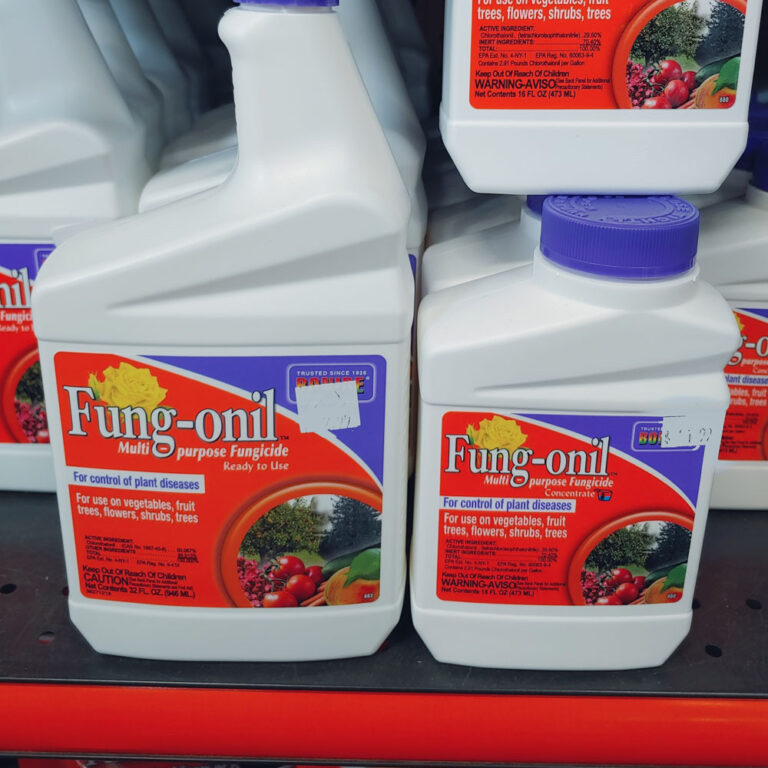
To determine how often fungicide can be applied, it is essential to consider several factors, including the type of fungicide used, the specific disease being targeted, and local environmental conditions. Generally, fungicides can be applied at intervals ranging from 7 to 21 days depending on these variables. Always follow the manufacturer’s recommendations on the product label, as they provide specific guidelines tailored for optimal effectiveness.
Understanding Different Types of Fungicides
Fungicides can be categorized into two main types: contact and systemic. Contact fungicides remain on the surface of the plant and must be applied more frequently, while systemic fungicides are absorbed and distributed throughout the plant, offering longer-lasting protection.
- Contact fungicides may require reapplication every 7 to 10 days.
- Systemic fungicides can often be applied every 14 to 21 days.
- Choose the type based on the life cycle of the disease you are combating.
Factors Affecting Application Frequency
Several factors impact how often fungicide should be applied, including the growth stage of the plant, weather conditions, and the severity of the disease. It's crucial to monitor these factors to adjust the application frequency effectively.
- Growth stage: Young plants generally require more frequent applications.
- Weather conditions: Wet and humid conditions may promote disease and necessitate more frequent treatments.
- Evaluate the severity of the disease to determine urgency in reapplication.
Application Guidelines
When applying fungicides, adhere to recommended guidelines to ensure both plant health and safety. It's vital to use the correct dilution rates and to avoid over-application, which can lead to resistance or phytotoxicity.
- Always read and follow the label instructions precisely.
- Consider rotating between different fungicides to reduce the risk of resistance.
- Monitor plants for signs of disease before deciding on a reapplication schedule.
Integrated Pest Management (IPM) Strategies
Utilizing fungicides as part of an Integrated Pest Management (IPM) strategy enhances disease management effectiveness and sustainability. This approach includes cultural, biological, and mechanical control methods.
- Incorporate cultural practices, such as crop rotation and proper sanitation.
- Use biological controls like beneficial fungi or bacteria to minimize disease occurrence.
- Apply fungicides as a last resort or in conjunction with other management practices.
Seasonal Considerations
The time of year can significantly influence the frequency of fungicide applications. During peak disease seasons, increased vigilance and more frequent applications might be warranted.
- Monitor for conditions that are conducive to disease, typically in spring and fall.
- Increase application frequency during times of high humidity and moisture.
- Be aware of the local climate as it affects disease cycles and fungicide efficacy.
Questions from Our Readers
How long does a fungicide remain effective?
The effectiveness of a fungicide can vary based on its formulation, the type of fungus it targets, and environmental conditions. Generally, most fungicides last from a few days to several weeks after application. It is important to check the product label for specific information regarding duration.
Does rainfall affect the longevity of fungicides?
Yes, rainfall can significantly impact the longevity of fungicides. If it rains shortly after application, the effectiveness may be reduced, as the water can wash away the chemical. Many products are designed to be rainfast after a certain period, typically 24 hours, so it’s crucial to consider weather conditions before treatment.
See also:
Can I reapply fungicide too frequently?
Reapplication of fungicides should be done according to the product instructions. Over-application can lead to the development of resistant fungi and may harm beneficial microorganisms in the soil. Always follow the recommended intervals for reapplication to ensure effective disease control.
How can environmental factors influence fungicide duration?
Environmental factors such as temperature, humidity, and sunlight can greatly influence how long a fungicide remains effective. High temperatures and intense sunlight can degrade fungicides more quickly, while high humidity may increase the persistence of some chemicals. Be aware of these factors when planning your applications for optimal results.

If you want to read more articles like How Long Does a Fungicide Last? Understanding Efficacy and Application for Optimal Results, we recommend you check out our Garden category.
Leave a Reply
Related Articles