When Should You Not Use Copper Fungicide? Essential Tips for Safe Gardening
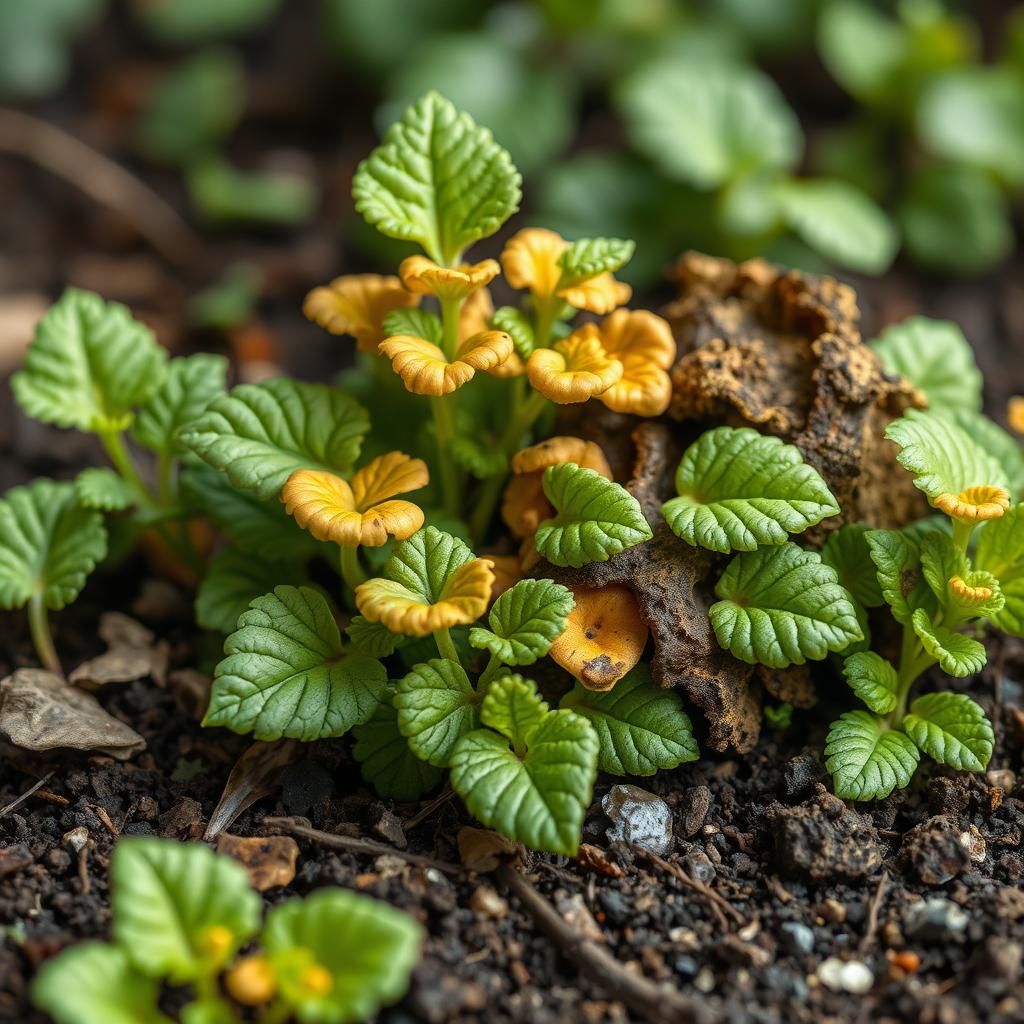
Copper fungicide is a popular choice among gardeners for its effectiveness against various fungal diseases. However, it’s not always the best solution. Understanding when not to use copper fungicide is crucial for maintaining a healthy garden ecosystem. Certain situations, such as improper timing, plant sensitivity, and environmental conditions, can render its application detrimental rather than beneficial. In this article, we will explore essential tips to guide gardeners in making informed decisions about copper fungicide use, ensuring that both plants and the surrounding environment thrive. Discover how to safeguard your garden while still managing fungal threats effectively.
When Should You Avoid Using Copper Fungicide?
Using copper fungicide is beneficial for controlling various fungal diseases in plants, but there are specific situations where it should be avoided to prevent potential harm to the plants and the environment. Copper fungicide can be phytotoxic, meaning it may cause damage to sensitive plants, particularly those that are young or stressed. Additionally, it should not be used during hot weather or under high humidity, as these conditions can increase the risk of plant injury and decrease the fungicide's effectiveness. Furthermore, copper can accumulate in the soil over time, potentially leading to toxicity for some plants and organisms, making it important to assess soil conditions before application. Lastly, if you are growing plants that are particularly sensitive to copper, such as phlox and other species, it’s advisable to seek alternative treatment options.
Environmental Considerations
Applying copper fungicide indiscriminately can have adverse effects on the environment. Copper compounds can leach into waterways, where they may harm aquatic life. The accumulation of copper in the soil also poses risks to beneficial soil organisms, potentially disrupting the ecosystem. Therefore, it is essential to consider environmental factors and opt for targeted treatment methods when dealing with fungal issues.
Plant Sensitivity
Certain plants are particularly sensitive to copper fungicides, which can lead to phytotoxicity. Species like azaleas, honeysuckles, and many young or stressed plants can suffer damage from copper application. Before using copper fungicides, it is crucial to verify whether the specific plant species in your garden is known to tolerate or react adversely to copper applications.
Weather Conditions
The application of copper fungicide during certain weather conditions can intensify the likelihood of plant damage. High temperatures, intense sunlight, or high humidity levels can lead to increased leaf burn or phytotoxic effects. Ideally, copper treatments should be applied during cooler parts of the day and not right before weather events such as heavy rain.
Soil Accumulation
Copper residues can accumulate in the soil over time, leading to potential toxicity for non-target plants and soil organisms. Applying copper fungicides repeatedly raises the risk of buildup, which can affect future planting. Therefore, it is critical to evaluate existing soil conditions and copper levels before making additional treatments to prevent long-term soil health issues.
Regulatory Guidelines
Local regulations and guidelines may restrict the use of copper fungicides due to their environmental impact or regulate their application based on specific plant types. Checking with local agricultural authorities and understanding these regulations can help garden caretakers make informed decisions about when and how to use copper-based products responsibly.
| Condition | Recommendation |
|---|---|
| High Temperatures | Avoid using during the hottest part of the day. |
| High Humidity | Skip application in conditions of high humidity to prevent damage. |
| Soil Sensitivity | Check for copper accumulation in the soil. |
| Sensitive Plant Species | Research plant species for potential sensitivity to copper. |
| Local Regulations | Consult local regulations regarding copper fungicide usage. |
What are the disadvantages of copper fungicide?
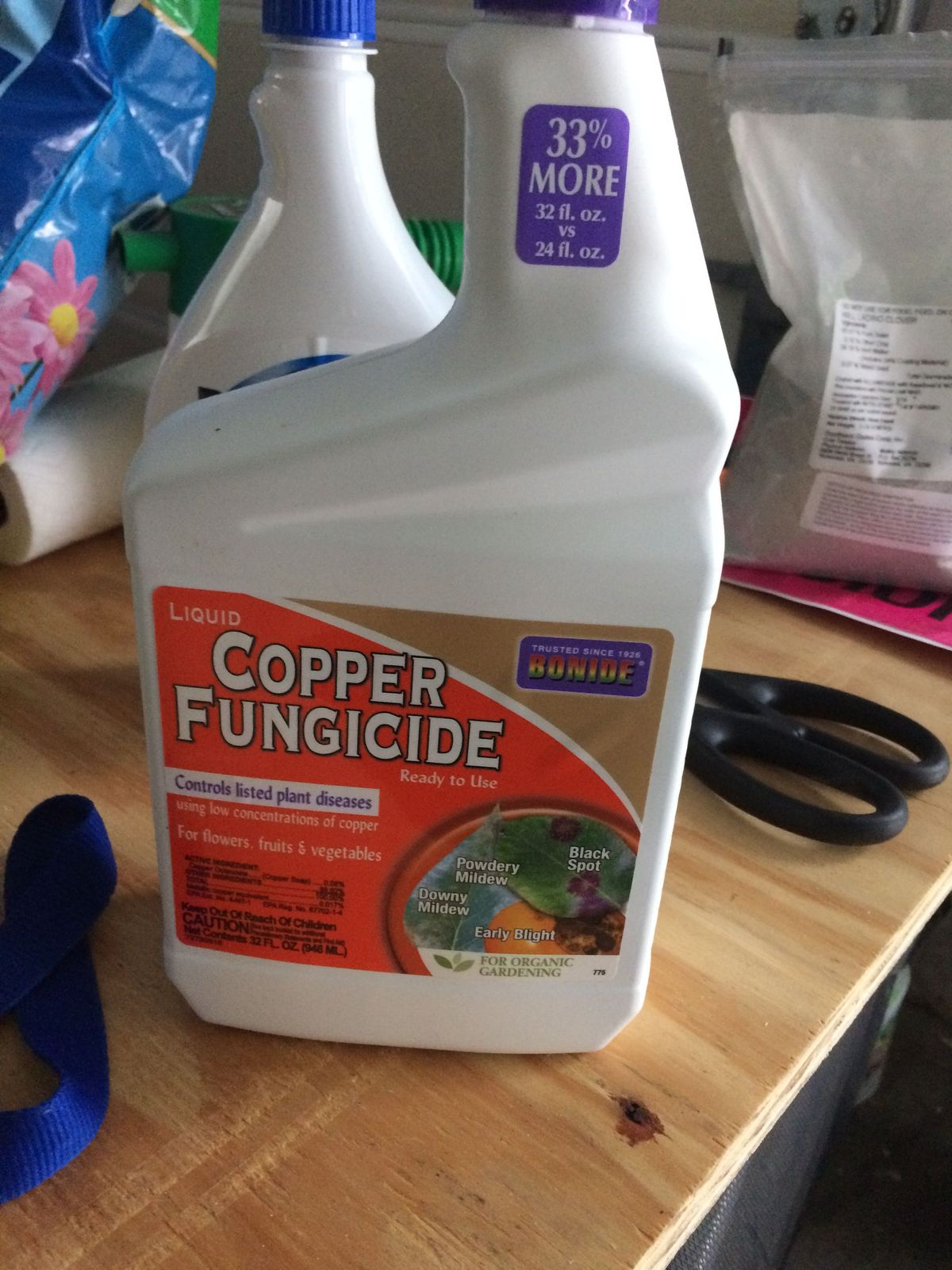
Copper fungicide is widely used in agriculture for its efficacy in controlling a variety of plant diseases. However, it is important to consider several disadvantages associated with its use:
1. Environmental Impact
Copper fungicide can pose significant risks to the environment. Its application can lead to the accumulation of copper in soil and water bodies, potentially harming aquatic life.
- Soil Toxicity: Excessive copper concentrations can disrupt soil microbial communities, adversely affecting soil health.
- Water Contamination: Runoff from treated areas can lead to copper pollution in nearby streams and rivers, impacting freshwater ecosystems.
- Bioaccumulation: Copper can accumulate in aquatic organisms, leading to toxic effects up the food chain.
2. Plant Toxicity
While copper is an essential micronutrient for plants, high concentrations can result in phytotoxicity, causing harm to crops.
- Chlorosis: High levels of copper can cause leaves to turn yellow, indicating nutrient imbalances.
- Necrosis: In severe cases, copper toxicity can lead to leaf death, significantly affecting plant health and yield.
- Reduced Growth: Plants exposed to high copper levels may exhibit stunted growth and reduced overall vigor.
3. Resistance Development
The repeated use of copper fungicides can lead to the development of resistance in fungal populations.
- Fungal Resistance: Some pathogens may become resistant to copper, rendering fungicides ineffective against certain diseases.
- Limited Effectiveness: As resistance develops, growers may find it increasingly difficult to manage fungal infections.
- Diversification of Products: This necessitates the use of other fungicides, leading to increased costs and potential environmental impact from alternative chemicals.
4. Regulatory Restrictions
Due to its potential negative impacts, the use of copper fungicides is subject to various regulatory measures in many regions.
See also:
- Usage Restrictions: Some countries impose strict limits on the quantities and frequency of copper applications.
- Labeling Requirements: Growers must adhere to specific guidelines, increasing the complexity of usage.
- Market Limitations: Organic certification bodies may restrict or prohibit the use of copper fungicides, limiting market access for producers.
5. Economic Costs
The use of copper fungicides may entail significant economic costs for farmers, influencing their overall productivity and profitability.
- Application Costs: The expense associated with purchasing and applying copper fungicides can strain budgets.
- Labor Costs: Increased labor may be required for application and monitoring of copper levels in soils.
- Market Value: Potential damage to crops from copper toxicity can lead to reduced marketability and lower income for growers.
Can you use copper fungicide on all plants?

Copper fungicide is a versatile agricultural product used to control fungal diseases in various plants. However, its use is not universal across all plant species due to varying sensitivities and potential phytotoxic effects.
Understanding Copper Fungicide
Copper fungicide works by releasing copper ions that inhibit the growth of fungi. It is commonly used in organic gardening and is effective against a range of pathogens, including powdery mildew, blight, and rusts.
- Forms Available: It is available in different formulations such as liquid, powder, and dust.
- Mechanism of Action: Copper ions disrupt enzymes in fungal cells, preventing their growth and reproduction.
- Safety Regulations: Always check local regulations regarding its usage, as some areas have restrictions.
Plants Sensitive to Copper Fungicide
Some plants may exhibit sensitivity to copper fungicides, leading to damage or reduced growth. It is crucial to be aware of which species are more susceptible to avoid unintended harm.
- Azaleas: These ornamental plants can suffer from leaf burn when exposed to copper.
- Tomatoes: Copper can cause damage if used in high concentrations, leading to yellowing leaves.
- Peppers: Similar to tomatoes, peppers may show signs of stress, impacting their yield.
Plants That Can Tolerate Copper Fungicide
Many plants tolerate copper fungicides well, especially when applied correctly. Understanding these plants can help in effective disease management.
- Fruit Trees: Species such as apples and pears can benefit from copper without adverse effects.
- Certain Vegetables: Crops like cabbage and broccoli often show good resistance to copper treatments.
- Ornamental Grasses: These can generally handle copper applications without significant damage.
Application Guidelines for Copper Fungicide
To ensure effective use of copper fungicide, following proper application guidelines is essential. This minimizes the risk of toxicity while maximizing disease control.
- Correct Timing: Apply during dry weather and when fungal diseases are first noticed.
- Mixing Instructions: Always follow label instructions for mixing rates to prevent phytotoxicity.
- Frequency of Application: Limit applications to avoid cumulative copper toxicity in the soil and plants.
Environmental Impact of Copper Fungicide
The use of copper fungicide can have environmental consequences, making it crucial to understand these effects before widespread application.
- Soil Health: Excessive copper can lead to soil toxicity affecting beneficial microorganisms.
- Water Contamination: Runoff can introduce copper into water systems, posing risks to aquatic life.
- Plant Uptake: High copper levels may accumulate in edible plants, posing a risk to human consumption.
What time of day is best to apply copper fungicide?

Applying copper fungicide at the right time of day can significantly enhance its effectiveness in controlling fungal diseases. The optimal time is generally early morning or late afternoon. During these times, temperatures are cooler, and humidity levels are often higher, which helps to improve the fungicide's performance on plants.
The Benefits of Morning Applications
Applying copper fungicide in the morning has several advantages:
- Cooler Temperatures: Morning temperatures are usually lower, which can minimize the risk of plant shock.
- Optimal Humidity: The natural humidity in the early morning can help the fungicide adhere to plant surfaces better.
- Less Wind: Morning conditions tend to be calmer, reducing the chances of drift, which can lead to wastage or damage to non-target plants.
Importance of Late Afternoon Applications
Late afternoon is another good time for applying copper fungicide due to:
- Reducing Heat Stress: Plants are less stressed from heat, allowing them to absorb the fungicide more effectively.
- Evening Dew: The potential for dew formation in the late afternoon can also aid in the absorption of the fungicide.
- Minimal Evaporation: Cooler evening temperatures reduce the likelihood of the product evaporating before it can do its job.
Avoiding Midday Applications
Midday is typically not recommended for applying copper fungicide because:
See also:
- High Temperatures: The heat can cause plant stress and can lead to the fungicide evaporating quickly.
- Increased Risk of Burn: Applying during the hottest part of the day can potentially burn sensitive plant tissues.
- Lower Humidity: Reduced humidity at this time can decrease the effectiveness of the application.
Weather Considerations
Weather plays a crucial role in determining the best time for application:
- Wind Conditions: Always choose a time when wind speeds are low to minimize drift and ensure targeted application.
- Rain Forecast: Check for rain forecasts; apply if rain is not expected within 24 hours to allow the fungicide to dry effectively.
- Humidity Levels: Higher humidity in the morning or late afternoon creates better conditions for application.
Frequency of Application
Determining how often to apply copper fungicide depends on several factors:
- Fungal Pressure: High levels of fungal diseases necessitate more frequent applications, ideally during cooler parts of the day.
- Crop Type: Different crops may have varying tolerances and absorption rates, influencing the timing of applications.
- Product Instructions: Always follow the manufacturer's guidelines on frequency and timing for the best results.
Does rain wash off copper fungicide?
Copper fungicides are widely used in agriculture and gardening to control fungal infections on plants. However, one common concern among gardeners is whether rainfall can wash away these treatments, rendering them ineffective. The answer is that yes, rain can wash away copper fungicide, but the extent to which it does depends on several factors, including the timing of application, the type of formulation used, and the amount of rainfall.
The effectiveness of the fungicide diminishes particularly if rain occurs shortly after application. Generally, it is recommended to allow copper fungicide to dry on the plant surface for at least 24 hours before expecting it to be rain-resistant. This drying time helps to create a more robust bond between the fungicide and the plant surfaces, increasing its efficacy despite exposure to rain.
Factors Influencing Efficacy After Rain
The effectiveness of copper fungicide can vary based on several key factors:
- Application Timing: Applying fungicide just before rainfall can lead to significant wash-off.
- Product Formulation: Some formulations, like granules, may be less affected by rain than liquid sprays.
- Rainfall Amount: Light rains may wash off some of the fungicide, while heavy downpours can wash it away entirely.
Rainfastness of Copper Fungicides
Rainfastness is a crucial characteristic that determines how well a fungicide performs after exposure to moisture.
- Definition: Rainfastness refers to the time needed for a pesticide to adhere to the plant surfaces before it can withstand rain.
- General Guidelines: Most manufacturers suggest waiting at least 2-4 hours after application before rainfall.
- Testing Rainfastness: To determine effectiveness, consider the weather forecast and perform a rainfastness test on a small area.
Best Practices for Applying Copper Fungicide
Adhering to best practices can enhance the effectiveness of copper fungicide:
- Check Weather Conditions: Always monitor forecasted weather for a few days before and after application.
- Apply During Dry Periods: Choose a time when rain is not expected for at least 24 hours.
- Use Correct Dosage: Follow the manufacturer's instructions for optimal coverage and effectiveness.
Post-application Care and Considerations
After applying copper fungicide, certain care routines can help maintain its effectiveness:
- Avoid Irrigation: Try not to water the plants after application for a designated period.
- Inspect Regularly: Look for signs of fungal infection and consider reapplication if necessary.
- Consider Combining Treatments: Use with other control methods for enhanced protection against fungal diseases.
Alternatives to Copper Fungicide
If rain is a significant concern, there are alternative treatments to consider:
- Organic Fungicides: Many natural products can provide similar benefits without the same wash-off risk.
- Systemic Fungicides: Unlike contact fungicides, these penetrate the plant tissues and are less affected by rain.
- Preventative Measures: Employ good cultural practices like crop rotation and resistant varieties to reduce reliance on fungicides.
Questions from Our Readers
When should you not use copper fungicide on vegetables?
Using copper fungicide on vegetables is generally not recommended during fruiting stages or when the temperatures are above 85°F (29°C), as it can cause phytoxicity and harm the plants. Additionally, it should be avoided on sensitive varieties that are prone to damage from copper.
Can copper fungicide harm beneficial insects?
Yes, copper fungicide can adversely affect beneficial insects such as bees and ladybugs, especially when applied during their active periods. It's best to apply it early in the morning or late in the evening to minimize the impact on these important pollinators.
Is it safe to use copper fungicide during rainy weather?
No, it is not advisable to use copper fungicide during rainy conditions, as excessive moisture can lead to runoff and reduce the effectiveness of the treatment. Additionally, rainfall can increase the risk of copper toxicity to plants.
See also:
Should copper fungicide be applied the day before harvest?
It is generally not recommended to apply copper fungicide the day before harvest, as residues may remain on the crops, potentially affecting their quality and safety for consumption. It's best to follow the manufacturer's guidelines regarding pre-harvest intervals to ensure safety.

If you want to read more articles like When Should You Not Use Copper Fungicide? Essential Tips for Safe Gardening, we recommend you check out our Garden category.
Leave a Reply
Related Articles