What is a Flower Garden Called? Discover the Different Types and Their Names
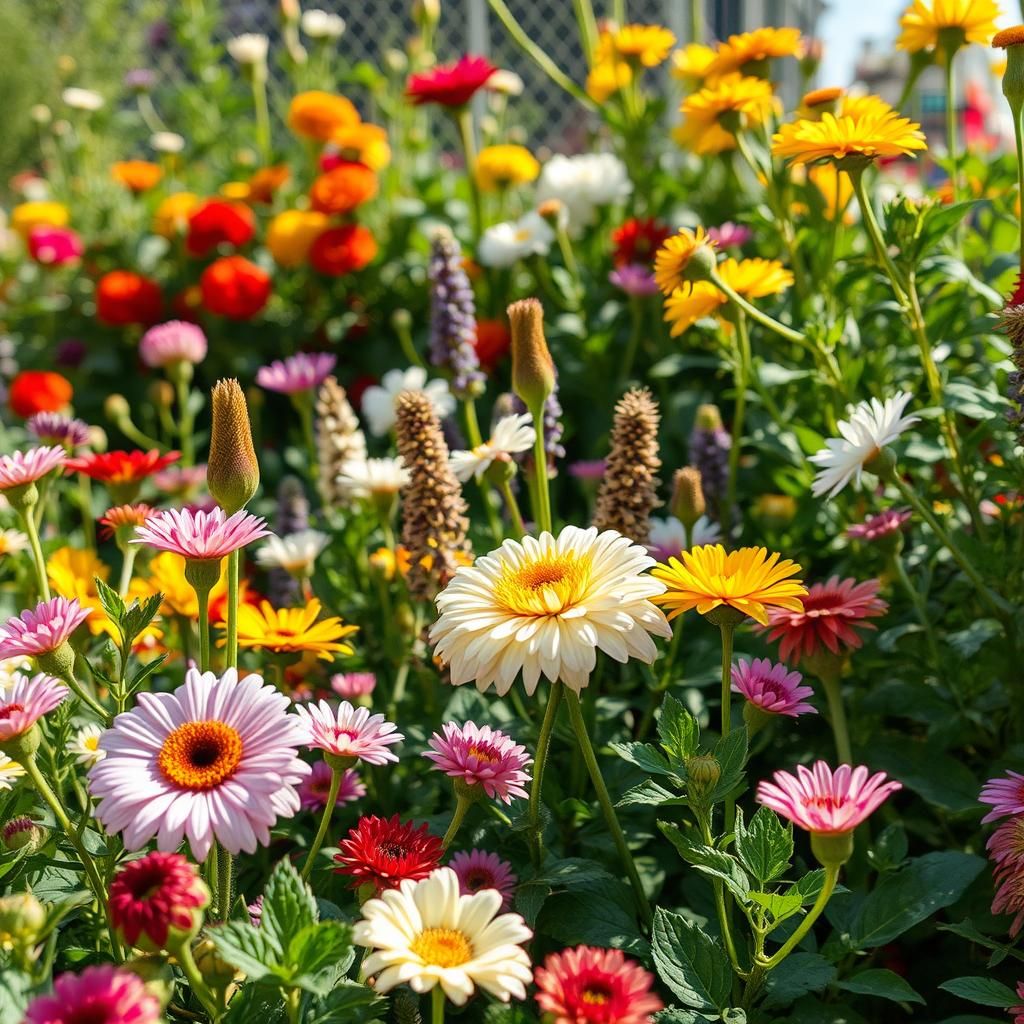
A flower garden is a vibrant expression of nature's beauty, combining various plants and floral species to create a captivating landscape. These gardens come in many forms, each with its unique characteristics and charm. From traditional cottage gardens brimming with colorful blooms to modern landscaped spaces designed for minimal maintenance, understanding the different types of flower gardens can enhance your appreciation and knowledge of these green sanctuaries. In this article, we will explore the various names and classifications of flower gardens, shedding light on their specific features and the gardening techniques that make them flourish.
What Is a Flower Garden Called?
A flower garden is commonly referred to as a bloom garden or simply a garden of flowers. This specific type of garden is designed primarily for the cultivation and display of flowering plants. Typically, such gardens can be found in public parks, private residences, or botanical gardens and are characterized by their colorful and fragrant blooms that attract various pollinators. The arrangement of plants is often carefully planned to create visual harmony and an aesthetic appeal, emphasizing the seasonal variations of flowers as they bloom at different times throughout the year.
Types of Flower Gardens
There are several types of flower gardens, each with its unique style and purpose. Among them are annual flower gardens, which consist of plants that bloom for a single growing season, and perennial gardens, featuring plants that return year after year. Additionally, there are cottage gardens, known for their informal and dense plantings of assorted flowers and herbs, and formal gardens, which emphasize symmetry and geometric design. Each type of flower garden can serve various purposes, from attracting pollinators to providing a tranquil space for relaxation.
Common Flowers in a Flower Garden
A variety of common flowers can be found in a flower garden, each contributing its beauty and fragrance. Popular choices include roses, known for their diverse colors and fragrances, tulips, appreciated for their elegant shape and early spring blooms, and daisies, which bring a simple charm to the garden. Other favorites include sunflowers, recognized for their tall stature and vibrant yellow petals, and lavender, valued for its soothing aroma and rich purple flowers. These flowers not only enhance the visual aspects of the garden but also attract beneficial insects.
Benefits of Having a Flower Garden
Having a flower garden offers numerous benefits, both for the gardener and the surrounding environment. Flower gardens can enhance outdoor aesthetics, providing a peaceful retreat that encourages relaxation and mindfulness. They also support local biodiversity, attracting pollinators such as bees and butterflies that play a crucial role in the ecosystem. Furthermore, gardening can serve as a physical activity that promotes well-being and mental health, reducing stress and boosting mood through the therapeutic nature of working with plants.
Designing a Flower Garden
Designing a flower garden requires careful consideration of various factors, including location, light exposure, and soil type. It’s essential to choose flowers that thrive in the specific conditions of the garden space, such as sun-loving plants for well-lit areas or shade-tolerant species for darker spots. Planning the garden layout, which may include color schemes and height variations among plants, can help create a visually appealing display. Incorporating pathways, seating areas, and decorative elements can further enhance the garden’s aesthetic and functional appeal.
Maintenance of Flower Gardens
Maintaining a flower garden involves several crucial tasks to ensure the health and vibrancy of plants. Regular watering, especially during dry periods, is vital for flower health, along with appropriate fertilization to provide necessary nutrients. Weed control is also essential, as unwanted plants can compete for resources. Additionally, deadheading spent blooms encourages further flowering and keeps the garden looking tidy. Pruning and managing plant diseases and pests are also important aspects of maintenance that help the garden thrive throughout the seasons.
| Garden Type | Description |
|---|---|
| Annual Flower Garden | Features plants that bloom only for one season. |
| Perennial Garden | Contains plants that return each year. |
| Cottage Garden | Known for its informal, dense planting of assorted flowers. |
| Formal Garden | Emphasizes symmetry and geometric patterns in design. |
What is a synonym for flower gardening?

A synonym for flower gardening is floriculture. Floriculture is the science and art of growing flowering and ornamental plants. This practice encompasses a wide range of activities including the cultivation of plants for gardens, landscaping, and floral arrangements. Floriculture focuses on the aesthetic and functional aspects of growing flowers and plants, blending horticultural techniques with design.
Importance of Floriculture
Floriculture plays a crucial role in both the environment and the economy. The significance includes:
See also:
- Environmental Impact: Floriculture helps improve air quality, supports biodiversity, and can contribute to climate regulation.
- Economic Benefits: The floriculture industry generates jobs and revenue through the production, distribution, and retail of plants and flowers.
- Aesthetic Value: Floral arrangements and gardens enhance the visual appeal of public and private spaces, promoting mood and well-being.
Types of Flower Gardening
There are various forms of flower gardening that cater to different preferences and environmental conditions. The main types are:
- Annual Flower Gardening: Focuses on planting flowers that complete their life cycle in one season, offering vibrant blooms annually.
- Perennial Flower Gardening: Involves growing flowers that live for multiple years, providing a stable landscape that blooms season after season.
- Container Flower Gardening: Utilizes pots and containers for flowers, allowing for flexibility in design and easy relocation as needed.
Techniques in Floriculture
The practice of floriculture employs various techniques to ensure the successful growth and maintenance of plants. Key techniques include:
- Soil Management: Involves selecting the appropriate soil type, enhancing it with fertilizers and organic matter to promote healthy growth.
- Watering Practices: A critical aspect that ensures plants receive adequate hydration without causing waterlogging or drought.
- Pest Control: Entails using natural or chemical means to prevent and manage pests that can harm flowering plants.
Choosing the Right Flowers
Selecting the right flowers for gardening is essential to achieve desired results and enjoyment. Considerations include:
- Climate Compatibility: Choose flowers that thrive in your local climate to ensure optimal growth and blooming times.
- Color Schemes: Consider harmonious color combinations that suit personal preferences and enhance garden aesthetics.
- Blooming Seasons: Select a variety of flowers that bloom at different times to maintain a vibrant garden throughout the year.
Floriculture and Sustainability
Sustainability is increasingly vital in floriculture practices. Key aspects include:
- Organic Practices: Many growers are shifting towards organic gardening methods to minimize environmental impact and preserve biodiversity.
- Water Conservation: Implementing techniques like drip irrigation can greatly reduce water usage and promote sustainability.
- Native Plant Usage: Growing native flowers that are well-adapted to the local ecosystem supports wildlife and reduces maintenance efforts.
What are the three types of garden?

The three types of gardens are formal gardens, informal gardens, and vegetable gardens. Each type has distinct characteristics that make it unique and appealing to different gardeners.
Formal Gardens
Formal gardens are characterized by their symmetrical designs, clear geometric shapes, and very organized layouts. These gardens often feature pathways, hedges, and sculptures, creating a sense of order and refinement. The use of topiary and clipped plants is common to maintain structure.
- Design: Formal gardens often have a fixed design that does not change with the seasons. This includes a specific layout of flower beds, walking paths, and often features symmetrical arrangements.
- Materials: Common materials involve brick or stone paths and neatly trimmed hedges. Water features such as fountains or ponds can also be incorporated to enhance the aesthetic appeal.
- Plant Selection: Plants in formal gardens are usually selected for their shapes and colors, emphasizing order and consistency, often utilizing boxwoods, lavender, and perennial flowers.
Informal Gardens
Informal gardens contrast sharply with formal gardens, focusing on a more natural and relaxed appearance. These gardens often develop organically, allowing plants to grow freely and intermingle, creating a rich tapestry of color and texture.
- Design: Informal gardens are laid out without strict geometric patterns, embracing a sense of chaos and unpredictability. Paths are often winding and can be made of gravel, mulch, or natural stone.
- Plant Selection: A wide variety of native and non-native plants are encouraged to grow, including wildflowers, shrubs, and perennials, which create habitat for wildlife and promote biodiversity.
- Maintenance: Maintenance is typically less intensive in informal gardens, with less frequent pruning or shaping. The aim is to allow plants to flourish in their natural forms.
Vegetable Gardens
Vegetable gardens are designed for growing a variety of edible plants, providing a sustainable and rewarding gardening experience. These gardens can range in size and complexity but share the common goal of producing fresh vegetables for consumption.
- Design: Vegetable gardens can be laid out in rows, raised beds, or even containers, allowing for efficient space utilization. Companion planting is often employed to maximize yield and pest control.
- Crop Rotation: This practice is critical in vegetable gardening to maintain soil fertility and reduce pests and diseases. Rotating crops each season helps replenish nutrients in the soil.
- Seasonality: Understanding the growing seasons is vital, as different vegetables thrive in varying conditions. This includes planting cool-season crops in spring and fall, and warm-season crops in summer.
What is a public flower garden called?


A public flower garden is commonly referred to as a botanical garden or simply a flower garden. These gardens are specifically designed to display a wide variety of plants, particularly flowers, and often serve educational, recreational, and aesthetic purposes. Botanical gardens typically focus on the conservation, study, and display of plants within a specific geographical area or plant family.
What is a Botanical Garden?
A botanical garden is an institution that maintains a collection of living plants for scientific, educational, and ornamental purposes. These gardens often feature a diverse range of species, including native and exotic plants. The primary objectives of a botanical garden include plant conservation, research, and public education, contributing to environmental sustainability and biodiversity awareness.
- Conservation of endangered species.
- Research on plant biology and ecology.
- Public education through workshops and tours.
History of Botanical Gardens
The concept of botanical gardens dates back to ancient civilizations, where medicinal plants were cultivated for practical use. Over the centuries, these gardens evolved into more structured systems, incorporating scientific research and public engagement as key components. Notable historic gardens, such as the Orto Botanico in Italy, played vital roles in the development of modern botany and horticulture.
- Ancient civilizations cultivated medicinal plants.
- Renaissance gardens emphasized scientific study.
- Modern botanical gardens focus on conservation and education.
Features of a Public Flower Garden
Public flower gardens typically consist of diverse plant collections, horticultural designs, and educational signage. Visitors can enjoy leisure activities while learning about various species and their roles in the ecosystem. Key features often include themed sections, seasonal displays, and interactive areas, enhancing the overall visitor experience.
- Themed exhibits showcasing specific plant types.
- Interactive displays for hands-on learning.
- Seasonal flower displays for visual appeal.
Benefits of Public Flower Gardens
Public flower gardens offer numerous benefits to both individuals and communities. They provide natural spaces for relaxation and recreation, promote mental well-being, and serve as vital habitats for wildlife. Additionally, they play an essential role in educating the public about environmental stewardship and conservation efforts.
- Improved mental health through green spaces.
- Promotion of biodiversity in urban areas.
- Educational opportunities for students and visitors.
Examples of Notable Public Flower Gardens
There are countless public flower gardens worldwide, each with its unique features and collections. Some renowned examples include the Keukenhof in the Netherlands, famous for its tulip displays, and the Royal Botanic Gardens in Kew, London. These gardens attract millions of visitors each year, showcasing the beauty and diversity of plant life.
- Keukenhof: Known for its stunning tulip displays.
- Royal Botanic Gardens, Kew: A UNESCO World Heritage Site.
- Longwood Gardens in the USA: Famous for its landscape designs.
Questions from Our Readers
What is a flower garden called?
A flower garden is commonly referred to as a flowerbed or simply a garden. However, in specific contexts, terms like botanical garden or flower patch can also be used depending on the design and purpose of the garden.
What types of flower gardens are there?
There are several types of flower gardens, including annual gardens, which feature flowers that bloom for one season, and perennial gardens, which contain plants that come back year after year. Other types include cottage gardens, rock gardens, and formal gardens, each with distinct layouts and plant selections.
How do you maintain a flower garden?
Maintaining a flower garden involves several key practices, such as regular watering, weeding, and fertilizing to ensure optimal growth. Additionally, it's important to prune and deadhead plants, which helps promote new blooms and maintain the garden's overall appearance.
What are the benefits of having a flower garden?
Having a flower garden offers numerous benefits, including enhancing aesthetic appeal, attracting pollinators like bees and butterflies, and providing a therapeutic space for relaxation and enjoyment. Flower gardens can also contribute to biodiversity and improve the local ecosystem by supporting various wildlife species.
See also:

If you want to read more articles like What is a Flower Garden Called? Discover the Different Types and Their Names, we recommend you check out our Garden category.
Leave a Reply
Related Articles