What to Do When You Don't Have a Garden? Creative Alternatives for Green Living
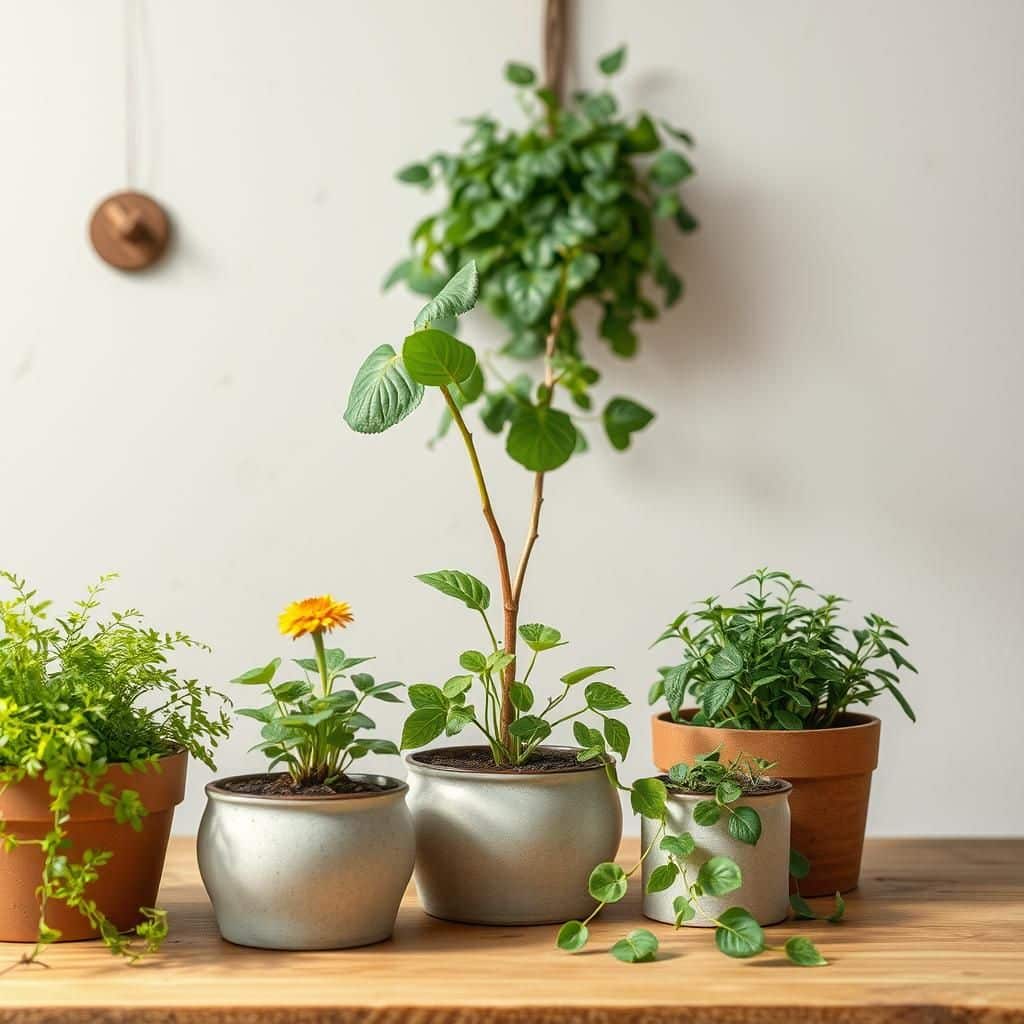
In today's urbanized world, many people find themselves without access to traditional gardens, which can be frustrating for those wishing to embrace green living. However, a lack of outdoor space doesn't mean you have to forgo gardening entirely. There are countless creative alternatives to cultivate plants and enjoy nature's benefits, even in the smallest living environments. From vertical gardens to indoor planters, this article will explore innovative ways to grow your own plants, herbs, and vegetables, fostering a sustainable lifestyle that connects you with nature, even within the confines of your home.
Creative Alternatives for Those Without a Garden
If you find yourself in a situation where you don't have a garden, there are numerous creative alternatives to explore for cultivating plants and enjoying greenery. One popular option is maintaining indoor plants, which can bring life into your home while requiring minimal space. You can also utilize balconies or windowsills to create urban gardens with pots or vertical planters, maximizing your space. Community gardens are another great solution, allowing you to rent a small plot of land and connect with other gardening enthusiasts. Additionally, consider engaging in container gardening, where you can grow various vegetables or herbs in pots, offering flexibility and mobility. Lastly, explore the option of hydroponics or aquaponics, which use soilless systems for growing plants, ideal for those with limited space.
Indoor Plants as a Solution
Indoor plants are an excellent alternative for individuals without access to a garden. They not only improve indoor air quality but also add a touch of nature to your living space. Varieties like succulents, snake plants, and peace lilies are particularly low-maintenance and can thrive in various lighting conditions. By placing them strategically around your home, you can create a relaxing ambiance while enjoying the benefits of plants.
Utilizing Balconies and Windowsills
If you have a balcony or windowsill, take advantage of these areas to create your personal urban garden. You can use pots, hanging baskets, or vertical gardening systems to optimize your space. Herbs, flowers, and even small vegetables can flourish in these settings, bringing greenery close to your home. This not only enhances your environment but also allows you to enjoy the gardening experience without needing extensive outdoor space.
Community Gardening Opportunities
Community gardens provide a wonderful opportunity for those without personal outdoor space to engage in gardening activities. These gardens are often organized by local organizations and allow individuals to rent small plots of land. Engaging in community gardening fosters a sense of belonging and allows you to learn from fellow gardeners while cultivating your own plants, fruits, and vegetables.
Container Gardening Techniques
Container gardening is a flexible method that suits people living without gardens. Using pots of various sizes, you can cultivate a diverse array of plants, from vibrant flowers to practical herbs and vegetables. This technique allows you to adjust your gardening setup easily, moving pots as needed based on sunlight exposure or aesthetic preferences. Plus, container gardening is versatile and can be adapted to balconies, patios, or even indoors.
Hydroponics and Aquaponics Systems
For those looking to modernize their gardening practices, hydroponics and aquaponics offer innovative solutions suitable for small spaces. Hydroponics involves growing plants in nutrient-rich water, eliminating the need for soil and allowing a more efficient growth process. Similarly, aquaponics combines fish farming with plant cultivation, creating a sustainable ecosystem where fish waste fertilizes plants. Both methods are space-efficient and ideal for urban dwellers wanting to grow fresh produce indoors.
| Technique | Description | Benefits |
|---|---|---|
| Indoor Plants | Plants grown inside the home. | Improves air quality and adds decor. |
| Balcony Gardening | Using balcony space for plants. | Maximizes outdoor areas in tight spaces. |
| Community Gardening | Participating in shared garden plots. | Builds community and shares resources. |
| Container Gardening | Growing plants in pots. | Flexible and mobile gardening solution. |
| Hydroponics | Soilless plant cultivation in water. | Efficient growth and space-saving. |
What to do if you don't have a garden?
:max_bytes(150000):strip_icc()/GettyImages-1140183743-de0822f190434833b288d305d42cbe14.jpg)
If you don't have a garden, there are still plenty of ways to enjoy nature, grow plants, or create green spaces in your living environment. Here are some alternatives and strategies you can adopt to make the most of your situation.
Utilize Indoor Plants
One of the best ways to bring greenery into your home is by incorporating indoor plants. These can purify the air, enhance your mood, and improve your surroundings. Consider the following options for indoor planting:
- Choose low-maintenance plants: Succulents, pothos, and snake plants are great choices.
- Use decorative pots: Stylish pots can add an aesthetic appeal to your indoor space.
- Explore vertical gardening: Use wall-mounted planters to save space and create a garden effect indoors.
Community Gardening
If you're looking for a hands-on gardening experience without the need for your own outdoor space, consider joining a community garden. These shared spaces allow individuals to cultivate plants together and can be a great way to connect with neighbors.
- Find a local community garden: Research and reach out to gardens in your area.
- Participate in maintenance: Many gardens require volunteers for upkeep, providing an excellent opportunity to get involved.
- Share your produce: Benefits include sharing your yield with fellow gardeners, fostering a sense of community.
Window Sill Gardening
For those with limited space, window sill gardening is an excellent alternative. This method allows you to grow herbs and small plants right in your kitchen or living space.
- Select suitable plants: Herbs like basil, parsley, and mint thrive in small containers.
- Provide adequate sunlight: Ensure your window receives enough light for the plants to grow.
- Use proper containers: Ensure your pots have drainage holes to prevent root rot.
Participate in Workshops and Classes
If you're interested in expanding your knowledge about gardening or plant care, attending workshops and classes can be invaluable. These sessions offer practical skills and the chance to meet like-minded individuals.
See also:
- Search for local gardening clubs: Many communities provide workshops for various skill levels.
- Engage with online platforms: Websites and forums can offer valuable tips and virtual classes.
- Take advantage of seasonal activities: Participate in activities like planting events or harvest festivals.
Explore Nature Alternatives
Even without a garden, you can still connect with nature. Consider activities that encourage outdoor experiences and environmental appreciation.
- Visit local parks: Spend time in nearby parks to enjoy nature without needing a garden.
- Volunteer for conservation projects: These opportunities allow you to contribute to local ecosystems.
- Participate in hikes or nature walks: Join groups that explore landscapes for recreational purposes.
What is the 70/30 rule in gardening?

The 70/30 rule in gardening refers to a guideline for creating a balanced and thriving garden ecosystem. It suggests that for optimal plant health and productivity, 70% of your gardening efforts should focus on the right plant choices, soil health, and environmental conditions, while the remaining 30% should be dedicated to maintenance tasks such as watering, weeding, and harvesting. This rule emphasizes the importance of foundational gardening practices that lead to sustainable growth and reduced effort over time.
The Importance of Plant Selection
Choosing the right plants is crucial for a successful garden. The 70/30 rule places significant emphasis on plant selection, as the health and suitability of your plants directly impact your gardening success.
- Consider native species that are well-adapted to your local climate.
- Choose plants that complement each other and avoid competition for resources.
- Opt for disease-resistant varieties to minimize problems.
Soil Health and Composition
Soil is the foundation of any garden, making it vital to focus on its health and composition. According to the 70/30 rule, a solid foundation can significantly reduce the amount of maintenance required later.
- Test your soil to determine pH and nutrient levels.
- Add organic matter, such as compost, to improve soil structure.
- Ensure proper drainage to prevent root rot and other issues.
Environmental Conditions
Understanding and adapting to your garden's specific environmental conditions is key in following the 70/30 rule. Factors such as light, humidity, and temperature play significant roles in plant choice and care.
- Assess sunlight exposure throughout the day for each area of your garden.
- Consider microclimates, such as shaded areas or windbreaks.
- Monitor local climate patterns to plan for seasonal changes.
Efficient Maintenance Practices
While 30% of your gardening efforts are focused on maintenance, adopting efficient practices can lessen your workload and improve plant outcomes. These practices align well with the 70/30 rule.
- Use mulch to suppress weeds and retain moisture.
- Implement a watering schedule to optimize plant health.
- Regularly check for pests and diseases to catch problems early.
Sustainability and Long-term Planning
Sustainability is a core principle of the 70/30 rule, encouraging gardeners to think long-term. By laying a strong foundation now, you can create a self-sustaining garden that requires less effort in the future.
- Practice crop rotation to maintain soil health.
- Incorporate companion planting to enhance biodiversity.
- Establish a composting system to recycle garden waste.
Can I garden without a garden?

Yes, you can garden without a traditional garden space. This form of gardening, often referred to as container gardening or urban gardening, allows individuals to grow plants and vegetables in limited spaces such as balconies, patios, or even indoors. The key to successful gardening without a garden lies in understanding the methods and conditions suitable for plant growth in smaller or unconventional spaces.
Alternative Gardening Methods
There are several alternative gardening methods that allow you to cultivate plants without a garden. Some popular techniques include:
- Container Gardening: Using pots, containers, or any vessel to grow plants. Ideal for small spaces.
- Vertical Gardening: Growing plants upwards using walls, trellises, or shelves, which maximizes limited space.
- Hydroponics: Growing plants in nutrient-rich water solutions, eliminating the need for soil.
- Window Boxes: Utilizing the space around windows to grow flowers or herbs.
- Indoor Gardening: The practice of growing plants inside your home, using artificial light if needed.
Choosing the Right Plants
When gardening without a traditional garden, selecting the right plants is crucial. Some plants thrive better in confined spaces than others. Consider the following options:
- Herbs: Basil, mint, and parsley are great for containers and require minimal space.
- Leafy Greens: Lettuce, spinach, and arugula are fast-growing and perfect for small pots.
- Dwarf Varieties: Many vegetables, like tomatoes and peppers, have compact varieties suited for container gardening.
- Flowers: Petunias and marigolds can add beauty to your balcony or patio without needing much space.
- Succulents: These are low-maintenance and thrive in small containers.
Soil and Fertilization
Proper soil preparation and fertilization are essential for successful gardening without a garden. Here’s what you need to focus on:
See also:
- Quality Potting Soil: Use a high-quality potting mix that provides good drainage and nutrients.
- Fertilizers: Regularly feed your plants with organic or synthetic fertilizers suited for container use.
- Soil Management: Monitor and replenish the nutrient content of the soil over time.
- Watering: Ensure proper watering, as container plants may dry out more quickly than those in the ground.
- Drainage: Make sure containers have drainage holes to prevent waterlogging and root rot.
Utilizing Limited Space Efficiently
When space is at a premium, it’s essential to maximize the available area effectively. Here are some strategies:
- Layering Plants: Grow plants with different heights to utilize vertical space.
- Limited Footprint: Select plants that spread minimally, such as bush varieties or compact flowers.
- Intercropping: Plant fast-growing species alongside slower-growing ones to make the most of your space.
- Vertical Structures: Use shelving units or hanging planters to grow more plants vertically.
- Rotating Crops: Change plants seasonally to utilize space efficiently throughout the year.
Maintenance and Care
Finally, understanding how to care for your plants is vital when gardening without a garden. Consider the following maintenance tips:
- Regular Watering: Water needs can vary based on weather and plant type, so check regularly.
- Pruning: Trim dead leaves and spent flowers to encourage new growth.
- Pest Control: Monitor for pests, and use safe methods to protect your plants.
- Sunlight Exposure: Ensure your plants receive adequate sunlight; consider rotating containers if necessary.
- Seasonal Adjustments: Adapt your gardening practices based on the changing seasons to optimise plant health.
What is the gardening 3 year rule?
The gardening 3 year rule is a guideline often used by employers in the United Kingdom regarding job applications and the disclosure of job history. This rule is primarily discussed in the context of employment for those who have been out of the workforce due to certain circumstances, such as parental leave, illness, or other valid reasons. According to this rule, if an individual has had a gap in their work history of three years or more, they may not be required to disclose this gap in job applications and interviews.
Understanding the Basics of the Gardening 3 Year Rule
The gardening 3 year rule serves to support individuals who have experienced long-term absence from the employment market. It allows for a more equitable hiring process by removing barriers created by employment gaps.
- It acknowledges that individuals may need time away from work for various personal reasons.
- It encourages inclusive hiring practices by mitigating the stigma associated with unemployment.
- It can assist applicants in focusing on their skills rather than their employment history.
Who Does the Gardening 3 Year Rule Apply To?
This rule typically applies to job seekers who have been absent from the labor market for three consecutive years. It is particularly relevant for those coming back into the workforce after life changes that might affect their professional trajectory.
- Individuals returning from maternity or paternity leave.
- Those who have taken time off for health-related issues.
- People transitioning from caregiving responsibilities back into professional roles.
Benefits of the Gardening 3 Year Rule
The gardening 3 year rule provides several advantages for job seekers, allowing them to present a more favorable profile to potential employers.
- Reduces the pressure to explain long employment gaps.
- Encourages individuals to focus on their aptitudes rather than on time away.
- Promotes diversity and inclusivity within the workforce.
Challenges Associated with the Gardening 3 Year Rule
While the gardening 3 year rule is designed to facilitate a smoother return to work, there are some challenges that individuals may face when navigating it.
- Some employers might still prefer candidates with continuous work history.
- The stigma surrounding long gaps in employment can persist.
- Job seekers may struggle to update their skills after a long absence.
Tips for Job Seekers Utilizing the Gardening 3 Year Rule
For those who wish to leverage the gardening 3 year rule effectively, there are strategies that can help in presenting themselves positively to employers.
- Highlight relevant skills and experiences gained during the absence.
- Be prepared to discuss personal growth or learning outcomes during the gap.
- Network and seek support from organizations that promote employment inclusivity.
Questions from Our Readers
What are some indoor gardening options if I don't have a garden?
You can explore indoor gardening options such as herb gardens on windowsills, container plants, or using hydroponic systems. These methods allow you to grow plants in a limited space, providing a green oasis indoors while ensuring they receive adequate light and care.
Can I create a balcony garden if I lack a traditional garden?
Absolutely! A balcony garden can be a fantastic alternative, utilizing pots and containers to grow flowers, vegetables, or herbs. By choosing the right plants and ensuring they receive sufficient sunlight, you can transform even a small balcony into a vibrant green space.
What alternative activities can I do to enjoy nature without a garden?
If you lack a garden, consider visiting local parks, community gardens, or nature trails to connect with nature. These spaces often offer a chance to relax, exercise, or even participate in community events, allowing you to enjoy the outdoors without needing a private garden.
How can I make my home feel more like a garden without having outdoor space?
To bring the feel of a garden indoors, incorporate houseplants, decorative botanicals, and natural materials into your decor. Creating a green atmosphere with hanging plants, terrariums, or even floral arrangements can make your space feel fresher and more connected to nature.
See also:

If you want to read more articles like What to Do When You Don't Have a Garden? Creative Alternatives for Green Living, we recommend you check out our Garden category.
Leave a Reply
Related Articles