Essential Tips on How to Draw a Small Garden? A Step-by-Step Guide for Beginners
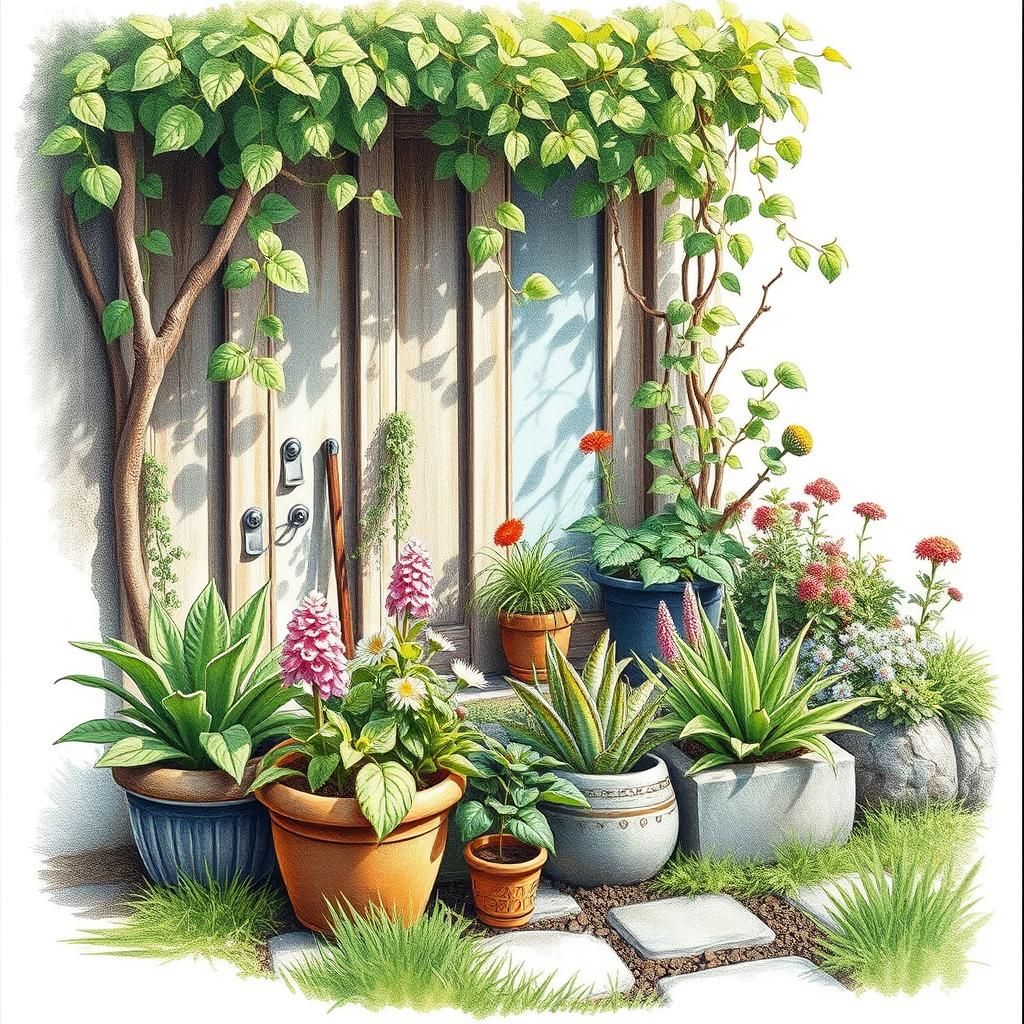
Creating a small garden can be an enriching and rewarding experience, especially for beginners looking to connect with nature and express their creativity. This step-by-step guide is designed to provide essential tips on how to draw a small garden, breaking down the process into manageable tasks. Whether you have a tiny balcony or a modest backyard, understanding the fundamentals of garden layout, plant selection, and design can transform any space into a thriving green retreat. With the right guidance, you'll be well on your way to envisioning your perfect garden, regardless of your prior gardening experience.
How to Plan and Draw a Small Garden
Creating a small garden requires a thoughtful approach to ensure that every inch is utilized effectively while maintaining aesthetic appeal. Begin by assessing the space available; consider the sunlight, shade, and soil type. Next, conceptualize a layout by sketching the garden’s design on paper, incorporating elements such as plant beds, pathways, and focal points. Choose plants that are suitable for the environment and your gardening expertise, while also accounting for their growth patterns. Remember to include seasonal blooms for year-round interest and add decorative touches that reflect your personal style. This preliminary sketch will serve as a vital blueprint for your gardening journey.
1. Assessing Your Space
To effectively draw a small garden, start by assessing your space. Measure the area to determine the exact dimensions and take note of existing features such as trees, fences, and buildings that may impact the amount of sunlight reaching the garden. Evaluate how much sunlight each section of the garden receives throughout the day and identify any shady spots or areas that might be prone to standing water. This information will help guide your plant choices and ensure a thriving environment.
2. Choosing the Right Plants
When selecting plants for your small garden, consider the climate, soil quality, and your gardening skill level. Opt for native plants that are well-suited to your region, as they will require less maintenance and be more resilient to local pests and diseases. Incorporate a mix of perennials and annuals to create variation and visual interest. Group plants with similar watering and light needs together to ease maintenance, and consider adding some herbs or edibles to enhance both functionality and beauty.
3. Designing the Layout
The layout of your small garden is crucial to its function and appearance. Start by sketching various options on paper or using garden planning software. Consider using raised beds to maximize space, or a vertical garden if you're limited on ground area. Incorporate walking pathways to allow easy access for maintenance and enjoyment. Think about creating layers with taller plants at the back and shorter ones at the front to ensure every plant gets adequate sunlight and contributes to the overall design.
4. Adding Decorative Elements
Decorative elements can enhance the charm of your small garden significantly. Think about incorporating focal points such as a birdbath, garden sculptures, or benches that create visual interest and spaces for relaxation. Plant selection can also contribute to aesthetics; consider using colorful flowers or interesting foliage. Additionally, soft lighting options can be integrated to create an inviting atmosphere for evening enjoyment.
5. Maintenance and Seasonal Care
Once your small garden is drawn out and planted, developing a maintenance routine is essential. Regularly check the health of your plants and ensure they are getting adequate water, especially during dry spells. Understand the basic pruning techniques and fertilizing schedules for your selected plants. Consider your garden's seasonal changes; plan for annual replanting or rotating crops to keep the garden vibrant and productive throughout the year.
| Aspect | Importance |
|---|---|
| Space Assessment | Understanding dimensions and light exposure |
| Plant Selection | Choosing suitable and resilient plants |
| Layout Design | Optimizing space and accessibility |
| Decorative Elements | Enhancing beauty and functionality |
| Maintenance | Ensuring health and longevity of plants |
How to design a very small garden?

When designing a very small garden, it is essential to maximize the use of space while ensuring the garden is both functional and aesthetically pleasing. Consider the following key aspects to make the most out of a limited area:
Understanding Your Space
Understanding the dimensions and conditions of your garden is the first step in your design process. Assessing the space will help you identify opportunities and limitations.
See also:
- Measurement: Accurately measure the length and width of your garden to understand the available area.
- Sunlight: Observe how much sunlight your garden receives throughout the day, noting shady and sunny spots.
- Soil Quality: Test your soil to determine its composition and drainage ability, which influences plant selection.
Choosing the Right Plants
Selecting suitable plants that complement each other and fit the scale of a small garden is crucial. Prioritize plants that thrive in the conditions you have.
- Native Plants: Opt for native species that are adapted to your climate and require less maintenance.
- Vertical Plants: Incorporate climbing plants or wall planters to utilize vertical space.
- Container Gardening: Use pots and containers to add greenery without taking up ground space.
Incorporating Hardscaping
Incorporating hardscaping elements allows you to define your garden areas and enhance functionality. Focus on materials that blend well with the natural elements.
- Pathways: Create narrow pathways to connect different sections of the garden without overcrowding.
- Seating Areas: Include compact seating options that invite relaxation without consuming too much space.
- Raised Beds: Use raised garden beds to improve soil quality and make gardening easier.
Creating a Focal Point
Creating a focal point in your small garden draws the eye and gives it structure. This can be an artistic element or a special plant.
- Ornamental Features: Consider a small water feature, sculpture, or garden art to act as a visual anchor.
- Statement Plants: Plan for one or two standout plants that will capture attention and enhance the overall design.
- Lighting: Incorporate lighting fixtures to highlight the focal point and create ambiance in the evenings.
Maintenance Considerations
Regular maintenance is vital to keep a small garden looking its best. Plan your design with ease of care in mind.
- Low-Maintenance Plants: Choose plants that require less pruning and watering to minimize upkeep.
- Mulching: Use mulch to retain moisture and reduce weed growth, making maintenance simpler.
- Seasonal Planning: Design with a mixture of perennials and annuals to ensure visual interest throughout the seasons.
How do you make a plan for a small garden?
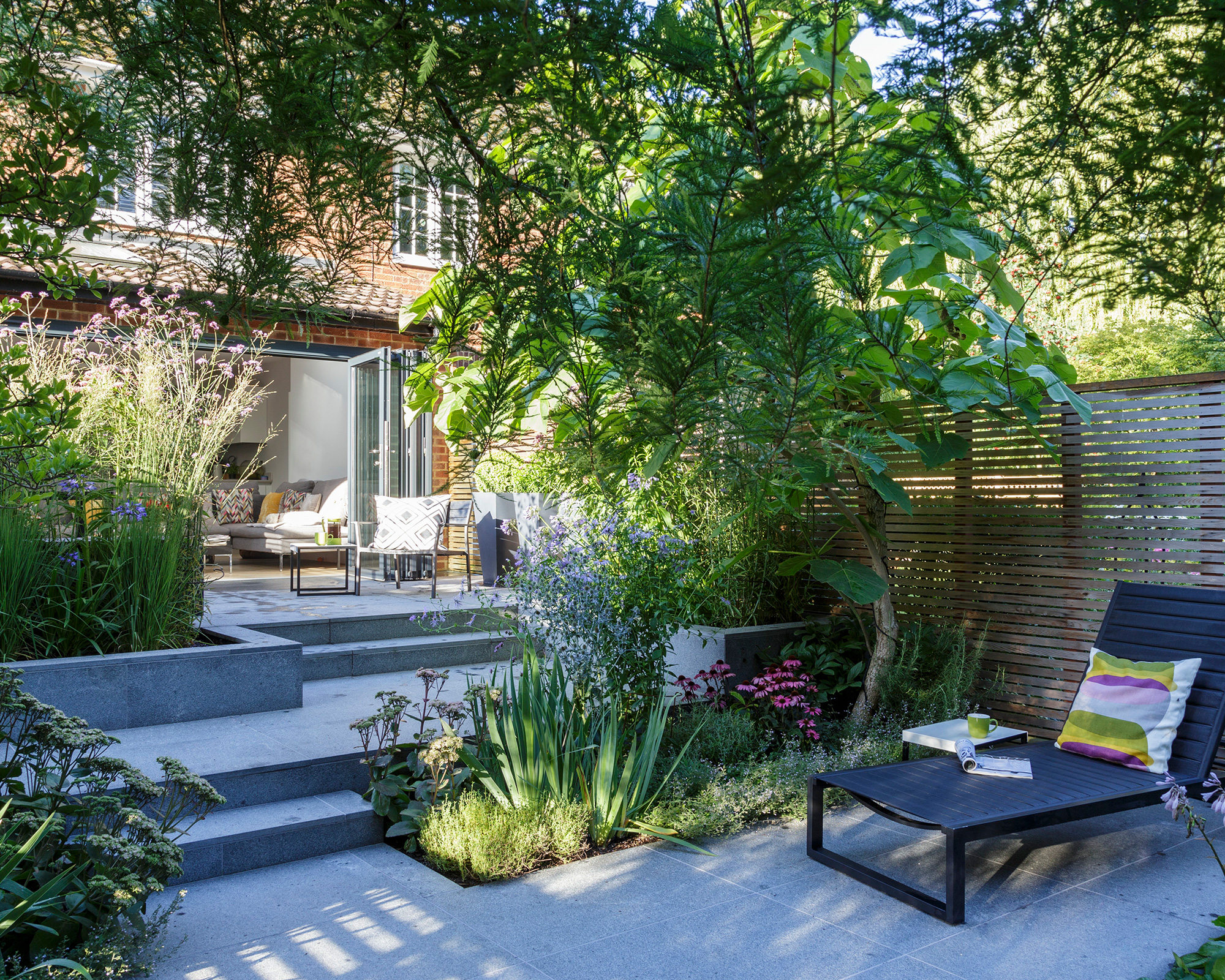
To create a successful plan for a small garden, you need to consider various factors such as space, sunlight, soil type, and your gardening goals. Here’s a detailed guide on how to make a plan for a small garden.
Assess Your Space
Assessing your space is the first step in planning a small garden. You need to evaluate how much area you have available and understand its dimensions.
- Measure the total area of your garden space.
- Identify any existing features like trees, pathways, or structures.
- Consider the shape of your garden, whether it's rectangular, square, or irregular.
Understand Sunlight Requirements
Different plants have varying sunlight needs. Observing how much sun your garden gets throughout the day will inform your garden planning.
- Track the sunlight patterns in your garden over several days.
- Identify areas that receive full sun, partial shade, or full shade.
- Choose plants suited to the specific light conditions of each section.
Select Appropriate Plants
Choosing the right plants for your small garden is crucial for its success. Consider your gardening objectives and the environmental conditions.
- Decide whether you want flowers, vegetables, herbs, or a combination.
- Opt for plants that thrive in your local climate and soil type.
- Take into account the mature size of plants to avoid overcrowding.
Create a Layout
Designing a practical layout can help maximize space and aesthetic appeal. A well-structured garden can enhance plant health and maintenance.
See also:
- Sketch a plan on paper or use garden design software to visualize your layout.
- Use vertical gardening techniques to utilize vertical space effectively.
- Plan for walking paths to facilitate easy access for maintenance and harvesting.
Prepare the Soil
Healthy soil is the foundation of a successful garden. Preparing your soil will ensure that your plants thrive.
- Test your soil for pH levels and nutrient content to identify necessary amendments.
- Incorporate organic matter such as compost to enrich the soil.
- Till the soil to improve aeration and drainage before planting.
How to make a simple garden?
:strip_icc()/garden-path-leading-underneath-trellis-roses-ccab4820-bf659328e5044d0ba639f1c48c3ab66a.jpg)
To create a simple garden, you should follow several key steps that will lay the groundwork for a beautiful and thriving outdoor space. Starting with the planning phase, you will need to consider factors such as location, plant selection, and maintenance. Below is a detailed guide to help you along the way.
Choose the Right Location
Selecting the right location for your garden is crucial to its success. A sunny spot is ideal for most plants, as they require ample sunlight to grow. Here are some considerations:
- Sunlight: Ensure the area receives at least 6-8 hours of sunlight daily.
- Drainage: Avoid areas where water tends to pool; good drainage is essential for plant health.
- Accessibility: Choose a location that is easy to access for maintenance and harvesting.
Plan Your Garden Layout
Once you have selected your location, the next step involves planning the layout of your garden. A well-thought-out design can maximize space and enhance aesthetics. Consider these points:
- Garden Size: Determine how much space you have to work with and decide on the size of your garden beds.
- Plant Placement: Taller plants should be placed at the back of beds, while shorter ones can go in front to ensure visibility.
- Pathways: Include pathways for easy access between plant rows for maintenance and harvesting.
Select Suitable Plants
Choosing the right plants for your garden is essential for ensuring they thrive in your local climate. Here’s how to select suitable plants:
- Climate Compatibility: Research plants that grow well in your climate zone.
- Growing Season: Choose plants with compatible growing seasons to maximize your harvest.
- Maintenance Level: Consider your time and resources; select low-maintenance plants if you’re a beginner.
Prepare the Soil
Healthy soil forms the foundation of a successful garden. Preparing the soil properly will enhance its fertility and structure. Here’s how to do it:
- Clear the Area: Remove any weeds, rocks, or debris from the plot before planting.
- Soil Testing: Conduct a soil test to determine pH levels and nutrient content, adjusting as necessary with amendments.
- Enrichment: Incorporate organic matter such as compost or well-rotted manure to improve soil fertility.
Watering and Maintenance
Consistent watering and regular maintenance are vital to keeping your garden healthy. Here’s how to manage these elements effectively:
- Watering Schedule: Establish a regular watering routine, ensuring plants receive adequate moisture but avoiding overwatering.
- Weed Control: Regularly check for weeds and remove them promptly to reduce competition for nutrients.
- Pest Management: Monitor for pests and diseases, using appropriate organic or chemical treatments as needed.
Questions from Our Readers
What materials do I need to draw a small garden?
To draw a small garden, you'll need basic drawing tools such as pencils, erasers, and colored pencils or markers for adding visual elements. It might also be helpful to have grid paper for better scaling and layout precision, along with ruler for straight lines and measurements.
How can I plan the layout of my small garden?
Planning the layout of your small garden involves making a rough sketch of the space and determining where each plant or flower bed will go. Consider factors like sunlight exposure, water drainage, and the overall aesthetic you want to achieve to create a balanced and appealing design.
See also:
What elements should I include in my small garden drawing?
Include essential elements like plants, paths, and decorative features such as benches or fountains. Don't forget to show how different plants will be grouped together and consider adding details such as garden borders and fencing for a more complete drawing.
Can I use digital tools to draw my small garden?
Yes, you can absolutely use digital tools to draw your small garden! Programs such as SketchUp, Adobe Illustrator, or even simple drawing apps can help you create precise and visually appealing designs, allowing for easy adjustments compared to traditional paper methods.

If you want to read more articles like Essential Tips on How to Draw a Small Garden? A Step-by-Step Guide for Beginners, we recommend you check out our Garden category.
Leave a Reply
Related Articles