Do Carrots Grow Better in Pots or Ground? A Comprehensive Guide for Gardeners
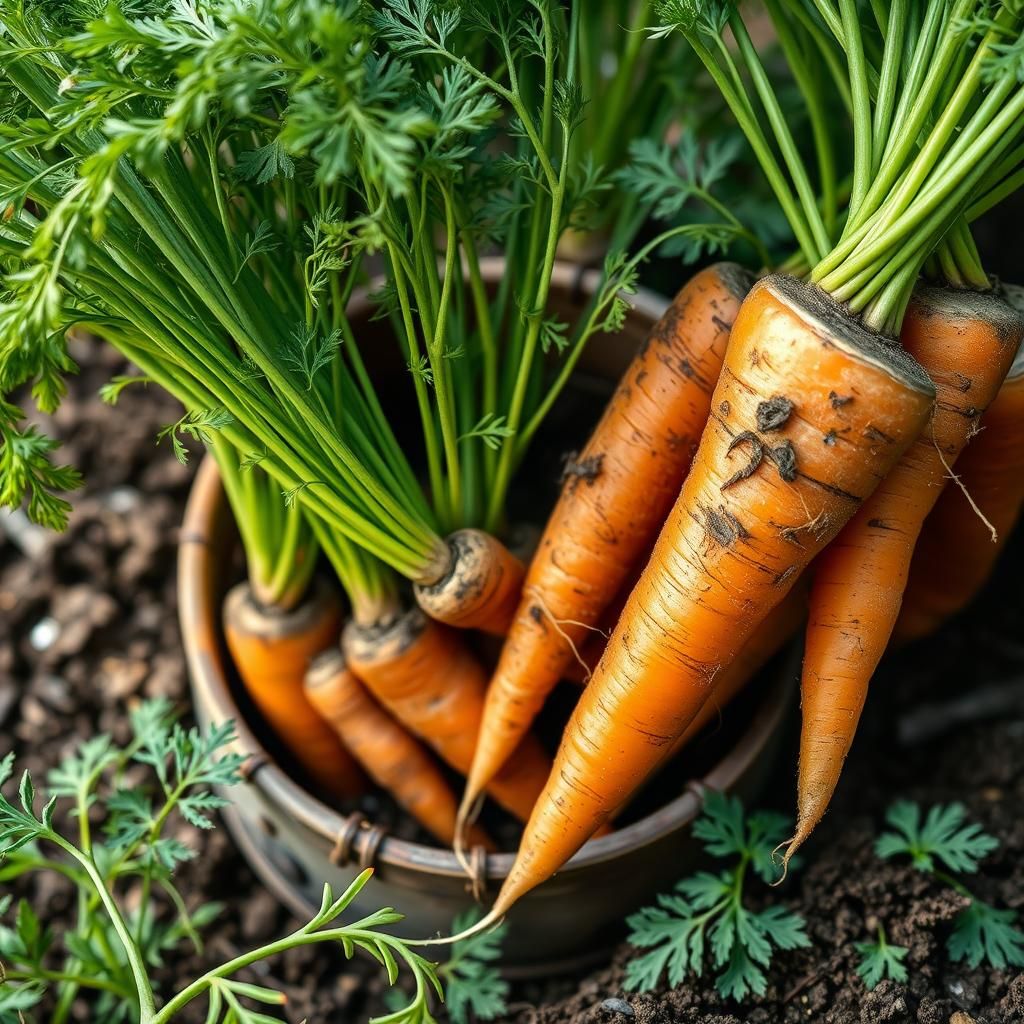
When it comes to growing carrots, the choice between pots and traditional garden beds can significantly affect their development and yield. This comprehensive guide explores the advantages and disadvantages of each method, helping gardeners make informed decisions based on their individual circumstances. Whether you're dealing with limited space, poor soil conditions, or simply prefer the convenience of container gardening, understanding the unique needs of carrot plants is crucial. We'll delve into factors such as soil composition, moisture control, and the overall growth environment to determine the best approach for cultivating healthy and delicious carrots.
Do Carrots Grow Better in Pots or Ground?
Carrots can thrive in both pots and ground, but the choice largely depends on the specific growing conditions and available space. In general, carrots prefer loose, well-draining soil, which can be achieved more easily in the ground where they have more room to develop long roots. However, if gardening space is limited or if the soil in the ground is too compacted, growing carrots in pots can be an effective alternative. Pots also offer the possibility of controlling soil conditions more rigorously, as well as protecting carrots from like pests and diseases that may thrive in the garden bed. Ultimately, the best option depends on the gardener's environment, goals, and preference for maintaining their crop.
Advantages of Growing Carrots in Pots
Growing carrots in pots offers several advantages, including convenience and ease of maintenance. Pots allow gardeners to control the soil quality and drainage, which are crucial for healthy carrot development. Additionally, pots can be moved around to find the best sunlight exposure, which is essential for optimal growth. This method is particularly beneficial for urban gardeners who may have limited garden space or poor soil conditions. Lastly, growing in pots can also help mitigate issues with weeds and pests, making it easier to manage and maintain a healthy crop.
Benefits of Growing Carrots in the Ground
Cultivating carrots in the ground typically yields larger harvests and healthier plants due to the expansive space for root development. In-ground planting allows carrots to send down deep roots, which can access water and nutrients from a larger area of soil. Additionally, the soil tends to have a more stable temperature and moisture level, which is beneficial for carrot growth. Natural soil conditions may also introduce beneficial microorganisms that promote healthy growth, resulting in more robust and flavorful carrots.
Soil Requirements for Carrots
Whether growing in pots or in the ground, the soil is a critical factor for successful carrot cultivation. Carrots prefer loamy, well-draining soil that is rich in organic matter but not too compacted. In pots, using a potting mix designed for vegetables can help achieve the right texture and moisture control. In a garden bed, it’s important to amend the soil with compost or well-rotted manure to improve its structure and provide the necessary nutrients. The pH level of the soil should ideally range from 6.0 to 6.8 for optimal growth.
Pest Management in Pots vs. Ground
Managing pests can be more straightforward when growing carrots in pots compared to in the ground. In pots, it's easier to monitor for pests like carrot flies, which can be more prevalent in garden beds. Utilizing protective measures such as netting or moving pots indoors during peak pest seasons can be an effective strategy. In contrast, in-ground cultivation may require more extensive management strategies, such as companion planting or applying organic pesticides to protect carrots from pests naturally. Each method presents unique challenges and benefits in pest management practices.
Watering Needs for Carrots
Both potted and ground-grown carrots have similar watering needs, but the frequency and method of watering can differ. Carrots need consistent moisture to grow properly, requiring about an inch of water per week, whether they are growing in pots or in the ground. However, pots may dry out more quickly due to their limited soil volume, necessitating more frequent checks and waterings. Ground-grown carrots benefit from the surrounding earth’s ability to retain moisture longer. Regardless of the method, it’s crucial to avoid overwatering, as it can lead to root rot and other issues.
| Method | Advantages | Challenges |
|---|---|---|
| Pots | Control over soil; easier pest management; mobility | Requires more frequent watering; limited space for root growth |
| Ground | Larger harvests; natural soil benefits; stable moisture levels | Greater pest risk; challenging soil conditions; more labor-intensive |
What is the most efficient way to grow carrots?

The most efficient way to grow carrots involves several key practices that optimize soil conditions, seed selection, and maintenance strategies. Here’s a detailed guide to ensure a successful carrot harvest.
Soil Preparation
Preparing the soil properly is crucial for carrot growth. Carrots prefer a well-drained, loose, and sandy-loam soil that allows easy root expansion. Here are the steps to prepare the soil effectively:
- Test the soil pH: Carrots thrive in a pH range of 6.0 to 6.8. Testing your soil will help you determine if any amendments are necessary.
- Amend the soil: Incorporate organic matter such as compost or well-rotted manure to improve soil fertility and structure.
- Till the soil: Till the soil to a depth of at least 12 inches to break up any compacted layers, which facilitates root growth.
Seed Selection and Sowing
Choosing the right seeds and sowing them at the appropriate time is vital for optimal growth. Carrots can be sown directly in the garden or started indoors. Here are tips for seed selection and sowing:
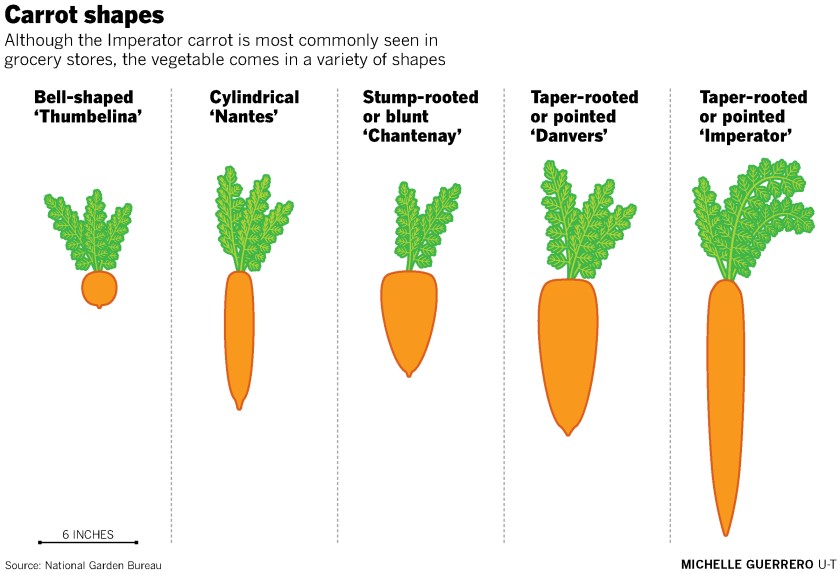
- Select appropriate varieties: Popular varieties include Nantes and Danvers, which are known for their sweetness and yield.
- Sow at the right time: Sow seeds in early spring or late summer for a fall harvest, depending on your climate.
- Thin seedlings: Once seedlings are about 1-2 inches tall, thin them to allow sufficient space for growth; this prevents competition for nutrients.
Watering Techniques
Maintaining a consistent watering schedule is fundamental for carrot development. Carrots require moist soil, but overwatering can lead to rot. Consider these techniques for effective watering:
- Use a drip irrigation system: This method conserves water and delivers moisture directly to the roots.
- Water deeply: Ensure that water penetrates at least 12 inches into the soil, promoting deep root growth.
- Avoid overhead watering: This can encourage fungal diseases; use soaker hoses or irrigation to keep foliage dry.
Pest and Weed Management
Proper management of pests and weeds is essential to protect carrot crops. Integrated pest management (IPM) strategies can be effective. Here are some approaches:
- Utilize companion planting: Plant carrots alongside onions and garlic to deter pests like the carrot fly.
- Use organic mulch: Applying mulch can suppress weeds while retaining soil moisture.
- Monitor for pests: Regularly check for signs of pests and employ traps or barriers as needed.
Harvesting Techniques
Harvesting at the correct time and in the right manner can significantly affect the quality of your carrots. Here are guidelines for effective harvesting:
- Check maturity: Carrots are usually ready to harvest 70-80 days after sowing when they reach a suitable size.
- Loosen the soil: Before pulling carrots, use a garden fork to gently loosen the soil around them, which helps prevent breakage.
- Harvest in dry conditions: Pick carrots on a dry day; this preserves their texture and flavor.
Do coffee grounds help carrots grow?
Coffee grounds can indeed be beneficial for growing carrots. They are high in nitrogen, which is an essential nutrient for plant growth. When incorporated into the soil, coffee grounds can improve the overall soil structure and provide a rich source of nutrients. Here are several ways that coffee grounds can help carrots grow:
See also:
1. Nutrient Supply: Coffee grounds contain key nutrients such as nitrogen, phosphorus, and potassium. These macronutrients are vital for the healthy growth of carrot plants.
2. Soil Aeration: The gritty texture of coffee grounds helps improve soil drainage and aeration. This is particularly important for carrots, as they thrive in loose, well-drained soil to develop their roots properly.
3. pH Balance: Coffee grounds can help slightly lower the soil pH, making it more acidic. Carrots prefer a slightly acidic soil, so this can create a more favorable growing environment.
4. Pest Deterrent: Some gardeners suggest that coffee grounds can help deter certain pests, such as slugs and snails, which can harm carrot plants.
5. Organic Matter: Incorporating coffee grounds into the soil adds organic matter, which can improve soil health and encourage beneficial microbial activity.
Benefits of Coffee Grounds for Carrot Growth
Coffee grounds offer multiple advantages that can lead to healthier carrot plants. This organic material not only provides nutrients but also helps in modifying soil characteristics.
- Nitrogen Boost: Coffee grounds are high in nitrogen, which promotes leaf and root growth.
- Moisture Retention: They help retain moisture in the soil, which is essential for consistent carrot growth.
- Soil Health: Improves the microbial activity in the soil, enhancing nutrient availability.
How to Use Coffee Grounds in Carrot Cultivation
To use coffee grounds effectively, there are various methods that can be applied. Proper application enhances the benefits while preventing any potential downsides.
- Mix with Soil: Blend coffee grounds with the existing soil before planting to improve aeration.
- Top Dressing: Apply a thin layer of dry coffee grounds on the soil surface around existing carrot plants.
- Composting: Add coffee grounds to your compost pile to enrich the overall compost quality.
Potential Downsides of Coffee Grounds
While there are numerous benefits, it's also important to be aware of some potential downsides associated with using coffee grounds in gardening.
- Excess Nitrogen: Over-application can lead to excess nitrogen, which may hinder root development.
- Pest Attraction: If left too wet, coffee grounds can attract unwanted pests.
- Caffeine Effects: High concentrations of caffeine can potentially affect plant growth negatively.
Composting Coffee Grounds for Carrots
Incorporating coffee grounds into compost can significantly enhance the nutritional profile while creating a balanced compost mix suitable for carrots.
- Balance Carbon and Nitrogen: Coffee grounds are 'green' materials, high in nitrogen; pairing them with carbon-rich 'brown' materials is essential.
- Moisture Control: They help maintain moisture levels within the compost, which is crucial for decomposition.
- Aeration: Using them in compost aids in creating air pockets that stimulate microbial activity.
Alternative Uses for Coffee Grounds in Gardening
Apart from aiding in carrot growth, coffee grounds have various other applications that can support overall garden health and productivity.
- Mulching: Use coffee grounds as mulch to regulate soil temperature and moisture retention.
- Fertilizer: They can be used as a slow-release fertilizer for a variety of garden plants.
- Repelling Pests: Sprinkling coffee grounds around the garden may help deter unwanted animals and insects.
Questions from Our Readers
Do carrots grow better in pots or ground?
Carrots generally grow better in the ground than in pots because they require ample space to develop their long roots. When planted in the ground, carrots have more room for nutrient absorption and can grow to their full potential. However, with proper care and the right pot size, container gardening can still yield decent results for carrot cultivation.
What size pot is ideal for growing carrots?
When growing carrots in pots, it is essential to choose a container that is at least 12 inches deep. This depth allows carrots to grow without restriction and ensures sufficient space for their root development. Additionally, wider pots can provide more room for multiple carrot plants, thereby increasing your overall yield.
See also:
Can I grow carrots in small pots?
While it is possible to grow carrots in small pots, doing so can lead to stunted growth and can result in poorly developed roots. Carrots need adequate space to grow, so using pots that are too small limits their ability to thrive. For best results, opt for larger pots to ensure your carrots have the room they need.
What type of soil is best for growing carrots in pots?
To achieve optimal growth, carrots should be planted in light, well-draining soil that is rich in organic matter. A loamy soil mix, combined with sand to enhance drainage, can help create an ideal environment for carrot roots to expand freely. Avoid heavy or compact soils, as they can hinder root growth and lead to deformed carrots.

If you want to read more articles like Do Carrots Grow Better in Pots or Ground? A Comprehensive Guide for Gardeners, we recommend you check out our Garden category.
Leave a Reply
Related Articles