Discovering the Art: What is the Fancy Word for Gardening?

Gardening is often viewed as a simple and rewarding pastime, but it is also an intricate art form that deserves recognition. Delving into the world of horticulture reveals a tapestry of techniques, styles, and terminologies that elevate this practice into a sophisticated discipline. The term landscaping often surfaces when discussing the creative aspects of gardening, encapsulating the blend of design and nature. In this article, we will explore the nuances of gardening, its artistic elements, and the elegant vocabulary that embodies this verdant craft. Join us as we uncover how gardening transcends mere planting to become a true art form.
Exploring the Elegant Terminology of Gardening
The term often seen as the fancy word for gardening is horticulture. This sophisticated word encapsulates not only the act of growing plants but also the scientific and artistic elements involved in it. Horticulture includes the study and cultivation of fruits, vegetables, flowers, and ornamental plants, highlighting the depth of knowledge and skill required to transform a simple garden into an aesthetic or productive space. Whether one is interested in the commercial aspects of horticulture or the pleasure of cultivating plants for personal use, it represents a holistic approach to plant care that combines both practical and theoretical understanding.
The Definition of Horticulture
Horticulture is defined as the branch of agriculture that deals with the art, science, technology, and business of growing plants. It encompasses a wide range of activities including the cultivation of garden plants, the design of landscapes, and the enhancement of the environment through plant-based aesthetics. This term also implies a level of expertise and professionalism not commonly associated with casual gardening.
The Different Branches of Horticulture
Horticulture consists of several branches, including pomology (the study of fruit), viticulture (the study of grapes), floriculture (the production and marketing of flowers), and landscape horticulture, which focuses on the design and maintenance of outdoor spaces. Each of these branches requires specific knowledge and skills tailored to the types of plants and their respective environments, showcasing the diversity found within the field of horticulture.
Importance of Horticulture in Agriculture
Horticulture plays a vital role in agriculture by enhancing the diversity of food sources, improving the nutrition of diets, and providing economic opportunities for communities. With an increase in demand for locally grown produce and ornamental plants, horticulture supports sustainable practices and fosters a connection between people and their food sources, contributing significantly to food security and environmental health.
Horticultural Therapy: The Healing Power of Plants
Horticultural therapy is an innovative field that uses gardening activities to promote the physical, emotional, and social well-being of individuals. This therapeutic approach is especially beneficial for people with disabilities, mental health challenges, and those undergoing rehabilitation. Engaging with plants has been shown to reduce stress and provide a sense of accomplishment and purpose, underscoring the multifaceted benefits of horticulture beyond mere plant cultivation.
Modern Horticultural Practices
Modern horticultural practices involve the use of advanced technologies and sustainable methods to enhance plant growth and reduce environmental impact. Techniques such as hydroponics, aeroponics, and organic horticulture are becoming increasingly popular, allowing for more efficient use of resources and a reduced ecological footprint. These practices reflect a growing awareness of the need for sustainability in farming and gardening operations, paving the way for future innovations in the field.
| Term | Description |
|---|---|
| Horticulture | Branch of agriculture focusing on plant cultivation. |
| Pomology | Study of fruit cultivation. |
| Floriculture | Production and marketing of flowers. |
| Hydroponics | Growing plants in nutrient-rich water without soil. |
| Horticultural Therapy | Using gardening for physical and emotional healing. |
What is the professional word for gardening?
The professional word for gardening is horticulture. Horticulture encompasses the art and science of cultivating plants, including fruits, vegetables, nuts, seeds, herbs, sprouts, mushrooms, algae, flowers, seaweeds, and non-food crops such as grass and ornamental trees and plants. It combines aspects of botany, agriculture, and landscape design, making it essential for both commercial and residential landscape projects.
What Does Horticulture Involve?
Horticulture involves a variety of tasks and studies aimed at improving the growth, quality, and sustainability of plants. This can include:
- Plant Breeding: Developing new varieties of plants that are more resilient, productive, and aesthetically pleasing.
- Crop Management: Implementing methods to grow plants effectively, including soil management, pest control, and irrigation practices.
- Landscape Design: Planning and designing outdoor spaces that are both functional and visually appealing, integrating plant choices and layout.
Branches of Horticulture
Horticulture is divided into several branches, each focusing on specific types of plants or gardening practices. These branches include:
- Floriculture: The cultivation of flowering and ornamental plants for gardens, floral industry, and landscape design.
- Olericulture: The growing of vegetables and other edible plants, emphasizing their cultivation for culinary purposes.
- Pomology: The study and cultivation of fruit-bearing plants, focused on improving fruit quality and yield.
The Role of a Horticulturist
A horticulturist is a professional who specializes in horticulture. Their responsibilities often include:
- Research: Conducting experiments and studies to improve plant varieties and growing techniques.
- Consultation: Advising clients on proper gardening techniques, landscape design, and plant care.
- Education: Teaching techniques for sustainable gardening practices to the public and new professionals in the field.
Benefits of Horticulture
Engaging in horticulture provides numerous benefits, both personally and environmentally. These benefits include:
See also:
- Environmental Impact: Promoting biodiversity and helping maintain the ecosystem through the cultivation of various plant species.
- Health Benefits: Enhancing mental and physical health by providing a therapeutic activity and producing healthier food options.
- Economic Opportunities: Creating jobs and supporting local economies through the sale and maintenance of plants and landscapes.
Innovations in Horticulture
Recent advancements in horticulture have led to innovative practices that enhance plant cultivation. These innovations include:
- Hydroponics: Growing plants in nutrient-rich water instead of soil, allowing for efficient space management and higher yields.
- Vertical Farming: Cultivating crops in stacked layers or vertical columns, maximizing space and improving resource efficiency.
- Biotechnological Advances: Using genetic modification and other technologies to create plants that are resistant to diseases and adverse conditions.
What is the scientific word for gardening?
The scientific word for gardening is horticulture. Horticulture encompasses the art and science of cultivating plants, which includes the cultivation of fruits, vegetables, flowers, and ornamental plants. This field integrates various scientific disciplines such as botany, plant pathology, entomology, and soil science, focusing on improving plant growth, yield, quality, and resistance to pests and diseases.
Horticulture: An Overview
Horticulture involves various practices that support plant growth and health. It is distinguished from agriculture, which generally focuses on larger-scale crop production. Horticulturists employ techniques to enhance plant productivity while ensuring environmental sustainability.
- Areas of specialization include floriculture, which focuses on flowering plants.
- Olericulture deals with vegetable production and gardening.
- Pomology concerns itself with fruit cultivation.
Importance of Horticulture
The significance of horticulture can be observed in several aspects, including food production, biodiversity conservation, and urban landscaping. Horticulture plays a vital role in ensuring food security and promoting sustainable practices.
- Horticulture contributes to a diverse food supply through the cultivation of various crops.
- It aids in maintaining ecological balance by conserving plant species.
- Urban landscaping through horticulture enhances the aesthetic appeal of city spaces.
Techniques Used in Horticulture
Various techniques are employed in horticulture to cultivate plants effectively. These techniques range from traditional methods to modern innovations guided by scientific research and technology.
- Soil preparation is crucial for providing the right environment for plant roots.
- Irrigation systems ensure that plants receive an adequate supply of water.
- Utilization of pesticides and fertilizers to manage pests and enhance growth.
Horticulture and Sustainable Practices
Sustainable horticulture emphasizes the importance of environmental health while producing food and maintaining landscapes. This approach seeks to minimize negative impacts while optimizing resource use.
- Utilizing organic methods to reduce dependency on synthetic chemicals.
- Implementing crop rotation and companion planting to improve soil health.
- Adopting integrated pest management practices to manage pests sustainably.
Careers in Horticulture
There are numerous career opportunities within the field of horticulture, ranging from research to practical fieldwork. The demand for knowledgeable professionals in this field is increasing due to the growing emphasis on sustainable agriculture.
- Positions such as horticultural therapists use plants to improve mental and physical health.
- Landscape architects design functional and aesthetically pleasing outdoor spaces.
- Nursery managers oversee the production and sale of plants.
What is a professional name for a gardener?

The professional name for a gardener is typically referred to as horticulturist. A horticulurist specializes in the art and science of cultivating plants, which encompasses a variety of practices, including planting, breeding, and managing gardens and landscapes. This role is vital not just for creating beautiful settings but also for ensuring the health and sustainability of plant life.
Understanding the Role of a Horticulturist
A horticulturist plays a critical role in both urban and rural settings. They combine their knowledge of plant biology with practical skills to enhance garden aesthetics and functionalities. Their responsibilities can include:
- Designing gardens that are largely based on aesthetic considerations and ecological balance.
- Identifying plant diseases and implementing methods to control pests and diseases.
- Advising clients on plant selection that suits their environment and maintenance capabilities.
Educational Requirements for Horticulturists
To become a qualified horticulturist, one typically needs a background in either horticulture or a related field. This can involve several avenues of study:
- Bachelor’s degree in horticulture, botany, or a related field.
- Certifications from recognized horticultural organizations.
- Internships or practical experience in gardening or landscaping.
Horticulturist vs. Gardener
While both roles involve working with plants, there are distinct differences between a horticulturist and a general gardener. Understanding these differences can help in selecting the right professional for garden-related needs:
See also:
- Scope of Work: Horticulturists often engage in larger projects, including agricultural practices, whereas gardeners may focus on specific garden maintenance.
- Level of Expertise: Horticulturists generally possess more formal training and knowledge regarding plant biology.
- Commercial Focus: Horticulturists may work for nurseries or landscaping companies, while gardeners often engage in residential services.
The Importance of Sustainable Gardening
A central focus of modern horticulture is sustainability, which emphasizes environmental impact and conservation. The implementation of sustainable practices can involve:
- Organic gardening techniques that avoid synthetic fertilizers and pesticides.
- Soil health improvements through composting and other natural amendments.
- Water conservation methods, such as drip irrigation and rainwater harvesting.
Career Opportunities in Horticulture
The field of horticulture offers a variety of career opportunities for individuals interested in plant science. These roles can include:
- Landscape designer, focusing on the aesthetic arrangement of outdoor spaces.
- Botanist, specializing in plant research and taxonomy.
- Arborist, concentrating on the care and maintenance of trees.
What is the word for a formal garden?
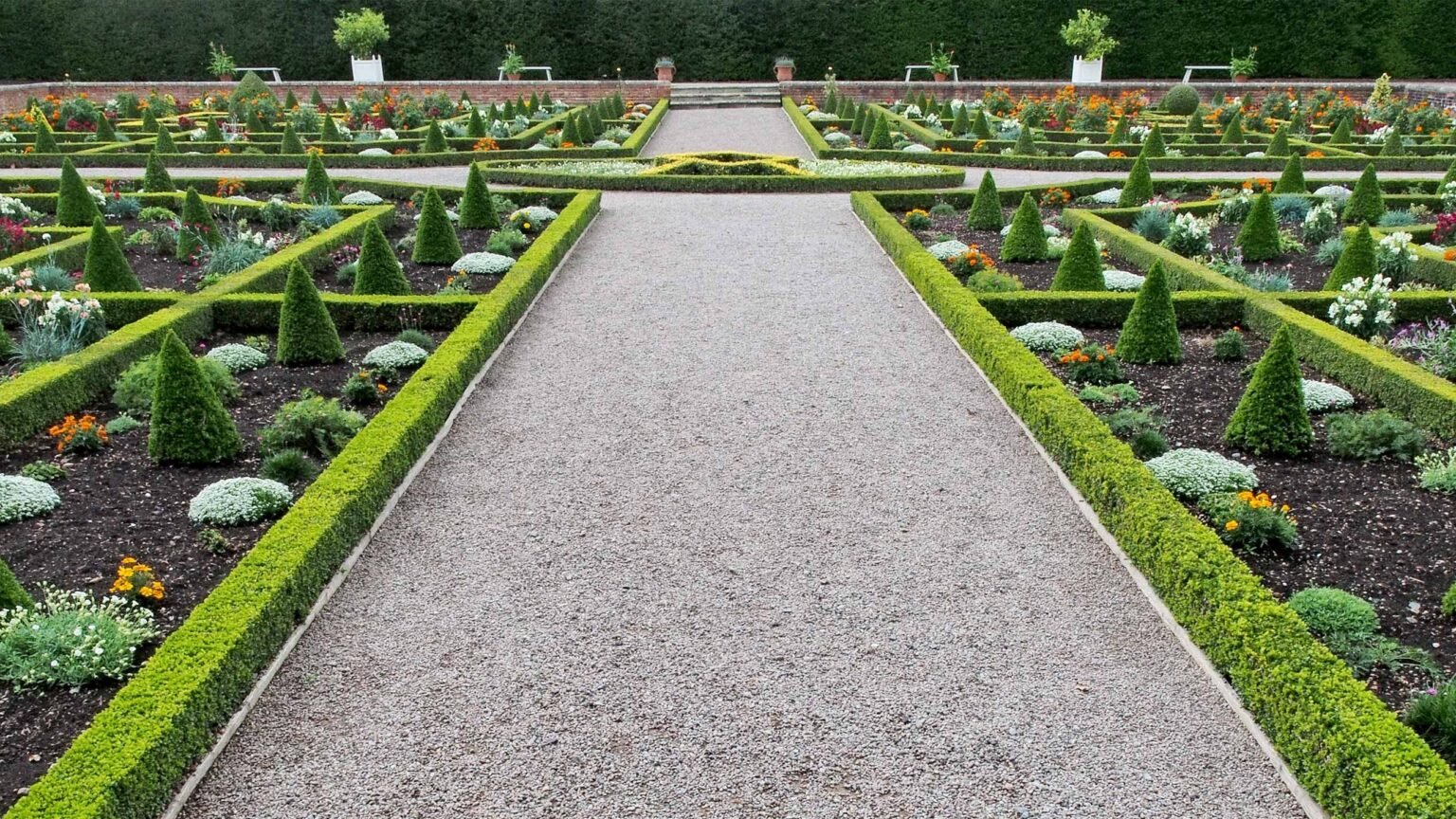
The word for a formal garden is parterre. A parterre is a type of garden that is designed with geometric patterns and is usually laid out in a symmetrical manner. These gardens often feature well-defined pathways, flower beds, and meticulously trimmed hedges. Parterres are typically found in Europe and are associated with classical designs from the Renaissance and Baroque periods.
Characteristics of a Parterre
A parterre is characterized by its structured layout and aesthetic appeal. Some key features include:
- Symmetry: Parterres are often designed with a symmetrical layout, creating a visually balanced garden space.
- Geometric Patterns: The garden design includes geometric shapes such as squares, rectangles, and circles, often filled with flowers or low hedging.
- Defined Pathways: Clear pathways separate different sections of the garden, guiding visitors through the space in an organized manner.
Historical Significance of Parterres
Parterres have a rich historical significance, particularly in European gardening. Their development can be traced back to:
- Renaissance Gardens: The emergence of parterres began during the Renaissance, inspired by classical Roman gardens.
- Baroque Influence: In the Baroque period, parterres evolved into more elaborate designs, often featuring water elements and sculptures.
- Royal Palaces: Many famous parterres can be found in the gardens of royal palaces, showcasing the grandeur of noble estates.
Types of Parterres
There are various types of parterres, each with its distinct style and layout:
- Parterre de Broderie: This style uses intricate, lace-like patterns with diverse color schemes, often filled with annuals for vibrant displays.
- Parterre à l'Anglaise: A more naturalistic approach characterized by flowing lines and less rigid geometric shapes.
- Formal Parterre: Strictly adheres to symmetry and precision, often incorporating boxwood hedges for sharp outlines.
Planting in a Parterre
The choice of plants for a parterre plays a crucial role in achieving its visual impact. Important factors include:
- Seasonal Interest: Selecting a mix of perennial and annual plants ensures year-round color and texture variations.
- Color Schemes: Colors are often carefully coordinated to maintain harmony throughout different sections of the garden.
- Maintenance: Regular maintenance such as trimming, weeding, and replanting is essential to preserve the garden's formal appearance.
Modern Interpretations of Parterres
While historical parterres are still prevalent, modern interpretations have emerged, blending classic design with contemporary elements. These interpretations include:
- Innovative Materials: Use of modern materials such as stone, metal, and glass in the pathways and borders.
- Sustainable Practices: Incorporating native plants and water conservation techniques that respect the environment.
- Artistic Elements: Integrating sculptures and contemporary art pieces to add a unique flair to traditional designs.
Questions from Our Readers
What is the fancy word for gardening?
Horticulture is the fancy word for gardening. It encompasses the art and science of cultivating plants, including flowers, fruits, vegetables, and ornamental plants. Those who practice horticulture are often referred to as horticulturists.
What does horticulture involve?
Horticulture involves various activities such as planting, cultivating, and managing gardens and landscapes. It also includes the study of plant biology and the use of techniques to improve plant growth, health, and productivity for both aesthetic and practical purposes.
Is horticulture the same as agriculture?
While both horticulture and agriculture deal with plant cultivation, they differ in scale and focus. Horticulture typically refers to the growing of smaller-scale crops, such as fruits and vegetables, and ornamental plants, whereas agriculture focuses on large-scale farming of staple crops and livestock.
What skills are needed in horticulture?
Key skills in horticulture include a strong understanding of plant biology, knowledge of soil management, and the ability to apply various cultivation techniques. Additionally, good observation and problem-solving skills are essential for diagnosing plant health issues and improving garden aesthetics.
See also:

If you want to read more articles like Discovering the Art: What is the Fancy Word for Gardening?, we recommend you check out our Garden category.
Leave a Reply
Related Articles