What is the Best Month to Plant Carrots? A Seasonal Guide for Gardeners
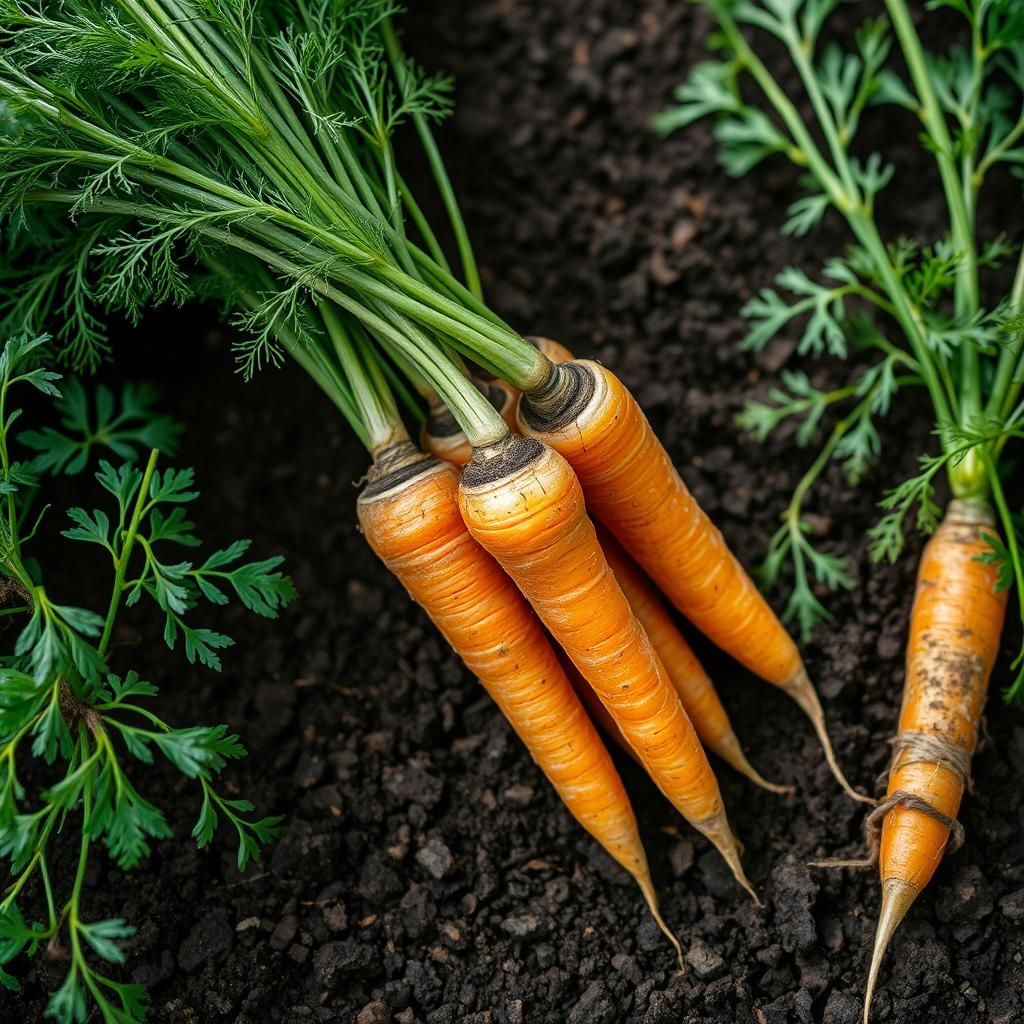
When it comes to cultivating healthy, delicious carrots, timing is everything. Understanding the optimal month for planting these vibrant vegetables can significantly impact your gardening success. Carrots thrive in specific seasonal conditions, and selecting the right time can lead to sweeter and more robust harvests. This article serves as a comprehensive guide for gardeners, exploring the best months for planting carrots based on climate variations, soil temperature, and growth cycles. Whether you’re a seasoned gardener or a novice, learning the nuances of carrot planting will help you achieve a bountiful crop and enjoy the fruits of your labor.
What is the Best Month to Plant Carrots?
The best month to plant carrots typically depends on your climate and region, but generally, early spring is recommended. In most temperate zones, carrots should be sown directly in the ground when the soil temperature reaches about 45°F (7°C). This usually falls between late March and early April. However, for regions with warmer climates, planting can extend to the fall, around late August to September, allowing for a second harvest before winter sets in. Timing is crucial as carrots thrive in cooler weather and can become tough and bitter if planted too late in the season.
Understanding Your Climate Zone
To determine the ideal month for planting carrots, it's essential to understand your specific climate zone. For instance, in northern regions with shorter growing seasons, it’s best to start planting earlier, while in southern areas with milder winters, you can plant carrots in late summer for a fall harvest. The USDA Plant Hardiness Zone Map can help you identify your zone and refine your planting schedule.
Soil Temperature Considerations
Carrots require soil temperatures of around 45°F (7°C) for optimum germination. It's crucial to monitor soil temperature before planting, as cooler temperatures can delay germination, and temperatures above 75°F (24°C) can cause the seeds to bolt prematurely. Using a soil thermometer can help ensure that you plant at the right time.
Spring Planting Tips
When planting carrots in spring, aim to sow seeds two to three weeks before the last expected frost date in your area. Prepare the soil by tilling and removing rocks or debris, as carrots need loose, deep soil to grow long and straight. You may also want to consider a double-row planting method to maximize space and yield and to ensure adequate air circulation.
Fall Planting Opportunities
For those in regions where winters are mild, fall planting of carrots can be advantageous. Sowing seeds about 10 weeks before the first expected frost can yield sweet flavors, as the cold temperatures enhance their sugar content. Use mulch to protect the seedlings from the cold and ensure a successful harvest in late autumn or even winter.
Common Mistakes to Avoid
Several common mistakes can hinder your carrot crop. Overcrowding seeds can lead to stunted growth, so it's essential to space them properly. Also, neglecting adequate watering can cause tough roots. Avoid planting carrots too deep or in heavy clay soil, as these factors can affect root development negatively. Providing the right conditions will lead to a healthier and more fruitful harvest.
| Timing | Soil Temperature | Zone Considerations | Common Mistakes |
|---|---|---|---|
| Spring (March-April) | 45°F (7°C) for germination | Northern vs. Southern Zones | Overcrowding seeds |
| Fall (August-September) | Avoid temperatures above 75°F (24°C) | Use USDA Plant Map | Poor soil preparation |
How late can you plant carrots?
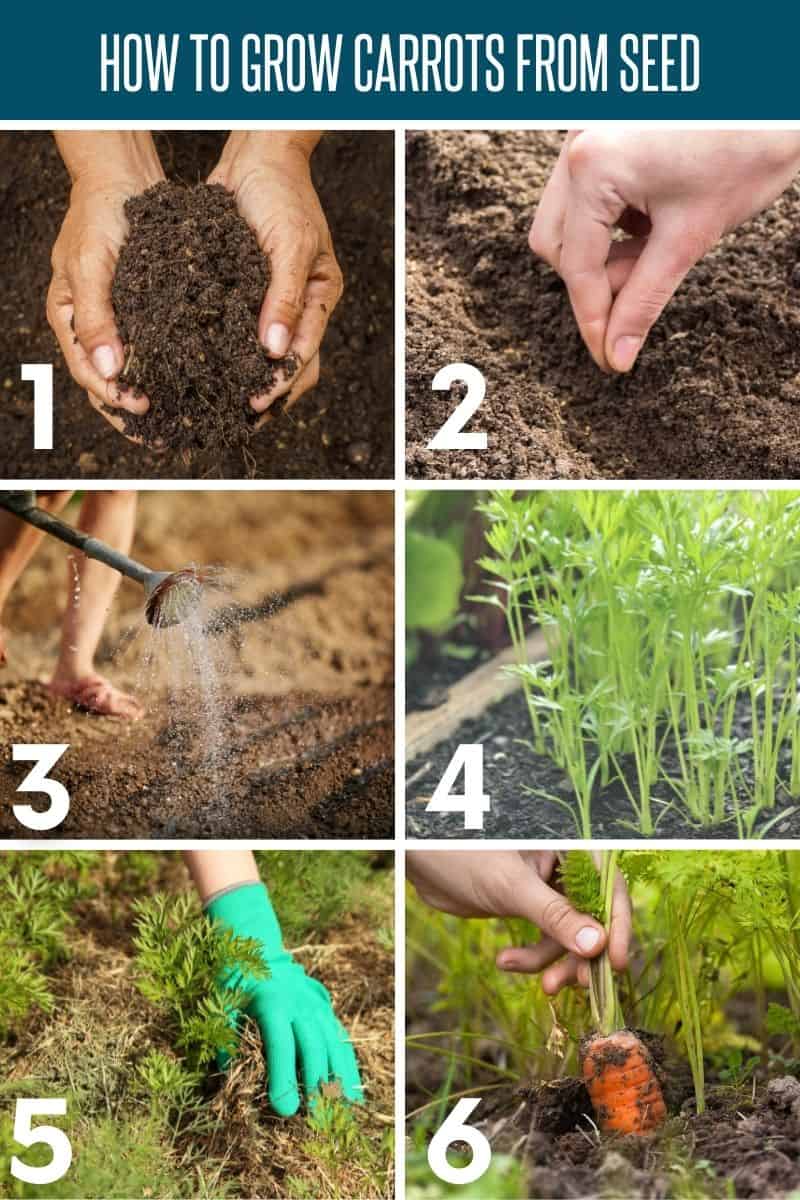
Carrots can be planted relatively late in the growing season, depending on your climate and the specific variety of carrot. Generally, you can plant carrots until about 60 to 75 days before the first expected frost date in your region. This means if you live in an area with a late frost, such as warmer climates, you might be able to plant as late as the end of summer or even early fall. However, in cooler climates, it's best to have your carrots in the ground by late summer.
Optimal Planting Time
The optimal planting time for carrots greatly depends on your local climate and frost dates.
- In warm climates, carrots can often be sown from late summer to early fall.
- In cooler areas, aim to finish planting by late summer for a successful crop.
- Utilize frost dates to determine the last possible planting date for your area.
Choosing the Right Variety
Different varieties of carrots have varying growth rates and maturity times.
- Shorter varieties tend to mature faster and can be planted later.
- Consider heirloom varieties that may have better adaptability to late planting.
- Pay attention to the maturity date on seed packets to estimate planting times.
Soil and Weather Conditions
Soil and weather conditions play a crucial role in successful carrot planting, especially late in the season.
- Ensure soil is well-drained; waterlogged conditions can hinder growth.
- Carrots prefer loamy soil that retains some moisture without being saturated.
- Consider the forecasted temperatures; carrots can tolerate light frosts but do best in cooler weather.
Growing and Harvesting Tips
When planting late carrots, implement specific strategies to maximize growth and yield.
See also:
- Use row covers or mulch to retain warmth and protect plants from frost.
- Keep soil consistently moist, especially during initial germination stages.
- Thin seedlings to avoid overcrowding, allowing ample room for roots to develop.
Post-Planting Care
After planting your carrots, proper care is essential for healthy growth.
- Regularly check for pests, as late-season crops may attract different insects.
- Fertilize lightly with a balanced fertilizer to encourage strong root development.
- Monitor moisture levels diligently, especially as the weather cools down.
What is the trick to planting carrots?
To successfully plant carrots, there are several important tricks and techniques that can significantly enhance growth and yield. Here’s a comprehensive guide on the key aspects of planting carrots effectively.
Choosing the Right Variety
When planting carrots, selecting the appropriate variety is crucial for optimal growth and success. Various types of carrots exist, each suited for different soil types and climates.
- Short varieties: These work well in small or rocky gardens, such as 'Paris Market' or 'Thumbelina.'
- Long varieties: Perfect for deep, loamy soil, varieties like 'Nantes' and 'Imperator' are great choices.
- Seasonal varieties: Early varieties can be sown in cold climates, while late-season types can thrive in warmer conditions.
Preparing the Soil
Proper soil preparation is essential for growing healthy carrots. Carrots thrive in light, well-draining soil that allows them to grow deep roots.
- Soil texture: Aim for sandy or loamy soil, as heavy clay can hinder root development.
- Soil pH: Carrots prefer a pH of around 6.0 to 6.8. Conduct a soil test if necessary.
- Organic matter: Incorporate compost or well-rotted manure to improve soil structure and nutrient availability.
Sowing Seeds Properly
The method and timing for sowing carrot seeds greatly impact their growth. Follow these guidelines for successful sowing.
- Spacing: Sow seeds about 1 inch apart in rows that are 12 to 18 inches apart to allow adequate growth space.
- Depth: Plant seeds around 1/4 to 1/2 inch deep to ensure they have enough soil coverage without being too deep.
- Thinning: Once seedlings emerge, thin them out to avoid overcrowding, leaving about 2 to 4 inches between each plant.
Watering Techniques
Carrots require consistent moisture, especially during germination and early growth stages. Here’s how to water effectively.
- Frequency: Water regularly, ensuring the soil remains consistently moist but not waterlogged.
- Method: Use a gentle spray or drip irrigation to prevent washing away seeds and seedlings.
- Mulching: Apply a layer of mulch to retain moisture and suppress weeds, which can compete for nutrients.
Pest and Weed Management
Managing pests and weeds is essential for maintaining healthy carrot plants. Here are ways to protect your crop.
- Weeding: Regularly remove weeds by hand or with a hoe, as they compete for nutrients and space.
- Pest control: Use row covers to protect against carrot flies and other pests while allowing light and water through.
- Crop rotation: Rotate crops each year to disrupt pest cycles and improve soil health.
Do carrots like sun or shade when planting?
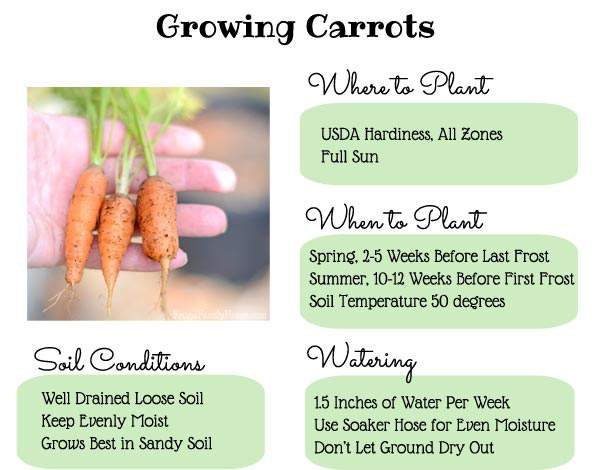
Carrots prefer to grow in full sun, which means they thrive in conditions where they receive at least 6 to 8 hours of direct sunlight each day. While they can tolerate some shade, it is important to understand that inadequate sunlight can lead to poor growth, smaller roots, and a decreased yield. Sunlight stimulates the process of photosynthesis, which is essential for the development and maturation of carrots. Therefore, planting carrots in a sunny location will generally result in healthier and more robust crops.
Understanding Carrot Growth Requirements
Carrots are root vegetables that have specific growth requirements. They develop best when the soil temperature is between 60°F and 70°F. Adequate sunlight plays an essential role in regulating soil temperature, thus enhancing growth conditions. Here are some key factors that should be considered:
- Soil Temperature: Warm soil promotes quicker germination.
- Photosynthesis: Sunlight is essential for the energy conversion process.
- Watering: Ensure consistent moisture to aid in root development.
Effects of Shade on Carrot Growth
While carrots can tolerate partial shade, excessive shade can have negative effects on their growth. In shaded areas, carrots may grow taller and produce fewer roots. Here are some effects of shade on carrot growth:
- Reduced Photosynthesis: Less light means reduced energy for growth.
- Smaller Roots: Insufficient sunlight leads to a decrease in root size.
- Weak Plants: Shade can result in spindly, weaker plants that are more susceptible to pests.
Optimal Planting Conditions for Carrots
To maximize the harvest of carrots, certain planting conditions must be met. Choosing the right location is crucial. Key optimal conditions include:
See also:
- Sun Exposure: Select a location that receives ample sunlight.
- Soil Preparation: Loamy, well-drained soil encourages strong root growth.
- Adequate Spacing: Proper spacing prevents overcrowding and promotes better air circulation.
Finding the Right Balance: Sun and Shade
Although full sun is preferred, some gardeners must consider shade in their planting strategies. In certain climates or constrained spaces, you may need to find a balance between sun and shade. Some strategies include:
- Companion Planting: Pairing carrots with sun-loving plants can enhance light exposure.
- Planting Orientation: Row direction can impact how much sun crops receive.
- Timing of Planting: Planting at different times can help manage sun exposure throughout the day.
Seasonal Considerations for Carrot Planting
The season in which you plant carrots can significantly impact their sun exposure. During the spring and fall, day lengths are often shorter, which can affect growth rates. Important seasonal considerations include:
- Spring Planting: Longer days and warmer temperatures usually ensure robust growth.
- Fall Planting: Carrots planted in the fall require protection from frost, which can limit sun availability.
- Sun Angle: The sun’s angle changes with the seasons and affects how light reaches your carrots.
What should not be planted near carrots?
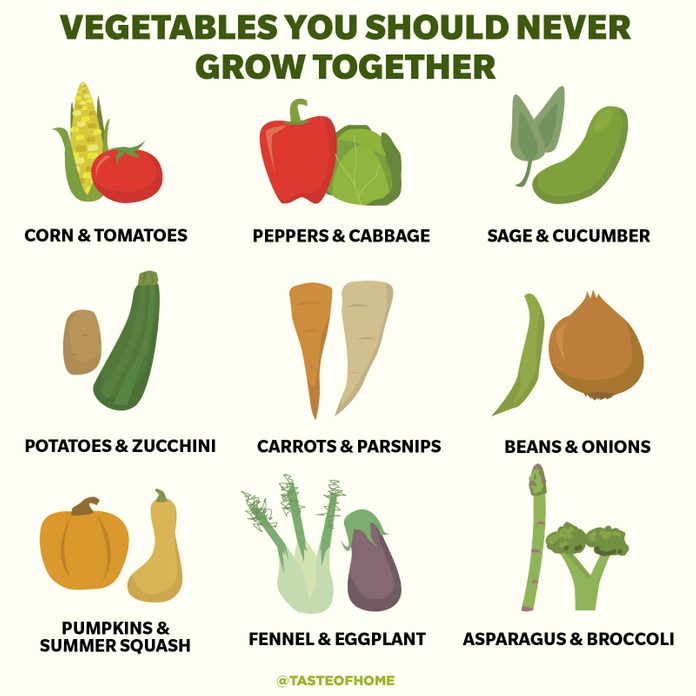
Carrots are generally known for their versatility in the garden, but certain plants can hinder their growth and development. Here are some plants that should not be planted near carrots:
Plants that Compete for Nutrients
Carrots require a specific balance of nutrients to thrive, and some plants can significantly compete for these essential resources. When planted too close to carrots, these plants can deplete the soil of vital nutrients, affecting the growth of the carrots.
- Onions: Onions have a strong root system that absorbs nutrients quickly.
- Garlic: Like onions, garlic can take up nutrients that carrots need.
- Leeks: Leeks have similar nutrient requirements and can compete with carrots for food.
Plants that Produce Compounds Toxic to Carrots
Certain plants release chemicals in the soil that can hinder the growth of nearby plants, including carrots. These allelopathic plants may not directly compete for nutrients but create an unfavorable environment for carrots.
- Walnuts: The juglone they produce can be toxic to many garden plants, including carrots.
- Comfrey: While comfrey is beneficial in many ways, it can inhibit carrot growth due to its potent compounds.
- Fennel: Fennel is known to be allelopathic and can adversely affect carrot plants.
Plants with Similar Pests and Diseases
Growing plants that are susceptible to the same pests or diseases can create an unhealthy garden environment. Carrots are particularly vulnerable to issues caused by pests that also affect these neighboring plants.
- Celery: Both celery and carrots can attract the same pests, such as the carrot fly.
- Parsley: Parsley can share pests like aphids, which can harm both plants.
- Potatoes: Potatoes can attract common pests that might also affect carrots.
Heavyweight Neighbor Plants
When choosing adjacent plants for your carrots, it is essential to consider their size and growth habit. Larger plants can overshadow younger carrots, limiting their access to sunlight and reducing their growth potential.
- Tomatoes: Their tall growth habit can block sunlight from reaching carrots.
- Brassicas: Cabbage, broccoli, and other brassicas can overshadow smaller carrot plants.
- Corn: While attractive, corn can grow tall and outcompete carrots for sunlight.
Plants that Need Different Soil Conditions
Different plants have varying soil needs, including pH levels and drainage. Planting carrots alongside those that prefer distinctly different conditions can compromise their growth and yield.
- Peas: They prefer slightly acidic conditions, unlike carrots, which thrive in more neutral soils.
- Rhubarb: Rhubarb prefers moisture-rich soils, which may not suit carrot growth.
- Beets: Though similar in appearance, beets require different soil nutrients compared to carrots.
Questions from Our Readers
What is the best month to plant carrots?
Planting carrots is typically best done in the spring or late summer. In most regions, you should aim to plant them around March to May for a spring crop, or July to August for a fall harvest. The soil temperature should be around 45°F to 85°F for optimal germination.
Can I plant carrots in the winter?
Planting carrots in the winter is generally not recommended due to the cold temperatures, which can freeze the seeds and delay germination. However, you can plant them in late fall before the frost sets in if you use protective covers or mulch to insulate the soil.
How deep should I plant carrot seeds?
Carrot seeds should be planted about 1/4 to 1/2 inch deep in the soil. This depth allows for the seeds to get the moisture they need for germination, while also preventing them from being washed away by rain or disturbed by birds.
What is the ideal soil for growing carrots?
The ideal soil for growing carrots is loose, well-drained, and rich in organic matter. Carrots prefer sandy or loamy soils that allow their roots to expand without obstruction. Adding compost can improve soil structure and provide essential nutrients for healthy growth.
https://youtube.com/watch?v=VAQJgGDlz-s

If you want to read more articles like What is the Best Month to Plant Carrots? A Seasonal Guide for Gardeners, we recommend you check out our Garden category.
Leave a Reply
Related Articles