Why Are Fungicides Bad? Understanding the Risks and Alternatives for Healthier Farming

Fungicides play a pivotal role in agriculture, helping to protect crops from fungal diseases and increase yields. However, their widespread use raises significant concerns regarding environmental and human health impacts. This article delves into the risks associated with fungicide application, including potential harm to beneficial organisms, resistance development in pathogens, and health implications for farmers and consumers. Furthermore, we will explore sustainable alternatives that promote healthier farming practices without compromising crop protection. By understanding the drawbacks of fungicides and the benefits of eco-friendly options, we can work towards a more sustainable agricultural future.
Why Are Fungicides Bad?
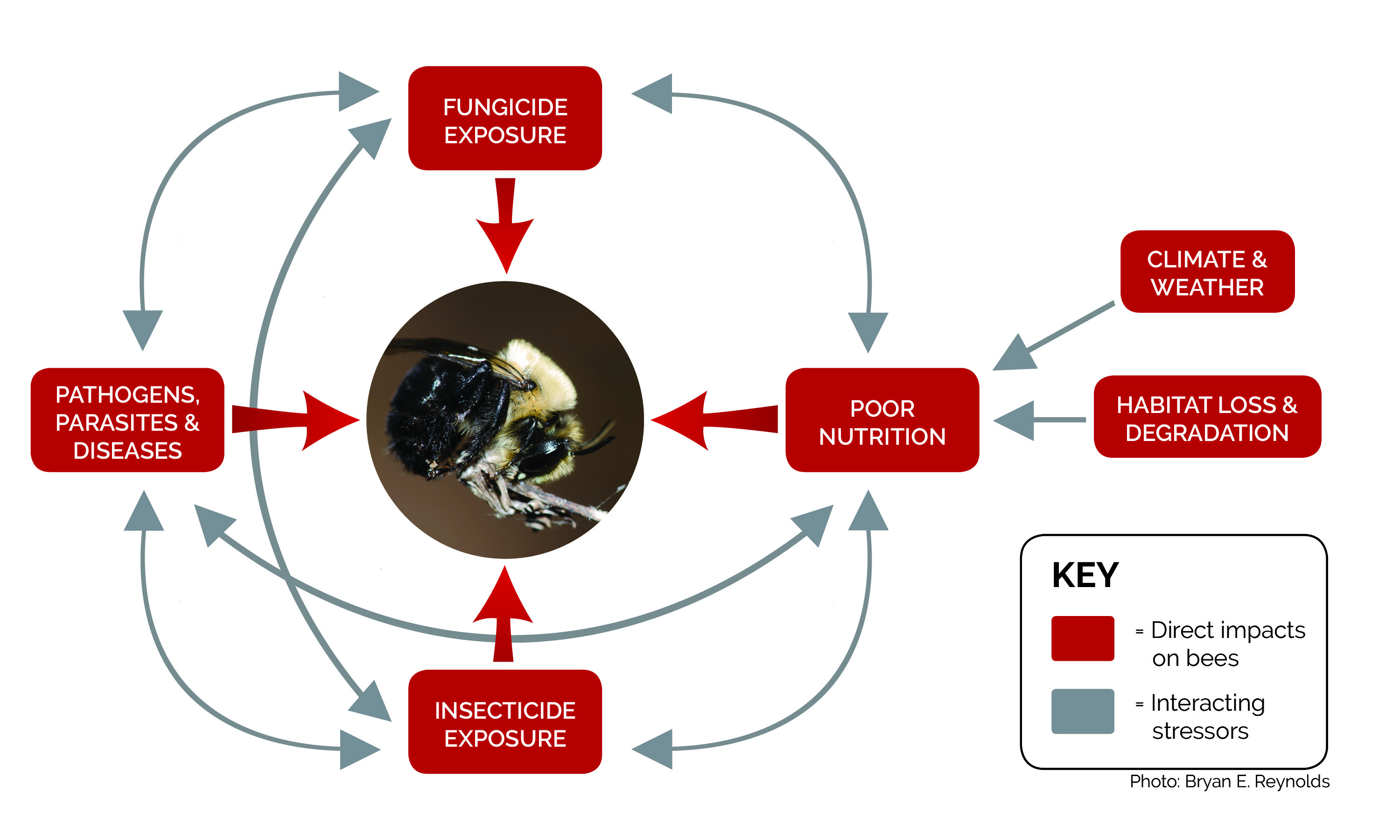
Fungicides, although essential for the control of fungal diseases in agriculture, can pose several risks to human health, biodiversity, and the environment. Many of these chemicals are known to be toxic, potentially leading to adverse health effects such as respiratory issues, skin irritations, and neurological damage upon exposure. Additionally, the overuse of fungicides can contribute to the development of resistant fungal strains, making it increasingly challenging to manage plant diseases. Furthermore, fungicides can have detrimental effects on non-target organisms, including beneficial microbes and pollinators, thereby upsetting the balance of ecosystems.
Health Risks Associated with Fungicides
The health risks linked to fungicides are significant, particularly for agricultural workers who may be exposed to these chemicals regularly. Prolonged exposure can lead to chronic health issues, including cancer, hormone disruption, and neurological conditions. Studies have indicated that certain fungicides can enter the human body through inhalation, skin contact, or ingestion, raising concerns about the potential long-term effects on both workers and consumers of treated crops.
Environmental Impact
Fungicides can have severe repercussions for the environment, affecting not only the targeted fungal pathogens but also a variety of non-target organisms. When these chemicals are used excessively, they can contaminate soil, water, and air, leading to a decrease in biodiversity. Aquatic ecosystems are particularly vulnerable, as run-off can deposit fungicide residues into lakes and rivers, harming fish, amphibians, and other wildlife that rely on these habitats.
Development of Resistance
One of the most concerning issues with fungicide use is the development of resistance among fungal populations. Over time, the repeated application of fungicides can lead to genetic mutations in fungi that allow them to survive even in the presence of these chemicals. This phenomenon not only reduces the effectiveness of fungicides but can also lead to more aggressive fungal strains that are difficult to control, ultimately threatening crop yields and food security.
Impact on Beneficial Organisms
The application of fungicides can adversely affect beneficial organisms in the ecosystem, such as earthworms, insects, and microbial communities that contribute to soil health. These organisms play a crucial role in nutrient cycling, pollination, and pest control, and their decline due to fungicide exposure can disrupt natural processes. This shift can lead to increased pest populations and reduced soil fertility, resulting in a less sustainable agricultural system.
Regulatory Challenges
Regulating fungicides presents numerous challenges for policymakers. The complexity of their chemical compositions, potential environmental impacts, and health risks complicates the approval and monitoring process. Different regions may have varying standards for fungicide use, leading to inconsistencies in safety practices. Furthermore, the push for increased agricultural productivity often results in the prioritization of fungicide availability over thorough risk assessments, placing both humans and ecosystems at risk.
| Aspect | Concerns |
|---|---|
| Health Risks | Exposure can lead to chronic illness, including respiratory and neurological effects. |
| Environmental Impact | Contamination of soil and water, affecting biodiversity. |
| Resistance Development | Repeated use can lead to resilient fungal strains, complicating management. |
| Impact on Beneficial Organisms | Decline in important ecosystem components, affecting crop health. |
| Regulatory Challenges | Difficulties in ensuring safe use and managing public health risks. |
What are the negative effects of fungicides?
Fungicides are chemical compounds used to control fungal diseases in various crops, but their use comes with several negative effects that can impact human health, the environment, and agricultural sustainability. Here are some key areas of concern:
Health Risks to Humans
The application of fungicides poses several health risks to humans, particularly for those who handle these chemicals or live near treated areas. Potential health issues include:
- Respiratory Problems: Inhalation of fungicide particles can lead to respiratory issues, including asthma and other lung conditions.
- Skin Irritation: Direct contact with fungicides may cause skin rashes, burns, or other irritations.
- Endocrine Disruption: Some fungicides have been linked to hormonal imbalances, potentially leading to reproductive health issues and developmental problems.
Impact on Non-target Organisms
Fungicides can adversely affect non-target organisms, including beneficial microorganisms, insects, and wildlife. Significant impacts include:
- Loss of Biodiversity: The application of fungicides can decimate beneficial fungi and bacteria that are essential for soil health and crop growth.
- Harm to Pollinators: Some fungicides are toxic to pollinators, such as bees, which can lead to reduced crop yields due to decreased pollination.
- Disruption of Ecosystems: The imbalance caused by the elimination of specific species can disrupt local ecosystems and food webs.
Environmental Contamination
Fungicides pose a risk of environmental contamination, affecting soil, water, and vegetation. Key effects include:
- Soil Quality Degradation: Continuous fungicide use can lead to harmful changes in soil microbiomes, affecting nutrient cycling and soil fertility.
- Water Pollution: Runoff from treated fields can carry fungicides into nearby rivers and lakes, harming aquatic life.
- Persistence in the Environment: Some fungicides are resistant to degradation, leading to long-term contamination risks.
Development of Resistant Fungal Strains
Overreliance on fungicides can lead to the emergence of resistant fungal strains. This phenomenon has significant implications, such as:
See also:
- Treatment Failures: As fungi evolve resistance, previously effective fungicides may no longer control diseases, resulting in increased crop losses.
- Disease Outbreaks: Resistant strains can lead to more severe outbreaks, complicating management efforts and increasing costs for farmers.
- Increased Use of Toxic Chemicals: The need for alternative treatments may prompt farmers to resort to more toxic chemicals to combat resistant fungi, further exacerbating health and environmental issues.
Socioeconomic Impacts
The use of fungicides can have socioeconomic impacts on farming communities and consumers. Important aspects include:
- Increased Production Costs: Farmers may face higher costs due to the need for more fungicides or alternative treatments, affecting their profits.
- Public Health Expenses: Health issues arising from fungicide exposure can lead to increased healthcare costs for communities and governments.
- Market Access and Consumer Demand: As consumers become more aware of the negative impacts of fungicides, demand for organic and pesticide-free produce may rise, affecting conventional farming markets.
Is fungicide harmful to plants?

Fungicides are chemicals used to control fungal diseases in plants. While they are effective in managing these diseases, the potential harm to plants depends on several factors, such as the type of fungicide, its application method, and the plant species being treated.
Types of Fungicides
Different types of fungicides exist, and their effects on plants can vary significantly.
- Contact Fungicides: These work on the surface of the plant and usually do not penetrate tissues. They are less likely to cause damage to the plant.
- Systemic Fungicides: These are absorbed by the plant and can cause internal damage if misapplied or used in high concentrations.
- Biological Fungicides: Made from natural organisms, they are generally less harmful to plants and promote healthy microbial communities.
Application Methods
The method of application plays a crucial role in determining how harmful a fungicide can be to plants.
- Foliar Spraying: This method can lead to leaf burn if applied during hot weather or when plants are stressed.
- Soil Application: If fungicides are applied directly to the soil, the concentration must be monitored to avoid toxicity to plant roots.
- Seed Treatment: While effective, improper concentrations can harm emerging seedlings.
Plant Sensitivity
Certain plants have varying levels of sensitivity to fungicides, which can affect their health and growth.
- Ornamental Plants: Some decorative plants might not tolerate certain fungicides well, leading to leaf discoloration or stress.
- Vegetables and Fruits: Edible plants can suffer from reduced yields or nutritional value if fungicides are not applied correctly.
- Turfgrass: Grass species can react differently, with some experiencing yellowing or other adverse effects from specific compounds.
Environmental Factors
The environment where fungicides are applied can influence their effectiveness and potential harm to plants.
- Temperature: High temperatures can increase the risk of plant damage while applying fungicides.
- Moisture Levels: Wet conditions can facilitate better absorption of some fungicides, potentially leading to overexposure.
- Wind Conditions: Wind can lead to drift, causing unintended plant exposure and damage to nearby crops or ornamental plants.
Resistance and Long-term Effects
Using fungicides improperly can lead to resistance in fungal pathogens, as well as long-term effects on plant health.
- Development of Resistance: Overusing fungicides can lead to resistance, making future treatments less effective.
- Soil Health: Frequent use can disrupt beneficial soil microorganisms, affecting overall plant vitality.
- Bioaccumulation: Some fungicides may accumulate in plant tissues, potentially impacting human health and ecosystem balance.
What are the advantages and disadvantages of fungicides?

Fungicides are chemical compounds used to control or eliminate fungal infections in plants, crops, and sometimes in humans and animals. They play a significant role in agriculture and can have both advantageous and disadvantageous impacts.
Advantages of Fungicides
Fungicides offer a range of benefits that can enhance agricultural productivity and protect crops from damage caused by fungi.
- Prevention of Crop Loss: Fungicides significantly reduce the incidence of fungal diseases, which can lead to substantial crop losses. By effectively managing these diseases, farmers can protect their yields and ensure a steady food supply.
- Increased Yield: By controlling fungal pathogens, fungicides can contribute to higher crop yields. Healthier plants can produce more fruit, seeds, or biomass, which is essential for both commercial and subsistence farming.
- Extended Shelf Life: Applying fungicides can help prolong the shelf life of harvested produce, reducing post-harvest losses and ensuring that fruits and vegetables remain marketable for extended periods.
Disadvantages of Fungicides
Despite their benefits, fungicides also come with several disadvantages that must be carefully considered.
- Development of Resistance: Over time, fungal pathogens can develop resistance to fungicides, rendering them less effective or even useless. This can lead to the need for stronger chemicals or more frequent applications, increasing costs and environmental impact.
- Negative Environmental Impact: Fungicides can have harmful effects on non-target organisms, including beneficial fungi, insects, and aquatic ecosystems. This environmental toxicity can disrupt natural ecosystems and lead to biodiversity loss.
- Human Health Risks: Some fungicides may pose health risks to humans, especially those who handle them without proper protective equipment. Studies have shown potential links between certain fungicides and various health issues, highlighting the importance of safe application practices.
Types of Fungicides
There are various types of fungicides, each with different modes of action and usage depending on the plant and fungal species involved.
See also:
- Contact Fungicides: These fungicides remain on the surface of plants and act as a barrier to prevent fungal spores from germinating. They are effective for preventive treatments.
- Systemic Fungicides: These are absorbed by the plant and can provide internal protection. Systemic fungicides are often used to treat existing infections while preventing new ones.
- Biological Fungicides: Derived from natural organisms, these fungicides harness beneficial microbes to combat fungal pathogens, offering an environmentally friendly alternative to chemical fungicides.
Application Methods of Fungicides
The method of application is crucial for the effectiveness of fungicides and varies depending on the target organism and crop.
- Foliar Sprays: Fungicides are sprayed directly onto the leaves of plants, which is effective for treating surface fungal infections that can be seen.
- Soil Treatment: Some fungicides are applied to the soil to control root diseases. This method ensures that the plant's root system is protected from soil-borne pathogens.
- Seed Treatments: Fungicides can also be applied to seeds before planting to protect them from diseases during germination and early growth stages.
Regulations and Safety Measures
The use of fungicides is often governed by strict regulations to ensure safety for humans and the environment.
- Label Instructions: It is essential for users to strictly follow the label instructions provided by the manufacturer to avoid negative health and environmental impacts.
- Protective Gear: When applying fungicides, proper personal protective equipment (PPE) such as gloves, masks, and goggles should be worn to minimize exposure.
- Integration with Other Practices: Combining fungicide use with other sustainable practices, such as crop rotation and resistant varieties, can lead to more effective disease management and reduce reliance on chemical treatments.
Is fungicide hazardous?

Fungicides are chemicals used to prevent, control, or eliminate fungal infections in plants, crops, and sometimes in other environments. While they are effective in managing fungal diseases, many fungicides can be hazardous to human health and the environment. The hazardous nature of fungicides depends on their chemical composition, the method of application, and the quantity used. Here are some factors to consider regarding the hazards associated with fungicides.
Potential Health Risks of Fungicides
Fungicides can pose several potential health risks to humans, especially those who apply them or come into contact with treated areas:
- Inhalation Risks: Breathing in fungicide vapors or particles can cause respiratory issues.
- Dermal Exposure: Skin contact can result in irritations, allergic reactions, or more severe dermatological problems.
- Long-term Effects: Prolonged exposure has been linked to chronic health issues such as liver damage or cancer.
Environmental Impact of Fungicides
The environmental impact of fungicides is a significant concern, particularly regarding non-target species and ecosystems:
- Ecosystem Disruption: Fungicides can affect not only target fungi but also beneficial organisms like fungi involved in soil health.
- Water Pollution: Runoff from treated areas can contaminate water bodies, affecting aquatic life.
- Biodiversity Loss: The use of fungicides can lead to a reduction in biodiversity as natural predators and pollinators are harmed.
Fungicide Regulations
Due to their potential hazards, fungicides are subject to strict regulations and guidelines:
- Registration Requirements: In many countries, chemicals must be registered with regulatory bodies before they can be sold or used.
- Labeling: Proper labeling is required to inform users about safe handling and potential hazards.
- Usage Guidelines: Regulations provide guidelines on the safe application, including restricted areas and application rates.
Safe Handling Practices
To minimize the risks associated with fungicides, safe handling practices are crucial:
- Personal Protective Equipment (PPE): Always use gloves, masks, and protective clothing when handling fungicides.
- Proper Storage: Store fungicides in a cool, dry, and secure location away from children and animals.
- Application Techniques: Use recommended spraying techniques and equipment to prevent drift and over-application.
Alternatives to Chemical Fungicides
There are several alternatives to chemical fungicides for those seeking safer options:
- Organic Treatments: Methods such as neem oil, baking soda, or vinegar can be effective against fungi.
- Cultural Practices: Crop rotation, proper spacing, and sanitation can help prevent fungal infections naturally.
- Biological Control: Utilizing beneficial fungi and bacteria can inhibit the growth of harmful fungi.
Questions from Our Readers
What are the primary reasons fungicides can be harmful?
Fungicides can be harmful for several reasons, including their potential to harm beneficial organisms, development of resistance in fungi, and toxicity to non-target species, including humans. The use of these chemicals can disrupt ecosystems and lead to negative impacts on biodiversity.
How do fungicides affect human health?
Fungicides can pose risks to human health through acute and chronic exposure, leading to potential skin irritations, respiratory problems, and even neurological effects. Some fungicides have been linked to more serious health issues, including endocrine disruption and an increased risk of cancer.
What environmental impacts do fungicides have?
The environmental impacts of fungicides can be significant, as they may contaminate soil and water sources, adversely affecting aquatic life and terrestrial ecosystems. They can also lead to a reduction in pollinator populations, which play a crucial role in plant reproduction and agricultural production.
Are there alternatives to chemical fungicides?
Yes, there are several alternatives to chemical fungicides, including biological control methods that utilize natural predators or beneficial microorganisms. Additionally, practices such as crop rotation, resistant plant varieties, and maintaining proper sanitation can effectively manage fungal diseases without relying on harmful chemicals.
See also:

If you want to read more articles like Why Are Fungicides Bad? Understanding the Risks and Alternatives for Healthier Farming, we recommend you check out our Garden category.
Leave a Reply
Related Articles