Discover What is the Best Natural Pest Control for Gardens? Tips and Techniques for Effective Solutions

Gardening is a rewarding endeavor, but it often comes with the challenge of managing pests that threaten the health and beauty of your plants. Discovering the best natural pest control methods can help you maintain a thriving garden without relying on harsh chemicals. This article delves into effective tips and techniques for implementing natural solutions that not only protect your plants but also promote a healthy ecosystem. From beneficial insects to homemade remedies, explore the diverse ways to combat pests sustainably while enhancing your gardening experience. Say goodbye to synthetic pesticides and hello to nature-friendly alternatives!
Natural Pest Control: Best Methods for Your Garden
Using natural pest control methods in your garden is essential for maintaining a healthy ecosystem while effectively managing pests. One of the best approaches is to implement a combination of biological controls, such as encouraging beneficial insects like ladybugs and lacewings, and using natural repellents derived from plants, such as neem oil or diatomaceous earth. These methods not only target harmful pests but also preserve the population of pollinators and other non-target organisms. Additionally, practices like crop rotation and companion planting can naturally deter pests while enhancing the overall health of your garden, making it flourish without the need for harsh chemicals.
Encouraging Beneficial Insects
One effective way to control pests naturally is by encouraging beneficial insects in your garden. Ladybugs, for instance, feed on aphids, while lacewings prey on various pests, including caterpillars and mealybugs. Planting flowers that attract these insects, such as dill, fennel, and yarrow, can create a biodiverse environment conducive to pest control. By maintaining a habitat rich in beneficial insects, gardeners can minimize the population of harmful pests naturally, promoting a balanced and healthy garden ecosystem.
Using Natural Repellents
Natural repellents, such as neem oil and diatomaceous earth, serve as effective pest control methods. Neem oil, derived from the seeds of the neem tree, disrupts the life cycle of insects and acts as a deterrent to various pests, including whiteflies and spider mites. On the other hand, diatomaceous earth is a fine powder made from fossilized algae that can dehydrate pests on contact. Sprinkling these products around the garden provides a chemical-free alternative that is safe for the environment while effectively reducing pest populations.
Crop Rotation and Companion Planting
Implementing crop rotation and companion planting can significantly deter pests in your garden. By rotating your crops each season, you can disrupt pest life cycles and reduce the risk of infestations. Moreover, companion planting involves pairing plants that mutually benefit each other. For example, planting marigolds alongside your vegetables can repel nematodes and aphids. This method not only helps control pests but also enhances plant growth by improving soil health and providing habitat for beneficial insects.
Creating Habitat for Predators
Creating a habitat for predatory species such as birds, bats, and frogs can provide natural pest control. Installing birdhouses, bat boxes, and creating shallow water sources can attract these natural predators to your garden. By doing so, you encourage a natural balance, as these creatures feed on various pests throughout the garden. This method not only supports pest management but also enhances your garden’s biodiversity, leading to a more robust ecosystem.
Monitoring and Handpicking Pests
Regular ...monitoring... of your garden is crucial for effective pest control. By checking your plants frequently, you can identify pests early on and address them before they escalate into significant problems. Handpicking larger pests, such as slugs and caterpillars, directly removes them from your plants without the need for chemicals. This proactive approach decreases plant damage and fosters a healthier garden environment while keeping pest populations in check.
| Method | Description |
|---|---|
| Encouraging Beneficial Insects | Attracting insects like ladybugs that prey on harmful pests. |
| Natural Repellents | Using products like neem oil and diatomaceous earth to deter pests. |
| Crop Rotation | Changing plant locations yearly to disrupt pest life cycles. |
| Habitat Creation | Providing homes for predators such as birds and bats. |
| Monitoring and Handpicking | Regular checks and manual removal of pests from plants. |
What is the best natural pest repellent for gardens?

The best natural pest repellent for gardens is often considered to be neem oil, derived from the seeds of the neem tree (Azadirachta indica). Neem oil is effective against a wide variety of garden pests while being safe for humans and beneficial insects when used correctly. Its primary active ingredient, azadirachtin, disrupts the pest's hormonal systems, leading to reduced feeding and reproductive capabilities.
Common Garden Pests and Their Impact
Many gardeners face challenges from common pests that can devastate plants if not managed properly. These include:
- Aphids - These small insects suck the sap from plants, causing stunted growth and distorted leaves.
- Spider Mites - Extremely tiny pests that can create webbing and lead to yellowing leaves.
- Caterpillars - The larval stage of moths and butterflies that can chew large holes in leaves.
Benefits of Using Neem Oil
Neem oil offers several advantages that make it a preferred choice for natural pest control:
- Multi-functional - It acts as an insecticide, fungicide, and miticide, making it versatile.
- Non-toxic - Safe for pets and beneficial insects when applied correctly and in moderation.
- Systemic action - When absorbed by plants, it can protect them from pests for several weeks.
How to Use Neem Oil in the Garden
Applying neem oil effectively requires attention to detail to maximize its benefits:
- Dilution - Mix neem oil with water and a mild soap to help with emulsification.
- Timing - Spray during early morning or late evening to avoid direct sunlight that may degrade the active ingredients.
- Frequency - Apply every 7 to 14 days, especially after rain, to maintain efficacy.
Alternative Natural Pest Control Methods
There are several other natural pest control methods that gardeners may consider alongside neem oil:
- Essential Oils - Oils such as peppermint and rosemary can deter pests through their strong aromas.
- Garlic Spray - A homemade spray made with garlic can repel aphids and other soft-bodied insects.
- Companion Planting - Some plants repel pests naturally; for example, marigolds can deter nematodes.
Potential Limitations of Neem Oil
While neem oil is effective, gardeners should be aware of potential limitations when using it:
See also:
- Not a quick fix - It may take a few applications to see significant results against persistent infestations.
- Possible plant sensitivity - Some plants may exhibit sensitivity to neem oil, so testing is advised.
- Degradation in sunlight - Neem oil can degrade if left exposed to sunlight, reducing its effectiveness.
How to control pests in a garden organically?
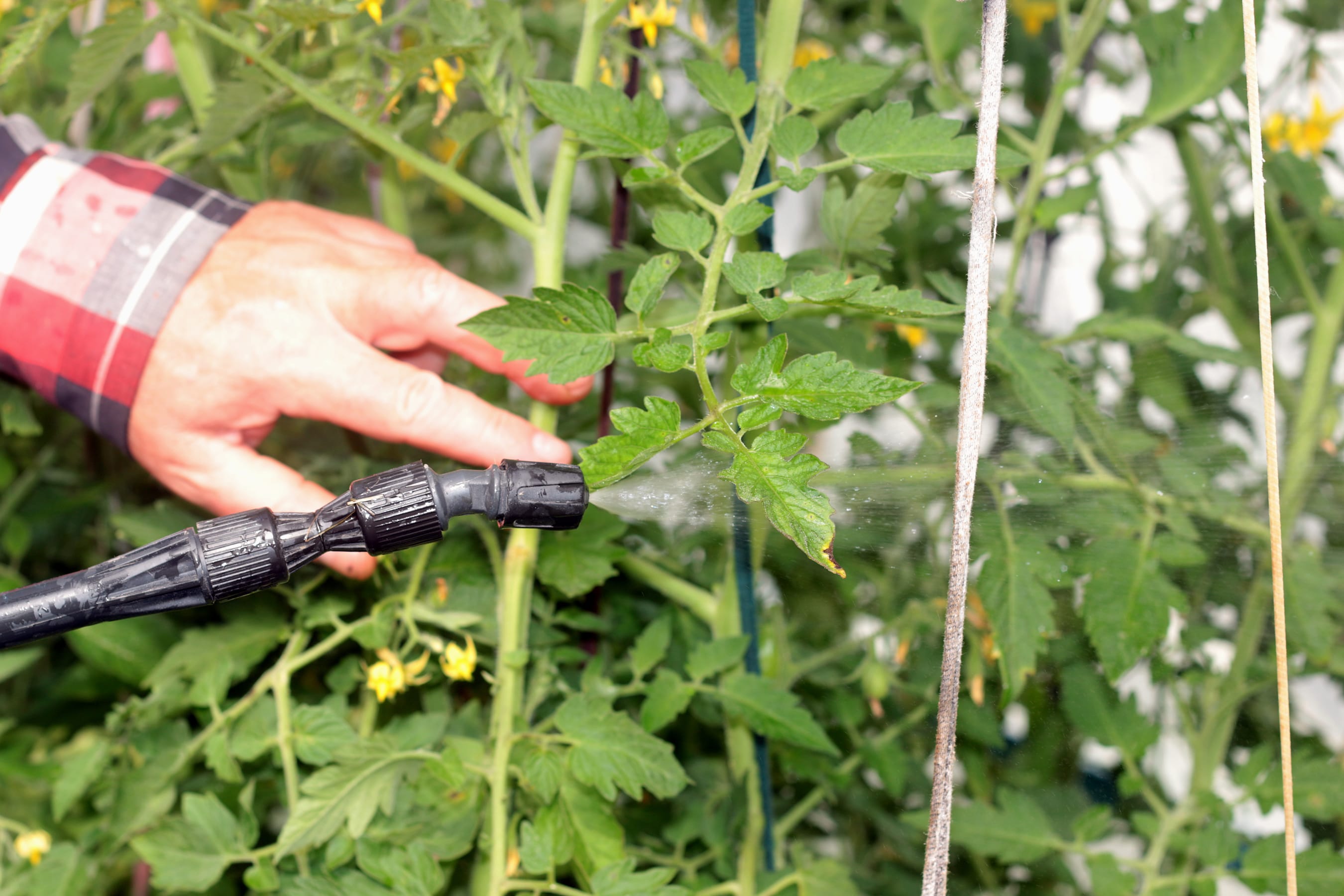
To control pests in a garden organically, it is essential to embrace practices that promote a healthy ecosystem, reducing the likelihood of pest infestations while minimizing harmful chemicals. Here are several effective strategies and techniques to manage pests naturally:
Utilizing Beneficial Insects
One of the most effective ways to control pests organically is through the introduction of beneficial insects. These insects help maintain the balance in your garden by preying on harmful pests.
- Ladybugs: These insects are well-known for their appetite for aphids and other soft-bodied insects.
- Praying Mantises: These predators will consume a variety of pests and can be introduced to your garden.
- Hoverflies: The larvae of hoverflies feed on aphids, making them a valuable addition when dealing with aphid infestations.
Implementing Companion Planting
Companion planting involves placing certain plants next to each other to deter pests or attract beneficial agents. This symbiotic relationship can act as a natural pest control strategy.
- Marigolds: These flowers can repel nematodes and certain beetles.
- Basil with Tomatoes: Basil can repel common tomato pests while enhancing the growth of tomatoes.
- Coriander: This herb can attract beneficial insects while repelling harmful ones.
Creating Physical Barriers
Using physical barriers can effectively reduce pest access to your crops. These can include things like row covers or insect netting.
- Row Covers: Lightweight fabric covers keep insects from reaching your plants while allowing sunlight and moisture to penetrate.
- Netting: Specifically designed to keep birds and larger pests away from delicate plants.
- Copper Tape: This can deter slugs and snails when wrapped around pots or garden beds.
Regular Monitoring and Cultural Practices
Regularly monitoring your garden allows you to catch pest issues early. Cultural practices can also help reduce pest populations.
- Crop Rotation: This prevents pests and diseases that thrive in specific plants from establishing a stronghold.
- Sanitation: Keeping the garden clean and removing debris can prevent pest infestations.
- Water Management: Avoiding over-watering prevents conditions that attract pests like mosquitoes and root rot, which can attract other pests.
Homemade Organic Remedies
Employing homemade organic remedies can be an effective solution against common pests without introducing chemicals into your garden.
- Neem Oil: A natural pesticide derived from the neem tree that disrupts the life cycle of insects.
- Garlic Spray: A mixture of garlic and water can repel a variety of pests due to its strong odor.
- Soap Sprays: Soft soap mixed with water can be sprayed directly on pests like aphids to suffocate and remove them.
What is the most powerful natural insecticide for plants?
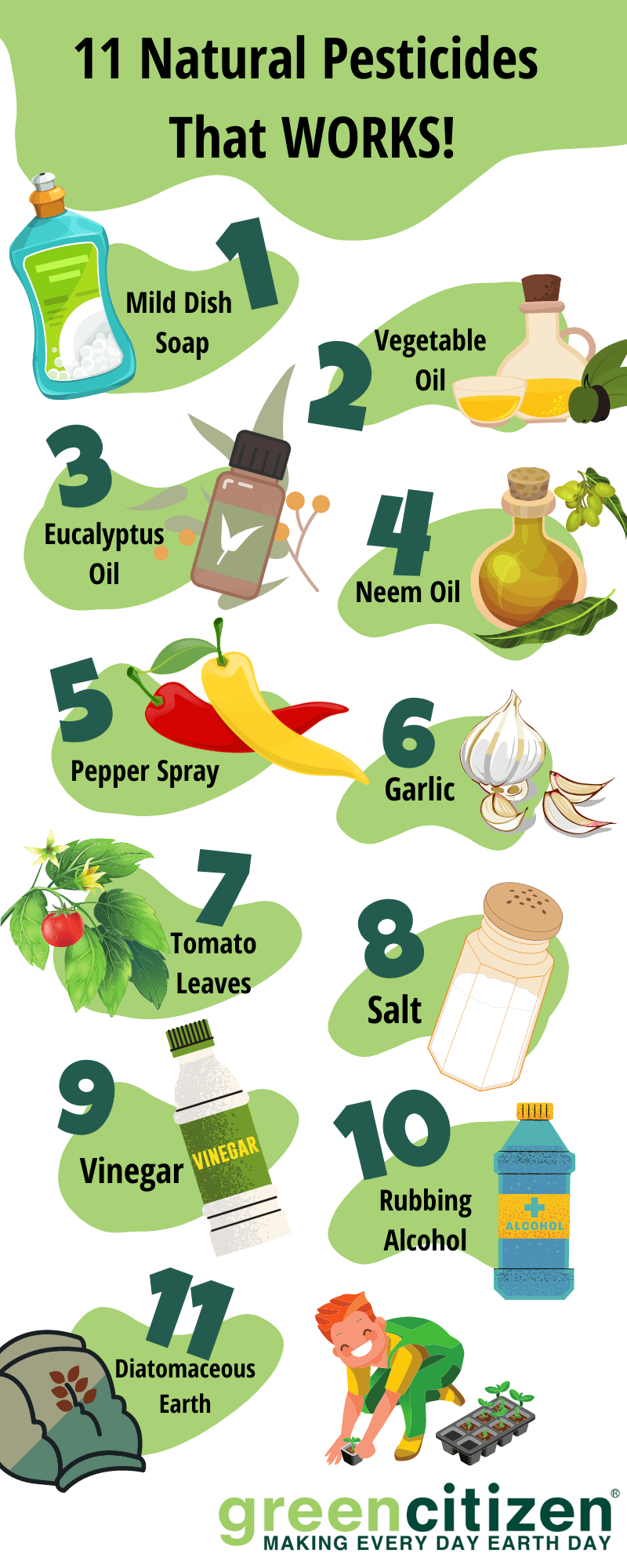
The most powerful natural insecticide for plants is often considered to be neem oil. Extracted from the seeds of the neem tree (Azadirachta indica), neem oil has been used for centuries in traditional agriculture for its insecticidal properties. It contains various compounds that disrupt the life cycle of insects, making it effective against a wide range of pests. Neem oil not only deters insects but also has antifungal properties that can help protect plants from diseases.
What is Neem Oil?
Neem oil is derived from the seeds of the neem tree and is known for its diverse therapeutic properties. The oil contains azadirachtin, a compound that interferes with the growth and reproduction of insects. In addition to its insecticidal effects, neem oil can also act as a fungicide, making it particularly beneficial for farming and gardening.
- Natural Extraction: Neem oil is produced through cold pressing of neem seeds.
- Active Compounds: Contains azadirachtin, nimbidin, and other compounds beneficial for pest control.
- Usage Forms: Can be used in various formulations, including sprays and drenches.
How Does Neem Oil Work?
Neem oil works by disrupting various stages of an insect's life cycle. When insects ingest neem oil, it affects their feeding habits and reproductive systems. Specifically, it can cause pests to stop eating or become unable to reproduce, effectively controlling their populations.
- Insect Growth Regulator: Alters the hormonal balance of insects, preventing development.
- Feeding Deterrent: Repeals pests by creating an unpleasant taste.
- Targeted Effects: Effective against aphids, thrips, whiteflies, and mites.
Application Methods for Neem Oil
To effectively use neem oil as an insecticide, it should be mixed with water and, in some cases, an emulsifier to enhance its performance. It is essential to follow the correct application techniques to maximize its effectiveness and minimize any adverse effects on beneficial insects.
- Spray Application: Dilute neem oil with water and spray directly on affected plants.
- Soil Drench: Mix with water and apply to the soil for systemic protection.
- Timing: Apply in the early morning or late afternoon to avoid harming pollinators.
Benefits of Using Neem Oil
Using neem oil not only effectively manages pest populations but also offers several ecological benefits. It is biodegradable, non-toxic to beneficial insects, and has minimal residual effect on plants, making it a sustainable choice for gardeners and farmers.
- Organic Farming: Complies with organic farming standards; safe for edible plants.
- Non-Toxic: Less harmful than synthetic pesticides for humans and animals.
- Multi-Purpose: Helps in managing both insect pests and plant diseases.
Precautions When Using Neem Oil
While neem oil is deemed safe for use, certain precautions are essential to ensure its effectiveness and reduce any potential side effects. Users should always consider the specific plant type and pest involved before application.
See also:
- Test on a Small Area: Always conduct a patch test to avoid harming sensitive plants.
- Concentration Matters: Use the recommended dilution to prevent leaf burn.
- Compatibility: Check compatibility with other pesticides or fertilizers.
What home remedy kills bugs in a vegetable garden?
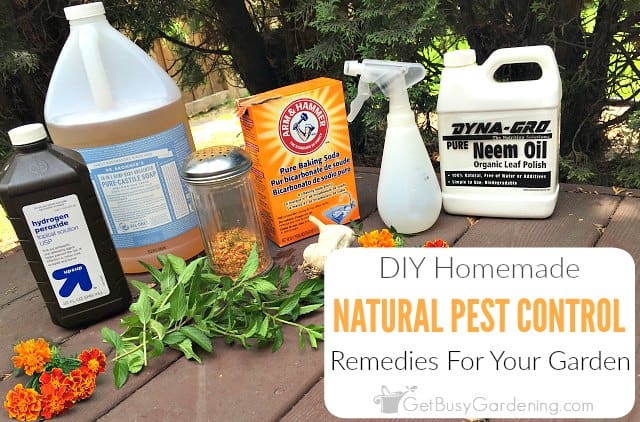
One effective home remedy for killing bugs in a vegetable garden is the use of a soap spray. This method is particularly useful for soft-bodied insects such as aphids, spider mites, and whiteflies. The soap works by suffocating these insects and disrupting their outer cell membranes. Here’s how to make and apply a soap spray:
Ingredients:
- 1-2 tablespoons of mild liquid soap (like castile soap)
- 1 quart of water
- A spray bottle
Instructions:
1. Mix the soap and water in the spray bottle.
2. Shake the mixture gently to combine.
3. Spray the affected plants thoroughly, making sure to cover the undersides of leaves where bugs often hide.
4. Reapply every few days or after rain.
By using this simple home remedy, gardeners can effectively manage bug infestations without resorting to harsh chemicals.
Natural Insect Repellents
Natural insect repellents can be an effective way to protect your vegetable garden from pests. Common options include:
- Peppermint Oil: Diluted in water, peppermint oil can deter a variety of insects.
- Garlic Spray: The strong odor of garlic can repel many bugs, making it a great addition to your garden routine.
- Cayenne Pepper: Mixing cayenne pepper with water can create a potent insect repellent spray.
Beneficial Insects
Introducing beneficial insects into your garden can help naturally control pest populations. Some options include:
- Ladybugs: These insects are voracious eaters of aphids.
- Praying Mantises: They consume a wide variety of insects, including many garden pests.
- Bees: While not predators, bees help pollinate your plants, encouraging overall plant health.
Companion Planting
Utilizing companion planting strategies can discourage pests naturally. Certain plants can repel insects or attract beneficial species. Examples include:
- Marigolds: These flowers can repel nematodes and harmful bugs.
- Basil: Known to deter flies and mosquitoes, basil is an excellent companion for tomatoes.
- Nasturtiums: These flowers can help trap aphids, keeping them away from your vegetables.
Neem Oil Treatment
Neem oil is derived from the seeds of the neem tree and is a potent home remedy for controlling garden pests. The oil disrupts the life cycle of insects and can also enhance plant health. Here’s how to use it:
- Mix: Combine neem oil with water, according to the instructions on the product label.
- Spray: Apply in the evening or early morning to avoid leaf burn and maximize efficacy.
- Repeat: Reapply every week, especially after heavy rain.
Homemade Hot Pepper Spray
A homemade hot pepper spray can effectively deter a variety of bugs due to its spicy composition. Here’s a simple recipe:
- Ingredients: Combine 1 teaspoon of crushed red pepper with 1 quart of water.
- Infuse: Let the mixture sit overnight to increase potency.
- Strain and Spray: Strain the mixture and spray it on affected plants, focusing on areas where pests are visible.
Questions from Our Readers
What is the best natural pest control for gardens?
Essential oils, such as peppermint or neem oil, are among the best natural pest controls for gardens. These oils not only repel insects but also disrupt their life cycles. Combining these essential oils with a soap solution creates an effective treatment for many common garden pests.
How can I use companion planting as a natural pest control?
Companion planting involves growing certain plants together to naturally deter pests. For instance, planting marigolds near vegetables can repel nematodes and other bothersome insects. This method leverages the natural properties of plants to create a healthy garden ecosystem.
Are there any beneficial insects that can help control pests in my garden?
Yes, introducing beneficial insects like ladybugs and lacewings can significantly aid in pest control. These insects feed on common pests such as aphids and caterpillars, helping to maintain a balanced garden environment without the need for harmful chemicals.
What homemade remedies can I use for pest control in my garden?
Homemade remedies, such as a mixture of water, dish soap, and garlic, can be effective in deterring pests. Spray this solution directly on affected plants to disrupt pest behavior and prevent infestations, promoting a more sustainable approach to gardening.
See also:

If you want to read more articles like Discover What is the Best Natural Pest Control for Gardens? Tips and Techniques for Effective Solutions, we recommend you check out our Garden category.
Leave a Reply
Related Articles