Ultimate Guide: How Often Should I Feed My Garden? Expert Tips and Best Practices

Feeding your garden is essential for promoting healthy plant growth and maximizing yields. With countless fertilizers and feeding schedules available, determining how often to nourish your plants can be overwhelming. This ultimate guide aims to simplify the process, offering expert tips and best practices tailored to various plant types and environmental conditions. Whether you're cultivating vegetables, flowers, or shrubs, understanding the nutritional needs of your garden will help you make informed decisions. Join us as we explore the rhythms of feeding your plants, ensuring they thrive and flourish throughout the growing season.
How Often Should I Feed My Garden?
Feeding your garden is essential for promoting healthy plant growth, but the frequency of feeding largely depends on the type of plants you are growing, the soil quality, and the specific fertilizers you are using. Generally, most garden plants benefit from being fed every 4 to 6 weeks during their active growing season, which usually spans from spring to early fall. It's crucial to observe your plants for signs of nutrient deficiency, such as yellowing leaves or stunted growth, as these can indicate that your plants may require more frequent feeding. Additionally, always follow the recommendations on fertilizer packaging and consider conducting a soil test to determine the specific needs of your garden.
Understanding Nutrient Needs
Each plant species has unique nutrient requirements that can influence how often you should feed them. For instance, leafy greens like spinach and lettuce may require more frequent feeding compared to root vegetables such as carrots and potatoes. Understanding the specific needs of the plants in your garden will help you develop an appropriate feeding schedule that supports their growth and maximizes yield.
Types of Fertilizers
Different types of fertilizers provide nutrients at varying rates. Slow-release fertilizers can be applied less frequently, typically just a few times throughout the growing season, as they gradually release nutrients into the soil. Conversely, liquid fertilizers might require more frequent application, perhaps every couple of weeks, due to their quick absorption by plants. Knowing the type of fertilizer you are using will aid in determining how often to feed your garden effectively.
Signs of Nutrient Deficiency
Regularly monitoring your plants for signs of nutrient deficiency is crucial. Common symptoms include yellowing leaves, poor growth, or browning leaf edges. Addressing these symptoms promptly by adjusting your feeding schedule can prevent further issues and ensure your garden remains healthy and productive. A well-fed garden is less susceptible to diseases and pests, making it vital to be observant.
Soil Quality and Testing
The quality of your soil plays a significant role in how often you should feed your garden. Conducting a soil test can provide valuable insights into nutrient levels and pH balance, which in turn influences your fertilization schedule. If your soil is rich in organic matter and nutrients, you may be able to reduce the frequency of feeding. On the other hand, poorer soils will likely require more frequent applications of fertilizers to ensure that your plants receive adequate nourishment.
Watering and Feeding Interactions
The interaction between watering and feeding your garden cannot be overlooked. Overwatering can leach nutrients away from the soil, resulting in the need for more frequent feeding. Conversely, under-watering may limit the plants' ability to take up nutrients efficiently. Striking the right balance between watering and feeding is essential for optimal plant health and growth, ensuring that your garden thrives throughout the growing season.
| Plant Type | Feeding Frequency |
|---|---|
| Leafy Greens | Every 3-4 weeks |
| Flowering Plants | Every 4-6 weeks |
| Root Vegetables | Every 6-8 weeks |
| Herbs | Every 4 weeks |
| Fruit-bearing Plants | Every 4 weeks |
Can you overfeed your garden?
:max_bytes(150000):strip_icc()/fix-an-overfertilized-lawn-5221846-03-055d82073bd4462ca4ee722041bd0374.jpg)

Yes, you can definitely overfeed your garden. Overfeeding occurs when plants receive too many nutrients, particularly nitrogen, phosphorus, or potassium. This excess can lead to a range of problems, including burnt roots, excessive foliage growth with minimal fruit or flower production, and even a higher susceptibility to pests and diseases. Most garden plants have specific nutrient requirements, and exceeding those can disrupt their natural growth cycle.
Understanding Nutrient Requirements
Plants have specific nutritional needs based on their type, growth stage, and the environment in which they grow.
- Soil quality: The condition of the soil determines how much nutrition plants can naturally absorb.
- Plant type: Different plants have varying requirements; for instance, leafy greens may need more nitrogen than fruiting plants.
- Growth phase: Young plants require different nutrients compared to mature ones.
Signs of Overfeeding
Identifying the signs of overfeeding is crucial to maintaining a healthy garden.
- Leaf burn: The tips of leaves may turn yellow or brown due to excess nutrients.
- Stunted growth: Despite abundant nutrients, plants may not grow as expected.
- Wilting plants: Overfed plants may lack the necessary balance and face water retention issues.
Fertilizer Types and Their Impact
Understanding the different types of fertilizers is essential to avoid overfeeding.
- Granular fertilizers: Slow-releasing and long-lasting but may lead to nutrient accumulation if over-applied.
- Liquid fertilizers: Quick-acting but can cause rapid nutrient overload if used too often.
- Organic vs. Synthetic: Organic fertilizers are less likely to cause overfeeding due to their slower breakdown compared to synthetic options.
Preventing Overfeeding
Taking proactive steps is key to preventing overfeeding in your garden.
- Soil testing: Regularly test your soil to understand its nutrient levels and amend accordingly.
- Follow instructions: Always adhere to the recommended application rates for any fertilizers.
- Observe your plants: Keep an eye on your plants for any unusual signs that might indicate overfeeding.
Adjusting Your Feeding Practices
If you suspect you are overfeeding, it’s essential to adjust your feeding practices promptly.
- Reduce frequency: Cut back on how often you apply fertilizers.
- Flush the soil: Water the plants thoroughly to help leach out excess nutrients from the soil.
- Monitor pH levels: Maintaining an optimal pH can help balance nutrient availability and absorption.
Should your garden be watered every day?
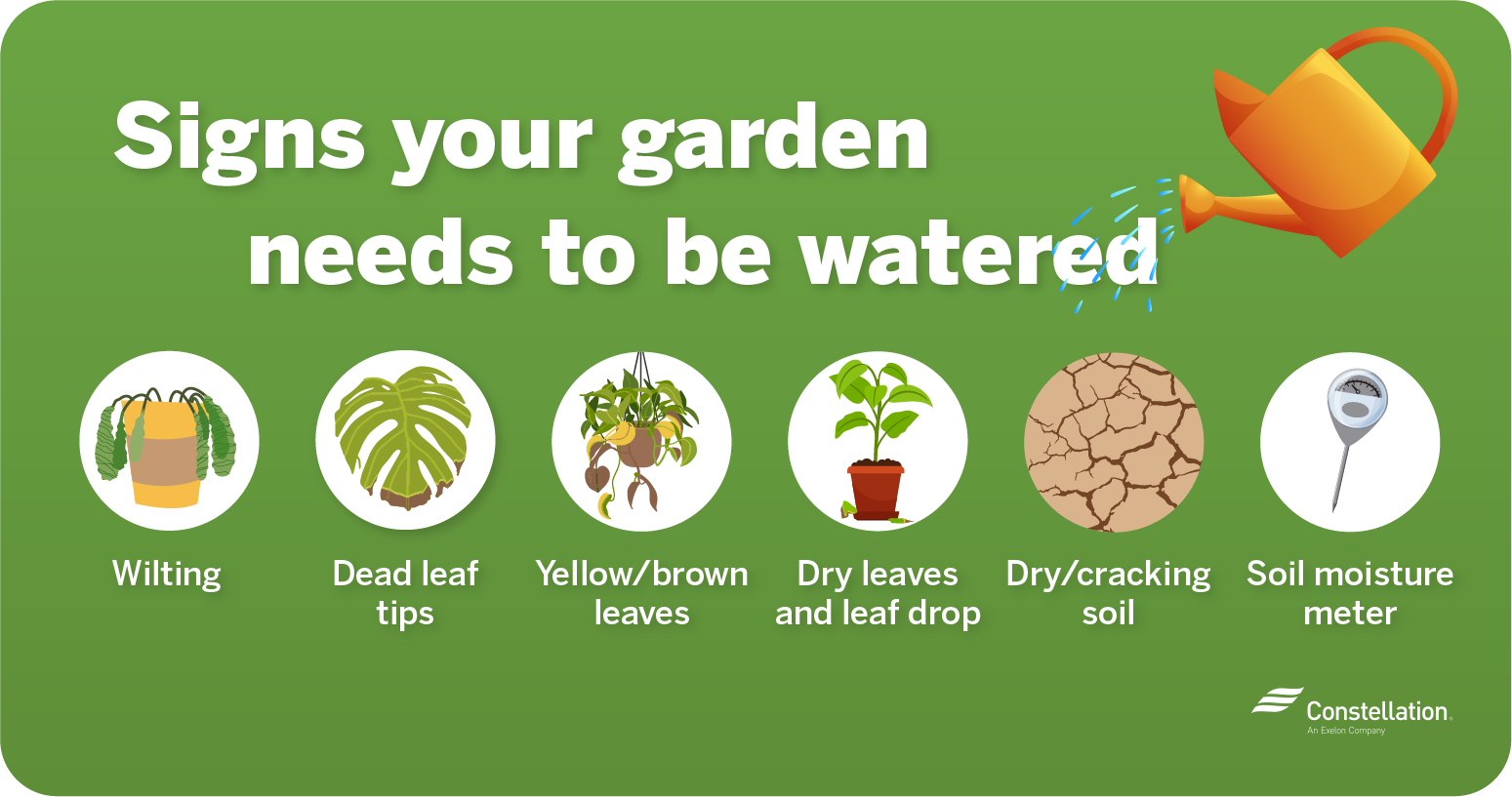
Watering your garden every day is not necessary and can actually be detrimental to both the plants and the soil. The water requirements of plants vary significantly based on several factors, including the type of plants, the weather conditions, soil type, and the time of year. Here are several considerations to help determine the best watering schedule for your garden.
See also:
Understanding Plant Needs
Different plants have varying water needs, which are influenced by their species and growth stage. For example, young seedlings may require more frequent watering to establish roots, while mature plants may have deeper root systems that can access moisture further down in the soil.
- Type of Plant: Some plants, like succulents, prefer drier conditions, while others, such as ferns, thrive in moisture.
- Growth Stage: Newly planted seeds or transplants need more frequent watering compared to established plants.
- Soil Condition: Sandy soils drain quickly and may need daily watering, whereas clay soils retain moisture longer.
Soil Moisture Assessment
Before deciding to water your garden every day, it’s essential to assess the soil moisture. Overwatering can lead to root rot and other issues, so checking the soil’s wetness is crucial.
- Soil Test: Use your finger or a moisture meter to check if the soil feels dry 1-2 inches below the surface.
- Drainage: Good drainage is vital; water should not pool on the surface of the soil.
- Plants’ Appearance: Wilting or yellowing leaves can indicate a need for water or suggest overwatering.
Seasonal Considerations
The season plays a significant role in determining watering needs. During hot summer months, plants typically require more water, whereas cooler months may necessitate less frequent watering.
- Summer: Increased temperatures lead to higher evaporation rates, often requiring more frequent watering (possibly daily).
- Fall: As temperatures drop, many plants enter dormancy, reducing their water needs significantly.
- Winter: In many regions, plants require minimal water; frozen ground can mean no watering is necessary.
Weather Conditions
Adapt your watering routine based on weather conditions. Changes in rainfall and humidity can greatly affect how often you need to water your garden.
- Rain: After a rainfall, the need for watering decreases significantly—always check the forecast and soil moisture.
- Humidity: High humidity can reduce evaporation and may lessen the need for daily watering.
- Wind: Windy conditions can dry out plants quickly, potentially necessitating more frequent watering.
Watering Techniques
Employing the right watering techniques can improve efficiency and effectiveness, helping to conserve water and benefit your plants.
- Deep Watering: Water less frequently but in larger amounts to encourage deep root growth.
- Drip Irrigation: This method efficiently delivers water directly to the plants’ roots, minimizing waste.
- Mulching: Applying mulch helps retain soil moisture, reducing the frequency of watering needed.
Questions from Our Readers
How often should I water my garden?
It is generally recommended to water your garden once a week, giving about an inch of water each time. Weather conditions, such as temperature and humidity, can affect this, so adjust your watering schedule accordingly to ensure your plants receive sufficient moisture.
Should I water my garden in the morning or evening?
Watering your garden in the morning is usually ideal because it allows plants to absorb water before the heat of the day. Evening watering can lead to excessive moisture on leaves overnight, increasing the risk of fungal diseases.
How can I tell if my garden needs watering?
You can check if your garden needs watering by digging a small hole about 2 inches deep. If the soil feels dry at that depth, it's time to water. Additionally, observe your plants for signs of stress, such as wilting or yellowing leaves, which can indicate they need moisture.
See also:
Does the type of plant affect watering frequency?
Yes, different types of plants have varying watering needs. For instance, succulents and certain drought-tolerant plants require less frequent watering compared to tropical plants or vegetables that thrive in consistently moist soil. Always research your specific plants for the best care practices.

If you want to read more articles like Ultimate Guide: How Often Should I Feed My Garden? Expert Tips and Best Practices, we recommend you check out our Garden category.
Leave a Reply
Related Articles