What is the Best Cover Crop for a Vegetable Garden in Canada? Top Choices and Tips for Success

Cover crops play a crucial role in maintaining the health and productivity of vegetable gardens, especially in Canada’s diverse climates. These plants not only enhance soil structure and fertility but also help control weeds and pests naturally. Choosing the right cover crop is essential for maximizing its benefits. In this article, we will explore the best cover crop options tailored for various regions across Canada, taking into account factors such as soil type, seasonal conditions, and specific vegetable crops. Additionally, we'll provide valuable tips to ensure successful growth and effective incorporation of these crops into your gardening practices.
What is the Best Cover Crop for a Vegetable Garden in Canada?
In Canada, the best cover crops for vegetable gardens often include clover, rye, and vetch due to their ability to withstand the varying climatic conditions across the provinces. Clover, particularly red and white varieties, adds essential nitrogen to the soil and improves organic matter, making it an excellent choice for enriching beds before planting vegetables. Rye is another popular option because it grows quickly and prevents soil erosion, while its extensive root system helps in breaking up compacted soil. Vetch not only contributes nitrogen but also offers excellent weed suppression, making it a multifunctional cover crop. Ultimately, the best choice will depend on specific garden needs, soil health, and climate conditions in your area.
Benefits of Cover Crops
Cover crops are incredibly beneficial for enhancing soil fertility, retaining moisture, and minimizing erosion in vegetable gardens. By planting these crops during off-seasons, gardeners can improve soil structure and health, effectively suppress weeds, and promote biodiversity in the garden ecosystem. Additionally, cover crops like clover and rye provide a habitat for beneficial insects and microorganisms, thus bolstering the garden's overall resilience. The incorporation of these plants into the garden cycle can lead to substantial improvements in vegetable yield and quality.
Types of Cover Crops
There are several types of cover crops suitable for Canadian vegetable gardens, including legumes, grasses, and brassicas. Legumes such as alfalfa and vetch enhance nitrogen levels in the soil, which is crucial for the growth of subsequent vegetable crops. Grasses like winter rye and oats are excellent for soil erosion prevention and can be tilled back into the soil to improve organic matter. Brassicas, such as mustard and rapeseed, can help suppress soil-borne diseases and pests while adding nutrients back into the soil when terminated.
Planting and Termination Timing
Timing is critical when it comes to planting and terminating cover crops in Canada. Typically, cover crops should be planted in late summer or early fall to take advantage of the growing season before winter sets in. It's recommended to terminate these crops before they bolt or flower in the spring, as this ensures the best benefits for soil health while preventing nutrient depletion. Gardeners should monitor weather patterns and soil conditions closely to determine the optimal times for both planting and termination.
Soil Health Improvement
Cover crops significantly improve soil health by adding organic matter, increasing nutrient availability, and fostering a diverse microbial community. When allowed to grow and decompose, these crops contribute to higher levels of mycorrhizal fungi and beneficial bacteria in the soil, which are key players in nutrient cycling. Cover crops also reduce compaction and enhance soil aeration, leading to better root development and moisture retention. By improving soil structure, cover crops create a more favorable environment for subsequent vegetable crops.
Choosing the Right Cover Crop for Your Region
Choosing the right cover crop for a vegetable garden in Canada varies by region due to differences in climate, soil type, and other environmental factors. Prospective gardeners should consider local growing conditions, such as frost dates and rainfall patterns. For example, in Ontario, winter rye may be more suitable due to its hardiness, while in British Columbia, clover or field peas might thrive better in the milder winters. Understanding regional nuances is crucial for selecting the most effective cover crop that aligns with desired outcomes.
| Cover Crop | Benefits | Best For |
|---|---|---|
| Red Clover | Enhances nitrogen, improves soil health | Soil enrichment before planting |
| Winter Rye | Prevents erosion, suppresses weeds | Cold climates with winter |
| Field Peas | Nitrogen fixation, organic matter | Milder regions |
| Mustard | Pest suppression, soil health | Various climates, disease control |
| Vetch | Increases soil nitrogen, weed suppression | Cool-season crops |
What is the best cover crop for a vegetable garden?
:max_bytes(150000):strip_icc()/cover-crops-for-your-small-farm-3016670-78ed01311a8847a5b085f0128181f370.jpg)
The best cover crop for a vegetable garden depends on various factors such as climate, soil type, and the specific needs of the garden. However, one of the most widely recommended cover crops is clover. Clover is a legume that helps fix nitrogen in the soil, which is beneficial for subsequent vegetable crops. It enhances soil health, suppresses weeds, and can improve moisture retention.
Benefits of Using Clover as a Cover Crop
Clover provides numerous advantages for vegetable gardens. Here are some key benefits:
- Nitrogen Fixation: Clover captures atmospheric nitrogen and makes it available to plants, helping to improve soil fertility.
- Weed Suppression: Its dense growth habit outcompetes many common weeds, reducing the need for herbicides.
- Soil Structure Improvement: The root system of clover helps to aerate the soil and improve its structure, making it easier for other plants to grow.
Choosing the Right Type of Clover
There are several types of clover to choose from, and selecting the right one is crucial.
- Crimson Clover: Grows quickly and is great for warm-season planting.
- White Clover: A low-growing variety that works well in cooler climates and can act as a perennial ground cover.
- Red Clover: Suitable for cooler climates and often used in crop rotations due to its high biomass production.
When to Plant Cover Crops
Timing is essential for maximizing the benefits of cover crops.
- Fall Planting: Many gardeners plant cover crops in the fall, allowing them to establish before winter, which helps protect the soil.
- Spring Planting: Others may choose to plant in early spring, just before the main vegetable crops are sown.
- After Harvest: Planting cover crops immediately after the vegetable harvest can prevent soil erosion and help retain nutrients.
Termination Methods for Cover Crops
Properly terminating cover crops is important to make way for vegetables without disrupting soil health.
See also:
- Mowing: Cutting the clover down before it blooms can effectively manage growth while adding organic matter to the soil.
- Tilling: Incorporating clover into the soil can improve soil structure and fertility.
- Solarization: Covering with plastic to kill off the plants while allowing soil to heat up can be beneficial before planting vegetables.
Combining Cover Crops
Mixing different types of cover crops can also be advantageous.
- Diversity Benefits: Combining clover with grains like rye can enhance soil organic matter and create an effective weed-suppressing mat.
- Increased Nutrient Availability: Different plants have varying root structures, which can lead to better nutrient extraction from the soil.
- Resilience Against Pest Pressure: A diverse planting can help break pest cycles and improve overall garden health.
What is the best cover for a vegetable garden?

The best cover for a vegetable garden varies based on the specific needs of the plants, local climate conditions, and pest management strategies. However, there are several highly effective options that gardeners can choose from to enhance growth and protect their crops.
1. Row Covers
Row covers are lightweight fabrics that can be draped over plants to provide protection from pests, harsh weather, and frost. They create a microclimate that can promote early growth in seedlings and protect them from extreme temperatures.
- Pest Protection: Row covers keep insects such as aphids and cabbage worms away from your vegetables.
- Temperature Regulation: They trap heat during cooler nights to keep plants warm.
- Light Penetration: Most row covers allow sufficient sunlight to reach the crops, ensuring good photosynthesis.
2. Mulch
Mulching is another effective way to cover a vegetable garden. It involves spreading organic or inorganic materials over the soil surface to regulate temperature, suppress weeds, and maintain soil moisture.
- Weed Suppression: A thick layer of mulch can prevent weed seeds from germinating.
- Moisture Retention: Mulch helps retain soil moisture during dry spells, reducing the need for watering.
- Soil Enrichment: Organic mulches decompose over time, adding nutrients back into the soil.
3. Plastic Covers
Plastic covers, particularly in the form of greenhouse film or tunnels, can be used to create a controlled environment for vegetables. They are particularly useful in colder climates or for extending the growing season.
- Heat Retention: Plastic covers trap heat effectively, which helps in germination and growth.
- Increased Light: Transparent plastic allows sunlight to penetrate while still protecting plants from harsh weather.
- Soil Temperature: They can elevate soil temperatures, making it suitable for planting earlier in the season.
4. Shade Cloth
Shade cloth is an essential cover in hot climates where vegetables can be subject to scorching temperatures and intense sunlight. It helps reduce heat stress on plants and shields them from UV rays.
- Sun Protection: Shade cloth filters sunlight and provides an optimal environment for shade-loving vegetables.
- Temperature Control: It keeps soil and plants cooler during extremely hot periods.
- Water Conservation: Reduces the evaporation of moisture from the soil.
5. Fencing and Barriers
While not a traditional cover, installing fences or barriers adds a protective layer against larger pests like deer, rabbits, and other animals. Creating a physical barrier ensures that your crops remain safe from herbivores.
- Animal Deterrence: Fences can effectively keep out various animals that may harm your plants.
- Customizable Height: Fences can be built to different heights depending on the types of animals in your area.
- Durability: Fences can last for many years if constructed from the right materials.
What is the king of cover crops?
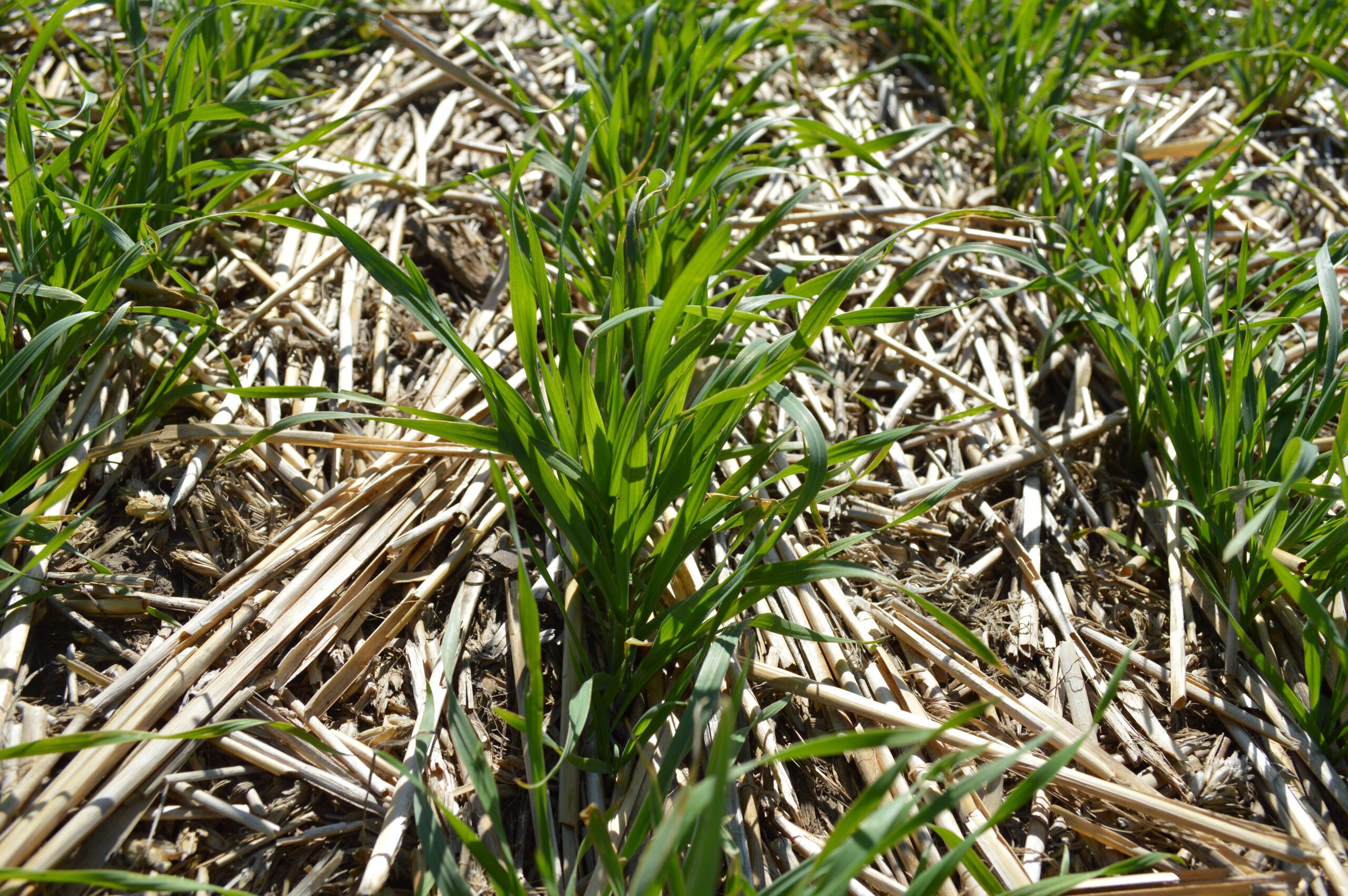
The title of king of cover crops is often attributed to clover, particularly red clover and white clover. These legumes are celebrated for their numerous benefits in agricultural ecosystems. They play a crucial role in improving soil fertility, enhancing biodiversity, and suppressing weeds. Clover is widely used in crop rotation systems to restore nitrogen levels and improve overall soil health.
Benefits of Clover as a Cover Crop
Clover offers several advantages when used as a cover crop, making it a popular choice among farmers and landowners.
- Nitrogen Fixation: Clover species have the ability to fix atmospheric nitrogen, enriching the soil and providing essential nutrients for subsequent crops.
- Soil Structure: The deep root systems of clover improve soil aeration and water infiltration, enhancing the overall soil structure.
- Weed Suppression: Clover forms a dense mat that can help suppress weeds, reducing the need for chemical herbicides.
Types of Clover Used as Cover Crops
There are several types of clover that are commonly used as cover crops, each with distinct characteristics and benefits.
- Red Clover: Known for its rapid growth and ability to produce large amounts of biomass, red clover is excellent for short-term cover.
- White Clover: Adaptable to various soil types, white clover is a perennial option that can provide long-term ground cover.
- Crimson Clover: This type is favored for its beautiful flowers and ability to attract pollinators, contributing to biodiversity.
How to Incorporate Clover into Crop Rotations
Integrating clover into crop rotations can significantly enhance agricultural productivity and sustainability.
See also:
- Timing: Plant clover during the off-season or between cash crops to maximize its benefits.
- Termination: Properly manage the termination of clover to ensure effective nutrient release for subsequent crops.
- Mixing with Other Crops: Combine clover with other cover crops for synergistic effects, improving both biomass and nutrient availability.
Challenges of Using Clover as a Cover Crop
While clover has many advantages, there are also challenges that farmers must consider when using it as a cover crop.
- Pest and Disease Management: Clover can attract certain pests that may affect subsequent cash crops, requiring careful monitoring.
- Competition: If not managed properly, clover can compete with cash crops for nutrients and water, potentially reducing yields.
- Species Selection: Choosing the right type of clover for specific soil and climatic conditions is crucial for successful outcomes.
Conclusion: The Future of Clover in Agriculture
Although the request explicitly states not to conclude, it is worth exploring the potential future roles of clover as agricultural practices evolve to meet the demand for sustainable and regenerative farming. By continuously adapting strategies and utilizing clover efficiently, farmers can harness its full capacity in enhancing soil health and productivity.
What is the highest yielding cover crop?
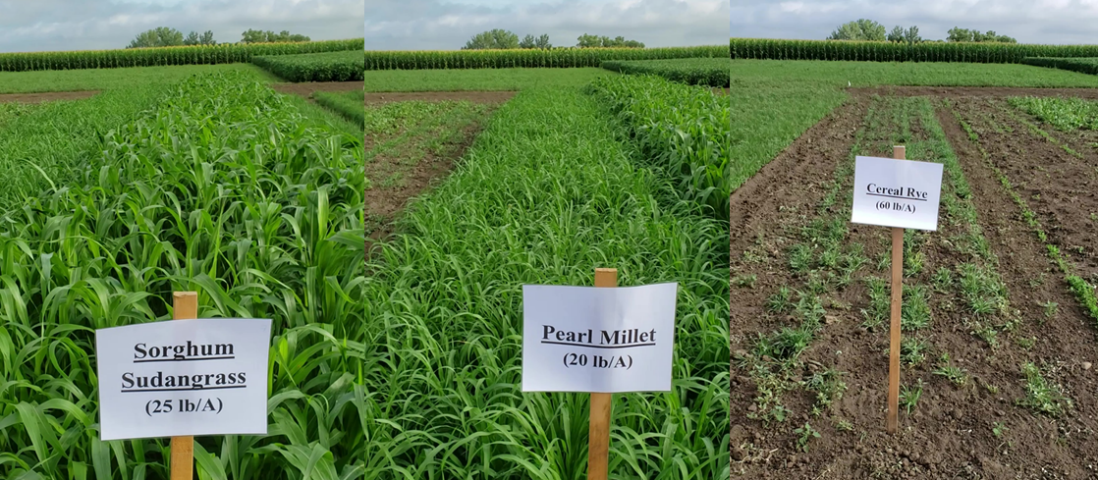
The highest yielding cover crop is often considered to be hairy vetch (Vicia villosa), particularly because of its impressive ability to improve soil fertility, suppress weeds, and enhance soil structure. This leguminous cover crop can produce substantial biomass, which contributes to the overall productivity of the soil and the following cash crops. Hairy vetch has a high nitrogen-fixing capability, making it an ideal choice for crop rotation systems, especially in organic farming practices.
Benefits of Using Hairy Vetch as a Cover Crop
Hairy vetch offers a range of benefits, which makes it a preferred choice among farmers and agriculturalists. Here are some of the significant advantages:
- Nitrogen Fixation: Hairy vetch can fix nitrogen from the atmosphere, enriching the soil and reducing the need for synthetic fertilizers.
- Organic Matter: The biomass produced enhances soil structure and increases organic matter levels, crucial for healthy soil ecosystems.
- Weed Suppression: Its dense growth habit helps to suppress weeds, reducing the need for herbicides and labor.
Planting and Management of Hairy Vetch
The successful planting and management of hairy vetch require careful planning and execution. Here are key practices to consider:
- Seeding Rate: Optimal seeding rates generally range from 20 to 30 pounds per acre to ensure adequate coverage and biomass production.
- Timing: It should be planted in late summer to early fall, allowing for maximum growth before winter dormancy.
- Termination: Timing of termination is crucial; it should be terminated before flowering to maximize nitrogen release and minimize seed production.
Comparison with Other Cover Crops
While hairy vetch is a strong candidate for the highest yielding cover crop, it is essential to compare it with other popular options:
- Clover: Red and white clover are also nitrogen-fixing crops but may not produce as much biomass as hairy vetch.
- Winter Rye: Known for its hardy nature, winter rye establishes quickly and provides good biomass, though it doesn't fix nitrogen.
- Buckwheat: Although it grows rapidly and suppresses weeds effectively, its biomass and nitrogen contribution are lower than that of hairy vetch.
Soil Health Improvement through Cover Crops
Using hairy vetch can significantly enhance soil health over time. The following points highlight how:
- Soil Aeration: The root structure of hairy vetch helps to aerate the soil, promoting better water infiltration and root growth of subsequent crops.
- Microbial Activity: Increased organic matter positively affects soil microbial populations, which are essential for nutrient cycling.
- Moisture Retention: Cover crops help to retain soil moisture, reducing the risk of erosion and improving drought resilience.
Economic Implications of Cover Crop Use
Integrating hairy vetch into farming systems can lead to various economic benefits:
- Reduced Input Costs: With increased nitrogen availability, farmers can lower their fertilizer costs.
- Higher Yields: Improved soil health can lead to higher yields in subsequent cash crops, enhancing overall farm profitability.
- Erosion Control: Cover crops protect against erosion, minimizing soil loss and maintaining farmland productivity for the long term.
Questions from Our Readers
What are the benefits of using cover crops in a vegetable garden in Canada?
Cover crops offer numerous benefits for vegetable gardens, particularly in Canada’s climate. They help improve soil structure, prevent erosion, and increase organic matter. Additionally, cover crops can enhance nutrient availability and support beneficial insects, thereby promoting overall garden health.
Which cover crops are most suitable for cold Canadian winters?
Winter rye and hairy vetch are among the most suitable cover crops for cold Canadian winters. These crops are hardy and can survive harsh conditions, providing excellent ground cover and improving soil nutrition for the following growing season.
When should I plant cover crops in my vegetable garden?
It is ideal to plant cover crops in late summer or early fall, typically around August to September in Canada. This timing allows them to establish before winter, ensuring they can provide benefits such as soil protection and nutrient retention before the next planting season.
How do cover crops affect soil health in a vegetable garden?
Cover crops significantly enhance soil health by adding organic matter, improving soil structure, and increasing microbial activity. This leads to better water retention, nutrient cycling, and overall soil fertility, creating a more productive environment for vegetable growth.
See also:

If you want to read more articles like What is the Best Cover Crop for a Vegetable Garden in Canada? Top Choices and Tips for Success, we recommend you check out our Garden category.
Leave a Reply
Related Articles