How Much Do Canadians Spend on Gardening? Discover the Average Expenses and Trends

Gardening has become an increasingly popular pastime for Canadians, offering them a chance to connect with nature and enhance their living spaces. As interest in gardening grows, so do the expenses associated with it. This article delves into the average amounts Canadians spend on gardening each year, examining various factors that influence these costs, including location, garden size, and personal preferences. We’ll also explore current trends in gardening expenditures, providing insight into how Canadians allocate their budgets for plants, tools, and landscaping. Join us as we uncover the financial side of this beloved hobby.
How Much Do Canadians Spend on Gardening?
In recent years, Canadians have increasingly embraced gardening, leading to a notable rise in expenditure on various related products and services. On average, Canadians spend approximately $1,000 to $1,500 annually on gardening, including costs such as plants, seeds, soil, tools, and landscaping services. This investment reflects not only the desire for beautiful outdoor spaces but also the growing interest in sustainable practices and local food production. The gardening market in Canada has flourished, resulting in an increase in both retail sales and participation in community gardening initiatives, which suggests that gardening is seen as a valuable hobby and a practical means of enhancing lifestyle and well-being.
Average Spending on Gardening Supplies
The average spending on gardening supplies among Canadians varies depending on region and personal preferences. On average, households in urban areas tend to allocate more funds towards decorative plants, planters, and gardening accessories compared to those in rural regions, which may prioritize vegetable gardening and bulk buying of seeds and soil. Consequently, this spending can reflect the local culture and climate, influencing the type and quantity of products purchased.
Cost of Landscaping Services
When it comes to hiring professionals, landscaping services can significantly inflate gardening costs. Canadians often spend anywhere from $500 to several thousand dollars for professional landscaping, depending on the project's scope and scale. This includes design services, installation of hardscapes like patios and walkways, and the addition of plants and trees. Many Canadians see this as an investment that enhances property values while providing enjoyable outdoor experiences.
Seasonal Spending Trends
Gardening spending in Canada is characterized by seasonal trends, peaking in the spring as Canadians prepare their gardens for the growing season. In this period, homeowners are likely to invest in seeds, seedlings, fertilizers, and soil amendments, often resulting in a surge in gardening-related purchases. As the summer months approach, ongoing expenses for maintenance, such as pest control products and watering systems, continue to play a significant role in overall gardening costs.
The Rise of Gardening as a Hobby
The past few years have seen a notable increase in gardening participation due to factors such as the COVID-19 pandemic, which encouraged many people to explore gardening as a therapeutic hobby. This shift has prompted a rise in spending not only on plants and tools but also on educational resources, workshops, and community gardening memberships. Many Canadians have embraced gardening as a means of reducing stress and enhancing mental well-being, leading to consistent investment in the hobby.
Impact of Eco-Friendly Practices on Spending
As awareness of environmental issues grows, Canadians are increasingly investing in eco-friendly gardening practices, which can alter traditional spending patterns. Costs associated with organic seeds, compostable materials, and natural pest deterrents can be higher than conventional options. However, many gardeners are willing to commit to these sustainable choices, viewing them as worthwhile investments for the health of both the planet and their gardens. This shift also stimulates growth in niche markets, such as native plants and pollinator gardens.
| Item | Average Cost |
|---|---|
| Gardening Supplies | $1000 - $1500 |
| Landscaping Services | $500 - $5000+ |
| Seasonal Maintenance | $200 - $600 |
| Eco-Friendly Products | Varies |
| Workshops and Classes | $50 - $300 |
How much does the average person spend on gardening?
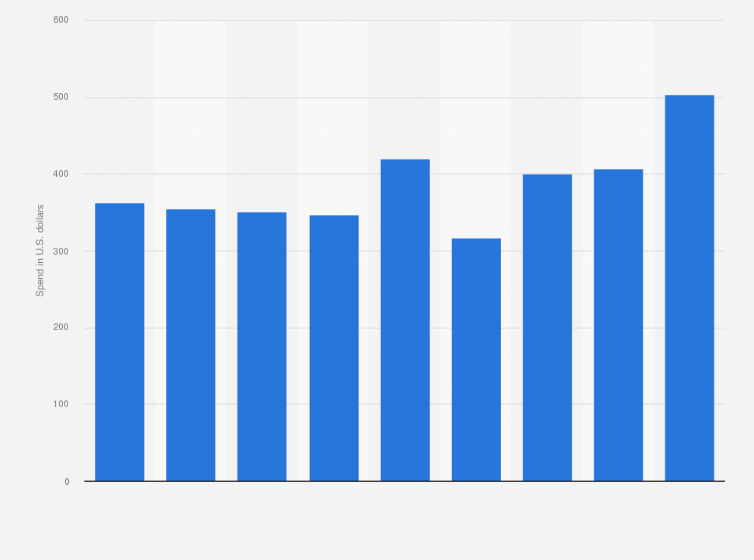
The average person spends varying amounts on gardening, depending on factors such as location, property size, and personal gardening ambitions. Generally, the average annual expenditure on gardening can range from $200 to $1,000 or more. This expense includes a variety of categories, such as seeds, plants, tools, fertilizers, and maintenance services.
Factors Influencing Gardening Expenses
Different factors can significantly influence how much someone spends on gardening. These include:
- Geographic Location: Prices for plants and gardening supplies can vary greatly based on region.
- Garden Size: Larger gardens naturally incur higher costs due to more plants and maintenance requirements.
- Experience Level: Beginners may spend more on tools and education compared to seasoned gardeners who may already have equipment.
Rental vs. Homeowner Gardening Expenses
Whether a person is renting or owns their home can greatly affect gardening expenditures. Homeowners often invest more as they improve their property, while renters may limit their spending. Key distinctions include:
- Investment in Landscaping: Homeowners are likely to spend on long-term improvements, while renters may only buy portable items.
- Maintenance Costs: Homeowners often bear the cost of garden upkeep, whereas renters might rely on landlords.
- Commitment Levels: Homeowners may engage more in gardening as a hobby, increasing their expenses.
Seasonal Gardening Spending Patterns
Gardening expenses often show seasonal variation, which can affect yearly averages. Key patterns include:
- Spring and Early Summer: This is the peak planting season, leading to higher expenditures on plants and tools.
- Fall Discounts: Many gardeners stock up on supplies at discounted prices for next year’s planting.
- Winter Preparations: Some gardeners invest in indoor plants or equipment during colder months.
Common Gardening Items and Their Costs
The types of items individuals purchase for gardening can greatly influence overall spending. Common categories and their estimated costs include:
See also:
- Plants and Seeds: On average, gardening enthusiasts spend around $100-$300 annually on a variety of plants.
- Tools and Equipment: Basic gardening tools can range from $50 to $300; more advanced tools can cost significantly more.
- Fertilizers and Soil Amendments: Annual spending can range from $20 to $150 depending on the garden requirements.
Potential Savings in Gardening
Gardeners can adopt various strategies to minimize their expenses. Some effective ways to save include:
- Seed Saving: Gathering seeds from plants can reduce the need to purchase new seeds each season.
- Composting: Creating compost reduces fertilizer costs and improves soil quality.
- Buying in Bulk: Purchasing supplies in larger quantities often results in lower per-unit costs.
How much do Canadians spend on recreation?
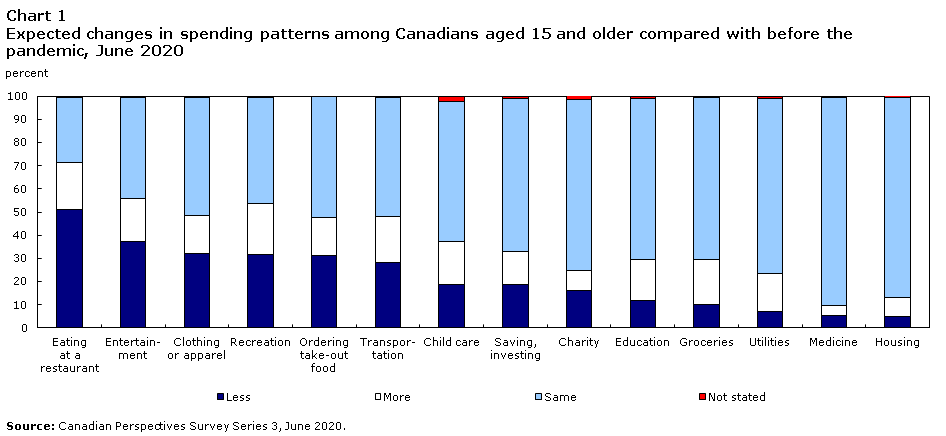
Canadians spend a significant amount on recreation, reflecting a high importance placed on physical activity and leisure. According to data from Statistics Canada, household spending on recreation and culture was approximately $2,800 per year in 2020. This figure encompasses various categories, including sports activities, recreation facilities, and cultural events. The ongoing pandemic may have influenced these numbers, but Canadians continue to prioritize their health and enjoyment through recreational activities.
Average Household Spending on Recreation
The average household expenditure on recreation indicates how much Canadians value leisure. In recent years, this spending has demonstrated steady growth.
- Higher Urban Spending: Households in urban areas tend to spend more on recreation due to access to numerous facilities and activities.
- Variation by Province: The spending can vary significantly by province; for instance, British Columbia typically shows higher recreation spending.
- Impact of Demographics: Families and younger individuals often have different recreation spending patterns compared to older adults.
Types of Recreational Activities
Canadians engage in a wide variety of recreational activities, influencing their overall spending figures. The most popular activities can include:
- Sports Participation: Whether it’s hockey, soccer, or skiing, Canadians actively participate in various sports, contributing to overall spending.
- Fitness and Wellness: Many Canadians invest in gym memberships, yoga classes, and wellness programs.
- Cultural Events: Attending concerts, theater productions, and art exhibitions is also a significant part of recreational spending.
Government and Community Initiatives
Local and provincial governments invest in recreational infrastructure, which can impact how much Canadians spend on leisure.
- Public Parks and Facilities: Investments in parks and recreational facilities provide residents with low-cost or free options for recreation.
- Community Programs: Many communities offer subsidized programs to encourage participation in recreational activities.
- Funding for Sports: Government funding for sports can improve access and encourage broader participation across demographics.
Economic Impact of Recreation
The recreation sector plays a vital role in the Canadian economy, providing both direct and indirect financial benefits.
- Job Creation: The recreation industry generates jobs, from coaching and fitness instruction to facility management.
- Tourism: Recreation activities attract tourists, which boosts local economies.
- Health Savings: Increased recreational activity can lead to health benefits, potentially reducing healthcare costs for society.
Trends in Recreational Spending
Understanding trends in spending can help predict future recreational investments and interests among Canadians.
- Shift Toward Outdoor Activities: There has been an increase in spending on outdoor recreational activities, especially during and post-pandemic due to health concerns.
- Technology in Recreation: Investment in technology for fitness apps and home workout equipment has surged.
- Increasing Focus on Mental Health: More individuals are recognizing the importance of recreation for mental well-being, influencing spending priorities.
What percentage of income do Canadians spend on food?
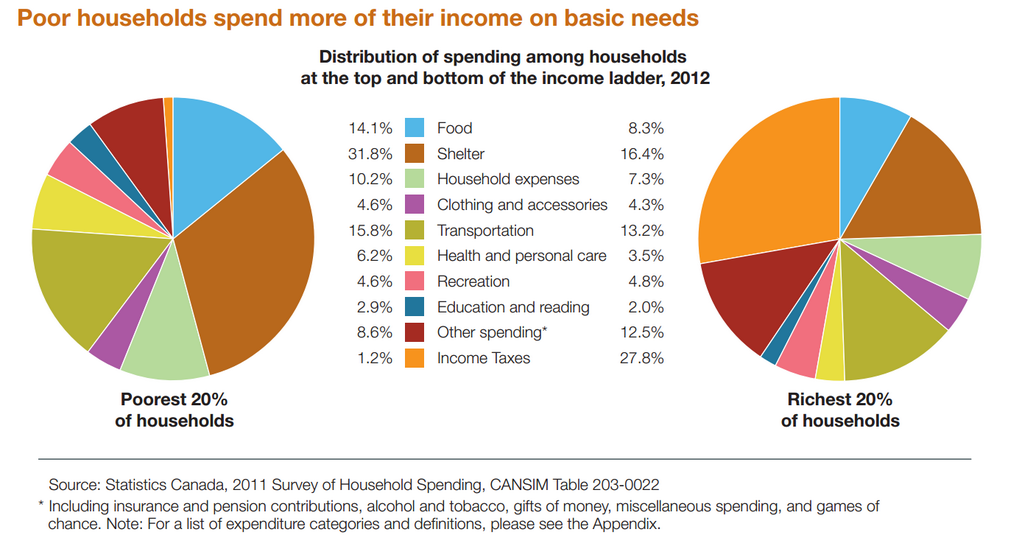
The percentage of income that Canadians spend on food varies depending on several factors, including income levels, household size, and geographic location. On average, Canadians spend about 10-15% of their disposable income on food. This percentage can fluctuate between different demographic groups and over time due to changes in food prices and economic conditions.
Factors Influencing Food Expenditure
Food spending can be influenced by a variety of factors, including:
- Income Level: Higher-income households generally spend a smaller percentage of their income on food compared to lower-income households.
- Location: Urban households may face higher food prices, affecting the percentage spent on food.
- Food Preferences: Dietary choices, such as organic or specialty foods, can increase spending on groceries.
Regional Variations in Food Spending
Different provinces in Canada exhibit variations in food expenditure:
- Atlantic Provinces: Typically, these regions have higher food costs due to logistics, leading to higher percentages of income spent on food.
- Prairie Provinces: These provinces often have more agricultural access, which can lower food costs relative to income.
- Ontario and British Columbia: These urban areas may have higher overall costs of living, influencing food expenditure percentages.
Trends in Food Prices
Food prices in Canada have seen fluctuating trends, impacted by:
See also:
- Inflation: Rising inflation can lead to increased food prices, affecting spending behaviors.
- Global Supply Chains: Disruptions in supply chains can cause spikes in food prices, altering the percentage of income spent on food.
- Government Policies: Regulations and subsidies can also influence overall food prices.
Impact of Economic Conditions
Economic conditions play a vital role in how much income is devoted to food:
- Recessions: Economic downturns typically result in higher food spending as families may opt for cheaper food options.
- Job Market: A strong job market may lead to increased disposable income, potentially lowering the percentage of income spent on food.
- Consumer Confidence: Higher confidence can lead to increased spending on food and dining out.
Future Projections
Looking ahead, several factors may shape future spending patterns on food:
- Technological Advances: Innovations in food production and distribution may lower costs.
- Shifts in Diets: Changes towards plant-based diets may alter spending habits.
- Environmental Factors: Climate change may impact agricultural output and, subsequently, food prices.
How much do Canadians spend on eating out per month?
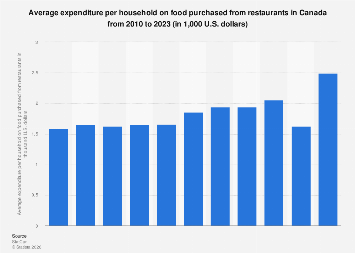
According to recent data, Canadians typically spend around $250 to $350 per month on eating out. This expenditure can vary significantly depending on various factors such as location, income level, family size, and personal habits. Eating out includes a variety of expenses ranging from dining in restaurants to ordering takeout or delivery.
Factors Influencing Spending
The spending habits of Canadians when it comes to eating out can be influenced by several factors, including:
- Location: Urban centers typically have a higher cost of living and dining expenses compared to rural areas.
- Income Levels: Higher-income individuals may dine out more frequently and at upscale establishments.
- Social Trends: The rise of food culture and dining as a social activity can increase spending on restaurants.
Types of Dining Experiences
Canadians enjoy a diverse range of dining experiences, which reflect their monthly spending patterns. Common types include:
- Casual Dining: Restaurants offering more affordable meals, which are popular for family outings.
- Fast Food: Quick service restaurants that provide budget-friendly meal options.
- Fine Dining: Establishments that offer gourmet meals, usually at a higher price point.
Impact of Economic Conditions
Economic factors such as inflation and changes in disposable income can have a significant impact on how much Canadians spend on eating out:
- Inflation: Rising prices can lead to decreased frequency of dining out as individuals manage their budgets.
- Employment Rates: Higher employment can correlate with increased disposable income, leading to more dining out.
- Consumer Confidence: A positive outlook can encourage more spending on leisure activities, including dining.
Monthly Trends and Seasonal Variations
Canadians' spending on dining out can also exhibit trends or seasonal variations. For example:
- Summer Months: Increased spending due to vacations, barbecues, and outdoor dining experiences.
- Holidays: Special occasions like Christmas and Thanksgiving may increase dining expenses as people celebrate.
- Weekends vs. Weekdays: Spending tends to be higher on weekends compared to weekdays as more people eat out socially.
Health Consciousness and Dietary Choices
As health consciousness rises among Canadians, their eating out habits may also be influenced by dietary choices:
- Healthier Options: Many restaurants now offer healthier menu selections, attracting health-conscious diners.
- Vegetarian/Vegan Trends: A growing number of Canadians seek plant-based dining experiences.
- Food Allergies/Special Diets: Increased attention to food allergies and specific dietary needs may impact selection and spending.
Questions from Our Readers
How much do Canadians spend annually on gardening?
According to recent studies, Canadians spend an average of around $800 to $1,200 annually on gardening-related expenses, including plants, tools, and landscaping services. This amount varies depending on individual preferences and the size of the garden.
What factors influence gardening expenses in Canada?
Various factors, such as climate, geographical location, and garden size, significantly influence the overall gardening expenses in Canada. Additionally, the choice of plants and materials can lead to significant variations in spending.
Are there any regional differences in gardening spending across Canada?
Yes, there are notable regional differences in gardening spending across Canada. For instance, urban areas trend towards higher expenditures due to access to more specialized gardens and products, while rural regions might see lower spending due to land availability and self-sufficient practices.
How does gardening spending compare to other outdoor hobbies?
Gardening spending is often comparable to other outdoor hobbies like landscaping or home improvement. Many Canadians prioritize gardening for its benefits to mental health and well-being, making it a popular choice that competes with other recreational activities.
See also:

If you want to read more articles like How Much Do Canadians Spend on Gardening? Discover the Average Expenses and Trends, we recommend you check out our Garden category.
Leave a Reply
Related Articles