What is cornstarch used for in the garden? Discover Its Benefits and Uses

Cornstarch is a versatile and natural ingredient that goes beyond its culinary uses, finding a unique place in gardening practices. This common pantry item can offer several benefits in the garden, from improving soil structure to serving as an eco-friendly pest deterrent. In this article, we will explore the various uses of cornstarch in gardening, highlighting its advantages for plant health and growth. Whether you're a seasoned gardener or just starting, understanding how to incorporate cornstarch into your gardening routine can lead to healthier plants and a more sustainable gardening environment. Join us as we delve into the multifaceted world of cornstarch in the garden.
Uses of Cornstarch in the Garden
Cornstarch is a versatile ingredient that can be utilized in several ways in the garden, primarily as a natural thickener for homemade plant sprays, as a soil conditioner, and even to deter pests. When mixed with water, cornstarch can create a gel-like substance that can aid in adhering nutrients and pesticides to plant leaves, increasing their effectiveness. Additionally, its ability to improve soil structure and moisture retention can help plants thrive in various conditions. Furthermore, cornstarch can be used to create biodegradable pots, aiding in environmentally-friendly gardening practices, making it an invaluable resource for gardeners.
Cornstarch as a Natural Pesticide
Cornstarch can serve as an effective natural pesticide when combined with water and other plant-friendly ingredients. When sprayed on plants, it can help suffocate small insects such as aphids and spider mites without the use of harsh chemicals. Its adhesive properties allow it to stick to leaves, providing a more significant chance of exterminating resistant pests by blocking their breathing pores. This method not only protects your plants but also promotes a healthier garden ecosystem.
Improving Soil Structure with Cornstarch
Incorporating cornstarch into garden soil can enhance its structure and water retention capabilities. When mixed into the soil, it acts as a natural binder, helping to maintain a balanced moisture level, which is crucial for plant growth. Improved soil structure promotes better aeration and drainage, allowing plant roots to access nutrients more efficiently. This can lead to stronger, more resilient plants capable of thriving in diverse conditions.
Cornstarch and Seed Germination
Using cornstarch in gardening can benefit seed germination significantly. When seeds are coated with a cornstarch paste before planting, the coating can retain moisture and protect them from pests. This moisturizing effect can speed up the germination process, giving seeds a better chance to sprout and grow. The gel-like nature of cornstarch helps create a suitable microenvironment around seeds, promoting robust development in their early stages.
Creating Biodegradable Pots
Cornstarch can be utilized to create biodegradable pots for seedlings, offering an eco-friendly alternative to plastic containers. By mixing cornstarch with water and other biodegradable materials, you can mold it into pots that decompose naturally when planted in the soil. These pots provide a healthy environment for roots to develop and minimize the risk of transplant shock once transferred to larger spaces. This method contributes to sustainable gardening practices by reducing plastic waste.
Cornstarch as a Pest Deterrent
In addition to using cornstarch in sprays, it can also act as a pest deterrent when sprinkled around garden plants. The fine texture of cornstarch can create a barrier that confuses or irritates pests like slugs and snails, deterring them from accessing your plants. This natural repellent approach helps gardening enthusiasts maintain a healthier garden without resorting to synthetic pesticides.
| Use | Benefit |
|---|---|
| Natural Pesticide | Suffocates pests while being chemical-free |
| Soil Structure Improvement | Enhances aeration and moisture retention |
| Seed Germination Aid | Retains moisture and protects seeds |
| Biodegradable Pots | Reduces plastic waste and transplant shock |
| Pest Deterrent | Creates a barrier against common garden pests |
Does cornstarch keep bugs away?
:max_bytes(150000):strip_icc()/cornstarch-1-2000-c07153de59054cc590f656bf5b9e8004.jpg)
Cornstarch is a common kitchen ingredient, but it is not specifically known for its ability to deter bugs on its own. However, some people believe that it can be used as part of a broader approach to pest control. Cornstarch does not have insect-repelling properties like essential oils or other natural repellents, but it can create barriers or interfere with certain pests.
1. How Cornstarch Interacts with Insects
Cornstarch can affect insects in various ways, particularly those that rely on moist environments. When used in areas where insects might breed or hide, cornstarch can absorb moisture and create an unfavorable environment for them.
- Mold and Fungi Prevention: By absorbing moisture, cornstarch can help prevent mold and fungi that may attract bugs.
- Barrier Creation: Sprinkling cornstarch in areas may create a barrier that deters some insects from crossing due to its texture.
- Insect Flour: Ants and roaches may ingest cornstarch, which can cause them to become dehydrated if they consume enough of it.
2. Cornstarch as a Natural Insecticide
While cornstarch isn’t a typical insecticide, it can potentially play a role when mixed with other substances. Some homemade insecticide recipes incorporate cornstarch due to its physical properties that can impede insect movement.
- Mixing with Powdered Sugar: Combining cornstarch with powdered sugar can attract certain pests while also leading to ingestion of the mixture.
- Reducing Stickiness: Cornstarch can help reduce the stickiness of traps, making them more effective against crawling insects.
- Physical Damage: Sometimes the abrasive nature of cornstarch may cause mechanical harm to small insects when they crawl over it.
3. Limitations of Using Cornstarch for Bug Control
Despite its potential uses, cornstarch has several limitations when it comes to effective bug control. Its efficacy may vary greatly depending on the type of pest and the method of application.
- Not a Comprehensive Solution: Cornstarch should not replace more effective pest control methods such as insecticides or traps.
- Limited Effectiveness: Some pests, particularly those that do not rely on moist environments, may not be affected at all.
- Short-lived Impact: Cornstarch can lose its effectiveness over time, especially in damp or humid conditions.
4. Alternative Uses of Cornstarch in Pest Control
Though cornstarch is not primarily an insect repellent, it can serve various purposes in pest management when used creatively alongside other techniques.
See also:
- Homemade Rat Poison: A popular DIY method mixes cornstarch with other ingredients to create a bait for rats.
- Dusting Powder: Sprinkling cornstarch in tight spaces can help keep them dry and less attractive to pests.
- Glue Trap Enhancer: It can be used to enhance the effectiveness of homemade glue traps.
5. Best Practices for Using Cornstarch Against Bugs
If you decide to use cornstarch as part of your pest management strategy, there are best practices to follow to maximize its potential effectiveness.
- Target Specific Areas: Focus on areas where pests are most prevalent, such as kitchens and basements.
- Combine with Other Ingredients: Mix cornstarch with natural repellents to enhance effectiveness.
- Regular Maintenance: Reapply cornstarch regularly to ensure it retains its moisture-absorbing properties and remains effective.
Can cornstarch be used as a fertilizer?
:max_bytes(150000):strip_icc()/ms-cornstarch-garden-7c1a6a92d63b44eb94a0ee0aa31dc36f.jpg)
Cornstarch can be used as a fertilizer due to its organic nature and potential benefits for plants. The main component of cornstarch is carbohydrates, which can decompose in the soil and provide a source of carbon to soil microorganisms. These microorganisms play a critical role in enhancing soil structure, aeration, and nutrient availability for plants. While cornstarch does not provide a complete nutrient profile like traditional fertilizers, it can be beneficial in certain contexts.
Benefits of Using Cornstarch as Fertilizer
Using cornstarch as a fertilizer offers several benefits:
- Improves Soil Structure: Cornstarch can help with the aggregation of soil particles, leading to better aeration and water retention.
- Feeds Soil Microorganisms: The carbohydrates in cornstarch serve as a food source for beneficial microorganisms, promoting a healthy soil ecosystem.
- Reduces Waste: Utilizing cornstarch as fertilizer helps reduce food waste, making it an environmentally friendly option.
How to Use Cornstarch as Fertilizer
Incorporating cornstarch into your garden requires specific methods:
- Mix with Compost: Combine cornstarch with compost to enhance its nutrient profile before application.
- Dilution: Mix cornstarch with water to create a slurry that can be applied directly to the soil.
- Application Rate: Use cornstarch sparingly to avoid overloading the soil with carbohydrates, which can lead to imbalances.
Limitations of Cornstarch as Fertilizer
Despite its benefits, there are limitations to using cornstarch:
- Nutrient Deficiency: Cornstarch lacks essential nutrients such as nitrogen, phosphorus, and potassium required for plant growth.
- Potential for Pests: Using excess cornstarch can attract pests and rodents if not properly managed.
- Slow Decomposition: The breakdown process can be slow, which may delay nutrient availability for plants.
Crops That Can Benefit from Cornstarch
Certain crops might benefit more from the use of cornstarch:
- Root Vegetables: Crops like carrots and beets can benefit from improved soil structure and microbial activity.
- Leafy Greens: Plants such as lettuce and spinach may thrive with enhanced soil fertility.
- Flowering Plants: Many flowers benefit from a rich organic soil environment that cornstarch can help create.
Comparison with Traditional Fertilizers
Comparing cornstarch with traditional fertilizers illustrates some key differences:
- Organic vs. Synthetic: Cornstarch is an organic material, while many commercial fertilizers are synthetic and can lead to soil degradation.
- Rate of Nutrient Release: Organic fertilizers, including cornstarch, often release nutrients slowly compared to synthetic options.
- Long-term Soil Health: Using cornstarch can enhance long-term soil health, promoting sustainability in gardening practices.
What is one downside to cornstarch?

One downside to cornstarch is its high glycemic index. This means that it can cause a rapid increase in blood sugar levels when consumed. This is particularly concerning for individuals with diabetes or those looking to manage their weight, as sudden spikes in blood sugar can lead to increased hunger and cravings shortly after consumption.
Effects on Blood Sugar Levels
The glycemic index of cornstarch can contribute to significant fluctuations in blood sugar. These fluctuations can have various implications for health:
- Increased Insulin Resistance: Frequent spikes in blood sugar can lead to the body becoming less sensitive to insulin.
- Type 2 Diabetes Risk: For individuals predisposed to diabetes, a diet high in glycemic-index foods may increase the risk of developing the condition.
- Energy Crashes: Rapid changes in blood sugar can lead to energy crashes, making individuals feel fatigued.
Nutritional Value
Another downside is that cornstarch is relatively low in nutritional value. Its primary function is as a thickening agent, but nutritionally, it falls short:
- Minimal Vitamins and Minerals: Cornstarch provides very little in terms of essential nutrients.
- Not a Source of Fiber: Unlike whole grains, cornstarch lacks dietary fiber, which is crucial for digestive health.
- Empty Calories: The calories from cornstarch do not contribute to a balanced diet.
Allergies and Sensitivities
Some individuals may experience allergic reactions or sensitivities to cornstarch. These reactions can manifest in various ways:
See also:
- Gastrointestinal Issues: Symptoms such as bloating, diarrhea, or stomach cramps may occur in sensitive individuals.
- Skin Reactions: Some may develop rashes or hives upon contact or consumption.
- Respiratory Problems: In rare cases, inhalation of cornstarch could lead to.
increase in asthma symptoms or difficulty breathing.
Environmental Impact
Growing and processing corn for cornstarch can have several environmental impacts which are a concern:
- Pesticide Use: Conventional corn cultivation often involves significant pesticide application, which can harm ecosystems.
- Soil Degradation: Intensive corn farming can lead to depletion of soil nutrients, affecting long-term agricultural viability.
- Water Usage: Corn is a water-intensive crop, contributing to the depletion of local water resources in some regions.
Potential for Overconsumption
Due to its prevalence in processed foods, there is a potential risk of overconsumption of cornstarch:
- Highly Processed Foods: Many snacks and convenience foods contain cornstarch, leading to excessive intake.
- Hidden Sugars: Foods high in cornstarch may also be high in sugars, which can lead to weight gain and other health issues.
- Diet Imbalance: Relying on products containing cornstarch may displace more nutritious food options in the diet.
Is starch good for soil?
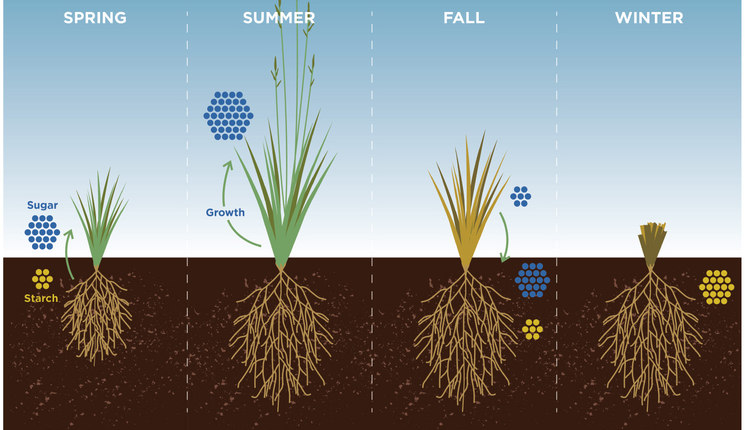
Starch can have various effects on soil, with implications for its structure, nutrient content, and overall health. As a carbohydrate, starch is a polysaccharide that microorganisms can utilize for energy, which can impact soil ecosystems positively. However, the effects of starch on soil largely depend on how it is applied and the specific soil conditions.
Effects of Starch on Soil Microbial Activity
Starch can significantly influence the microbial activity in the soil. Microorganisms, such as bacteria and fungi, can break down starch, releasing essential nutrients and promoting soil health.
- Increased Organic Matter: The breakdown of starch contributes to the organic matter content of the soil.
- Enhanced Nutrient Cycling: Microbial degradation of starch can enhance nutrient availability, particularly nitrogen and phosphorus.
- Soil Respiration: As microbes decompose starch, it may lead to increased CO2 levels, which can impact soil respiration rates.
Starch as a Soil Amendment
When incorporated into the soil, starch can act as an effective soil amendment, improving its physical and chemical properties.
- Improved Soil Structure: Starch can help in the formation of soil aggregates, which improves aeration and water infiltration.
- Moisture Retention: Starch can enhance the soil's ability to retain moisture, benefiting plant growth.
- pH Regulation: The breakdown products of starch can help buffer soil pH, making it more conducive for plant growth.
Potential Drawbacks of Starch in Soil
While starch has benefits, there are also potential drawbacks that should be considered when applying it to soil.
- Risk of Over-Fertilization: Excessive starch can lead to nutrient imbalances, particularly if soil microbial populations are overwhelmed.
- Attracting Pests: A high concentration of starch may attract pests such as rodents or insects, which could further disrupt soil health.
- Disease Promotion: If not managed properly, starch can encourage the growth of harmful pathogens in the soil.
Comparison with Other Organic Matter Sources
Starch differs from other organic materials in terms of its decomposition rate and nutritional content. Understanding these differences can help in effective soil management.
- Decomposition Rate: Starch typically decomposes rapidly compared to more complex organic materials like wood chips.
- Nutrient Release: Unlike compost, starch provides a quick nutrient boost but may lack long-term nutrient supply.
- Microbial Preferences: Some microbes prefer readily available carbon sources like starch, which could shift the microbial community balance.
Practical Applications of Starch in Agriculture
Farmers and gardeners can utilize starch effectively through various methods to enhance soil and crop health.
- Incorporation into Compost: Adding starch to compost can enhance microbial activity and speed up the composting process.
- Direct Soil Application: It can be applied directly to soils as a supplement, particularly in poor nutrient conditions.
- Use in Biofertilizers: Starch can be included in formulations for biofertilizers that help boost soil health and plant growth.
Questions from Our Readers
What are the primary uses of cornstarch in gardening?
Cornstarch serves multiple purposes in gardening, particularly as a natural soil amendment and thickening agent. It can help improve soil texture and moisture retention, making it beneficial for plants that thrive in consistent conditions. Additionally, cornstarch can be used to create homemade seed starters by mixing it with water and other ingredients to bind them together, promoting better seed germination.
Can cornstarch help with pest control?
Yes, cornstarch can act as a deterrent for certain pests. When dusted around plants, it can create a barrier that prevents insects like slugs and snails from reaching them. Furthermore, cornstarch can be mixed with other natural ingredients to create a safe, organic pest repellent that is less harmful to beneficial insects.
Is cornstarch effective for preventing plant diseases?
While cornstarch is not a direct fungicide, it can help create a more balanced soil environment that may reduce the occurrence of certain plant diseases. By improving soil texture and moisture levels, cornstarch can encourage healthy root development, making plants more resilient to diseases. However, it should be used in combination with other best practices for plant care.
How can I apply cornstarch in my garden?
Applying cornstarch in your garden can be done in various ways, such as mixing it into the soil before planting or creating a paste with water for seed starting. For pest control, lightly dust it around the base of plants or directly on affected areas. It’s essential to use cornstarch in moderation to avoid overloading the soil with carbohydrates, which can lead to other issues.
See also:

If you want to read more articles like What is cornstarch used for in the garden? Discover Its Benefits and Uses, we recommend you check out our Garden category.
Leave a Reply
Related Articles