What is the Best Crop for a Beginner Farmer? Top Choices and Tips for Success

Starting a farming journey can be both exciting and overwhelming for beginners. Choosing the right crop to plant is a crucial step that can significantly impact a farmer's success and confidence. With numerous options available, it’s essential to consider factors such as climate, soil type, market demand, and personal interests. This article explores the best crops suited for novice farmers, providing insights into their growth requirements, potential yields, and tips for successful cultivation. Whether you're aiming for a small backyard garden or venturing into larger plots, understanding these key selections will set you on the path to fruitful farming endeavors.
What is the Best Crop for a Beginner Farmer?
Starting with the right crop is crucial for beginner farmers looking to establish a successful farming venture. Generally, vegetables such as radishes, lettuce, and zucchini are considered some of the best options due to their fast growth cycles and relatively low maintenance requirements. These crops can yield quick returns and adapt well to various soil types and climate conditions, making them ideal for beginners. Additionally, beginners can gain confidence and valuable experience in cultivation techniques, pest management, and profit generation by starting with these easy-to-grow crops.
1. Radishes
Radishes are an excellent choice for beginner farmers due to their rapid growth cycle, often ready for harvest within 25 to 30 days. They require minimal care and can thrive in a variety of soil conditions, which reduces the pressure on farmers who are still learning the ropes. Moreover, radishes can be planted in succession, allowing for multiple harvests throughout the growing season, making them a productive option for beginners wanting to maximize their yields.
2. Lettuce
Lettuce is another highly recommended crop for novices, as it grows quickly and can be planted in both cool and warm weather. There are various varieties of lettuce, such as romaine, butterhead, and leaf, ensuring that beginners can choose a type that suits their climate and personal preference. Regular watering and some basic care can lead to significant harvests, giving new farmers an early taste of success while providing a nutritious product for local markets.
3. Zucchini
Zucchini is known for its prolific growth, making it perfect for beginner farmers who want to produce a high-yield crop with relatively low input. It typically thrives in warm weather and can grow in various soil conditions. Due to its versatility and popularity, farmers can often sell zucchini at local markets, providing a good source of income. The learning experience gained from cultivating zucchini, such as pest control and water management, also benefits novice farmers in the long run.
4. Green Beans
Green beans are a great crop for beginners because they are simple to grow and provide a generous harvest. They can be cultivated in a garden or even in pots, making them adaptable to various growing environments. Green beans typically require minimal care and can be grown using pole or bush varieties, allowing farmers to choose based on their available space. Additionally, their ability to improve soil health through nitrogen fixation makes them a beneficial crop in crop rotation plans.
5. Carrots
Carrots offer a rewarding choice for beginner farmers seeking a root vegetable that requires relatively low maintenance. They can be direct-seeded into well-drained soil and require little more than regular watering and weeding. Carrots take longer to mature than some of the other crops mentioned—usually about 70 to 80 days—but they are easy to manage and can thrive in various soil types. Their adaptability and market demand make them a viable option for new farmers to diversify their produce offerings.
| Crop | Days to Harvest | Growing Conditions | Market Demand |
|---|---|---|---|
| Radishes | 25-30 | Well-drained soil | High |
| Lettuce | 30-60 | Cool and warm climates | High |
| Zucchini | 50-70 | Warm weather | High |
| Green Beans | 50-60 | Well-drained soil | Medium |
| Carrots | 70-80 | Well-drained soil | Medium |
What is the best crop to start farming?
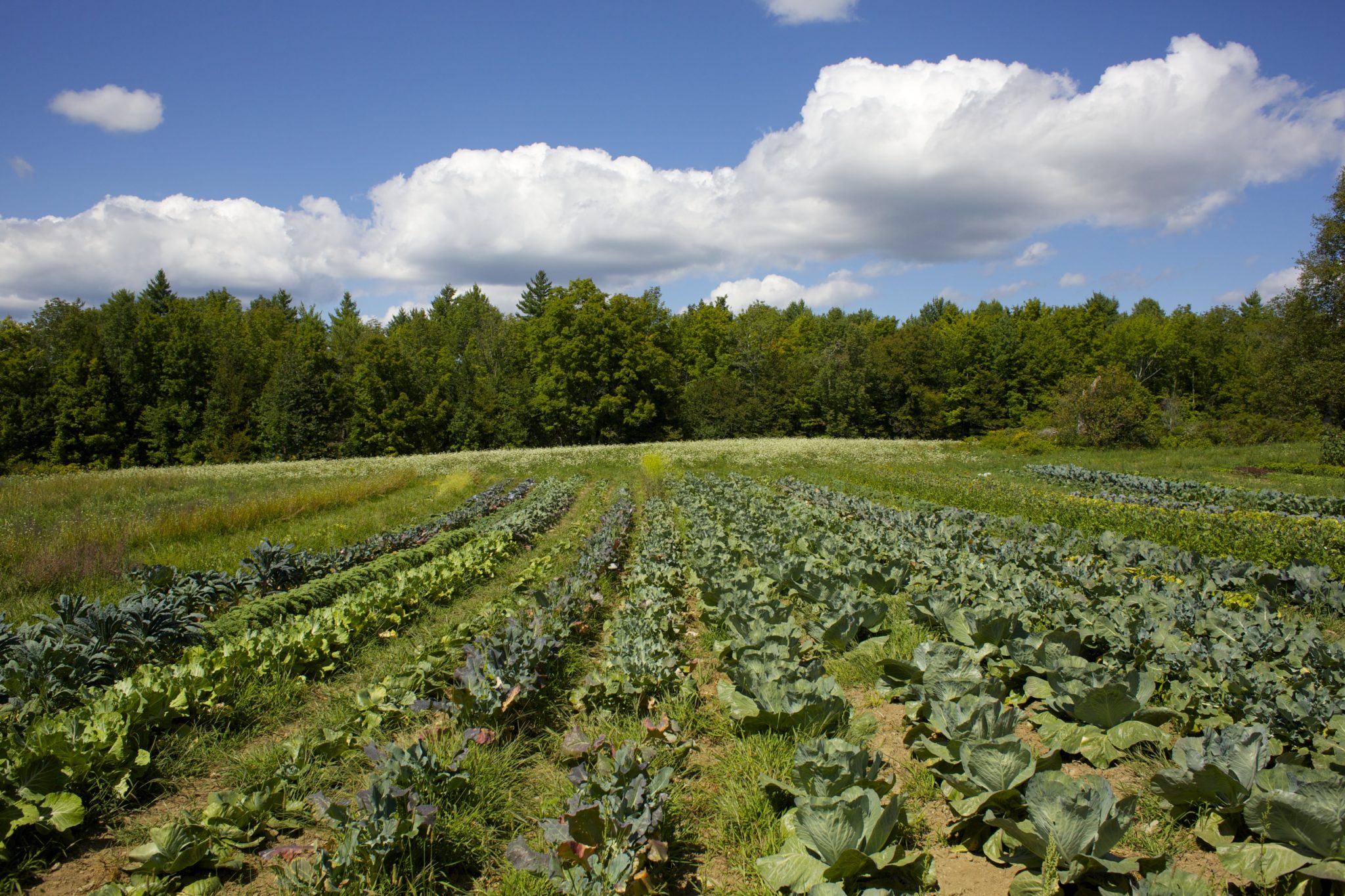
To determine the best crop to start farming, various factors need to be considered, including climate, soil type, market demand, and level of expertise. However, some crops tend to be more forgiving for beginners, requiring less experience and management than others. Here are several options that are often recommended for novice farmers:
Vegetables
Starting with vegetable farming can be lucrative. Crops like tomatoes, peppers, and lettuce can yield quick returns and require relatively low investment. Moreover, they can be grown in various climates and tended to in small spaces.
- Short Growing Seasons: Many vegetables have quick turnaround, producing crops within 60-90 days.
- High Market Demand: Local markets and community-supported agriculture programs often seek fresh vegetables.
- Diverse Options: A wide array of types allows farmers to choose crops that suit their climate and preference.
Herbs
Herbs are another excellent choice for beginner farmers, offering high value with minimal space requirements. Varieties like basil, cilantro, and parsley can thrive indoors or outdoors.
- High Profit Margins: Herbs often sell for a premium price compared to vegetables.
- Minimal Space Needed: They can be grown in small plots or pots, making them ideal for urban farming.
- Low Maintenance: Many herbs are hardy and require less water and care than traditional crops.
Fruit Trees
Though they take longer to start producing, fruit trees such as apples, peaches, or strawberries can be a good long-term investment for new farmers.
- Long-Term Investment: Once established, fruit trees can produce for many years, ensuring ongoing profits.
- Diverse Product Delivery: Fruits can be sold fresh, canned, or made into jams, widening market appeal.
- Environmental Benefits: Trees offer shade and improve soil health, making them eco-friendly choices.
Grains and Legumes
Grains like corn or soybeans, and legumes like beans or lentils, can also be ideal for beginners. These crops require larger areas but can produce substantial yields.
- Ease of Harvesting: Many grains have mechanical harvesters available, reducing labor demands.
- Soil Enhancement: Legumes improve soil nitrogen levels, benefiting future crops.
- Wide Market Reach: Both grains and legumes are staple foods with consistent demand globally.
Flowers and Ornamentals
Cultivating flowers and ornamental plants can be a rewarding entry point for those interested in aesthetic gardening. Flowers such as sunflowers or zinnias are often easy to grow and can be sold at farmers' markets.
- Seasonal Appeal: Flowers have specific selling seasons, allowing for targeted marketing efforts.
- High Customer Interest: Beautiful arrangements are always in demand for events or household decoration.
- Easy to Cultivate: Many flowering plants thrive in a variety of climates and are relatively pest-resistant.
Which crop is best for beginners?
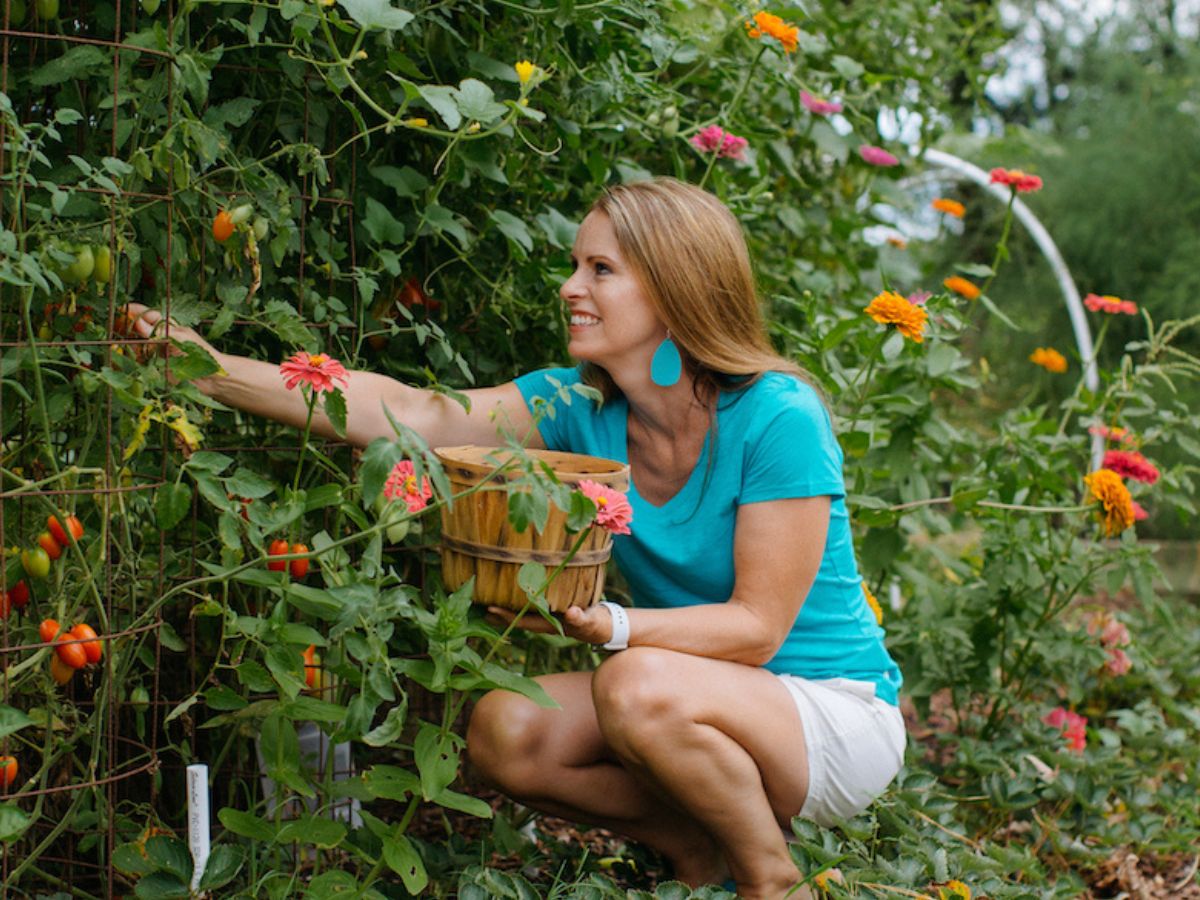
The best crop for beginners largely depends on the local climate, soil conditions, and personal preferences. However, one of the top choices is often radishes, as they are easy to grow, have a short growing season, and require minimal care. They thrive in a variety of soil types and can be sown directly in the garden, making them an ideal starter crop.
See also:
Benefits of Growing Radishes
Radishes are an excellent choice for beginners due to several key benefits:
- Fast Germination: Radishes can sprout within 3 to 10 days, allowing beginners to see results quickly.
- Minimal Space Requirements: They can be grown in small garden beds or even in containers.
- Pest Resistance: Radishes have fewer pests and diseases compared to other crops, making them easier to manage.
Essential Growing Tips for Radishes
Successfully growing radishes requires attention to a few essential tips:
- Soil Preparation: Use well-draining soil enriched with organic matter to promote healthy growth.
- Proper Sowing: Scatter seeds about 1 inch apart; thin them out after germination to allow for optimal spacing.
- Consistent Watering: Maintain consistent moisture in the soil, especially during dry spells.
Varieties of Radishes for Beginners
Several varieties of radishes are particularly suitable for beginners:
- Cherry Belle: A classic variety known for its round shape and crisp texture.
- French Breakfast: An elongated variety that is mildly spicy and very popular among gardeners.
- Daikon: A larger, milder radish that can be used in various dishes, ideal for those seeking diversity.
Common Mistakes to Avoid
Beginners should be mindful of certain common mistakes when growing radishes:
- Overcrowding Plants: Ensure adequate spacing between seeds to allow proper root development.
- Watering Issues: Avoid letting the soil dry out completely, but also don't overwater to prevent rot.
- Ignoring Timing: Plant radishes at the right time of year; they grow best in cooler temperatures.
Harvesting and Storing Radishes
Knowing when and how to harvest radishes is crucial:
- Timing for Harvest: Harvest radishes when they are about the size of a golf ball for the best flavor.
- Technique: Gently pull them from the soil to avoid damage; use a small fork if necessary.
- Storage Tips: Store radishes in a cool place, ideally wrapped in a damp paper towel to keep them crisp.
What is the most profitable crop for small farmers?
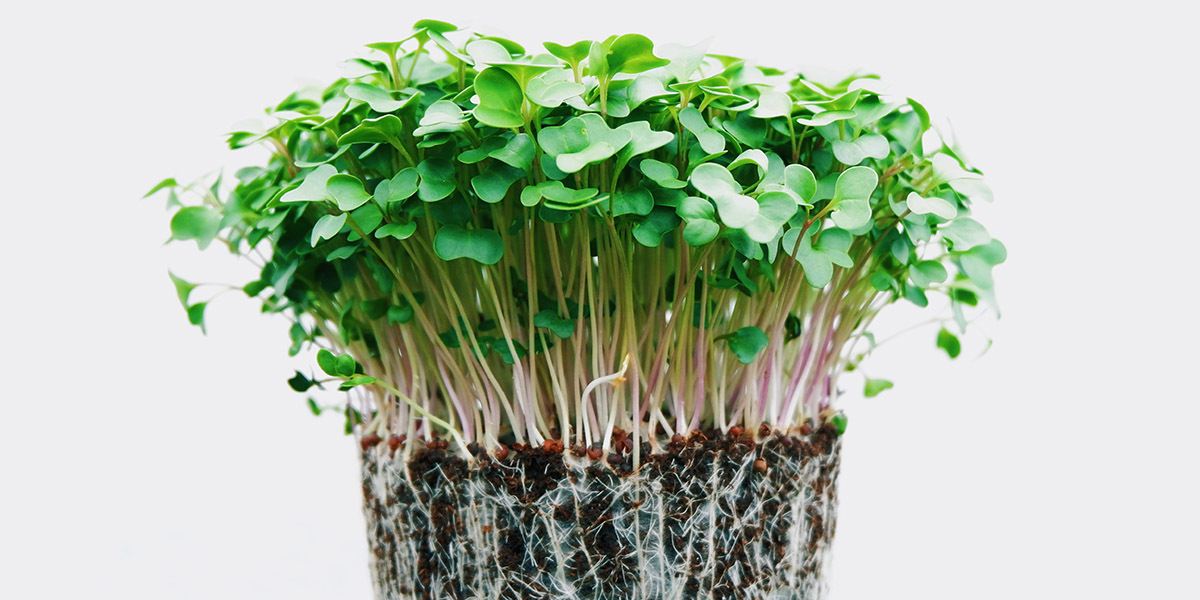
The most profitable crop for small farmers can vary significantly based on factors such as location, climate, market demand, and available resources. However, certain crops have consistently shown high profitability for small-scale farming. Some of the most profitable crops include:
1. Saffron: This spice, derived from the flower of Crocus sativus, is one of the most expensive spices in the world. It requires specific climatic conditions and labor-intensive harvesting, making it an excellent choice for small farmers in suitable regions.
2. Organic Vegetables: With the increasing consumer demand for organic produce, growing organic vegetables offers a potentially lucrative market. Items such as tomatoes, lettuce, and peppers can yield high returns.
3. Berries: Crops like strawberries, blueberries, and raspberries are not only in high demand but also command premium prices, particularly when sold directly to consumers at farmers’ markets or through farm stands.
4. Herbs: Culinary herbs like basil, cilantro, and mint can be highly profitable due to their low overhead costs and high market price. They can also be grown in small spaces, making them ideal for small farmers.
5. Mushrooms: Species like shiitake and oyster mushrooms can be cultivated in small areas and have high market value, especially if marketed as organic or gourmet products.
Saffron: The Luxurious Spice
Saffron is known for its unique flavor and vibrant color, which make it a highly sought-after spice in culinary traditions worldwide. Growing saffron requires careful attention to climate and soil, but the rewards can be substantial.
- High Market Value: A small quantity of saffron can be sold for a significant profit, often exceeding $1,000 per kilogram.
- Labor-Intensive Harvest: Saffron flowers bloom for a short period, requiring careful harvesting by hand, which adds to its exclusivity and pricing.
- Sustainable Farming: The cultivation of saffron can be combined with other crops, making it a sustainable option for small farmers.
Organic Vegetables: The Growing Trend
The demand for organic vegetables has surged due to health-conscious consumers seeking chemical-free produce. Small farmers can take advantage of this trend by growing a variety of crops to supply local markets.
- Higher Prices: Organic vegetables often fetch higher prices compared to conventionally grown ones, leading to increased profit margins.
- Diverse Crop Options: Farmers can select popular varieties that suit their local market, including specialty greens and heirloom tomatoes.
- Direct Sales Opportunities: Farmers’ markets and online sales channels allow for direct sales, increasing profits by eliminating middlemen.
Berries: A Sweet Return
Berries are perennially popular among consumers and can be grown in smaller plots, making them ideal for small farm operations. Their versatile uses in desserts, jams, and fresh consumption contribute to their profitability.
- Year-Round Demand: Berries are in demand throughout the year, especially when offered fresh and locally grown.
- Direct-to-Consumer Sales: Selling directly at farmers’ markets can significantly boost profits for small berry producers.
- Value-Added Products: Farmers can also produce jams, jellies, and baked goods to further increase revenue.
Herbs: The Aromatic Cash Crop
Herbs like basil, parsley, and cilantro are easy to grow and can thrive both outdoors and indoors. They often require little space, making them suitable for urban farming as well.
See also:
- Fast Growth Cycle: Most herbs have a quick growth cycle, allow for multiple harvests in a season.
- High Market Demand: With the rise of culinary interest, fresh herbs are increasingly sought after by restaurants and consumers alike.
- Minimal Space Requirement: Herbs can be planted in small gardens or containers, reducing the need for large plots of land.
Mushrooms can be cultivated year-round and can yield substantial profits due to their relatively low production costs and high market value, particularly in urban areas and gourmet restaurants.
- Low Input Costs: Growing mushrooms requires minimal space and can be done using agricultural by-products.
- Gourmet Market Potential: Specialty mushrooms like shiitake and maitake can command premium prices.
- Community Supported Agriculture (CSA): Farmers can offer mushroom subscription services to local customers, ensuring steady income.
What is the most profitable crop for 1 acre?
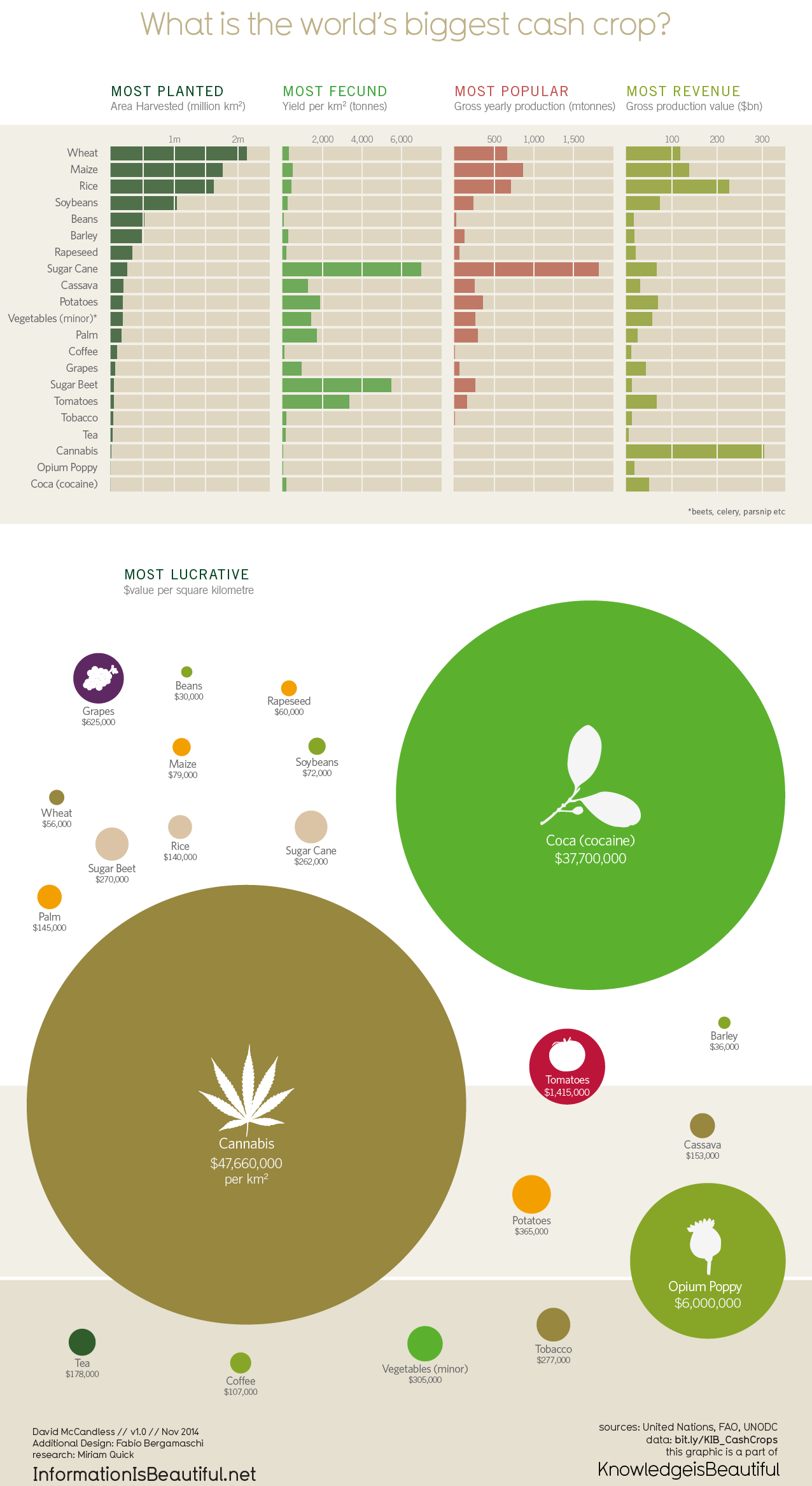
The most profitable crop for 1 acre can vary significantly depending on factors such as location, climate, soil type, and market demand. However, some of the most notable candidates include high-value specialty crops, which can yield substantial profits. Here are a few examples:
1. Saffron: Saffron is one of the most expensive spices by weight, often fetching thousands of dollars per pound. It requires careful cultivation but can yield around 10-20 pounds per acre, depending on the conditions.
2. Kale: This leafy green vegetable has seen a surge in popularity due to the health food trend. A well-managed acre can produce significant yields and profits, especially if sold to local markets or restaurants.
3. Goji Berries: These superfruits have gained a reputation for health benefits, leading to great market demand. An acre can produce around 2,000 to 3,000 pounds, selling at high retail prices.
4. Truffles: While it takes years for truffle-producing trees to mature, the profit potential is enormous once they do produce. Truffles can sell for hundreds to thousands of dollars per pound.
5. Organic Vegetables and Herbs: Growing high-demand organic produce can be very lucrative, especially if sold through farmers’ markets or local organic shops.
Saffron: The Gold of Spices
Saffron is derived from the flower of Crocus sativus, often called the saffron crocus. This crop requires a specific climate and well-drained soil for optimal growth. Labor-intensive harvesting is necessary, as the delicate stigmas must be collected by hand.
- High market prices can yield profits exceeding $30,000 per acre.
- Low water requirements make it suitable for arid regions.
- Unique growing methods can enhance flavor and potency.
Kale: A Nutritional Powerhouse
Kale has established itself as a staple in health-conscious diets. This crop is versatile, allowing for multiple harvests in a single growing season. Market demand for organic and fresh produce is high, and when marketed correctly, kale can bring impressive returns.
- Yields of up to 10,000 pounds per acre are common.
- Market opportunities include restaurants and health food stores.
- Potential for value-added products, like kale chips.
Goji Berries: The Superfruit Trend
Goji berries are celebrated for their antioxidant properties and have gained popularity in various dietary trends. They require well-drained soil and full sunlight for best growth. Commercial farming of goji berries can be a lucrative enterprise, particularly when sold in dried or fresh form.
- Can produce 2,000 to 3,000 pounds per acre.
- Suitable for organic farming practices, attracting a dedicated customer base.
- Possibility of high profit margins in local markets.
Truffles: The Luxury Mushroom
Truffles are among the most coveted fungi, often dubbed as black gold. Cultivating truffles requires specific soil types and symbiotic relationships with roots of certain trees. Although the initial investment and time frame to produce can be extensive, the potential profits are tremendous when they are ready for harvest.
- Prices can exceed $1,000 per pound for high-quality truffles.
- A well-managed truffle farm can yield 20 to 200 pounds per acre.
- Strong demand from gourmet restaurants and high-end markets.
Organic Vegetables and Herbs: A Growing Market
With the increasing consumer preference for organic products, cultivating vegetables and culinary herbs organically can yield significant profit margins. Farmers who engage in community-supported agriculture (CSA) programs often see guaranteed income from local subscribers.
- High demand for organic products can lead to increased sales.
- Flexibility in crop selection allows farmers to adjust to market trends.
- Possibility of selling through direct-to-consumer channels for greater profit.
Questions from Our Readers
What is the easiest crop for a beginner farmer to grow?
Vegetables like carrots, radishes, and lettuce are often considered the easiest crops for beginner farmers. They have a quick growth cycle and require minimal maintenance, making them an excellent choice for those just starting out.
How do I decide which crop to plant?
Consider factors like your local climate, soil type, and the amount of sunlight your land receives. It's also important to think about the market demand for certain crops in your area, which can help guide your choice on what to plant.
Are there specific crops that can be planted in small spaces?
Yes, crops like herbs, microgreens, and even container-friendly vegetables such as tomatoes and peppers can thrive in small spaces. These crops can be grown in raised beds or pots, making them ideal for limited areas.
See also:
How can I ensure successful crop growth as a beginner?
Start by doing thorough research on soil preparation, watering techniques, and pest management. Additionally, joining a local farming community or seeking advice from experienced farmers can provide valuable guidance and support.

If you want to read more articles like What is the Best Crop for a Beginner Farmer? Top Choices and Tips for Success, we recommend you check out our Garden category.
Leave a Reply
Related Articles