How to Start a Vegetable Garden in Your Backyard in Canada? A Step-by-Step Guide for Beginners
Starting a vegetable garden in your backyard can be an enriching and sustainable way to enjoy fresh produce while connecting with nature. For beginners in Canada, the journey begins with understanding the unique climate and soil conditions that influence plant growth across different regions. This step-by-step guide aims to simplify the process, covering essential topics such as site selection, soil preparation, seed choices, and maintenance tips. Whether you have a spacious yard or just a small plot, cultivating your own vegetables can bring countless rewards, from better health to the satisfaction of nurturing your plants from seed to harvest.
How to Start a Vegetable Garden in Your Backyard in Canada
Starting a vegetable garden in your backyard in Canada requires careful planning and consideration of the local climate. Begin by choosing a suitable location that receives at least six hours of sunlight daily and has good soil drainage. It's essential to understand your growing zone, as different regions in Canada experience varying weather patterns, which influence the types of vegetables you can grow. Before planting, prepare the soil by testing its pH and nutrient levels, then amend it with compost or fertilizers as needed. Opt for cold-hardy vegetable varieties like carrots, kale, and peas that thrive in the cooler Canadian climate, and consider and implement a crop rotation system to maintain soil health throughout the seasons.
Choosing the Right Location
Selecting an appropriate location for your vegetable garden is crucial for success. Look for a spot in your backyard that receives ample sunlight—typically, six to eight hours a day is ideal. Additionally, the area should have good drainage to prevent water accumulation that can harm plant roots. Avoid areas too close to trees or shrubs, as their roots can compete for nutrients and space. Checking the wind exposure is also important, as strong winds can damage young plants; if necessary, consider a windbreak like a fence or grouping plants closely together to provide shelter.
Understanding Your Growing Zone
Canada's vast geography means that different regions fall into various growing zones, which can significantly affect what you can successfully cultivate. The USDA Plant Hardiness Zone Map is a valuable tool to determine your zone and select the most suitable plants for your area. For instance, if you are in a colder zone, you may want to focus on vegetables that can withstand frost, such as broccoli or cabbage, while warmer zones might support tomatoes and peppers. Knowing your zone allows gardeners to maximize the potential of their gardens by planting crops well-suited for their local climate.
Preparing the Soil
Before planting, the condition of your garden soil is essential for a healthy vegetable garden. Start by collecting a soil sample to test for pH levels and nutrient content. Most vegetables prefer a slightly acidic to neutral pH (between 6.0 and 7.0). Based on your test results, you can amend the soil using organic matter such as compost, which adds nutrients and improves moisture retention. Turn the soil to a depth of at least 12 inches, incorporating the organic amendments thoroughly to promote good roots’ development and overall plant health.
Selecting Vegetable Varieties
When choosing which vegetables to grow, it’s essential to think about your local climate and your family's preferences. Research represents that certain vegetable varieties are better suited for short growing seasons, typical in many parts of Canada. Cold-tolerant crops like spinach, radishes, and bound greens can be planted early in the spring, while others, like zucchini and tomatoes, may be planted after the last frost. Additionally, keen consideration of the space available can help decide whether to plant in raised beds or directly in the ground; both methods can yield productive gardens.
Implementing Crop Rotation
Practicing crop rotation is an effective method for maintaining soil health and managing pests in your vegetable garden. This approach involves alternating the types of crops planted in each area of the garden each season, preventing any single crop from depleting soil nutrients over time. For instance, after a season of growing legumes, which enrich the soil with nitrogen, you might follow with heavy feeders like tomatoes or corn. Rotating crops not only enhances soil fertility but also can minimize pest and disease buildup, leading to healthier plants.
| Vegetable | Ideal Planting Time | Growing Zone |
|---|---|---|
| Kale | Early Spring | 2-9 |
| Carrots | Mid-Spring | 2-9 |
| Tomatoes | After Last Frost | 3-9 |
| Spinach | Early Spring | 2-9 |
| Peppers | After Last Frost | 3-9 |
What is the easiest vegetable to grow in Canada?
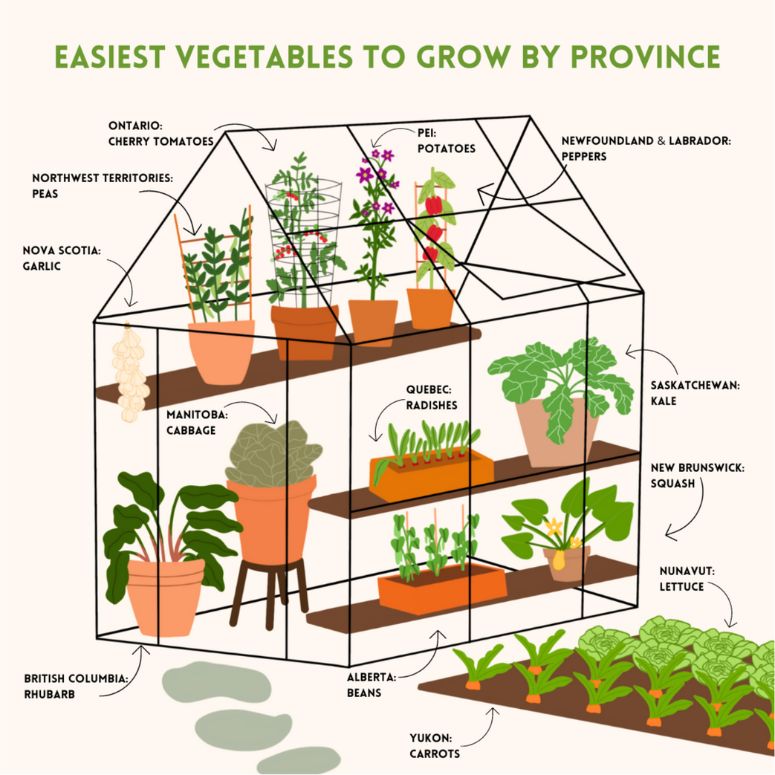
The easiest vegetable to grow in Canada is often considered to be radishes. They are known for their quick growth and adaptability to various soil conditions, making them an ideal choice for both beginner and experienced gardeners.
Growing Conditions for Radishes
Radishes thrive in cooler temperatures, typically between 10°C to 20°C (50°F to 68°F). They grow best in well-drained soil that is rich in organic matter. Here are some key factors to ensure successful radish cultivation:
- Soil Preparation: Loosen the soil with a spade or tiller and mix in compost to improve fertility.
- Sunlight: Choose a location that receives full sun for at least six hours a day.
- Watering: Water regularly but avoid waterlogging; ensure the soil stays moist, not soggy.
Varieties of Radishes
There are several varieties of radishes that are suitable for growing in Canada. Some of the most popular include:
- Cherry Belle: A classic variety that matures in about 25 days and is known for its crisp texture.
- French Breakfast: This elongated variety is milder in flavor and takes about 30 days to grow.
- Black Radish: A hardier variety that can withstand colder temperatures and is often used in winter salads.
Planting Radishes
Planting radishes is straightforward, making them accessible for gardeners at any skill level:
- Timing: It’s best to sow radish seeds in early spring or late summer for a fall harvest.
- Seed Depth: Plant seeds about 1-2 cm deep, spaced 2-5 cm apart to allow for ample growth.
- Thinning: Once seedlings emerge, thin them to prevent overcrowding, ensuring they have enough space to grow.
Pest and Disease Management
While radishes are relatively resistant, some pests and diseases can affect their growth. Here are some common issues and solutions:
See also:
- Aphids: Monitor for aphids and use insecticidal soap if infestations occur.
- Fungal Diseases: Avoid overwatering to prevent diseases like downy mildew.
- Crop Rotation: Practice crop rotation to reduce the risk of soil-borne diseases.
Harvesting and Storing Radishes
Knowing when to harvest is critical for enjoying the best flavor and texture:
- Timing: Radishes should be harvested once they reach a desirable size, usually within 25-30 days.
- Method: Gently pull them out from the base to avoid damage.
- Storage: Store harvested radishes in a cool, dark place, preferably in a plastic bag in the refrigerator.
What is the most common mistake of first time gardeners?

The most common mistake of first-time gardeners is often related to overwatering their plants. Many new gardeners may believe that plants require a lot of water to thrive, leading them to water too frequently or in excessive amounts. This can cause various issues such as root rot, fungal problems, and other moisture-related conditions that can stress or kill the plants.
Understanding Plant Watering Needs
The watering needs of plants can vary significantly based on their type, growth stage, and environmental conditions. New gardeners often overlook these nuances. It's essential to assess:
- Soil moisture: Checking the soil's moisture level before watering can prevent overwatering.
- Plant type: Different plants have different watering requirements; some prefer dry conditions.
- Weather conditions: Hot, windy days may require more frequent watering compared to cooler, humid days.
Choosing the Right Soil
First-time gardeners frequently underestimate the importance of using the right type of soil for their plants. Using poor-quality soil or inappropriate mixes can hinder plant growth and health. Key considerations include:
- Drainage: The soil should allow excess water to escape to prevent root rot.
- Nutrient content: Soil must have sufficient nutrients to support healthy growth.
- pH level: Different plants have specific pH requirements for optimal growth and nutrient uptake.
Ignoring Pest Management
First-time gardeners often overlook the potential for pest infestations. Ignoring pests until they become a significant problem can lead to extensive damage. Important actions include:
- Regular inspections: Check plants frequently for signs of pests or diseases.
- Preventive measures: Use natural predators or companion planting to deter pests.
- Quick response: Address pest problems immediately to prevent them from spreading.
Not Observing Sunlight Requirements
Different plants have varying sunlight needs, and many first-time gardeners fail to consider this when selecting a planting location. This can result in inadequate growth or plant stress. Important points are:
- Full sun: Some plants thrive with at least 6 hours of full sun daily.
- Partial shade: Others prefer some protection from intense sunlight.
- Location: Monitor how sunlight moves around the garden throughout the day.
Overcrowding Plants
New gardeners may plant too many seeds or plants in a limited area, leading to competition for resources. This can stifle growth and create an unhealthy environment. Considerations include:
- Spacing requirements: Each plant species has its own recommended spacing for optimal growth.
- Air circulation: Proper spacing allows air to circulate, reducing disease risk.
- Access: Adequate spacing also facilitates easier maintenance and harvesting.
Do you need a permit for a vegetable garden?

To determine whether you need a permit for a vegetable garden, it largely depends on various factors such as your location, the size of the garden, and local regulations. In many cases, small vegetable gardens do not require permits, but there may be certain rules and restrictions you need to follow.
Understanding Local Regulations
Local regulations can vary significantly based on the city or state where you reside. It's essential to check with your local government offices or zoning boards to understand the specific laws that apply to gardening in your area. Failure to comply with these rules can lead to fines or the requirement to remove your garden.
- Contact your city or county's planning department.
- Review local zoning regulations that may pertain to gardening.
- Look for any homeowners' association rules if applicable.
Size and Location Considerations
The size of your vegetable garden may affect whether a permit is required. In many jurisdictions, small gardens (below a certain square footage) are usually exempt from permitting. However, larger gardens, especially those that are not located on residential property, might fall under different rules.
- Check the maximum allowable size for gardens without a permit.
- Understand the difference between residential and commercial gardening.
- Consider the garden's proximity to property lines and public spaces.
Restrictions on Environmental Impact
Some areas might have environmental restrictions on gardening due to soil contamination, water runoff, or the need to maintain local ecosystems. These restrictions can dictate what type of plants you can grow, particularly if they're considered invasive species.
See also:
- Research any environmental regulations regarding native plants.
- Understand restrictions based on soil health and contamination.
- Know local water conservation regulations affecting garden usage.
Building Structures and Accessories
If your vegetable garden will include any permanent structures (like raised beds, trellises, or greenhouses), you may need to apply for a permit. The construction of these structures usually requires adherence to building codes.
- Determine if your structures require a building permit.
- Check guidelines for materials used in constructing garden accessories.
- Consult local laws regarding the safety and placement of structures.
Community Gardening Initiatives
If you're considering starting a community garden, special permits or agreements might be necessary, especially if the garden is on public land. Community gardens often require collaboration with local governments or organizations.
- Research how to start a community garden in your area.
- Understand the legal agreements needed for public land use.
- Engage with community organizations for support and resources.
What is the best month to start a vegetable garden?

The best month to start a vegetable garden largely depends on your geographic location, climate, and the types of vegetables you plan to grow. In general, most regions in the northern hemisphere find that April or May are ideal months for starting a vegetable garden, while those in southern regions may opt for August to September as their starting point. Here’s why these months are generally preferred:
- Soil Temperature: Most seeds germinate best when the soil temperature is between 60°F to 70°F.
- Frost Conditions: Waiting until after the last frost date in your area ensures that young plants are not damaged by unexpected cold snaps.
- Growing Season: Starting in these months allows for a full growing season, maximizing yield.
Understanding Your Climate Zone
Knowing your climate zone is essential for deciding when to start your vegetable garden. Different areas have different growing seasons, so recognizing the local conditions will guide your planting schedule effectively.
- USDA Hardiness Zones: Research your zone to understand the best planting times based on average temperatures.
- Local Weather Patterns: Monitor last frost dates and average rainfall to choose the ideal start date.
- Microclimates: Consider any unique conditions in your local area, like elevation or proximity to large bodies of water.
Choosing the Right Vegetables
The type of vegetables you wish to grow will also influence when to start your garden. Some vegetables thrive in cooler weather, while others prefer warmer temperatures.
- Cool-Season Vegetables: Start planting crops like spinach, kale, and peas in early spring or late summer.
- Warm-Season Vegetables: Wait until the weather is warm enough to plant tomatoes, peppers, and cucumbers after the last frost.
- Succession Planting: Plan various plantings through the seasons for ongoing harvests.
Preparing Your Garden Space
Preparation of your garden space is crucial for a successful start. Make sure the area is ready to support the growth of your chosen vegetables.
- Soil Testing: Conduct a soil test to determine pH and nutrient levels to amend soil as necessary.
- Weed Control: Clear all weeds and debris to reduce competition for nutrients and sunlight.
- Soil Preparation: Amend soil with organic matter to improve texture and fertility before planting.
Starting Seeds Indoors vs. Outdoors
Deciding whether to start your seeds indoors or directly outdoors can affect your gardening timeline and success rate.
- Starting Indoors: Begin seeds indoors 6-8 weeks before the last frost date for a head start on the growing season.
- Transplanting: Gradually acclimate seedlings to outdoor conditions before planting them in the garden.
- Direct Seeding: Some vegetables can be directly seeded outdoors as soon as the soil can be worked.
Maintaining Your Garden Throughout the Season
Once you’ve planted your vegetable garden, maintaining it throughout the growing season is key to achieving a bountiful harvest.
- Watering Needs: Monitor weather patterns and water your garden regularly, especially during dry spells.
- Pest Control: Watch for pests and diseases, using integrated pest management techniques when issues arise.
- Fertilization: Feed plants with appropriate fertilizers at designated intervals to ensure healthy growth.
Questions from Our Readers
What are the best vegetables to grow in a backyard garden in Canada?
To successfully grow in a Canadian backyard garden, focus on hardy vegetables that can withstand cooler temperatures. Ideal choices include carrots, lettuce, and peas, as they thrive in the shorter growing season and can be planted early in spring.
How do I prepare my soil for planting vegetables?
Preparing your soil involves checking for drainage, removing weeds, and enhancing the soil quality with compost or organic fertilizers. It's crucial to ensure the soil is loamy and has a balanced pH to support healthy plant growth.
What is the best time to start a vegetable garden in Canada?
The best time to start a vegetable garden in Canada is typically in early spring, when the last frost date has passed. Depending on the region, this usually ranges from late April to early June, allowing you to maximize the growing season.
See also:
How can I protect my garden from pests and harsh weather?
To protect your garden, consider using row covers or netting to shield your plants from pests and severe weather. Additionally, incorporating natural repellents and considering companion planting can enhance your garden's resilience against potential threats.

If you want to read more articles like How to Start a Vegetable Garden in Your Backyard in Canada? A Step-by-Step Guide for Beginners, we recommend you check out our Garden category.
Leave a Reply
Related Articles