What Counts as a Garden? Exploring the Definition and Essentials of a Garden Space

When we think of a garden, we often envision vibrant flowers, lush greenery, and well-manicured landscapes. However, the definition of what constitutes a garden extends beyond traditional boundaries. A garden can be an intimate balcony adorned with potted plants, a community space brimming with local produce, or a wild, untamed area flourishing with native flora. This article delves into the diverse interpretations of garden spaces, exploring the essential elements that define a garden and how personal and cultural perspectives shape our understanding of these verdant havens. Join us as we uncover the myriad forms that gardens can take.
What Constitutes a Garden?
A garden is generally defined as a planned space intended for the cultivation, display, and enjoyment of various forms of plant life. However, what counts as a garden can vary widely depending on cultural, personal, and environmental factors. Traditionally, gardens are characterized by the presence of flowers, vegetables, or herbs, along with carefully arranged structures such as pathways or benches. Yet, they can also include more unconventional elements, such as wild or native plants, providing habitats for wildlife. Urban settings may feature community gardens or rooftop landscapes, demonstrating that gardens can exist even in limited spaces. Ultimately, the essence of a garden lies in its ability to serve as a sanctuary, fostering a connection between people and nature.
Types of Gardens
There are various types of gardens that cater to different purposes and aesthetics. For instance, vegetable gardens emphasize the cultivation of plants for food, while flower gardens focus on the ornamental beauty of blossoms. Other examples include rock gardens, which utilize stones and drought-resistant plants, and water gardens, which feature aquatic plants. All these categories highlight the diversity of garden styles, demonstrating that a garden can be tailored to meet the specific needs or preferences of the gardener.
The Importance of Space
The space allocated for a garden plays a crucial role in its design and structure. A garden can exist in various dimensions, from large landscapes spanning several acres to small balcony or window gardens. Smaller gardens often employ vertical gardening techniques or pots to maximize limited area, illustrating that even minimal space can yield a flourishing garden. The adaptability of gardens to different environments emphasizes their significance in urban and rural settings alike.
Cultural Perspectives on Gardens
Cultural perspectives heavily influence what is deemed a garden. Different cultures have distinct approaches to gardening, with some emphasizing flower aesthetics, while others prioritize functional features such as growing food and medicinal plants. In Japanese culture, for example, gardens often embody a philosophy of simplicity and Zen, featuring elements like water, stone, and carefully pruned plants. Conversely, Western gardens may showcase vibrant flowers and manicured lawns. This diversity reflects how gardens serve as a canvas for cultural expression.
Gardens and Environmental Impact
Gardens can have a significant environmental impact, contributing to urban biodiversity and sustainability. They provide habitats for various species, promoting wildlife conservation and enhancing local ecosystems. Additionally, gardens can help mitigate urban heat islands, improve air quality, and manage stormwater runoff. The incorporation of native plants can further support pollinator populations, demonstrating how personal gardening efforts can align with broader environmental goals.
Modern Innovations in Gardening
In recent years, modern innovations like hydroponics, aeroponics, and vertical gardening have redefined traditional gardening methods. These technologies allow for soil-less cultivation, optimizing space and resource use especially in urban settings. Smart gardening tools and apps are also making it easier for gardeners to monitor plant health or manage irrigation through automation. This evolution reflects a growing trend towards sustainability and efficient use of resources, propelling gardens into the future.
| Type of Garden | Purpose | Common Features |
|---|---|---|
| Vegetable | Food cultivation | Rows of edible plants |
| Flower | Aesthetic enjoyment | Diverse blooms and colors |
| Rock | Drought-resistance | Stones, gravel, low-water plants |
| Water | Aquatic flora | Ponds, fountains, water plants |
| Community | Social engagement | Shared space for gardening |
What is considered a garden?
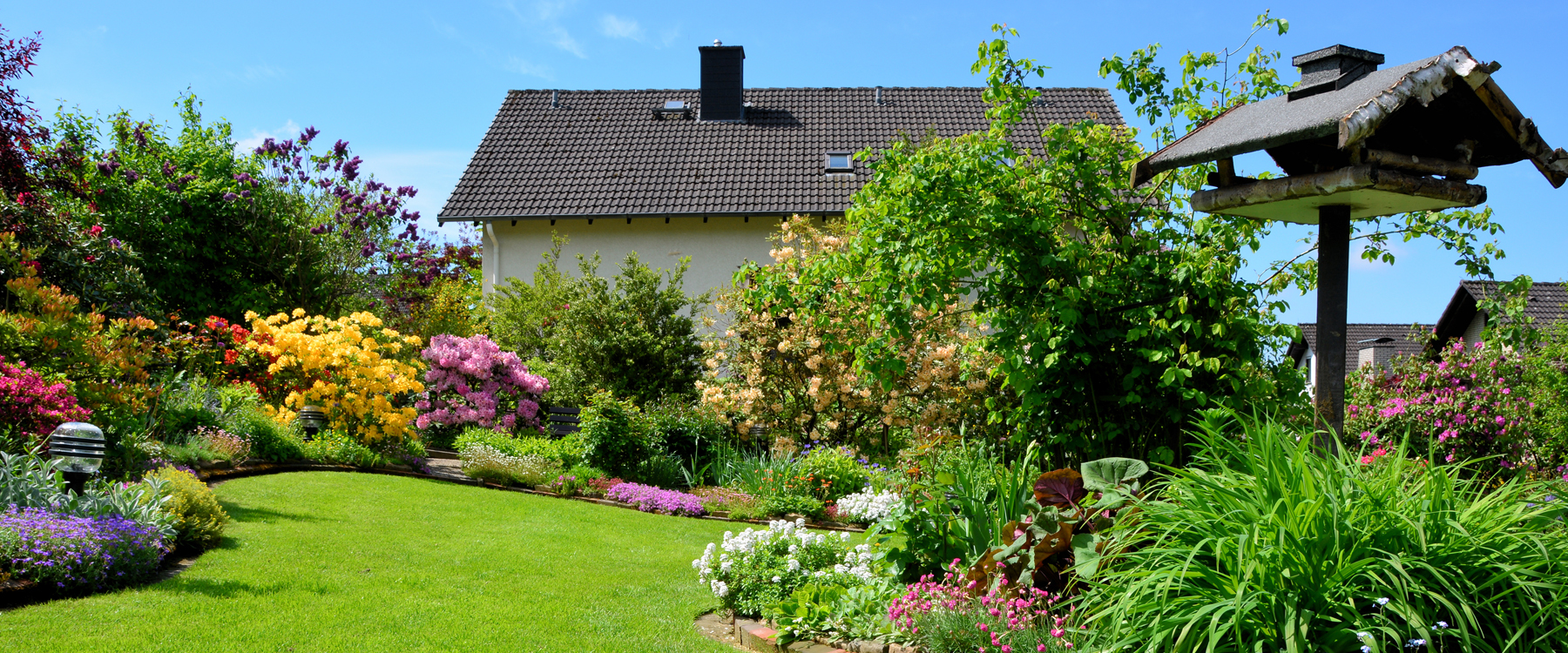
A garden is generally defined as a piece of land, often outdoors, where plants are cultivated and cultivated for personal or aesthetic enjoyment. Gardens can vary widely in size, scope, and purpose, and they often serve multiple functions, including relaxation, recreation, and food production. Typically, gardens are characterized by a deliberate arrangement of flora (plants), which can include flowers, shrubs, trees, and vegetables.
Types of Gardens
Different types of gardens exist to cater to varied interests and environments.
See also:
- Vegetable Gardens: These focus on growing edible plants, suitable for home consumption.
- Flower Gardens: Primarily cultivated for the aesthetic appeal of flowering plants.
- Herb Gardens: These are dedicated to growing culinary or medicinal herbs.
Garden Design and Layout
The design of a garden can greatly affect its functionality and appearance.
- Formal Layout: Involves symmetrical patterns and geometric shapes, often seen in classical gardens.
- Informal Layout: Features a more natural look, with curves and organic shapes that mimic nature.
- Raised Beds: Elevated soil plots allowing for better drainage and easier access.
Garden Maintenance
Maintaining a garden requires consistent effort and knowledge about plant care.
- Watering: Essential for plant growth; can be done manually or through irrigation systems.
- Weeding: Removing unwanted plants that compete for nutrients and space.
- Fertilization: Providing plants with nutrients to promote healthy growth.
Environmental Benefits of Gardens
Gardens offer several ecological advantages that contribute to the environment.
- Enhanced Biodiversity: Supports a variety of species, providing habitats for wildlife.
- Soil Improvement: Healthy gardens help prevent erosion and improve soil quality.
- Carbon Sequestration: Plants absorb carbon dioxide, helping to mitigate climate change.
Gardening as a Hobby
Gardening is a popular hobby offering both physical and mental benefits.
- Physical Activity: Engaging in gardening promotes exercise through planting, digging, and weeding.
- Mental Wellness: Gardening can reduce stress and improve mood, providing a sense of accomplishment.
- Creativity: Allows individuals to express themselves through design and plant selection.
What constitutes gardening?

Gardening is the practice of cultivating, planning, and maintaining a collection of plants in a designated area, which can range from a modest backyard to expansive public parks. This activity encompasses various elements that collectively define its scope and purpose. The essence of gardening revolves around the interaction between humans and nature, where individuals engage in activities aimed at enhancing the aesthetic appeal, functionality, and health of a green space. The core components of gardening include understanding plant needs, preparation of soil, planting, maintenance, and often, landscape design.
The Elements of Gardening
Gardening is composed of several fundamental elements that work together to create a thriving environment for plants. These elements include:
- Soil: The foundation of gardening, healthy soil is rich in nutrients and organic matter, supporting robust plant growth.
- Water: Essential for plant survival, adequate watering practices are crucial for sustaining life.
- Plants: The main focus of gardening varies widely, encompassing flowers, vegetables, herbs, and trees.
Types of Gardening
Gardening can take many forms, allowing enthusiasts to pursue their interests based on available space, resources, and goals. Some common types include:
- Vegetable Gardening: Focused on growing edible plants, it emphasizes practicality and food production.
- Flower Gardening: Concentrates on aesthetic appeal, showcasing a variety of flowering plants for beauty.
- Container Gardening: Perfect for limited spaces, it involves growing plants in pots or other containers.
Gardening Techniques
To achieve successful results, various techniques are utilized in gardening, tailored to specific plants and environments. These techniques include:
- Pruning: The practice of trimming plants to encourage growth and improve structure.
- Fertilizing: Applying nutrients to enhance soil quality and support plant development.
- Mulching: Using organic or synthetic coverings on soil to retain moisture and suppress weeds.
The Benefits of Gardening
Engaging in gardening provides numerous benefits that extend beyond simply growing plants. These benefits include:
See also:
- Mental Health: Gardening can reduce stress and provide therapeutic benefits, fostering emotional well-being.
- Physical Exercise: The physical activities involved, such as digging and planting, promote overall health and fitness.
- Environmental Impact: Gardening contributes to biodiversity, supports wildlife, and enhances local ecosystems.
Tools and Equipment for Gardening
An efficient gardener requires specific tools and equipment to manage their garden effectively. Essential items include:
- Hand Tools: Essential for planting and maintenance tasks, such as trowels and pruners.
- Watering Devices: Including hoses, watering cans, and drip irrigation systems to ensure adequate moisture.
- Soil Test Kits: Used to analyze soil quality and pH levels for optimal plant growth.
What is the rule of 3 in gardening?

The Rule of 3 in gardening is a principle that helps gardeners create aesthetically pleasing layouts and designs by grouping plants in threes. This rule is based on the idea that odd numbers are more visually appealing than even numbers, providing balance and symmetry to garden beds and landscapes. The Rule of 3 can be applied to various aspects of gardening, from choosing plant varieties to arranging flowers and shrubs. Following this guideline encourages a more dynamic and cohesive gardening design.
Understanding the Aesthetics of Grouping
The Rule of 3 emphasizes the importance of grouping plants in odd numbers, particularly threes. This approach helps create a sense of harmony and flow within a garden. When plants are grouped in threes, they can draw the eye and create focal points, enhancing the overall visual experience.
- Balance: Grouping plants in threes helps maintain visual balance.
- Focal Points: It encourages the creation of focal areas that attract attention.
- Dynamic Design: Odd groupings add dynamism and interest to the design.
Choosing Plant Varieties
When applying the Rule of 3, it’s essential to select compatible plant varieties that complement each other in terms of color, texture, and growth habits. This not only improves the visual appeal but also promotes healthy growth by considering the needs of each plant.
- Color Harmony: Choose plants with colors that complement or contrast nicely.
- Texture Variation: Combine plants with different textures to add depth.
- Growth Compatibility: Ensure plants have similar light and water requirements.
Arranging Plants for Maximum Impact
Proper arrangement is crucial when implementing the Rule of 3. Positioning groups of three plants together can create a visually engaging layout that catches the viewer's attention. It's recommended to place taller plants in the back, medium heights in the middle, and shorter ones in the front to enhance visibility and interest.
- Layering: Utilize height differences to create layers in your arrangement.
- Varying Heights: Consider the maximum height of each plant when arranging.
- Spacing: Maintain appropriate spacing between groups for better visibility.
Applying the Rule to Hardscape Elements
The Rule of 3 can also extend to non-plant elements in the garden, such as hardscaping features. Incorporating three similar elements, like stones, benches, or garden ornaments, can enhance the overall design and strengthen the theme of the garden.
- Consistency: Use hardscape elements that complement your plant choices.
- Visual Rhythm: Create rhythm through repetition of hardscape features.
- Focal Points: Position hardscape elements to reinforce focal areas.
Benefits of the Rule of 3 in Garden Design
Adhering to the Rule of 3 in garden design provides multiple benefits. It encourages creativity while simplifying the decision-making process when selecting and arranging plants. With a straightforward guideline, gardeners can improve the aesthetics of their gardens without overwhelming themselves with choices.
- Simplicity: It makes the design process more approachable for gardeners.
- Creativity: Frees up space for creative arrangements and combinations.
- Visual Cohesion: Establishes a unified look throughout the garden layout.
Questions from Our Readers
What is defined as a garden?
A garden is generally considered to be a designated area where plants, flowers, and sometimes vegetables are cultivated. It can range from a small backyard plot to a larger landscape, and may include various features such as paths, ornamental structures, and water elements.
Can a garden be indoors?
Yes, an indoor garden is a viable option for those with limited outdoor space. These gardens typically consist of potted plants or smaller planters, and can utilize artificial lighting to support plant growth, making it possible to enjoy a garden environment indoors.
See also:
What types of plants can be included in a garden?
A garden can include a wide variety of plants, such as flowers, shrubs, trees, and herbs. The choice of plants often depends on the climate, soil type, and the gardener’s preferences, allowing for diverse and unique garden designs.
Do gardens have to be maintained regularly?
Yes, gardens require regular maintenance to thrive. This includes tasks such as watering, weeding, pruning, and checking for pests. Proper maintenance ensures the garden remains healthy and visually appealing throughout the seasons.

If you want to read more articles like What Counts as a Garden? Exploring the Definition and Essentials of a Garden Space, we recommend you check out our Garden category.
Leave a Reply
Related Articles