Exploring the Question: Does a Garden Have to Be in the Ground?
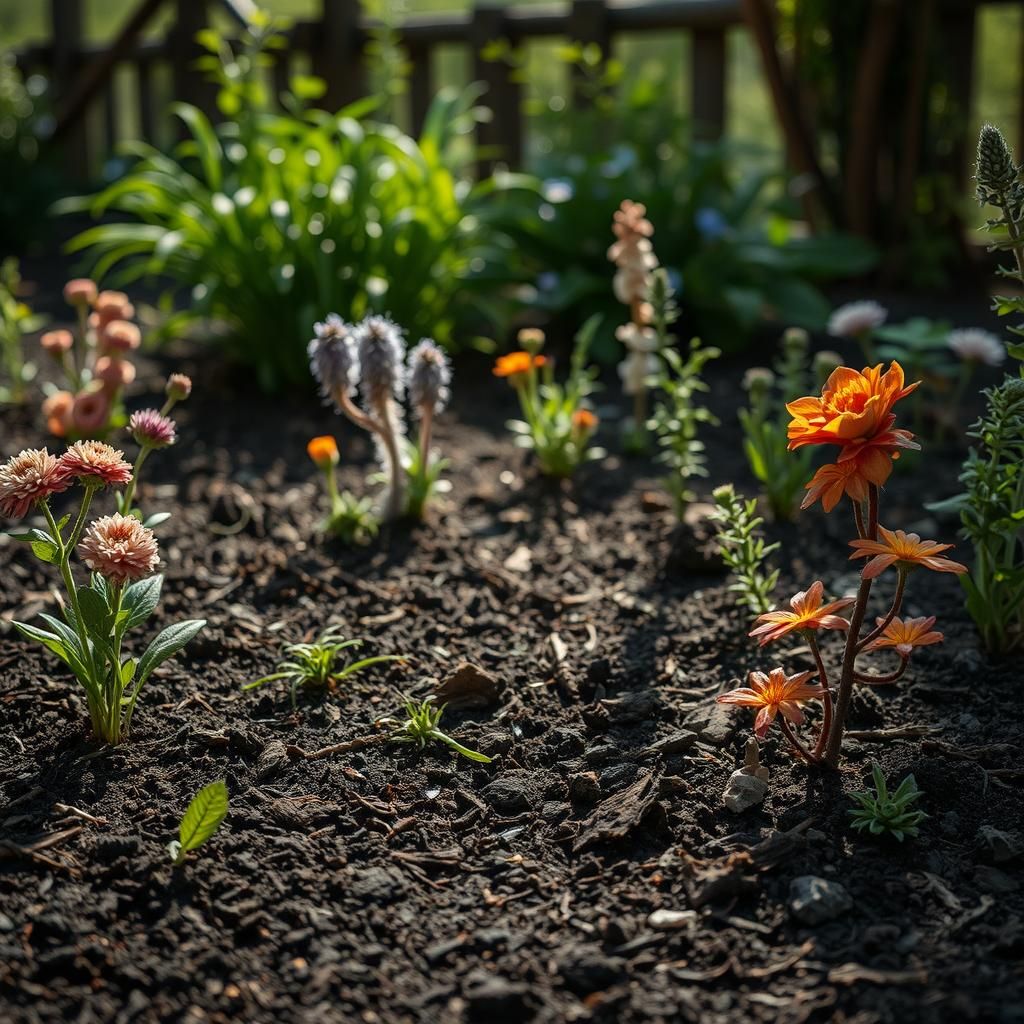
As urbanization continues to reshape our living spaces, traditional notions of gardening are evolving. This article delves into the intriguing question: Does a garden have to be in the ground? With innovative techniques such as vertical gardens, container gardening, and rooftop landscapes gaining popularity, the definition of a garden is expanding beyond soil and earth. We will explore various gardening methods that challenge conventional wisdom and examine the benefits and aesthetics of these alternatives. Join us as we uncover how creativity and sustainability are redefining what it means to cultivate a green space in today's modern environment.
Does a Garden Have to Be in the Ground?
The concept of a garden traditionally implies a plot of land dedicated to cultivating plants, flowers, and vegetables; however, it is not strictly bound to being in the ground. Numerous modern gardening methods, such as container gardening, vertical gardens, and hydroponics, allow for the growth of plants in alternative mediums. These methods offer versatility, enabling individuals with limited space or poor soil conditions to still engage in gardening. Whether on balconies, rooftops, or indoors, gardens can be created using pots, hanging structures, or even water systems, expanding the definition and accessibility of gardening for urban dwellers and those with mobility challenges.
Container Gardening
Container gardening involves growing plants in pots or containers instead of traditional garden beds. This method allows gardeners to position plants wherever they desire, whether on a balcony, patio, or even inside their homes. Additionally, container gardening is perfect for those with limited space or poor soil conditions, as it allows control over the growing medium and environment. This approach has gained popularity due to its ease of maintenance and the ability to rearrange or relocate plants as needed.
Vertical Gardens
Vertical gardens, also known as living walls, involve growing plants in vertical arrangements instead of horizontal plots. This technique maximizes space, making it ideal for urban settings where land is scarce. Vertical gardens can be created using specially designed frame systems or pockets filled with soil or substrate, allowing plants to thrive in a vertically oriented space. This innovative gardening style not only beautifies urban environments but also enhances air quality and biodiversity.
Hydroponics
Hydroponics is a method of growing plants without soil, utilizing water enriched with nutrients to nourish the plants. This soilless gardening technique facilitates faster growth and higher yields, as the plants can access nutrients more efficiently. Hydroponic systems can be established indoors or outdoors, making them adaptable to various environments. This technology also conserves water and reduces the need for pesticides, contributing to a more sustainable way of cultivating food.
Aeroponics
Aeroponics is a gardening method that suspends plants in the air and mists their roots with a nutrient-rich solution. This technique provides enhanced oxygenation and nutrient absorption, promoting rapid plant growth and health. Aeroponics requires minimal space and can be utilized both indoors and outdoors, making it feasible for urban gardeners. This innovative approach also minimizes water consumption compared to traditional soil gardens, aligning with eco-friendly practices.
Gardening in Raised Beds
Raised bed gardening involves building elevated garden beds filled with soil and compost, allowing for better drainage and soil quality. While still using soil, raised beds offer an alternative to traditional in-ground gardens, which can struggle with compacted earth or poor conditions. This method provides improved accessibility for gardeners with mobility issues and extends the growing season by warming up faster in spring. Raised beds can be constructed in various shapes and sizes, making them a popular choice for home gardeners.
| Gardening Method | Advantages | Ideal For |
|---|---|---|
| Container Gardening | Versatile placement; easy to maintain | Small spaces, poor soil conditions |
| Vertical Gardens | Maximizes space; enhances aesthetics | Urban environments |
| Hydroponics | Faster growth; water-efficient | Indoors and outdoors |
| Aeroponics | Enhances nutrient absorption; low water use | Limited space |
| Raised Beds | Improved drainage; increased accessibility | Varied soil conditions |
Is it better to plant a garden in the ground or a raised bed?

When deciding between planting a garden in the ground versus using a raised bed, several factors come into play that can influence the success of your gardening endeavors. Each method has its advantages and disadvantages, and the choice often depends on personal preferences, local climate, soil quality, and the specific plants being cultivated.
Soil Quality
The quality of the soil is a critical factor to consider when choosing between a ground garden and a raised bed. Ground soil may vary significantly in texture and nutrient content.
- In-Ground Gardens: These benefit from existing soil ecosystems and may require less initial investment, but poor soil quality can lead to challenges.
- Raised Beds: Allow for complete control over soil composition, which can be amended to create an ideal environment for plants.
- Soil Drainage: Raised beds often provide better drainage options, preventing waterlogging and promoting healthier root systems.
Pest Management
Pest management strategies can differ significantly between ground gardens and raised beds. Each method presents unique challenges and benefits.
- In-Ground Pest Issues: Soil-dwelling pests can directly affect plant roots, making it more challenging to manage infestations.
- Raised Beds Advantages: Elevation may deter certain soil pests, making it easier to maintain plant health.
- Barrier Methods: In raised beds, gardeners can use physical barriers more effectively, such as row covers, to protect against pests.
Accessibility and Maintenance
Gardening accessibility and maintenance requirements can both vary based on the chosen gardening method, especially for individuals with mobility issues.
- Ease of Access: Raised beds are typically higher off the ground, which can make planting, weeding, and harvesting more accessible for those with limited mobility.
- Maintenance Efforts: Ground gardens often require more bending or kneeling, which can lead to physical strain over time.
- Weed Control: Raised beds can offer improved weed control, as they can be lined with barriers that restrict weed growth.
Microclimate Effects
The concept of microclimates refers to the climatic variations that can exist within a small area. This factor can significantly influence plant growth.
See also:
- Raised Bed Heat Retention: Raised beds can warm up faster in spring, benefiting heat-loving plants.
- Soil Temperature: The elevated position may lead to warmer soil temperatures, extending the growing season.
- Wind Resistance: Structures around raised beds can serve as windbreaks, creating a more favorable environment for delicate plants.
Watering Needs
Understanding the watering needs of a garden is crucial for maintaining healthy plants, and this differs between ground and raised beds.
- Drainage in Raised Beds: Raised beds typically offer better drainage, preventing overwatering and root rot.
- Water Retention: A well-maintained raised bed can help retain moisture, reducing the frequency of watering.
- Ground Gardens: May require more consistent watering practices, especially in less ideal drainage conditions.
Does a garden have to be on flat ground?
A garden does not necessarily have to be on flat ground. While many traditional gardens are indeed established on flat terrain for convenience, various terrains can provide creative opportunities for gardening. Here are some key points to consider regarding gardening on different types of ground:
Advantages of Flat Ground for Gardens
Establishing a garden on flat ground offers several benefits that make gardening easier and more convenient. The following points outline these advantages:
- Accessibility: Flat ground is easier to navigate, making it more convenient for gardeners to tend to their plants.
- Water Drainage: On level ground, water can drain uniformly, reducing the risk of water pooling and promoting healthy soil conditions.
- Ease of Maintenance: A flat area allows for more straightforward application of gardening practices, such as tilling, weeding, and harvesting.
Gardening on Sloped Terrain
Gardening on slopes can create unique challenges but also offers distinctive opportunities. Here are some aspects to consider:
- Soil Erosion: Sloped gardens are more prone to erosion, which can wash away nutrients and soil without proper management.
- Terracing: Building terraced gardens can help manage steep slopes and create level areas for planting, making gardening possible even on hilly terrains.
- Microclimates: Slopes can create different climatic conditions that might benefit certain plants, as they may receive more sunlight or shelter from wind.
Raised Beds on Uneven Ground
Using raised beds can be an effective solution for gardening in uneven or sloped areas. Consider these benefits:
- Improved Drainage: Raised beds allow for better drainage and prevent waterlogging, which is particularly useful on varying terrains.
- Soil Quality: They enable gardeners to choose the soil type and enhance its quality, ensuring optimal growing conditions.
- Accessibility: Raised beds can be constructed at a height that reduces strain on the back, making gardening more accessible to everyone.
Use of Vertical Gardening Techniques
Vertical gardening is a creative method that can thrive on various terrains. Here are some ideas:
- Space Efficiency: Vertical gardening maximizes space, making it easier to grow plants even in small or sloped areas.
- Reduced Weeds: This technique can reduce weed growth as plants grow upwards instead of on the ground.
- Aesthetic Appeal: Vertical gardens can enhance the visual appeal of a sloped landscape, turning a challenging area into a beautiful feature.
Choosing Plants for Varied Terrains
Selecting the right plants is crucial when gardening on uneven or sloped ground. Consider the following tips:
- Native Plants: Utilizing native plants can enhance soil stability and reduce maintenance, as they are adapted to local conditions.
- Drought-Resistant Species: On sloped areas, drought-resistant plants can help conserve water and thrive without intensive irrigation.
- Ground Covers: Establishing ground cover plants on slopes can help prevent erosion while providing greenery and color.
Can you garden without soil?
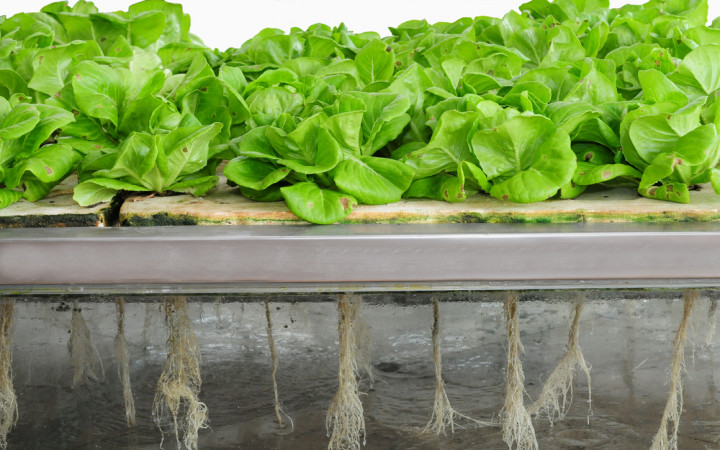
Yes, you can garden without soil through various methods known as soilless gardening. This practice allows plants to grow in nutrient-rich solutions, making it possible to cultivate vegetables, herbs, and even flowers without the need for traditional soil. The most common soilless gardening techniques include hydroponics, aeroponics, and aquaponics. Each of these methods utilizes water and nutrients to support plant growth, presenting numerous advantages such as faster growth rates and the ability to grow in limited spaces.
Hydroponics
Hydroponics is a method of growing plants in a nutrient-rich water solution instead of soil. This approach provides plants with direct access to essential nutrients, allowing for efficient absorption. Hydroponics systems can range from simple setups using containers to more advanced systems that are automated.
- Root Support: Plants are often supported by inert growing media such as coconut coir or perlite.
- Nutrient Delivery: A carefully balanced mix of nutrients is dissolved in water, which circulates through the system.
- Environment Control: Hydroponic systems can be operated indoors, allowing for year-round growth regardless of external climate conditions.
Aeroponics
Aeroponics is a high-tech soilless gardening method where plants are suspended in air and their roots are frequently misted with a nutrient solution. This innovative technique maximizes oxygen access, which is vital for healthy root development.
- Root Exposure: Roots are exposed to air, promoting rapid growth and enhanced nutrient uptake.
- Water Efficiency: Uses less water compared to traditional soil gardening, making it an environmentally friendly option.
- Space-Saving Design: Can be compact, making it suitable for urban settings and areas with limited space.
Aquaponics
Aquaponics combines hydroponics with aquaculture, where fish are raised in conjunction with plants. The waste produced by the fish provides organic nutrients for the plants, while the plants help filter and purify the water for the fish.
See also:
- Symbiotic System: Creates a sustainable ecosystem where plants and fish support each other's growth.
- Organic Nutrient Source: Converts fish waste into fertilizer, reducing the need for synthetic nutrients.
- Biodiversity Promotion: Allows for diverse plant cultivation and the potential for fish farming, contributing to food security.
Benefits of Soilless Gardening
Soilless gardening offers numerous advantages over traditional methods, making it increasingly popular among both home gardeners and commercial growers.
- Faster Growth Rates: Plants often grow more quickly in soilless systems due to better nutrient availability.
- Less Pest & Disease Risk: Reduces the risks associated with soil-borne pests and diseases.
- Space Efficiency: Ideal for urban gardening or places with limited access to arable land.
Challenges of Soilless Gardening
Despite its advantages, soilless gardening also presents some challenges that must be addressed for successful cultivation.
- Initial Setup Cost: Can be more expensive to implement than traditional soil gardening due to equipment and technology needed.
- Technical Knowledge: Requires an understanding of plant nutrient needs, pH levels, and system maintenance.
- Dependency on Technology: Heavily reliant on specific conditions and equipment functioning properly; failures can impact crop health.
What are the disadvantages of a raised garden bed?
There are several disadvantages to consider when it comes to raised garden beds. While they provide many benefits, understanding their limitations is essential for making an informed gardening choice. Below are some of the significant drawbacks associated with raised garden beds.
Initial Cost
Raised garden beds can have a higher initial cost compared to traditional gardening methods. This cost can stem from various factors, including:
- Materials: Purchasing wood, metal, or composite materials for constructing the beds can be expensive.
- Soil: Filling the beds with quality soil and amendments can add a significant expense.
- Tools: You may need special tools or equipment for building and maintaining raised beds.
Soil Management Challenges
Managing soil in a raised garden bed presents its own set of challenges. Soil health is crucial for plant growth, and the raised bed environment can complicate this.
- Soil Depletion: Nutrients can become depleted more quickly in raised beds since plants may consume them rapidly.
- Water Drainage: Poor drainage can occur if the bed is not constructed properly, leading to root diseases.
- Temperature Fluctuations: The soil in raised beds can heat up and cool down more quickly than in the ground, affecting plant growth.
Limited Growing Space
Though raised beds can provide organized growing space, they may also limit the overall area available for planting.
- Size Restrictions: Raised beds come in fixed dimensions, which can restrict the number and types of plants you can grow.
- Accessibility: While beds can be designed to be more accessible, they may not be suitable for every gardener's needs.
- Crop Rotation: Limited space can complicate crop rotation practices, leading to potential pest issues.
Maintenance Requirements
Raised garden beds often require additional maintenance compared to traditional gardens, which can be time-consuming.
- Weed Control: Weeds can still invade raised beds, necessitating ongoing weeding efforts.
- Structural Maintenance: Wooden beds may rot over time, requiring replacement or repair.
- Watering Needs: Raised beds can dry out faster, meaning you may need to water more frequently.
Temperature and Environmental Impact
Raised beds can be more sensitive to environmental conditions, which can impact plant health.
- Overheating: In hot climates, soil temperature can rise too much, stressing the plants.
- Frost Sensitivity: On cooler nights, the elevated soil may cool faster, increasing the risk of frost damage.
- Microclimate Issues: The elevation can create microclimates that are difficult to manage and predict.
Questions from Our Readers
Does a garden have to be in the ground?
No, a garden does not have to be in the ground. Gardening can occur in containers, raised beds, or other structures that allow for plant growth. Many people choose these alternatives for aesthetic reasons or to adapt to limited space.
What types of gardens can be created without soil?
Gardens can be created using hydroponics, aquaponics, or vertical gardening techniques. These methods allow plants to grow in nutrient-rich water or stacked systems, utilizing minimal space while still producing healthy plants.
Are container gardens effective?
Yes, container gardens can be quite effective. They allow for controlled environments and often yield a good amount of produce or flowers, depending on the plants chosen and the care provided. Many urban gardeners prefer this method for space optimization.
Can flowers be grown in non-traditional gardens?
Absolutely! Many people grow flowers in non-traditional setups such as hanging baskets, vertical planters, or even wall pockets. These options not only save space but also add visual interest to both indoor and outdoor areas.
See also:

If you want to read more articles like Exploring the Question: Does a Garden Have to Be in the Ground?, we recommend you check out our Garden category.
Leave a Reply
Related Articles