What Makes a Garden a Garden? Exploring Essential Elements for Every Green Space

Gardens have long been cherished as sanctuaries of beauty, tranquility, and biodiversity. But what truly defines a garden? Is it merely a collection of plants, or does it encompass a deeper connection between nature and human creativity? In this exploration, we will delve into the essential elements that transform a green space into a garden. From the thoughtful arrangement of flora to the inclusion of design features that invite interaction and reflection, we will uncover the fundamental components that create not just a garden, but an experience that nourishes the soul and fosters a sense of belonging in the natural world.
What Defines a Garden?
A garden is primarily characterized by its purposeful arrangement of plants, which may include flowers, shrubs, and trees, organized in a way that enhances aesthetic appeal and functionality. This space often reflects the preferences and needs of its caretaker, incorporating elements such as distinct areas for growing vegetables, herbs, or ornamental plants. Additionally, a garden typically features pathways, seating areas, and sometimes water elements, creating an inviting environment for relaxation and contemplation. The integration of natural elements, human creativity, and the cultivation of various flora contribute to making a garden a unique ecosystem, where both nature and design coexist harmoniously.
Key Components of a Garden
The main components that define a garden include soil, plants, water sources, and structures like trellises or benches. The soil provides essential nutrients and support for plants, while the selection of vegetation determines the diversity and aesthetic appeal of the garden. Incorporating water features such as ponds or fountains can enhance the environment, promoting harmony among landscaping elements. Moreover, structures like paths enhance accessibility, making a garden more functional for visitors. Together, these elements create a balanced space that embodies the essence of gardening.
Aesthetic Considerations
A garden’s aesthetic appeal plays a crucial role in its identity. The choice of colors, shapes, and textures among the plants can create visually pleasing combinations, while the arrangement of elements can guide the viewer’s eye through the space. Utilizing principles of design, such as contrast, balance, and repetition, helps in creating a harmonious environment. Seasonal changes also add dynamic beauty, as different plants bloom at various times, offering evolving vistas throughout the year. Therefore, the aesthetic design is fundamental in defining and enhancing the value of a garden.
Functional Aspects of Gardens
Beyond aesthetics, gardens serve numerous functional purposes. They can provide spaces for growing organic fruits and vegetables, contributing to sustainable living. Gardens can also serve as habitats for wildlife, promoting biodiversity and contributing to ecological balance. Moreover, a well-designed garden offers areas for recreation, encouraging people to engage with nature through activities such as reading, meditation, or family gatherings. Hence, the functional aspects not only enrich human experience but also benefit the environment.
The Role of Maintenance
Maintenance is a critical factor in determining the health and longevity of a garden. Regular tasks such as watering, pruning, weeding, and pest control are essential to keep the garden thriving and looking its best. Furthermore, maintenance can adapt over time, addressing seasonal changes and the growth stages of different plants. A well-maintained garden reflects the care and commitment of its maker, demonstrating how vital ongoing effort is to sustaining a vibrant and flourishing green space.
Cultural Significance of Gardens
Gardens hold significant cultural importance across the globe, often symbolizing peace, tranquility, and human connection to nature. Different cultures have various interpretations and designs of gardens, influenced by local traditions and beliefs. For instance, medicinal gardens are seen in certain cultures as vital for holistic health, whereas Japanese gardens often emphasize simplicity and natural landscapes. The cultural significance of gardening practices also fosters community engagement and a shared sense of responsibility for environmental conservation.
| Component | Description |
|---|---|
| Soil | Essential for nutrient provision and plant support. |
| Plants | Diverse flora including flowers, vegetables, and shrubs. |
| Water features | Add beauty and support local wildlife. |
| Structures | Pathways and seating enhance garden functionality. |
| Maintenance | Regular tasks to sustain health and appearance. |
What is considered a garden?
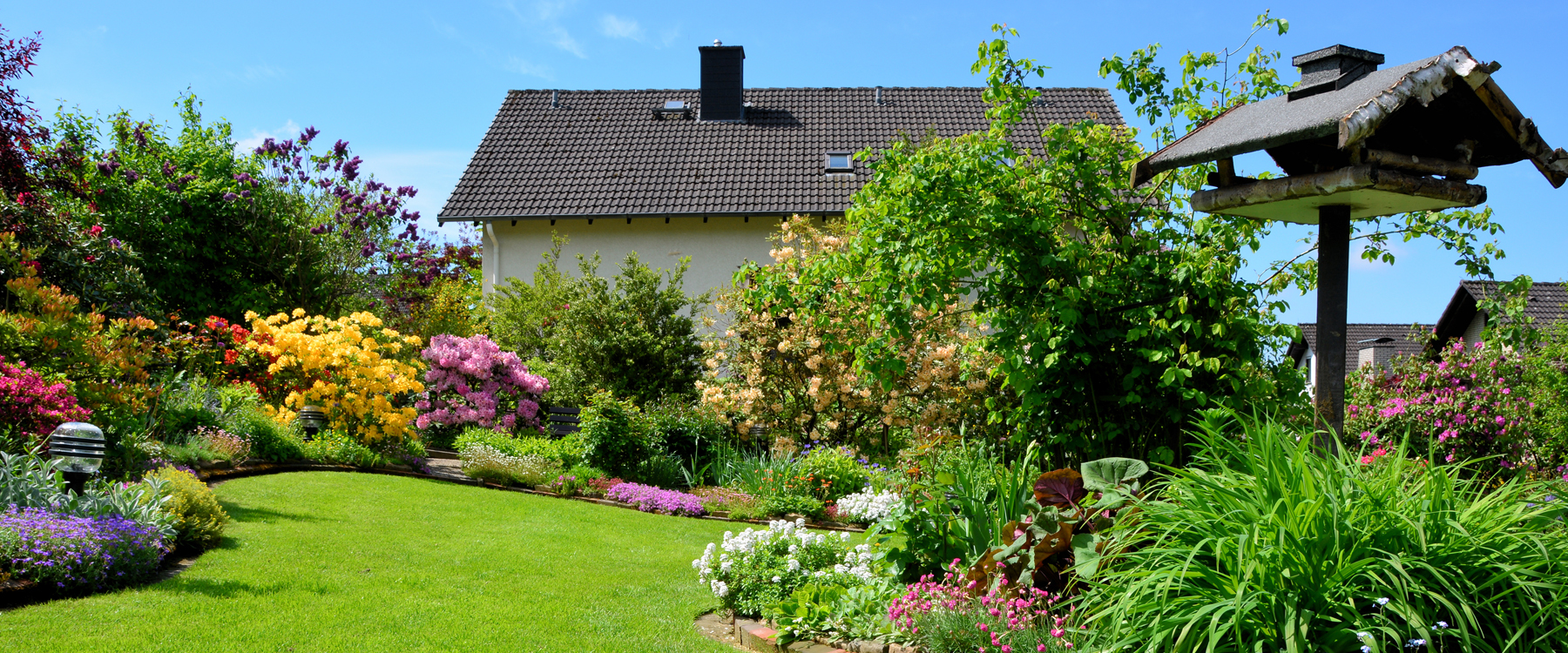
A garden is generally defined as a space dedicated to the cultivation of plants for a variety of purposes including aesthetic enjoyment, practical food production, or ecological benefits. A garden can take many forms and can vary greatly in size and layout, but it typically includes elements such as soil, plants, and design features.
Types of Gardens
Different types of gardens serve various purposes and can be tailored to different environments and preferences:
- Botanical Gardens: These gardens focus on the collection, cultivation, and display of a wide variety of plants labeled with their botanical names.
- Vegetable Gardens: Designed primarily for growing edible plants, these gardens usually feature a diverse array of fruits, vegetables, and herbs.
- Flower Gardens: Concentrated on aesthetic beauty, flower gardens are planted with flowering species to enhance the visual appeal of a space.
- Container Gardens: These gardens utilize pots or containers to grow plants, which is ideal for limited spaces or urban environments.
- Community Gardens: These are shared spaces where multiple community members cultivate plants together, fostering social interaction and collaboration.
Garden Design Principles
The design of a garden can greatly influence its functionality and aesthetic appeal. Key principles include:
- Balance: Achieving a visually pleasing composition through symmetrical or asymmetrical arrangements of plants and features.
- Scale: Understanding how the size of plants and garden features relate to a person's perspective and to one another.
- Color Theory: Utilizing colors harmoniously to evoke desired emotions and enhance visual interest in the garden.
- Line: Employing lines, either straight or curved, to guide the viewer’s eye and create a sense of movement and flow.
- Texture: Incorporating a variety of leaf shapes and plant types to create depth and richness in the visual experience.
Common Garden Features
Gardens often include various features that enhance their usability and aesthetic qualities. These may consist of:
- Paths: Walkways that guide individuals through the garden and create functional spaces for accessibility.
- Water Features: Such as fountains or ponds, which can attract wildlife and add auditory and visual appeal.
- Sitting Areas: Benches or patios that provide spaces for relaxation and enjoyment within the garden setting.
- Raised Beds: Elevated planting spaces that improve drainage and soil quality while making gardening easier on the back.
- Structures: Including trellises or arbors that support climbing plants and add vertical interest to the landscape.
Environmental Benefits of Gardening
Gardens contribute positively to the environment in several significant ways:
See also:
- Biodiversity: They support a wide range of plant and animal species, promoting ecosystem health and resilience.
- Carbon Sequestration: Plants absorb carbon dioxide, which helps mitigate climate change and improve air quality.
- Soil Health: Gardening practices can enhance soil structure, fertility, and promote beneficial microorganisms.
- Water Management: Gardens can improve water infiltration and help manage stormwater runoff.
- Pollinator Support: They provide essential habitats for pollinators like bees and butterflies, which are crucial for food production.
Gardening as a Hobby
Gardening is not only about cultivating plants but also serves as an enriching hobby for many individuals, offering benefits such as:
- Stress Relief: Engaging with nature can lower stress levels and improve mental well-being.
- Physical Activity: Gardening requires various physical activities which can contribute to overall fitness.
- Creativity: Designing and maintaining a garden enables individuals to express their creativity through plant choices and layouts.
- Learning Opportunities: Gardening fosters knowledge about plants, ecosystems, and sustainable practices.
- Community Building: Participation in gardening groups or community gardens provides social connections and a sense of belonging.
What is the definition of a garden?

A garden is a planned space, typically outdoors, that is set aside for the cultivation, display, and enjoyment of various plants and other forms of nature. Gardens can serve many purposes, including aesthetic beauty, relaxation, recreation, and the growing of food. They can be designed for horticultural, educational, or ecological purposes and may vary in size and complexity from a small patch of flowers to extensive arboretums or botanical gardens.
The Purpose of a Garden
The primary purpose of a garden often depends on the intentions of the gardener. Common purposes include:
- Aesthetic Appeal: Many gardens are designed to be visually pleasing and provide a beautiful landscape.
- Food Production: Vegetable and herb gardens serve to grow food for personal consumption.
- Recreational Space: Gardens can provide a space for relaxation and leisure activities.
Types of Gardens
Gardens come in various types and styles, each with its distinct characteristics. Some well-known types include:
- Flower Gardens: Primarily focused on ornamental plants, such as flowers and shrubs.
- Vegetable Gardens: Dedicated to the cultivation of edible plants.
- Botanical Gardens: These display a wide variety of plant species primarily for conservation and education.
Garden Design Elements
The design of a garden incorporates several key elements that contribute to its overall effectiveness and beauty. These elements include:
- Layout: The arrangement of plants, pathways, and structures.
- Plant Selection: Choosing plants based on the climate, soil type, and intended use.
- Hardscaping: Non-plant elements such as patios, fences, and furniture that enhance functionality.
Benefits of Having a Garden
Gardening offers numerous benefits that extend beyond mere aesthetics. Some advantages include:
- Psychological Health: Engaging with plants can improve mental health by reducing stress and anxiety.
- Physical Activity: Gardening involves physical tasks that contribute to physical fitness.
- Environmental Impact: Gardens can enhance biodiversity and support local wildlife.
Gardening Techniques
Various techniques can be employed in gardening to enhance plant growth and health. Some common methods include:
- Companion Planting: Growing compatible plant species together to improve growth.
- Mulching: Applying a layer of material to suppress weeds and retain soil moisture.
- Crop Rotation: Alternating plant types in a specific area to maintain soil health and reduce pests.
What constitutes gardening?

Gardening is the practice of cultivating and managing plants for various purposes, including aesthetic enjoyment, food production, and environmental enhancement. It encompasses a wide range of activities and techniques, from basic plant care to complex landscaping projects. Gardening can be undertaken on various scales, from small balcony gardens to expansive community plots. Here are the primary components that constitute gardening:
Plant Selection
Plant selection is a foundational aspect of gardening. It involves choosing appropriate species that thrive in specific environments and fulfill the gardener's goals.
- Climate Consideration: Understanding the local climate helps in selecting plants that will flourish.
- Soil Type: Different plants require various soil types, so knowing the soil composition is crucial.
- Purpose: Whether for decoration, food, or ecological benefits, the purpose influences plant choices.
Soil Preparation
Soil preparation is vital for successful gardening. It involves understanding soil health and making amendments to enhance its fertility and structure.
- Testing Soil: Conducting a soil test can determine pH and nutrient levels.
- Adding Organic Matter: Incorporating compost or manure improves soil structure and fertility.
- Tilling: Aerating and breaking up soil can enhance drainage and root penetration.
Watering Practices
Watering practices are essential, as plants require adequate hydration to grow. Different plants have varying water needs.
See also:
- Watering Techniques: Techniques can include drip irrigation, soaker hoses, or traditional watering cans.
- Frequency: Understanding how often to water is crucial, as overwatering can harm plants.
- Rainwater Harvesting: Utilizing rain barrels can provide an eco-friendly water source.
Pest and Disease Management
Managing pests and diseases is crucial to maintaining a healthy garden. This involves monitoring plants and implementing control measures.
- Preventive Measures: Crop rotation and companion planting can deter pests.
- Integrated Pest Management: This approach combines biological, cultural, and chemical practices.
- Regular Monitoring: Inspecting plants regularly helps in early identification of issues.
Seasonal Care
Seasonal care is necessary to adapt gardening practices according to the changing seasons. Different times of the year require distinct approaches.
- Spring Activities: Planting, fertilizing, and cleaning up the garden are key in spring.
- Summer Maintenance: Regular watering, weeding, and monitoring for pests is crucial in summer.
- Fall Preparations: Preparing for winter, including mulching and protecting perennials, is important in fall.
Can a garden be in the backyard?

Yes, a garden can absolutely be in the backyard. In fact, many homeowners choose to utilize their backyards for gardening, as it provides a private space to grow various types of plants, flowers, or even vegetables. The backyard allows for customization according to personal preferences and can serve various gardening purposes, whether ornamental or functional.
Benefits of Having a Garden in the Backyard
Having a garden in the backyard can provide several benefits that enhance both the environment and the homeowner's quality of life:
- Fresh Produce: Growing fruits and vegetables at home ensures access to fresh and organic produce.
- Aesthetic Appeal: A garden adds beauty and can increase the property value.
- Stress Relief: Gardening is known to be therapeutic, helping to reduce stress and improve mental health.
Types of Gardens Suitable for Backyards
There are various types of gardens that can be designed in a backyard, depending on available space and personal interests:
- Vegetable Garden: A dedicated area for growing vegetables, ideal for those interested in cooking.
- Flower Garden: A garden primarily for ornamental flowers, enhancing the backyard's visual appeal.
- Herb Garden: A small garden for growing herbs, which can be beneficial for culinary and medicinal use.
Considerations for Backyard Gardening
Before starting a backyard garden, certain considerations should be taken into account to ensure success:
- Sunlight: Assess how much sunlight the chosen spot receives throughout the day.
- Soil Quality: Test the soil to determine its pH and nutrient levels for optimal plant growth.
- Water Access: Ensure that water sources are easily accessible for regular irrigation.
Design Ideas for Backyard Gardens
Designing a garden in a backyard can be an enjoyable process, and there are numerous creative ideas to consider:
- Raised Beds: Utilize raised garden beds to enhance drainage and reduce the strain of bending over.
- Vertical Gardening: Use vertical structures to save space and create visual interest.
- Garden Pathways: Incorporate pathways for easy access and maintenance of the garden area.
Maintenance Tips for Backyard Gardens
To keep a garden thriving in the backyard, regular maintenance is paramount. Here are some tips:
- Regular Watering: Establish a consistent watering schedule that considers the needs of different plants.
- Weeding: Regularly remove weeds to prevent competition for nutrients and space.
- Pest Control: Monitor plants for pests and take appropriate action to safeguard the garden.
Questions from Our Readers
What defines the space of a garden?
A garden is typically defined by its designated area where plants, flowers, and sometimes vegetables are cultivated. It is often outdoors, but can also include indoor spaces such as greenhouses. The layout and arrangement of plant life, alongside paths or seating, contribute to its overall character.
What types of plants are commonly found in gardens?
Gardens often feature a wide variety of plants, including flowers, shrubs, trees, and vegetables. Each type serves different purposes, such as adding aesthetic beauty, providing food, or attracting wildlife like bees and butterflies. The combination of these plants creates an ecosystem that benefits both the gardener and the environment.
How does maintenance affect a garden?
Maintenance is crucial for a garden’s health and aesthetic appeal. Regular tasks such as watering, pruning, and weeding ensure that plants thrive and prevent the spread of pests and diseases. An adequately maintained garden not only looks more attractive but also promotes sustainable growth and biodiversity.
Can a garden exist without traditional elements?
Yes, a garden can exist without traditional elements like flowers or vegetables. Some people create rock gardens, succulent gardens, or even artistic installations that incorporate natural materials in unique ways. Ultimately, what makes a garden is the intention behind the space and the focus on fostering a connection with nature.
See also:
If you want to read more articles like What Makes a Garden a Garden? Exploring Essential Elements for Every Green Space, we recommend you check out our Garden category.
Leave a Reply
Related Articles