What is the Most Effective Fungicide Against Powdery Mildew Disease? Top Solutions for Your Garden

Powdery mildew is a common fungal disease that affects a wide range of plants, leading to a reduction in both aesthetic appeal and crop yield. Gardeners often find themselves battling this persistent foe, seeking effective solutions to protect their plants. With numerous fungicides available on the market, choosing the right one can be challenging. This article explores the most effective fungicides against powdery mildew disease, evaluating their active ingredients, application methods, and overall efficacy. Understanding these options will empower gardeners to make informed decisions, ensuring their plants remain healthy and vibrant throughout the growing season.
What is the Most Effective Fungicide Against Powdery Mildew Disease?
Powdery mildew disease, caused by a variety of fungal pathogens, can severely impact plant health and crop yields. Among the most effective fungicides available, myclobutanil and tebuconazole have shown significant efficacy in controlling powdery mildew. These systemic fungicides work by inhibiting the growth of the fungi, thereby preventing the spread of the disease. Application should be targeted early in the infection cycle for optimal results. Furthermore, it's important to rotate fungicides with different modes of action to avoid resistance development in pathogens.
Understanding Powdery Mildew Disease
Powdery mildew is characterized by a distinctive white, powdery coating on plant leaves and stems, mostly caused by Ascomycete fungi. This fungal disease thrives in warm, dry conditions and can spread rapidly under suitable environmental conditions. Understanding the life cycle and environmental needs of these fungi is crucial for effective management and prevention strategies. Regular monitoring of plants and implementing cultural practices such as proper spacing and air circulation can help reduce the likelihood of infection.
Types of Fungicides for Powdery Mildew
Fungicides can be broadly categorized into contact and systemic fungicides. Contact fungicides, such as sulfur and bicarbonates, remain on the surface of the plant and create a protective barrier. In contrast, systemic fungicides are absorbed by the plant and provide internal protection. Choosing the right type is essential for managing powdery mildew effectively, as systemic fungicides often offer longer-lasting protection compared to contact types.
Application Timing and Frequency
The timing of fungicide application is critical for effective control of powdery mildew. Early intervention, ideally at the first signs of infection, can substantially improve management outcomes. Depending on the severity of the infection and fungicide type, applications can be repeated every 7 to 14 days. However, it is essential to follow specific label instructions to ensure efficacy and minimize the risk of developing fungal resistance.
Resistance Management Strategies
To prevent the development of resistance among powdery mildew pathogens, it's essential to implement a robust resistance management strategy. This may involve rotating different fungicides with distinct modes of action and incorporating non-chemical control methods such as cultural practices and biocontrol agents. These strategies not only prolong the effectiveness of existing fungicides but also contribute to sustainable disease management.
Comparative Efficacy of Popular Fungicides
| Fungicide | Type | Efficacy | Active Ingredient |
|---|---|---|---|
| Myclobutanil | Systemic | High | Myclobutanil |
| Tebuconazole | Systemic | High | Tebuconazole |
| Sulfur | Contact | Moderate | Sulfur |
| Bicarbonates | Contact | Moderate | Potassium Bicarbonate |
| Chlorothalonil | Contact | Moderate to High | Chlorothalonil |
This table illustrates the comparative efficacy of several popular fungicides used for managing powdery mildew disease, highlighting the type of fungicides and their active ingredients.
What is the most effective fungicide to control powdery mildew?
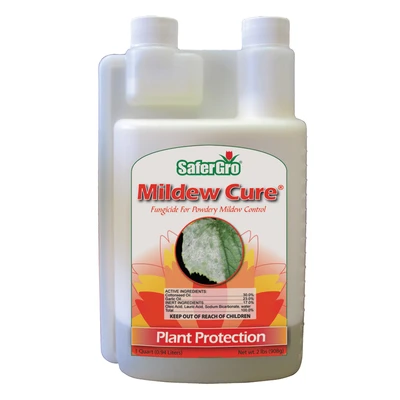
The most effective fungicide to control powdery mildew is often considered to be potassium bicarbonate. This compound is a contact fungicide that works effectively by disrupting the fungal cell membranes and raising the pH level on the plant surfaces, making it less hospitable for the powdery mildew fungus. Additionally, other effective fungicides include those containing sulfur, triazoles, and systemic fungicides like myclobutanil. The choice of fungicide may depend on several factors, including the type of plants affected, environmental conditions, and any existing resistance in the powdery mildew population.
1. Understanding Powdery Mildew
Powdery mildew is a fungal disease that appears as white, powdery spots on the leaves, stems, and buds of plants. It thrives in warm, dry environments and is often encouraged by high humidity, making it a common issue in gardens and greenhouses. The symptoms can lead to reduced plant vigor and yield if not managed promptly.
See also:
- Identification of infected plants is crucial for early intervention.
- Symptoms typically include white powdery growth on surfaces.
- Powdery mildew can spread rapidly, especially in crowded plantings.
2. Chemical Control Options
For those dealing with serious infections, chemical fungicides are often necessary. Products with ingredients like myclobutanil or tebuconazole can provide systemic control, meaning they penetrate the plant tissues and offer prolonged protection. These fungicides vary in mode of action and should be applied according to label instructions for maximum effectiveness.
- Choose a fungicide based on the severity of the outbreak.
- Always follow the manufacturer's recommendations for application rates.
- Consider resistant varieties to reduce reliance on chemicals.
3. Organic Treatments for Powdery Mildew
For those seeking organic options, potassium bicarbonate and sulfur are preferred. These substances can effectively reduce powdery mildew without the use of synthetic chemicals. Additionally, certain essential oils and fungicidal soaps can be employed, but their effectiveness may vary based on environmental conditions.
- Potassium bicarbonate alters pH on leaf surfaces.
- Sulfur works best in cooler temperatures and lower humidity.
- Organic treatments generally require more frequent applications.
4. Preventative Measures
Preventing powdery mildew involves a combination of good cultural practices and strategic plant management. Ensuring proper air circulation and avoiding overcrowding can significantly reduce the incidence of this disease. Regular monitoring for early signs of infection will allow for timely interventions.
- Space plants adequately to improve airflow.
- Water at the base of plants to reduce leaf wetness.
- Choose resistant plant varieties whenever possible.
5. Timing and Application Techniques
The timing of fungicide applications is critical for the control of powdery mildew. It is best to apply fungicides at the first signs of infection or as a preventive measure before conditions become favorable for the disease. Applying fungicides during cooler parts of the day can improve efficacy and reduce the risk of plant damage.
- Apply fungicides during cooler, cloudy days to minimize stress on plants.
- Repeat applications may be necessary, depending on the product.
- Monitor weather conditions to anticipate outbreaks and adjust application frequency.
What is the best powdery mildew killer?
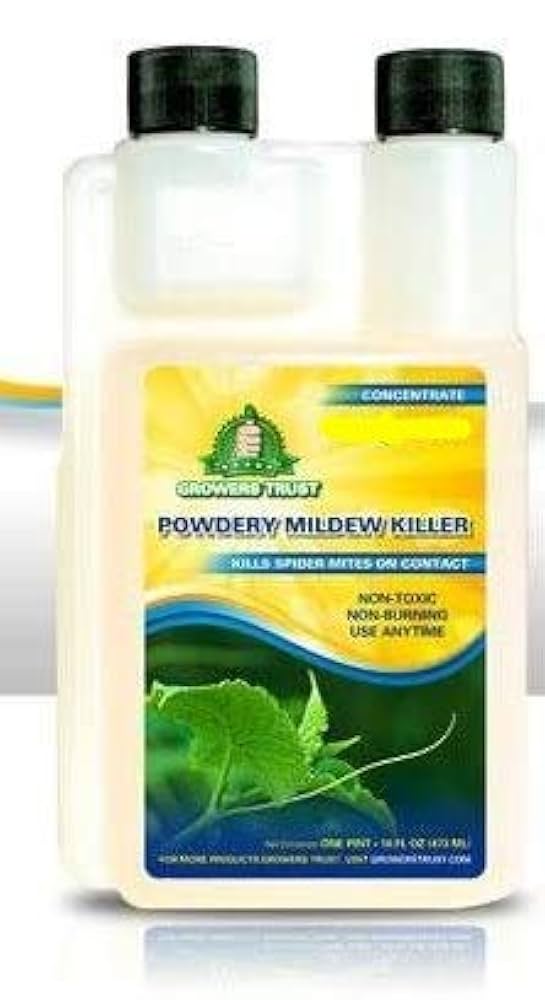
Powdery mildew is a common fungal disease that affects a variety of plants, characterized by white, powdery spots on leaves and stems. The best powdery mildew killers vary based on efficacy, safety, and application methods. Here's a detailed response to the question, along with related subtopics.
Understanding Powdery Mildew
Powdery mildew is caused by various fungi, thriving in warm, dry conditions. It typically appears as a fine, white powder on the surfaces of leaves. The fungi can weaken plants by inhibiting their ability to photosynthesize and absorb nutrients efficiently. Identifying powdery mildew early can lead to more effective management through the application of fungicides.
- It is crucial to monitor gardens regularly.
- Look for early signs, such as white patches on leaves.
- Always remove affected parts to prevent spreading.
Top Chemical Treatments for Powdery Mildew
When searching for the best powdery mildew killers, several chemical options stand out. Products containing active ingredients such as myclobutanil, triadimefon, or chlorothalonil are highly effective against this fungal issue. They work by disrupting the cell division and growth of the fungus, thereby controlling its spread.
- Myclobutanil is known for its systemic action, making it effective for deep-rooted infections.
- Triadimefon offers protectant properties and can be used preventively.
- Chlorothalonil is broad-spectrum and can control multiple fungal pathogens, including powdery mildew.
Natural Remedies to Combat Powdery Mildew
For those seeking organic solutions, there are natural remedies that can effectively manage powdery mildew. Solutions made from baking soda, milk, or essential oils can help combat the disease while being less harmful to the environment.
- Baking soda works by raising the pH on the leaf surface, making it less hospitable for the fungus.
- Milk contains proteins that may inhibit fungal growth when sprayed on infected plants.
- Essential oils, such as tea tree oil, can provide antifungal properties and are safe for plant applications.
Preventive Measures Against Powdery Mildew
Prevention is often the best way to manage powdery mildew. Implementing certain cultural practices can help reduce the risk of infection. This includes improving air circulation and avoiding overcrowding of plants.
See also:
- Space plants appropriately to allow for air movement.
- Properly prune to remove excess foliage that can trap humidity.
- Water plants early in the day to reduce moisture during the night when mildew thrives.
Choosing the Right Application Method
When applying a powdery mildew killer, the method of application can significantly affect its effectiveness. Both spraying and drenching can be viable options, depending on the active ingredient and plant type.
- Spraying is suitable for surfaces where powdery mildew is visible and allows even distribution.
- Drenching can be effective for systemically active fungicides that need to be absorbed through the root system.
- Always follow label instructions to determine the appropriate method and frequency of application.
When's the best time to spray for powdery mildew?
:max_bytes(150000):strip_icc()/powdery-mildew-1402500_FINAL-132e55a8e24b4392a79a41a3791e01b5.png)
When it comes to managing powdery mildew, timing is crucial for effective treatment. The best time to spray for powdery mildew is generally during the early morning or late afternoon when temperatures are cooler, and humidity levels are higher. This timing helps to ensure that the treatment adheres properly to the plant surface, allowing for maximum effectiveness. Additionally, preventive sprays can be applied in the spring before symptoms appear, especially during periods of high humidity and moderate temperatures, which are conducive to the development of powdery mildew.
Understanding Powdery Mildew
Powdery mildew is a fungal disease that affects a wide range of plants. Understanding its life cycle and the conditions that promote its growth is vital for effective management. Key factors include:
- Warm temperatures: Powdery mildew thrives in warm conditions, particularly at temperatures between 60°F and 80°F.
- High humidity: High moisture levels increase the likelihood of infection, making it essential to monitor weather patterns.
- Dense foliage: Plants that are overcrowded or have poor air circulation can be more susceptible to powdery mildew.
Signs of Powdery Mildew
Recognizing the signs of powdery mildew is crucial for timely intervention. Symptoms to look for include:
- White or grayish spots: Initially, clusters of white spots appear on leaves, which can spread and cover the entire leaf surface.
- Stunted growth: Infected plants may exhibit diminished growth and vigor due to nutrient deficiencies.
- Leaf discoloration: Over time, leaves may turn yellow and become brittle, affecting overall plant health.
Optimal Conditions for Spraying
The conditions under which you spray for powdery mildew can significantly affect the treatment's success. Consider the following optimal conditions:
- Early morning or late afternoon: These times are ideal for applying fungicides as temperatures are lower, and there is less risk of evaporation.
- Dry conditions: Aim to spray on a day when rain is not expected for at least 24 hours to allow the treatment to dry and adhere to the plant.
- Wind-free environment: Reducing wind during application can help ensure the spray lands on the target plants, minimizing drift and maximizing effectiveness.
Preventive Measures
Taking preventive measures can significantly reduce the occurrence of powdery mildew. Strategies include:
- Regular monitoring: Inspect plants regularly, especially during wet or humid weather, to catch any signs of powdery mildew early.
- Proper spacing: Ensure good air circulation between plants to reduce humidity levels around the foliage.
- Using resistant varieties: When possible, select plant varieties that have shown resistance to powdery mildew.
Fungicides and Treatments
Choosing the right fungicide and treatment is essential for managing powdery mildew effectively. Key considerations include:
- Fungicide formulation: Use fungicides labeled explicitly for powdery mildew and follow the manufacturer's instructions for application rates and timing.
- Natural treatments: Options such as neem oil or baking soda mixtures can be effective if applied early in the disease development.
- Rotate treatments: To avoid resistance, rotate between different classes of fungicides over the growing season.
Questions from Our Readers
What is the most effective fungicide against powdery mildew disease?
The most effective fungicide against powdery mildew disease typically includes active ingredients like myclobutanil, trifloxystrobin, and chlorothalonil. These chemicals work by disrupting the growth of the fungi responsible for the disease, effectively eliminating the infection and preventing further spread.
How should fungicides be applied to treat powdery mildew?
Fungicides should be applied as a preventive measure or at the first sign of powdery mildew. It’s important to ensure thorough coverage of affected plants, including the undersides of leaves, as this maximizes the fungicide's effectiveness. Always follow the manufacturer's instructions for the best results.
See also:
Are there any organic options for controlling powdery mildew?
Yes, there are several organic options for controlling powdery mildew, including bicarbonate-based sprays and sulfur. These organic fungicides can be effective against the disease and are often favored by gardeners looking for more environmentally friendly solutions.
How can I prevent powdery mildew disease?
To prevent powdery mildew disease, it’s important to maintain good air circulation, avoid overhead watering, and choose resistant plant varieties. Additionally, regular pruning and the removal of infected plant material can significantly reduce the risk of an outbreak.

If you want to read more articles like What is the Most Effective Fungicide Against Powdery Mildew Disease? Top Solutions for Your Garden, we recommend you check out our Garden category.
Leave a Reply
Related Articles