What is the Definition of a Garden? Discover the Meaning and Importance of Gardens

A garden is more than just a patch of land filled with plants; it is a sanctuary where nature and human creativity intertwine. This article delves into the definition of a garden, exploring its various forms and functions across cultures and history. From ornamental landscapes to functional vegetable patches, gardens serve essential roles in our lives, contributing to our well-being, aesthetics, and even our ecological footprint. Understanding what defines a garden can help us appreciate their significance in fostering biodiversity, enhancing mental health, and connecting us to the earth. Join us as we uncover the meaning and importance of gardens in our world.
Definition of a Garden
A garden is defined as a designated area designed for the cultivation and display of plants, including flowers, herbs, vegetables, and shrubs, typically situated on residential or public property. Gardens serve not only functional purposes, such as providing food or medicinal herbs, but also aesthetic ones, offering beauty, tranquility, and recreational opportunities to individuals and communities. The design and management of a garden can vary significantly based on cultural, climatic, and personal preferences, highlighting the diversity of gardening practices around the world.
Types of Gardens
There are various types of gardens, each serving different purposes and showcasing unique plant selections. Some common types include vegetable gardens, which focus on growing edible produce; flower gardens, renowned for their aesthetic beauty and biodiversity; ornamental gardens, which prioritize ornamental plants for decoration; and community gardens, where residents come together to cultivate crops and foster social interaction. Each garden type reflects the gardener's intentions and the local ecosystem.
Historical Significance of Gardens
Throughout history, gardens have held significant cultural and symbolic meanings. Ancient civilizations, such as the Egyptians and Mesopotamians, cultivated gardens for sustenance and religious practices, while the famous Hanging Gardens of Babylon are often regarded as one of the Seven Wonders of the Ancient World. Over time, gardens have continued to evolve, with different styles emerging across cultures, often representing the aesthetics and values of their societies, like the Japanese Zen gardens aimed at meditation and tranquility.
Ecological Impact of Gardens
Gardens play a crucial role in promoting biodiversity and supporting local ecosystems. By providing habitats for various species, gardens can help sustain pollinators like bees and butterflies, which are essential for plant reproduction. Additionally, gardens contribute to soil preservation, water management, and reducing urban heat effects. Implementing practices such as native plant landscaping and organic gardening can enhance the ecological benefits gardens provide.
Gardening Techniques
Gardening employs a range of techniques and methods, depending on the desired outcome and environmental conditions. Common techniques include companion planting, crop rotation, and permaculture, which promote sustainable practices. Additionally, different growing systems such as raised beds, container gardening, and vertical gardens allow for flexibility in space usage. The choice of technique often reflects the gardener's philosophy toward environmental stewardship and productivity.
Cultural Differences in Gardening
Cultural influences significantly shape gardening practices worldwide, resulting in diverse styles and philosophies. In Western countries, gardens often emphasize aesthetics and personal expression through landscaping and design. In contrast, traditional Asian gardens may focus on harmony with nature, incorporating elements like water and stones to create serene spaces. Furthermore, indigenous gardening practices, such as those of Native American tribes, often prioritize sustainable methods and the use of native plants to enhance food security and preserve ecosystems.
| Garden Type | Purpose | Key Features |
|---|---|---|
| Vegetable Garden | Food production | Edible plants, tilled soil |
| Flower Garden | Aesthetic appeal | Colorful blooms, varying heights |
| Ornamental Garden | Decoration | Decorative plants, sculptures |
| Community Garden | Social engagement | Shared plots, communal resources |
How to define a garden?
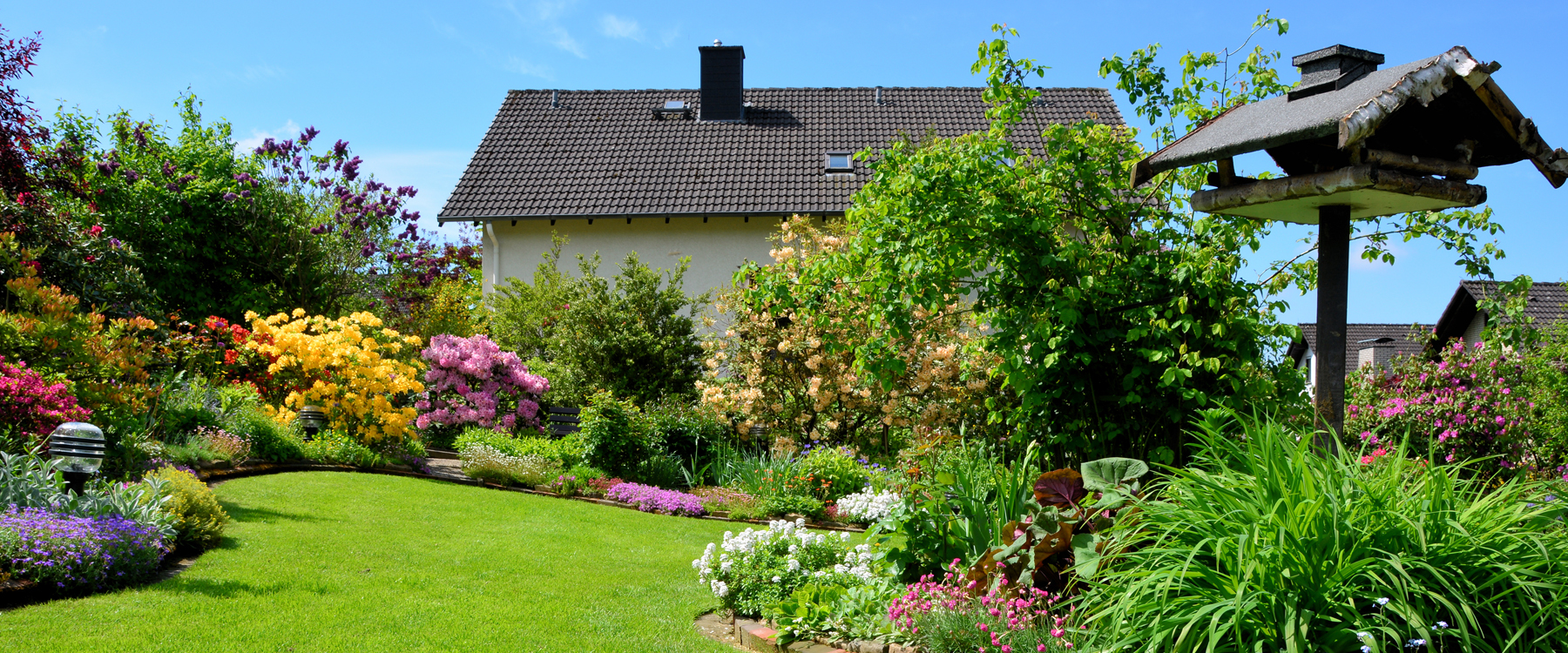

To define a garden, one must consider several aspects that coalesce into a meaningful understanding of what a garden truly is. A garden is generally described as a space dedicated to the cultivation of plants, flowers, fruits, vegetables, or a combination of these. It can take various forms and serve multiple purposes, ranging from purely aesthetic enjoyment to practical food production. The definition can vary based on cultural, geographical, and personal influences, but certain elements remain constant. Typically, a garden is a managed area that demonstrates human intervention in the natural environment, making it a quintessential blend of nature and nurture.
Elements of a Garden
A garden comprises various elements that contribute to its identity. These elements can include:
- Plants: The primary components, which can be flowers, shrubs, trees, or vegetables.
- Soil: The medium in which plants grow, providing nutrients and support.
- Water: Essential for plant sustenance and growth; includes irrigation systems or natural rainfall.
- Design: The layout and arrangement of various features, influencing aesthetics and functionality.
- Ecosystem: A garden can host various organisms, including insects and wildlife, contributing to biodiversity.
Types of Gardens
Gardens can be categorized into several types, each serving unique purposes and aesthetic appeals. Common types include:
- Flower Gardens: Focused on the cultivation of flowering plants for visual appeal.
- Vegetable Gardens: Dedicated to growing food crops for personal consumption.
- Herb Gardens: Concentrating on growing culinary or medicinal herbs.
- Rock Gardens: Incorporating rocks and alpine plants to create a naturalistic setting.
- Zen Gardens: Minimalistic gardens designed for meditation and contemplation, often featuring gravel and stone.
Garden Functions
Gardens serve multiple functions that enhance both human life and the environment. Key functions include:
- Aesthetic Appeal: Gardens provide beauty and pleasure to the eyes, often becoming tranquil retreats.
- Ecological Benefits: They support local wildlife and promote biodiversity by providing habitats.
- Food Production: Many gardens play a critical role in sustainable food practices by supplying fresh produce.
- Education: Gardens can serve as outdoor classrooms teaching about botany, ecology, and nutrition.
- Well-being: Engaging with gardens has been linked to mental health benefits and overall well-being.
Historical Context of Gardens
Gardens have played a significant role throughout history, reflecting cultural values and practices. Their historical context includes:
- Ancient Civilizations: Early gardens were often cultivated for sustenance and religious significance.
- Royal Gardens: Many historic palaces featured elaborate gardens symbolizing power and prestige.
- Botanical Gardens: Established for research and conservation, displaying a variety of plant species.
- Victorian Gardens: Known for their intricate designs and diverse plant species, illustrating the horticultural trends of the era.
- Modern Ecological Trends: Contemporary gardens often emphasize sustainability and native plant usage.
Design Principles in Gardening
Gardening design principles focus on how to create inviting and functional spaces. Key design principles include:
- Balance: Achieving visual equilibrium between various elements to create harmony.
- Contrast: Utilizing differences in colors, shapes, and textures to enhance visual interest.
- Rhythm: Creating a flow through repetition of elements that guides the viewer's eye.
- Scale and Proportion: Ensuring elements are sized appropriately for their surroundings.
- Unity: Fostering a cohesive look among diverse features, making them appear as parts of a whole.
What is the scientific definition of a garden?
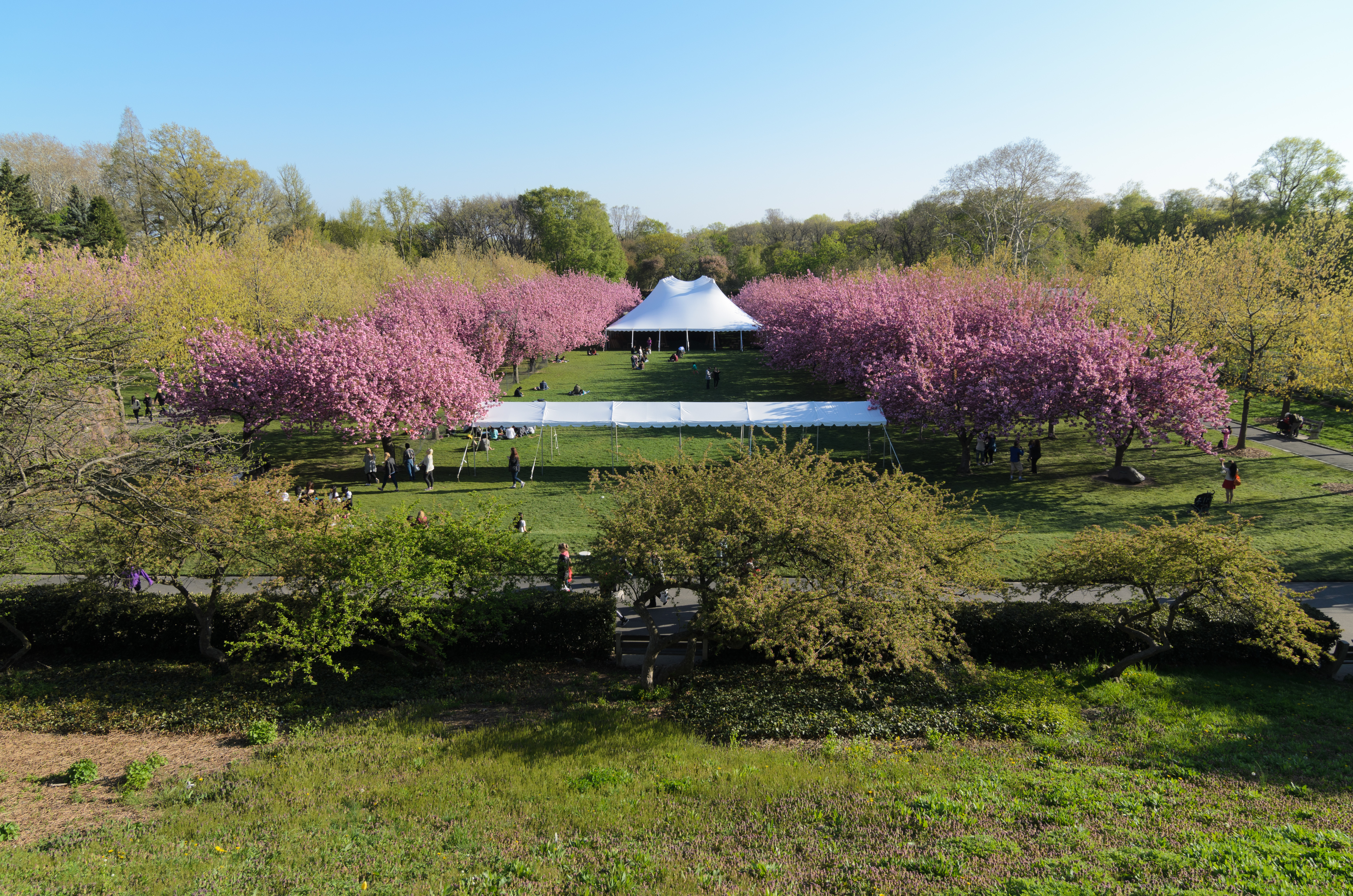
The scientific definition of a garden refers to a planned space set aside for the cultivation, display, and enjoyment of a variety of plants and other landscape elements. Gardens can vary in size and purpose, ranging from small residential plots to large public botanical gardens. They are typically designed to support specific plant types, promote biodiversity, enhance aesthetic beauty, and provide recreational spaces for humans. The establishment of a garden involves manipulating environmental factors such as soil quality, sunlight exposure, and water availability to create a suitable habitat for plants.
See also:
Types of Gardens
Different types of gardens can be classified based on their purpose, design, and the kinds of plants they host.
- Vegetable Gardens: Focused on growing edible plants.
- Flower Gardens: Designed primarily for ornamental purposes.
- Herb Gardens: Specialized in growing aromatic plants used for culinary and medicinal purposes.
- Rock Gardens: Feature alpine plants and stones to create a naturalistic scene.
- Water Gardens: Incorporate aquatic plants and water features, such as ponds.
Ecological Importance of Gardens
Gardens provide significant ecological benefits that contribute to the health of the environment.
- Biodiversity Promotion: By planting various species, gardens contribute to the diversity of the local ecosystem.
- Pollinator Support: Gardens attract and support essential pollinators like bees and butterflies.
- Soil Health: Garden practices like composting and crop rotation improve soil fertility.
- Carbon Sequestration: Plants in gardens absorb CO2, helping mitigate climate change.
- Habitat Creation: Gardens offer a habitat for various wildlife, supporting food webs.
Cultural Significance of Gardens
Gardens have been integral to human culture for centuries, symbolizing various aspects of life.
- Symbols of Status: Historically, gardens have indicated wealth and social standing.
- Therapeutic Spaces: Gardens are known for their therapeutic effects and mental health benefits.
- Artistic Expression: They allow for creativity and personal expression through design and plant choice.
- Community Gathering: Gardens serve as spaces for social interaction and community building.
- Historical Preservation: Many gardens reflect historical practices and cultural heritage.
Gardening Practices
Successful gardening involves various practices that enhance plant growth and sustainability.
- Soil Preparation: Ensuring proper soil composition and pH for optimal plant health.
- Water Management: Employing techniques for efficient irrigation and drainage.
- Pest Control: Utilizing integrated pest management to minimize harm to plants.
- Fertilization: Applying nutrients effectively to sustain plant growth and productivity.
- Pruning and Maintenance: Regular upkeep to promote healthy plant development.
Modern Innovations in Gardening
Advancements in technology and science have transformed gardening into a modern practice, enhancing productivity and sustainability.
- Hydroponics: Growing plants without soil, using nutrient-rich water instead.
- Aeroponics: Cultivating plants in an air/mist environment, reducing water usage.
- Vertical Gardening: Utilizing vertical space to maximize plant growth in smaller areas.
- Smart Gardening Technologies: Integrating IoT devices for monitoring and automation.
- Organic Practices: Emphasizing chemical-free gardening techniques for health and sustainability.
Questions from Our Readers
What is a garden?
A garden is a space that is typically cultivated for the purpose of growing plants, such as flowers, vegetables, and shrubs. It can be designed for aesthetic enjoyment or practical purposes, allowing individuals to connect with nature.
What types of gardens exist?
There are various types of gardens, including flower gardens, vegetable gardens, herb gardens, and landscape gardens. Each type serves different purposes and can vary in design and maintenance requirements.
What are the benefits of having a garden?
Gardening offers numerous benefits, including stress relief, the ability to produce fresh and nutritious food, and an opportunity for exercise. Additionally, gardens can enhance biodiversity and attract beneficial wildlife.
See also:
How do you start a garden?
To start a garden, you should begin by selecting a suitable location, preparing the soil, and choosing the right plants for your climate. It's important to consider factors like sunlight, water availability, and space to ensure a successful gardening experience.

If you want to read more articles like What is the Definition of a Garden? Discover the Meaning and Importance of Gardens, we recommend you check out our Garden category.
Leave a Reply
Related Articles