What Should You Not Plant Close to Peppers? Essential Companion Planting Guide
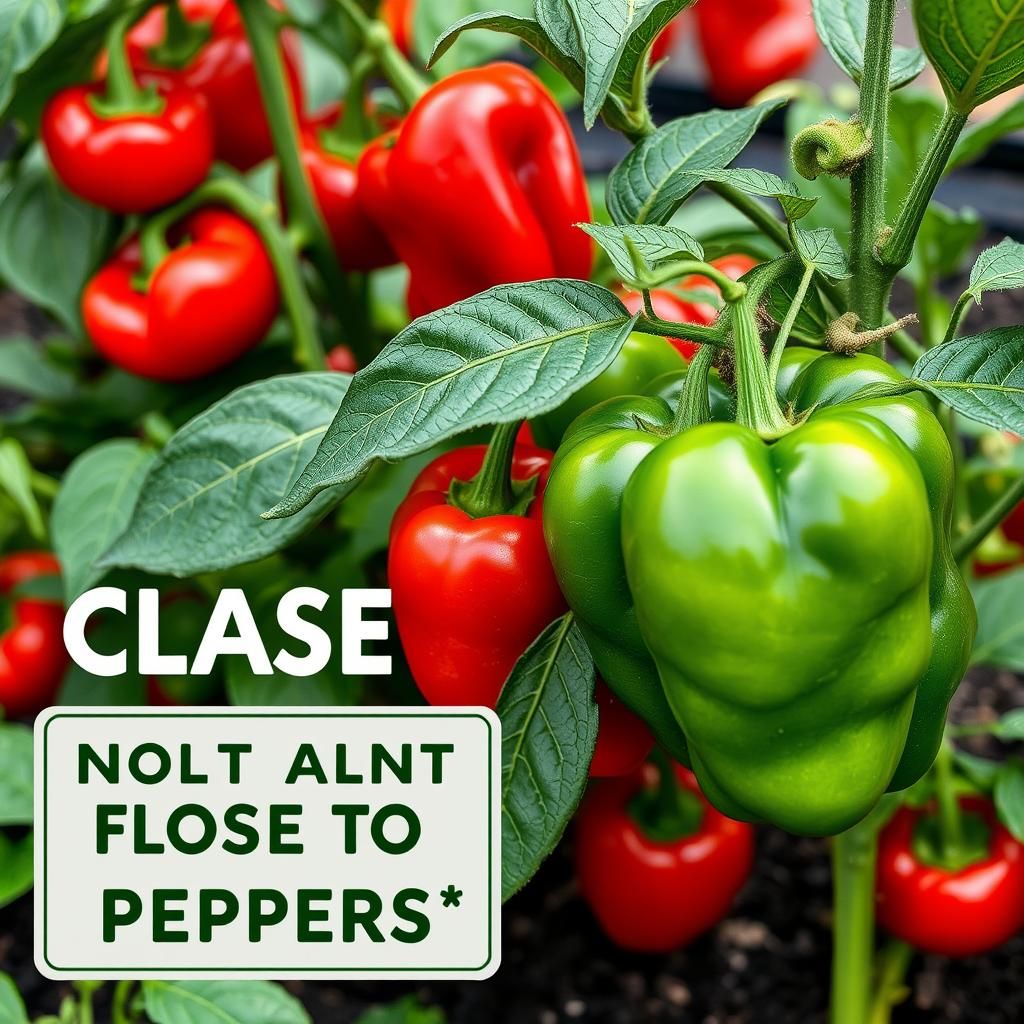
Growing peppers can be a rewarding endeavor, but knowing what to plant alongside them is crucial for a successful garden. Companion planting can enhance growth, deter pests, and improve pollination, while certain plants can hinder the development of your pepper crops. In this guide, we will explore the plants to avoid when planting near peppers, and why these combinations might lead to poor yields or compromised plant health. By understanding the relationships between different species, you can create a thriving garden that maximizes the potential of your pepper plants, ensuring a bountiful and flavorful harvest.
What Not to Plant Near Peppers
When cultivating peppers, it's essential to consider companion planting, as certain plants can hinder their growth or even attract pests. For instance, you should avoid planting cabbage and other members of the Brassica family, like broccoli and cauliflower, near peppers. These plants can compete for nutrients, potentially leading to stunted growth in your peppers. Additionally, some herbs, such as dill, can interfere with pepper development due to their aromatic oils that may affect pollination. It's always beneficial to pair your peppers with compatible plants that ensure optimal growth and healthy crops.
Avoiding Cabbage Family Plants
The cabbage family includes not only cabbage but also kale, cauliflower, and brussels sprouts. These plants can compete aggressively with peppers for nutrients and water, leading to reduced yields for both crops. In some cases, they can also attract specific pests that may harm your peppers. It's best to keep these Brassicas at a distance to promote healthier growth conditions for your peppers.
The Dangers of Planting Dill
Though dill is a popular herb, it is known to have a negative impact on pepper plants. Dill can affect the health of pepper plants as its strong aromas can deter beneficial insects, which are crucial for pollination. Moreover, the growth of dill can attract aphids and other pests that can negatively influence pepper crops. Therefore, it's wise to avoid planting dill nearby to ensure a healthy pepper harvest.
Tomatoes and Peppers: A Complicated Relationship
While tomatoes and peppers are both nightshades, planting them too close together can lead to competition for space and nutrients. They may also be susceptible to the same diseases, such as blight or fungus, which can spread more easily between the two. To mitigate these risks, it's advisable to plant tomatoes and peppers with adequate spacing or opt for other complementary plants nearby.
See also:
Beans: Potential Pest Magnets
Beans can attract various pests that are detrimental to peppers, such as aphids and whiteflies. Additionally, beans may also compete for similar nutrients in the soil, creating an unhealthy environment for pepper plants. To maximize the growth and health of your peppers, it's recommended to keep beans away from this vegetable.
Onions and Garlic: Strong Neighbors
While onions and garlic are often planted for their pest-repelling properties, their strong scents can hinder the growth of pepper plants. They may release allelopathic compounds that thwart the growth of nearby plants, including peppers. It is best to plant onions and garlic at a distance from your peppers to avoid negatively impacting their growth and productivity.
| Plant | Reason to Avoid |
|---|---|
| Cabbage | Competes for nutrients and attracts pests. |
| Dill | Interferes with pollination and attracts harmful pests. |
| Tomatoes | Shares diseases and competes for nutrients. |
| Beans | Attracts pests and competes for nutrients. |
| Onions | Releases compounds that hinder pepper growth. |
Understanding Plant Compatibility with Peppers
When it comes to growing peppers, understanding plant compatibility is crucial for a productive garden. Certain plants can negatively affect the growth and health of peppers by attracting pests, competing for nutrients, or limiting sunlight and air circulation. For example, planting fennel close to peppers can inhibit their growth, as fennel is known to be a poor neighbor for many vegetables. Additionally, cabbage family members, such as broccoli and cauliflower, can also compete for similar nutrients, leading to stunted pepper plants. Therefore, it is essential to be mindful of what to plant nearby to maximize both yield and health.
Pests and Diseases Attracted by Companion Plants
Certain companion plants can attract pests that are particularly harmful to peppers. Plants like potatoes can attract aphids, which can spread diseases to neighboring peppers, compromising their overall health. When choosing plants to accompany peppers, it’s critical to avoid those that may harbor pests that threaten the pepper crop. Understanding the common pests associated with specific plants will help you create a more resilient and productive garden.
Nutrient Competition in the Garden
Some plants compete for nutrients that are vital for the growth of peppers. For instance, brassicas, such as cabbage or kale, can consume significant nutrients from the soil, leaving less available for pepper plants. This competition can lead to deficiencies that affect the peppers' overall development. It is advisable to plan the garden carefully, ensuring that nutrient-hungry crops are not planted too close to peppers to maintain optimal soil health and balance.
See also:
Effect of Shade on Pepper Growth
The amount of sunlight a plant receives is critical for its growth, especially for sun-loving plants like peppers. Companion plants such as tall sunflowers or corn can create too much shade, preventing peppers from receiving adequate sunlight. Insufficient light can lead to poor flowering and reduced fruit set, ultimately affecting yield. Understanding the height and growth habits of nearby plants can help ensure that peppers receive the sunlight they need to thrive.
Soil Chemistry and its Impact on Peppers
The chemistry of the soil can profoundly impact the growth of peppers, and some companion plants can alter this chemistry negatively. For example, plants that release allelopathic chemicals, like certain types of nightshade, can inhibit the growth of nearby vegetables, including peppers. Being aware of these interactions is essential for maintaining beneficial soil conditions, ensuring that the peppers can absorb nutrients efficiently and flourish in their environment.
The Role of Water in Companion Planting
Watering needs can vary significantly between plants, and overcrowding with inappropriate companions can lead to issues with drainage or over-absorption of water. For instance, plants that require a lot of moisture, like squash, can lead the soil to retain too much water, resulting in root rot for nearby peppers that prefer drier conditions. Proper understanding of the watering requirements of each plant can help ensure that all plants receive their needed moisture without stressing each other.
Questions from Our Readers
What companions should be avoided when planting peppers?
Planting peppers close to cabbage, broccoli, or kale can lead to poor growth and decreased yields, as these plants compete for similar nutrients and can attract pests that affect peppers.
Why are certain herbs not suitable near pepper plants?
Some herbs, such as basil and mint, can inhibit the growth of peppers by competing for resources, and mint, in particular, can become invasive and overwhelm pepper plants.
See also:
How do specific flowers affect pepper growth?
Flowers like marigolds are beneficial, but flowers such as nasturtiums can harbor aphids which may negatively impact pepper plants, making them less favorable companions.
Which vegetables are best to keep away from peppers for optimal growth?
Potatoes and sweet potatoes should be kept away from peppers, as they can attract the same pests and may lead to increased disease susceptibility in the peppers.
If you want to read more articles like What Should You Not Plant Close to Peppers? Essential Companion Planting Guide, we recommend you check out our Garden category.
Leave a Reply
Related Articles