Is it Better for a Greenhouse to Be Clear or Green? The Ultimate Guide to Greenhouse Colors

When it comes to cultivating a thriving greenhouse environment, the color of your greenhouse can play a pivotal role. The debate on whether a greenhouse should be clear or green has sparked the interest of many horticulturists and gardening enthusiasts. Each option offers unique benefits and challenges that can significantly impact plant growth, light regulation, and temperature control. In this ultimate guide, we will explore the advantages and disadvantages of clear versus green greenhouse structures, helping you make an informed decision tailored to your gardening needs. Discover how color influences not just aesthetics but the very health of your plants.
Is a Clear Greenhouse More Effective Than a Green One?
When considering whether a greenhouse should be clear or green, it’s essential to evaluate the benefits and drawbacks of each option. Clear greenhouses allow for maximum light penetration, which promotes healthier plant growth by maximizing photosynthesis. This light is critical for the plants to thrive, especially in cooler climates where natural sunlight may be limited. On the other hand, green greenhouses can offer better temperature regulation by absorbing and retaining heat, which can be advantageous in warmer climates during the day. However, they may limit light exposure, which could affect plant growth negatively. Overall, the choice between clear and green greenhouses depends on specific growth conditions, types of plants being cultivated, and regional climate.
Light Penetration in Clear vs. Green Greenhouses
Light penetration is one of the most critical factors that influences plant growth in a greenhouse. Clear greenhouses allow sunlight to enter more freely, providing plants with the necessary light for photosynthesis. This is especially important during winter months when natural light is scarce. Conversely, greenhouses with tinted materials can reduce effective light levels, which can hinder plant performance in species that require full sunlight.
Temperature Control in Greenhouses
Temperature regulation is vital in greenhouse management. Green greenhouses tend to absorb more sunlight and retain heat, making them potentially better for warmer climates or during the colder months. However, during hot summer days, these structures can lead to overheating. Clear greenhouses, while allowing for greater light, can also lead to sharp temperature fluctuations if not properly ventilated, making them less suitable for areas with extreme weather variations.
Material Durability and Cost
When it comes to construction material, both clear and green greenhouses can be made from durable options like polycarbonate or glass. However, green materials typically have UV blockers that may extend their lifespan. Costs can vary, with clear greenhouses often being more expensive due to the materials used, while green materials may be more budget-friendly but could sacrifice some durability in the long run depending on the quality.
Plant Types Suitable for Each Greenhouse
Different types of plants thrive in varied environmental conditions, dictating the best type of greenhouse. Light-loving plants, like tomatoes and peppers, perform well in clear greenhouses, taking full advantage of the light available. On the other hand, certain shade-tolerant species may not require as much light and could grow satisfactorily in a green greenhouse, benefiting from the temperature regulation these structures provide.
Environmental Impact and Aesthetics
The aesthetic appeal of a greenhouse can also influence choice for many gardeners. Green greenhouses may blend better with the landscape, leading to a more natural look. From an environmental perspective, clear greenhouses may promote greater energy efficiency through better light management. However, the impact varies by region, and one type may suit local vegetation and climate better than another.
| Feature | Clear Greenhouse | Green Greenhouse |
|---|---|---|
| Light Penetration | High | Moderate |
| Temperature Regulation | Variable | Stable |
| Durability | Varies | Potentially higher if quality |
| Suitable Plants | Light-loving plants | Shade-tolerant plants |
| Aesthetics | Modern look | Natural integration |
Is green or clear better for a greenhouse?

The choice between green or clear plastic for a greenhouse can significantly impact the growth conditions for plants. The transparency, light diffusion, and thermal properties of the materials are essential factors when determining which is more suitable for your greenhouse.
Light Transmission
Plants require adequate sunlight for photosynthesis, and the material used for a greenhouse affects how much light penetrates inside.
See also:
- Clear plastics allow for maximum light transmission, enabling plants to receive ample amounts of sunlight.
- Green plastics, on the other hand, may block some wavelengths of light, potentially limiting growth for light-dependent plants.
- Consider the type of plants being grown; some may thrive better with increased light availability.
Temperature Control
Temperature inside a greenhouse plays a crucial role in plant growth and development.
- Clear materials generally create a warmer environment by maximizing sunlight absorption, beneficial for heat-loving plants.
- Green materials may help diffuse sunlight, reducing the risk of overheating during hot days.
- Assess your climate and the thermal properties needed for your particular environment.
UV Protection
Ultraviolet (UV) light can affect plant health, either negatively by causing damage or positively by promoting growth.
- Clear plastic often allows more UV light, which can be beneficial for certain crops that require UV exposure.
- Green plastic can filter out some UV rays, which may reduce the risk of plant injury but can also hinder the growth of UV-loving species.
- Evaluate the specific light needs of plants and how these materials influence UV levels.
Durability and Lifespan
The longevity of the greenhouse material is essential to maintain a productive growing environment over time.
- Clear coverings tend to degrade faster under UV light, which may lead to a shorter lifespan.
- Green coverings often have additives that enhance UV resistance, thus potentially increasing durability.
- Consider the balance between light needs and longevity when selecting the right material.
Aesthetic Considerations
The appearance of your greenhouse can also be a factor, especially in residential settings.
- Clear plastics offer a more traditional look, showcasing the plants inside while allowing natural light to shine through.
- Green plastics can blend in better with natural surroundings and provide a more muted appearance.
- Think about how the greenhouse fits into your overall landscaping and personal preferences.
Are greenhouses supposed to be clear?

Greenhouses are designed to create controlled environments for growing plants, and their construction materials play a crucial role in achieving this goal. The most common greenhouses are made from clear materials, allowing sunlight to penetrate while protecting plants from the elements. Thus, it is generally true that greenhouses are supposed to be clear for optimal functionality.
Why Are Greenhouses Typically Made of Clear Materials?
Greenhouses use clear materials primarily to maximize light transmission. The effectiveness of light is critical for photosynthesis, and clear materials help achieve that by allowing as much sunlight in as possible.
- Light Penetration: Clear materials allow over 90% of sunlight to enter, which is essential for plant growth.
- Heat Retention: Transparent surfaces, particularly glass or clear plastic, trap heat, maintaining a warm environment even in cooler weather.
- Growth Conditions: By allowing full-spectrum light, clear greenhouses create favorable conditions for a variety of plants throughout the year.
Alternatives to Clear Materials
While clear materials are standard, there are alternatives that can also be used in greenhouse construction, such as shaded or frosted materials, depending on certain conditions.
- Polycarbonate Panels: These are not fully clear but provide thermal insulation and UV protection, making them suitable for specific climates.
- Frosted Glass: It diffuses light, preventing scorching while still allowing ample sunlight to enter.
- Shade Cloth: While not a permanent structure, shade cloth can be used in combination with other materials to reduce light intensity during peak sun hours.
The Role of Light in Plant Growth
Light is fundamental for plant development through the process of photosynthesis. Different plants have varying light requirements, making the choice of greenhouse material critical.
- Photosynthesis: Plants need sunlight to convert carbon dioxide and water into energy.
- Growth Stages: Young plants or seedlings often require more light than mature plants.
- Seasonal Adjustments: The ability to maintain adequate light levels through throughout the year is crucial for a greenhouse’s success.
Regulations and Standards in Greenhouse Construction
In some regions, there may be building regulations or guidelines that dictate materials used in greenhouse construction, primarily focusing on the need for clear panels or structures to ensure light requirements are met.
See also:
- Local Climate: Regulations may vary based on climatic conditions that affect light availability.
- Energy Efficiency: Building codes may promote materials that enhance energy efficiency, including clear panels that help retain heat.
- Safety Standards: Ensuring the safety in structures made from various materials is also a consideration in regulations.
Future Trends in Greenhouse Design
As technology advances, new materials and designs are being developed, potentially changing the traditional emphasis on clear structures.
- Smart Glass: Technologies like electrochromic glass allow windows to change transparency as needed for light management.
- Solar Panels: Integrating solar technology can provide power while also maintaining a controlled light environment.
- Enhanced Materials: Research into materials that can better control light wavelengths for specific plant needs is ongoing, enhancing growth potential.
Should greenhouse plastic be clear?
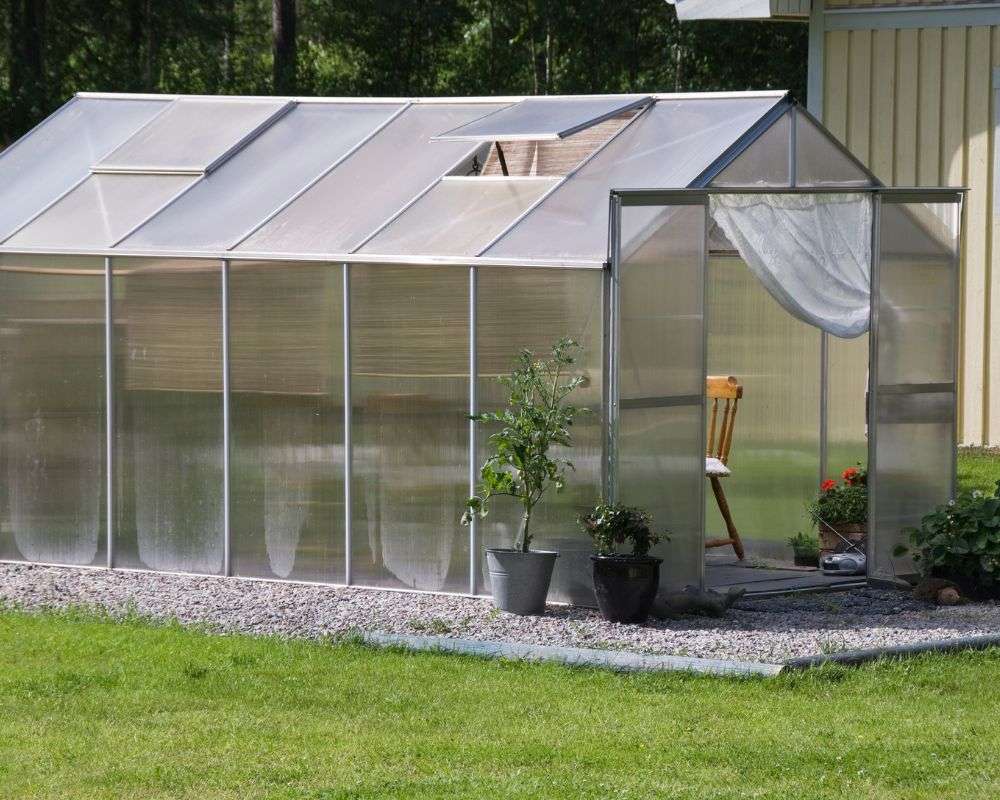
The choice of whether greenhouse plastic should be clear is a significant factor in greenhouse design and operation. Clear greenhouse plastic is widely used due to its ability to transmit light, but it also comes with certain advantages and disadvantages that need careful consideration.
Advantages of Clear Greenhouse Plastic
Clear greenhouse plastic offers several advantages that contribute to plant growth and overall greenhouse efficiency. Here are some of the key benefits:
- Light Transmission: Clear plastic allows a high percentage of sunlight to penetrate, essential for photosynthesis in plants.
- Temperature Control: The ability to let in maximum light can help maintain an optimal temperature for plant growth, especially in cooler climates.
- Visibility: Clear materials provide better visibility for monitoring plant health and growth, making it easier to manage the greenhouse environment.
Disadvantages of Clear Greenhouse Plastic
While clear plastic has many benefits, there are also some drawbacks that should be taken into account. These disadvantages can affect both the greenhouse environment and plant health.
- Heat Build-Up: Clear plastic can lead to excessive heat accumulation during sunny days, potentially harming plants.
- UV Degradation: Over time, clear plastic can degrade due to UV exposure, leading to a decrease in light transmission and increased replacement costs.
- Algae Growth: The bright conditions created by clear plastic can foster algae growth on the surfaces, which may obstruct light and affect plant health.
Alternatives to Clear Greenhouse Plastic
Considering the disadvantages of clear plastic, some greenhouse owners explore alternative materials that may offer similar benefits without the pitfalls.
- Translucent Films: These may reduce light intensity, allowing for more even temperature control and reduced heat build-up.
- Colored Films: Using colored greenhouse plastics can filter specific wavelengths of light that may benefit certain plants while minimizing heat accumulation.
- Polycarbonate Panels: These provide durability and UV resistance, though they can be more expensive than traditional plastic films.
Impact on Plant Growth
The type of plastic used in a greenhouse directly influences the health and productivity of plants. Clear plastic can have varying effects depending on the plant species and growth conditions.
- Growth Rates: Many plants thrive under the optimal light conditions that clear plastics provide, leading to improved growth rates.
- Flowering and Fruiting: Adequate light from clear plastic can enhance flowering and fruiting, making it easier to achieve higher yields.
- Pest Management: The transparent nature of clear plastic allows for easier visibility of pests and diseases, facilitating early intervention.
Durability and Maintenance Considerations
When selecting greenhouse plastic, durability and maintenance requirements are critical factors that impact long-term use.
- Frequent Replacement: Clear plastic tends to degrade faster, leading to increased costs and labor for regular replacements.
- Cleaning Needs: Clear plastic requires regular cleaning to remove dust and algae buildup that can impede light transmission.
- Weather Resistance: The chosen material must withstand various weather conditions and UV radiation to ensure longevity and performance.
Questions from Our Readers
Is a clear greenhouse more effective than a green one?
A clear greenhouse is generally considered more effective because it allows more sunlight to penetrate, which is essential for photosynthesis. This maximizes plant growth and helps to maintain optimal temperature conditions inside the greenhouse.
Does a green greenhouse provide better insulation?
A green greenhouse can offer better insulation compared to a clear one, as the darker color helps to absorb and retain heat. This can be beneficial in colder climates, but it may also limit light availability for plant growth.
See also:
What types of plants thrive better in clear greenhouses?
Plants that require high light levels, such as tomatoes and cucumbers, tend to thrive better in clear greenhouses because they can access the sunlight necessary for their growth. A clear structure promotes a positive growth environment for these light-loving plants.
Are there any disadvantages to using a clear greenhouse?
One disadvantage of a clear greenhouse is that it can lead to excessive heat accumulation, especially in warmer months, which may cause stress to the plants. Additionally, it may require more ventilation systems to maintain a stable climate inside the greenhouse.

If you want to read more articles like Is it Better for a Greenhouse to Be Clear or Green? The Ultimate Guide to Greenhouse Colors, we recommend you check out our Garden category.
Leave a Reply
Related Articles