What is the Best Material for Frost Protection? Top Options Explored

As the winter months arrive, protecting plants from frost becomes a crucial task for gardeners and farmers alike. The right material can make all the difference in shielding vulnerable crops and flowers from the damaging effects of frost. This article delves into the best options available for frost protection, examining various materials such as blankets, tarps, and innovative solutions like frost cloths. By comparing their effectiveness, durability, and ease of use, we aim to provide you with valuable insights to help safeguard your plants during the coldest spells. Discover how to keep your garden thriving, even in the frostiest conditions.
What is the Best Material for Frost Protection?
When it comes to frost protection, choosing the right material is crucial for ensuring the survival of plants and crops during cold spells. The best materials typically include fleece, plastic sheeting, and row covers, as they provide adequate insulation while allowing light and moisture to reach the plants. Fleece is particularly favored for its lightweight properties, serving as an effective barrier against harsh temperatures. Plastic sheeting offers a more robust and waterproof option, but precautions need to be taken to prevent moisture buildup, which can harm plants. Row covers, which can be made from various materials, serve as a versatile solution that not only protects against frost but also offers some defense against pests and wind. Ultimately, the choice of material should be based on the specific environmental conditions and the type of plants being protected.
Fleece as Frost Protection
Fleece is a popular choice for frost protection due to its ability to trap heat while still being lightweight. Available in various thicknesses, fleece allows for flexibility in different climatic conditions. It provides an excellent balance between insulation and breathability, thereby reducing the risk of plants overheating during sunny days while protecting them from freezing temperatures at night. Additionally, fleece is easy to handle and can be cut to size for various applications, making it a practical option for gardeners.
Plastic Sheeting for Insulation
Plastic sheeting serves as an effective barrier against frost, particularly in open fields or larger gardens. It offers substantial insulation by creating a greenhouse effect, trapping warmth around the plants. However, it is essential to monitor moisture levels beneath the plastic, as condensation can lead to fungal diseases if the material is sealed too tightly. Using hoops or supports to elevate the plastic can help maintain ventilation while still providing protective coverage.
Row Covers for Versatility
Row covers are a versatile option for frost protection, as they come in various materials, including lightweight fabric and heavier duty options. They can be placed directly over plants or supported by hoops to create a mini greenhouse effect. Row covers not only protect against frost but also provide some shielding from pests and wind. Furthermore, they allow for easy monitoring of plant health, making them a favorite among gardeners who want to safeguard their crops without compromising accessibility.
Choosing Material Based on Plant Type
Selecting the appropriate frost protection material may depend on the specific type of plants being protected. Delicate seedlings, for instance, may require softer materials like fleece that won't damage tender leaves, whereas more robust plants can handle heavier plastic sheeting. It’s important to consider the tolerance of each species to cold and moisture when deciding which material to use for effective protection during frost events.
Combining Materials for Enhanced Protection
In some cases, combining different materials can yield better results for frost protection. For example, covering plants with fleece and then placing a layer of plastic sheeting on top can provide added warmth and create a buffer against wind chill. This layering method not only enhances insulation but also minimizes the risk of moisture buildup by allowing for adjustments based on weather conditions. Gardeners often experiment with various combinations to find the most effective solution for their specific needs.
| Material | Advantages | Considerations |
|---|---|---|
| Fleece | Lightweight, breathable, good insulation | Less effective in heavy rains |
| Plastic Sheeting | Robust insulation, creates greenhouse effect | Requires ventilation to prevent moisture buildup |
| Row Covers | Versatile, protects against pests and cold | Must manage temperature and humidity levels |
What material to use to cover plants from frost?

To protect your plants from frost, it's essential to choose the right materials. Here are some effective options:
1. Frost Cloths
Frost cloths, also known as frost blankets or horticultural fleece, are specially designed materials that provide excellent insulation for plants during cold nights. They allow sunlight and moisture to penetrate while trapping heat close to the plant surface.
- Lightweight and easy to handle.
- Can be draped directly over plants without causing damage.
- Available in various thicknesses for different levels of protection.
2. Burlap
Burlap is a natural fiber that serves as a good barrier against frost. It can be wrapped around tender plants to provide a layer of insulation while still allowing airflow, which helps avoid moisture buildup that could lead to rot.
- Durable and reusable for multiple seasons.
- Allows ventilation, reducing the risk of mold.
- Can be secured with twine or clips for stability.
3. Row Covers
Row covers are typically made from lightweight materials and can protect entire rows of plants from frost. They act as a greenhouse effect, trapping heat while providing a barrier against cold temperatures and insects.
- Can cover large areas, making them practical for gardeners.
- Helps to create a microclimate around plants.
- Available in different materials, including plastic and fabric.
4. Plastic Sheeting
Clear plastic sheeting can be utilized to create a protective structure over plants. It traps heat effectively, making it ideal for cold snaps, but it should be used cautiously to prevent overheating during the day.
See also:
- Very effective at trapping warmth.
- Can be constructed into mini-greenhouses for individual plants.
- Requires ventilation to prevent excessive heat buildup.
5. Mulch
Applying a layer of mulch around the base of your plants can help protect their roots from freezing temperatures. Organic mulch materials like straw, wood chips, or grass clippings can provide insulation and retain soil moisture.
- Insulates soil, keeping it warmer during cold nights.
- Reduces temperature fluctuations, promoting stable conditions for roots.
- Organic options improve soil quality over time as they decompose.
What are the three types of frost protection?
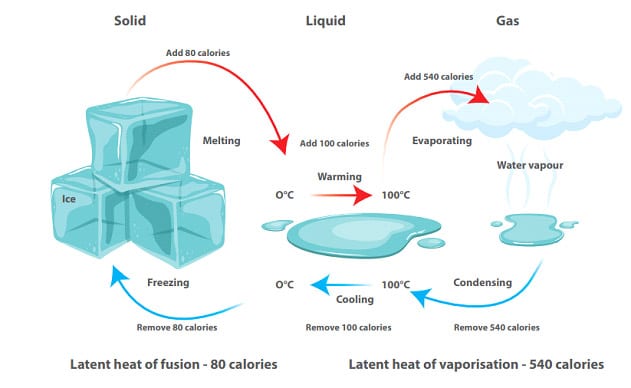
The three types of frost protection are critical for gardeners and agricultural producers looking to safeguard their plants during freezing temperatures. Each method has its own unique approach to mitigating frost damage, and understanding these methods can be invaluable.
Passive Frost Protection
Passive frost protection involves techniques that help plants naturally withstand cold temperatures without active intervention. This type includes:
- Choosing the right plants: Selecting frost-resistant varieties that can endure low temperatures is key.
- Site selection: Planting in locations that naturally provide some warmth, such as near walls or large rocks, can offer protection.
- Mulching: Applying organic or inorganic materials around the base of plants can help retain soil warmth and insulate roots.
Active Frost Protection
Active frost protection methods involve the use of technology or manual intervention to create conditions that inhibit frost formation. This can include:
- Heaters: Using heaters or heat lamps to raise the ambient temperature around vulnerable plants during frost events.
- Frost fans: Employing fans to circulate air and prevent cold pockets from forming around plants.
- Overhead irrigation: Spraying water on plants can create a protective layer of ice that insulates the plant tissues beneath.
Thermal Blankets and Covers
Using physical coverings to protect plants from frost is another effective method. These can include:
- Frost cloths: Lightweight fabric covers that allow moisture and light to pass through while providing warmth.
- Row covers: Transparent plastic or fabric sheets laid over rows of plants to trap heat.
- Tarps or bedsheets: Simple items like tarps or old bedsheets can be used to cover plants overnight in a pinch.
Landscape Design for Frost Protection
Incorporating frost protection into landscape design can enhance long-term protection for plants. Key strategies include:
- Windbreaks: Planting trees or shrubs to shield plants from cold winds that exacerbate frost conditions.
- Terracing: Creating terraces in a garden can help mitigate frost by encouraging cold air to drain away.
- Using gravel or stone: Surrounding plants with materials that absorb and radiate heat can also provide passive protection.
Seasonal Timing and Plant Care
Timing and care practices also play a crucial role in preventing frost damage. Important considerations include:
- Planting schedule: Timing planting to avoid late spring frosts can protect young plants.
- Pruning techniques: Proper pruning can encourage healthy growth that withstands frost better.
- Watering practices: Ensuring plants are adequately watered promotes health and resilience against cold temperatures.
What not to cover plants with for frost?
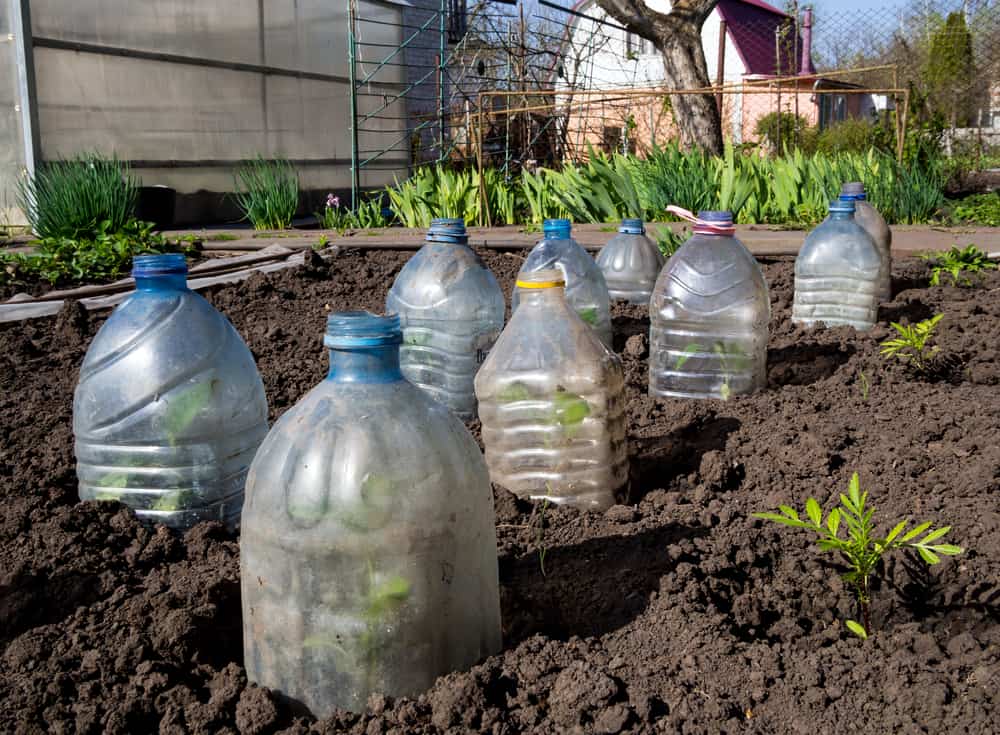
What not to cover plants with for frost
When protecting plants from frost, it is crucial to choose the right materials. Certain coverings can actually harm plants instead of helping them. Here are some materials and methods to avoid when covering plants for frost protection.
Plastic Sheets
Covering plants with plastic sheets is not advisable due to several reasons:
- Trapping Heat: While plastic can trap heat, it can also create a greenhouse effect that may raise temperatures to harmful levels during the day.
- Condensation Damage: Moisture can accumulate under plastic, leading to excess humidity that encourages mold and fungal diseases.
- Direct Contact Risks: If the plastic touches the plant itself, it can cause burns, especially if temperatures fluctuate.
Tarps
Using tarps to cover plants may seem practical, but they also come with drawbacks:
See also:
- Weight Issues: Tarps can be heavy and may crush delicate plants or young seedlings when covered.
- Inadequate Insulation: Tarps do not provide sufficient insulation when temperatures drop significantly.
- Moisture Retention: Similar to plastics, tarps can trap moisture, leading to issues like rot or mildew.
Cardboard Boxes
Though cardboard boxes might offer some protection, they are not ideal:
- Pest Attraction: Cardboard can attract pests that may damage the plants.
- Insufficient Airflow: Lack of ventilation can suffocate plants, especially if temperatures rise unexpectedly.
- Water Absorption: If it rains, wet cardboard can become mushy, losing its structural integrity and potentially causing plant damage.
Old Bed Sheets or Towels
Covering plants with old bed sheets or towels is also not recommended:
- Insufficient Protection: These materials are often too thin and may not provide adequate insulation against cold temperatures.
- Wetness Concerns: They can absorb moisture and become soggy, which can harm the plants.
- Weight and Compression: If they get wet, they can become heavy and compress growing plants.
Plastic Wrap
Using plastic wrap for frost protection is generally a poor choice:
- Heat Build-Up: Similar to plastic sheets, plastic wrap can lead to excessive heat build-up during sunlight.
- Direct Contact Damage: If applied directly to the plant, it can create burns due to lack of airflow.
- Difficulty in Removal: Plastic wrap can stick to leaves and stems, causing damage upon removal.
Does frost cloth really work?

Frost cloth does indeed serve as an effective protective material for plants facing cold temperatures. Mainly designed to shield sensitive flora from frost, these lightweight fabrics help maintain a microclimate around the plants, reducing the risk of frost damage significantly. The effectiveness of frost cloth depends on several factors, including the thickness of the material, the positioning, and the ambient weather conditions.
How Does Frost Cloth Work?
Frost cloth operates by creating a protective barrier that helps to trap heat emitted from the earth and the plants themselves. Here are the key mechanisms of its operation:
- Heat Retention: The cloth retains warmth during the night, reducing frost formation.
- Air Circulation: While it provides insulation, it still allows air flow, minimizing moisture accumulation.
- UV Protection: Some frost cloths also offer protection against harmful UV rays during daytime.
Types of Frost Cloth Available
Different types of frost cloths offer varying degrees of protection, which can affect their effectiveness. The following are common varieties:
- Lightweight Frost Cloth: Offers basic protection and is suitable for mild frost conditions.
- Medium-weight Frost Cloth: Provides better insulation and is effective in lower temperatures.
- Heavy-duty Frost Cloth: Best for extreme cold and heavy frost; typically thicker and more resilient.
Factors Influencing Effectiveness
Several key factors can influence how well frost cloth works to protect plants from cold:
- Material Thickness: Thicker materials generally offer better insulation.
- Height Above Plants: Proper placement ensures adequate covering and prevents direct exposure to freezing air.
- Weather Conditions: Temperature fluctuations, humidity, and wind can all impact performance.
Best Practices for Using Frost Cloth
To maximize the benefits of frost cloth, users should adhere to some important best practices:
- Timing: Cover plants before temperatures drop in the evening and remove them during the day if temperature rises.
- Secure Fastening: Ensure the cloth is securely fastened to prevent it from being blown away by wind.
- Check for Moisture: Regularly inspect for any dampness that could lead to mold or mildew.
Limitations of Frost Cloth
While frost cloth offers valuable protection, it does come with certain limitations that should be considered:
- Not Foolproof: In extreme cold or severe weather, frost cloth may not fully prevent damage.
- Plant Types: Some plants may not respond well to being covered, depending on their specific needs.
- Added Weight: Accumulated snow or ice on the cloth can impose additional stress on plants beneath.
Questions from Our Readers
What is the best material for frost protection?
The best materials for frost protection include frost cloths, bubble wrap, and marine tarps. These materials are designed to provide a protective layer that traps heat and insulates plants during cold temperatures, helping to prevent frost damage.
How do I use frost protection materials effectively?
To use frost protection materials effectively, ensure that they are draped over the plants without direct contact with the foliage, as this can cause damage. Secure the edges to the ground to trap heat and create a proper barrier against frost.
Can I use household items for frost protection?
Yes, household items like old blankets, sheets, and newspapers can be used for frost protection. While these materials may not be as effective as specialized frost cloths, they can still provide a temporary barrier to help shield plants from cold temperatures.
See also:
When should I remove frost protection materials?
Frost protection materials should typically be removed during the daytime once temperatures rise above freezing, allowing plants to receive sunlight and air circulation. However, be sure to check the weather forecast for any sudden temperature drops before removing the covers.

If you want to read more articles like What is the Best Material for Frost Protection? Top Options Explored, we recommend you check out our Garden category.
Leave a Reply
Related Articles